Home Blog Page 35

8 Pieces of Information Your Child Must Have for their Personal Safety

0

We must have all come across television news items, radio broadcasts and ads in the newspapers about lost children. A child getting lost could happen to any family, even the most careful and hawk-eyed parent.

It actually happened to me in this post: The Day I Lost My Son in a Shopping Mall.

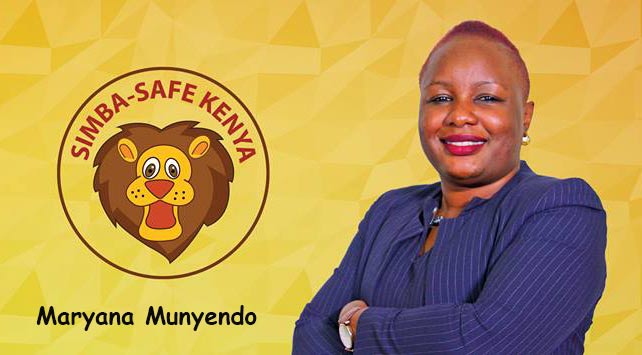
I spoke to child safety expert Maryana Munyendo of Simba-Safe Kenya, a Personal Safety Education Programme (PSE) for children about what information we can equip our children with. She shares these eight age-appropriate tips:

1. Parent’s Name: Make sure that your child knows your full name.

2. Telephone Number: As a parent, make sure that your child has mastered your telephone number. You can even consider sewing it on a clothing item. A tyvek security band could also be very helpful.

Simba_Safe_Maryana

3. Home Address: Your child must know the exact location of where they live, i.e. the name of the estate, the court, and the house/door number.

4. Safe Strangers and Safe Buildings: During conversations with your child, actively point out to them the places they can go to for help such as banks, post offices or hospitals. Also teach them about the people that they can approach for help -for example uniformed staff such as policemen, medical personnel, receptionists or guards.

Continue Reading Next Page

Widowhood in Kenya: “My Husband’s Sudden Death when I was 19 Years Old was a Reality Check,” -Ann Mitu -Model and Actress

2
Photo credit: JHPIEGO

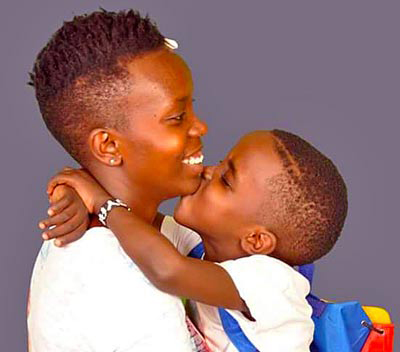
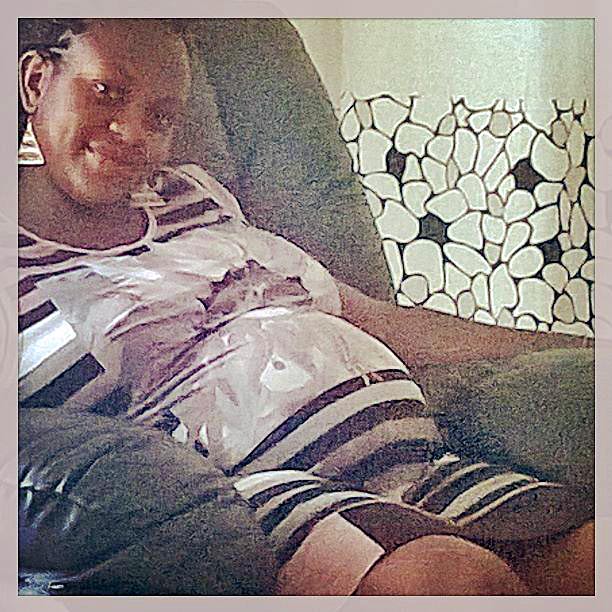
Ann Mitu is a 24 year-old mom, actress and model. Ann is also doing something great in her community, inspired by her own personal experience. Ann spoke to Mummy Tales writer Sylvia Wakhisi on her life, her work, being mom to five-year old Gyan, and her desire for marriage someday. 

Ann-and-son2

Who is Ann Mitu?

I was born and raised in Mathare -an informal settlement in Nairobi’s Eastlands area. At the age of 19 years, I got pregnant. This was just after I had completed high school. I then moved in with the love of my life. But as fate would have it, life took a sudden twist when soon after my husband died.

Losing him unexpectedly, just when our lives were starting threw me off completely. I was so young, with no clue about raising a child on my own. But l had to pick up the pieces and start looking for money for rent and food, and begin preparing for the birth of my child.

Growing up in Eastlands in Nairobi, the temptations of drug abuse and even prostitution are never-ending, especially for young people. However, I kept my mind focused on me and my son, knowing that I wanted only the best for us.

IMG-20160613-WA0003

Through the encouragement of a few friends who had noticed my interest and passion for modeling and acting, I started going for auditions and would later land some acting roles, though it wasn’t easy. Watching my son grow each and every single day is what kept me going. I had no room to give up.

Today, I am proud to say that I have acted in Shujaaz, a programme which highlights the lives of young people in the streets especially the slums. It brings out some of the problems that they face – from unemployment to HIV/AIDs. Shujaaz won two Emmy Awards; the 2012 and 2014 International Digital Emmy Award for Children and Young People. I was also the main star in Jongo Love, a film that attracted international attention because of the smartphone recording factor. It is the first Kenyan movie to be shot using a mobile phone.

I also run a women’s movement called ‘Young Mothers Africa’ which targets young moms struggling to raise their kids on their own.

Continue Reading Next Page

The Day My Mother Confronted me About my ‘Secret’ Pregnancy -Popular Radio Presenter Shares Her Story

1

33 year-old Diana Makokha is a popular radio presenter in the Royal Media Services stable. Diana is also a mom of two boys, and with an inspiring story to tell! Her experience is definitely one that many women can relate to. Read on.

I got pregnant in 2002 just after high school. It was unplanned. I was 19 years-old, naive and not really ready to become a mother. Back in my days, early pregnancy was regarded as complete immorality. In fact, if a girl got pregnant, it automatically meant that she would get married. Meanwhile, she would be stigmatized for engaging in ‘bad behavior’. It was one of the most ‘sinful’ things a girl could do.

When I found out I was pregnant, I cried and cursed. How could it have happened to me? Embarrassed, scared and ashamed, I preferred to stay indoors all day long. I would be dressed in a cardigan throughout, in a bid to conceal my growing bump. It did not matter the weather; even in the scorching heat, you’d find me all covered up in a heavy sweater.

Eventually, word got round that I was expecting. The girls in my neighborhood, and those I had cleared school with would spend hours gossiping about me. They would say: “Waahh, na ni kweli Dee ako na ball?” They would even come to our home to ‘peep’ at me in a bid to confirm that I was indeed pregnant. Some of them had already joined college and would brag on end about how sweet college life was.

Hearing them speak made me feel very sad. I would lock myself in my bedroom and cry my heart out. I would cry rivers. Why me? There I was, a pregnant teen, ashamed of the embarrassment I had caused the family. The idea of having an abortion came to mind.

Continue Reading Next Page

Actress Brenda Wairimu Speaks about New Motherhood

0

The Story of Sarah

0

When I was in high school, one girl joined the school in the middle of second term. 98 per cent of the school population was from Nairobi, so when the girl joined, she easily stood out. She was a tall (very tall) dark beauty, who spoke little English. And when she did, her English had a thick accent that was clearly not ‘Nairobian’ (you can always tell a Nairobian by his speech).

From the little we got from her, we understood she was from Sudan and had fled the civil war. She was one of the lucky ones to have made it out of the country alive. As she told her story, we learnt that she and her brother had trekked from Sudan to the Kenyan border and found settlement in one of Kenya’s refugee camps. It was a horrific experience, she said. She and her brother had no idea what had happened to the rest of the family.

The girl had made it to our school courtesy of an NGO that had identified her potential while at the camp, and pledged to sponsor her education. With that second chance at life, she was determined to carve a great future for herself. That was over 20 years ago. I don’t know where she is today, but I know she completed high school. With the kind of determination she had, I have no doubt that she created a great future for herself.

The reason I’ve remembered that girl from high school is because I have read the story of Sarah, which I will share with you today.

18 year-old Sarah* is from Upper Nile, South Sudan. She has lived in Kule refugee camp in Gambella, Ethiopia, since 2014. Her story is like that of many other refugees –just like the girl I knew from high school. Sarah was separated from her family as they fled the conflict in their country. Travelling to Gambella from South Sudan was a grueling journey for Sarah, who has a physical disability. She was lucky to have her grandmother with her but to date, she still doesn’t know what became of her brothers, sisters and the rest of the family.

“It greatly pains me. My heart is filled with constant worry as not a minute goes by without me thinking about my dear ones. Everything back home in South Sudan got destroyed, and I don’t know about the whereabouts of my family. It is a very bad situation to be in.”

It took she and her grandmother a grueling five days to reach their destination, passing through harsh and dangerous terrain.

“It was horrible. We saw many people get kidnapped, raped and others killed. It was bad,” Sarah says. Thankfully, she and her grandmother arrived at the Kule refugee camp in Gambella in one piece. She was more than relived. But just for a minute.

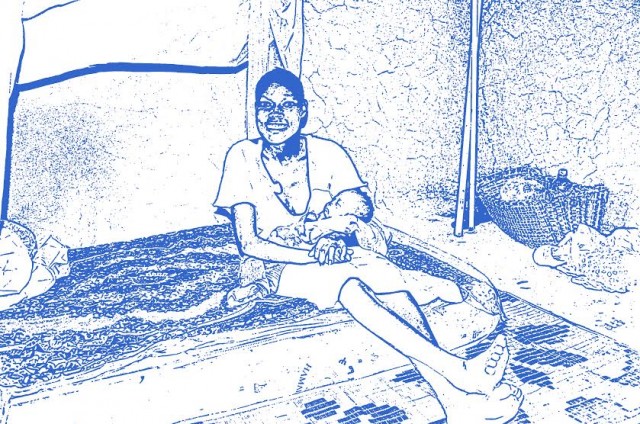
Sarah’s relief was cut short when just after spending a short while at the camp, she was raped. And while still trying to come to terms with the traumatic sexual assault experience, she found out she had conceived from it. Could life get any more difficult for the already traumatized, emotionally and physically exhausted teenager with a physical disability?

Nine months later, Sarah gave birth to a baby boy. Thankfully, while at the camp, her salvation came through Plan International –one of the NGOs working in Gambella. Through Plan, Sarah was able to receive psychosocial support which has helped her deal with some of the trauma she’s gone through ever since she left the comfort of her home in South Sudan.

Aside from that, she was able to receive a few necessities from them such as a blanket, mattress, and a hygiene kit. They also visited the baby and monitored his progress. Plan also linked Sarah to other organizations within the camp where they were able to access food and other nutritious supplies. Refreshingly, Sarah is comforted by the fact that her child will also receive an education, because Plan International has constructed a school at the camp. But even more importantly, she plans to enroll in a school at the refugee camp, because she desires to continue with her education. Sarah is optimistic about her future and that of her three-month old son, and she is taking it one day at a time.

 The reason I am talking about Sarah today is because I believe that she can achieve her dreams. Just like the girl from my high school, I do know that there are many refugee children who go on to succeed in life because of the assistance of others.

This week, as we celebrate the Day of the African Child, with the theme being children in crisis situations, we remember teenagers like Sarah, who become mothers while they are still children themselves. Mothers who do not have the same privileges that we do. Mothers who became mothers out of no choice of their own. Let us think about their children who don’t have the kind of privileges that ours have. But yet, life has to go on.

Let us lend a hand of support where we can.

*Name changed for child protection purposes. 

Meet Hijarbie, the Hijab-Wearing Barbie Doll

2

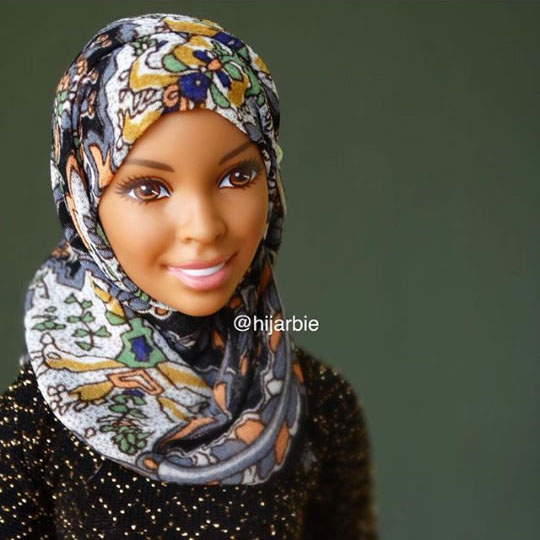
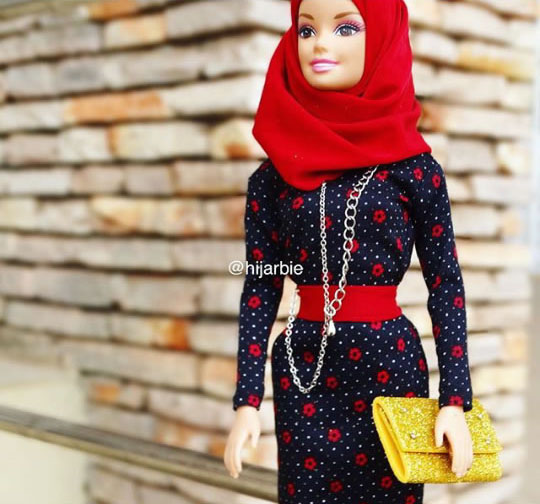
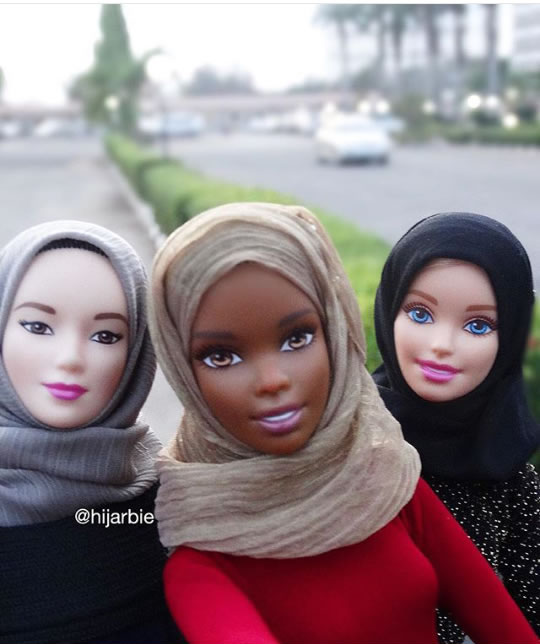
I’m sure Barbie needs no introduction to you. But the doll that you probably haven’t met, is Hijarbie – the hijab-wearing Barbie. Hijarbie is the creation of a young 24 year-old Nigerian Muslim woman, Haneefah Adam.

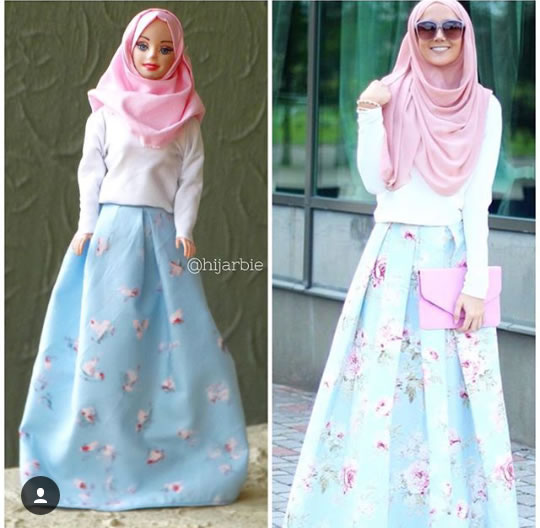
Haneefah, who has a Masters degree in Pharmacology, got the idea of creating a hijab-wearing Barbie because of her desire to see Barbie dressed in something that she – Haneefah – would actually wear – as a Muslim girl/woman. She wanted to see young girls grow up knowing that they could still look good and stunning while covered up. Modesty in dolls, was her aim. In addition, Haneefah wanted people, and especially young girls, to grow appreciating diversity.

Haneefah makes the dresses and hijabs herself, with some of her inspiration drawn from the style of popular Muslim fashion bloggers like Habiba Da Silva and Leena Asad. When she began making Hijarbies early this year, there were no dark-skinned Hijarbies. But it’s now good to see that she’s managed to overcome this barrier.
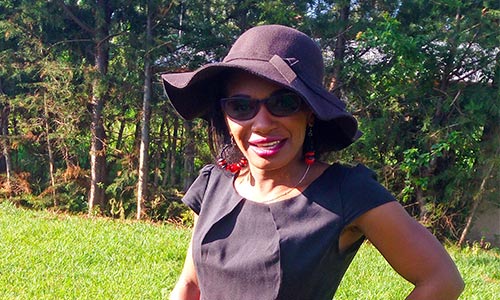
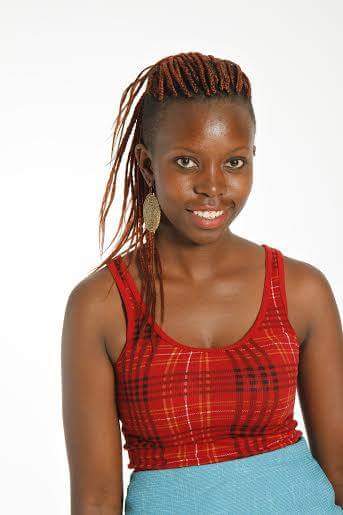
Haneefah Adam, creator of Hijarbie.

I’m not sure if they are available in Kenya yet, but if they are, I would sure love to get one for myself! I think black Hijarbie looks so adorable, plus Haneefah’s message of diversity is absolutely clear. Which we need in Kenya, to be very honest. We need to accept our own diversity: religion, tribe, skin color, political affiliation, TRIBE, and all those other things that divide us. May God intervene for Kenya.
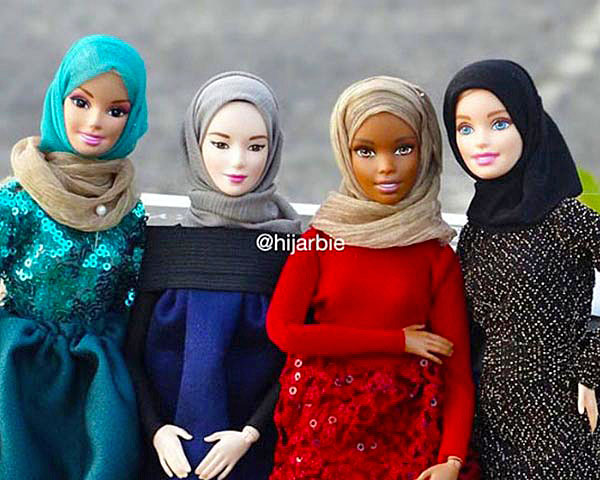
See some photos of Hijarbie, courtesy of Hijarbie on Instagram.  

Hijarbie_Black3

Hijarbie_red white blue

Hijarbie_mustard

Hijarbie_dotted

Hijarbie_Pastel_Floral

Selfie!
Selfie!

See More Next Page

Preeclampsia in Kenya: “I Spent Almost Half of my Pregnancy in Tears!” -Mary Naanyu

0
Mary Naanyu with her daughter Jazz.

30 year-old Mary Naanyu Kiruriti is a mother of one. She has had an interesting journey into motherhood, which has made her appreciate life. During her pregnancy, Mary suffered from a condition known as pre-eclampsia, which can be fatal to both mom and baby. Today, she shares her experience with us, and offers us vital pieces of advice which she urges us not to ignore. Read on…

“When I was 22 weeks pregnant, I went for my monthly check-up which involved peeing in a little cup and having it tested for protein. On that particular day, the test revealed that there was protein in my urine. I was also informed that my blood pressure was high, plus my feet were worryingly swollen. Things were not good. I was told that I had pre-eclampsia.

Let me take you back to the beginning. My pregnancy had started out with a threatened abortion at six weeks. Following that difficult phase, I engaged in some plenty of reading, with the knowledge (fear) at the back of my mind that anything could go wrong. It was then at 22 weeks pregnant I received the news that I had developed pre-eclampsia. This news left me feeling sad, confused and lost.

Also Read: “The Day I Almost Lost my Life” –Carline Gachii

However, the medics, aware of the dangers of preeclampsia, had immediately put me on a drug regimen -which was later increased because my blood pressure wasn’t going lower.

Mary Naanyu, while pregnant.

But even as I was taking the drugs, I would spend so much time thinking of how everything would go wrong and that I would lose my baby. It is these feelings that would always cause my blood pressure to rise, but hard as I tried, I just couldn’t stop worrying over my health. Whenever I would catch sight of my swollen legs, panic would set in and I would literally cry my eyes out! I would get so paranoid that I would take breaks from the office three to four times a day just to go have my blood pressure checked.

At 33 weeks pregnant, another scan indicated that my placenta showed calcification (ageing). The sound of that frightened me. What did it mean?

Continue Reading Next Page

How to Boil an Egg Perfectly, by Sam Kiragu

2
Sam Kiragu

How do you boil your eggs? Today, my friend Sam Kiragu who really loves cooking shares with us how he prepares his boiled eggs -which by the way, he insists are healthier than fried eggs :).

Here’s how:

1.  Place the eggs in a sufuria with cold water. Start the boil and cover.
2. Meanwhile, add some salt to prevent the shell from breaking while boiling. Boil the egg for around 15 minutes for it to be well done.

3. Drain the hot water after 15 minutes and cool the eggs with cold water. This makes it easier to remove the shell.

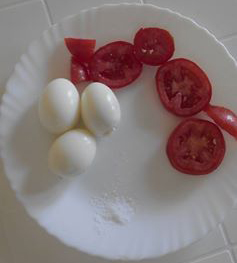
Sam's boiled eggs.
Sam’s boiled eggs.

There goes Sam’s simple boiled egg recipe. Did you learn anything new? Hope you did. Thank you Sam!

Also read: How to Make Omena by Carol Chanya

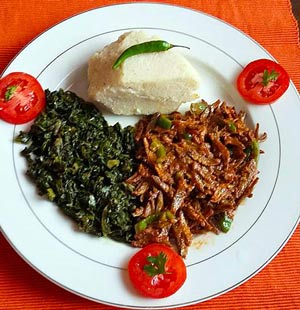
Chanya's balanced dinner meal.
Chanya’s balanced dinner meal.

Also See: How to Make a Tasty Ndengu Stew

Remember to keep updated with latest posts by following Mummy Tales on: Facebook Instagram mummy_tales and Twitter: @MummyTales

On Finding the ‘Right’ School for Our Special Needs Child

2

Tata Nimmo is a regular guest writer here at Mummy Tales, where she chronicles her journey raising her seven-year old nephew Safari. Safari is the firstborn child of Tata Nimmo’s twin sister, and the sisters –having grown up very close, still enjoy the same kind of relationship today –enough to make Tata Nimmo feel as though Safari is her own son too.

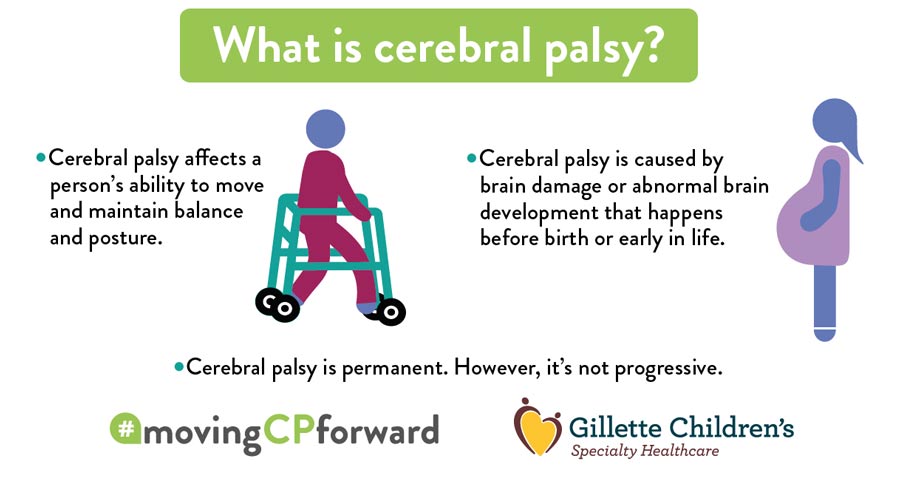
In her first article titled: ‘New Mums, Don’t Ignore those Delayed Milestones’ she told us how, at six days old, Safari suffered jaundice –and was later diagnosed as having neonatal kernicterus. But as he grew, both mom and aunt know something was wrong with him because of his delayed milestones, and it was only until the age of two years that he was diagnosed with cerebral palsy (CP). Catch up on that article here.

What_is_Cerebral_palsy_Gillette_Childrens_Specialty_Healthcare

In the next article she wrote, Tata Nimmo took us through the emotions that she and the family went through after learning that Safari was a special needs child; struggling to deal with the news, and accepting that there was no miracle cure somewhere… Safari’s condition was a lifetime one, one that they would have to manage for the rest of his life. She told us that experience in this article titled: ‘Accepting that Safari is a Special Needs Child has not been Easy’.

After accepting the diagnosis, Tata Nimmo and her twin sister – Safari’s mom, began the search for early intervention. As they did so, it was a joyous celebration when, at the age of two years, Safari was able to stand on his own –without the support of anyone or anything. You can catch up on that post: ‘When Safari First Stood on his Own at Two Years, we Danced all Day!’

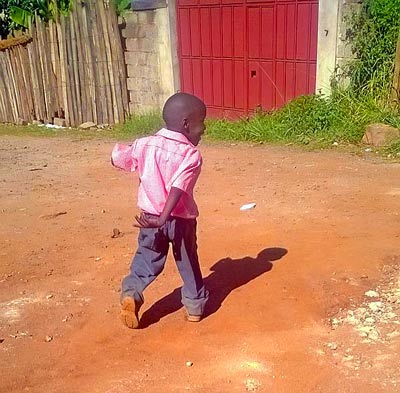
Safari.
Safari.

Today, seven-year old Safari is a class one pupil in a school in Nairobi, and Tata Nimmo updates us on how that’s going. She writes:

Safari’s three-year old baby sister Maua wobbles into the room wearing Safari’s school boots. On her back is Safari’s school bag. “I want to go to school,” she says expectantly, to which I respond, “of course you’ll go to school, as soon as you are tall like Safari.” it’s a regular conversation we have with Maua, her desire to enjoy everything Safari enjoys (such as school) being hard to hide.

But unknown to her is that Safari’s journey to school has not been a rosy one. This year, he is in standard one -something that we are very proud of. His mum and I were nervous that he would not be promoted to class one after completing pre-unit. But why did we have such fears? A myriad of reasons. One is because he is still struggling with his handwriting.

Continue Reading Next Page

Preeclampsia in Kenya: “The Day I Almost Lost my Life” -Caroline Gachii

3

27 year-old Caroline Gachii had a dramatic entry into motherhood. She almost lost her life due to a pregnancy-related condition which often begins after the 20th week. Today, Caroline shares her experience with preeclampsia, in the hope of creating awareness about this condition which can be fatal if not diagnosed early and managed effectively.

“On 10 January 2014, I found out I was going to be a mom for the first time. I was so excited. But my joy was hampered by this nagging pain I had in my back that just wouldn’t go away. It didn’t help that I have a desk job, which only made my back problems worse as the pregnancy progressed. Because of my pregnant status, I was limited to the drugs I could take, and my chiropractor basically became my best friend.

During my fifth month of pregnancy, my feet started swelling – which is normal for pregnant women, but when you add the constant back pain to this discomfort, my life became one miserable shell. By the sixth month, my back pain had gotten so bad that my doctor put me on bed rest, where I was only allowed about to be on my feet for up to 10 minutes a day.

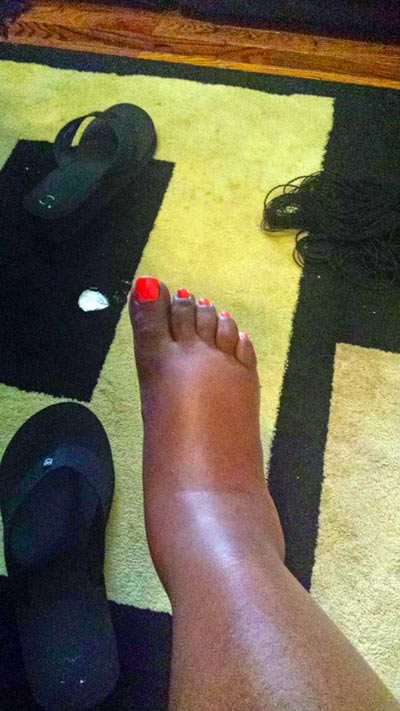
This was after waking up and making some breakfast. My feet would get this swollen.

I pressed on and kept my feet elevated as per doctor’s orders, doing everything possible as I anticipated my daughter’s birth. I would then visit my doctor every two weeks. On all these visits, my blood pressure was normal, but there were still questions about why I was getting so swollen up. The doctor however concluded that I was just retaining a lot of water.

After 35 weeks I started making weekly visits to the doctor, and at this point I was swollen like a balloon. On my 36 week appointment, my doctor expressed concerned about my rapid weight gain – I had added 9kgs in just a month, yet I had not changed my eating habits and I was in fact, having difficulties eating because of the intense pain in my back.

The doctor decided to do a cervix test where she checked for among others –if I had dilated. After this test, I started bleeding.

Continue Reading Next Page

Advertisement

POPULAR POSTS

error: Not Allowed