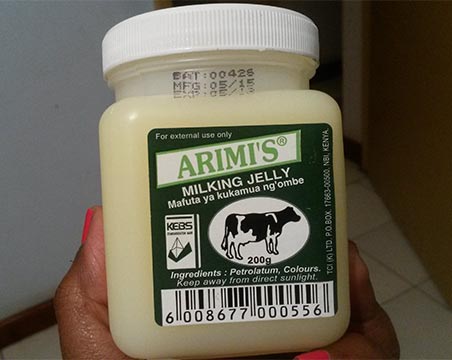
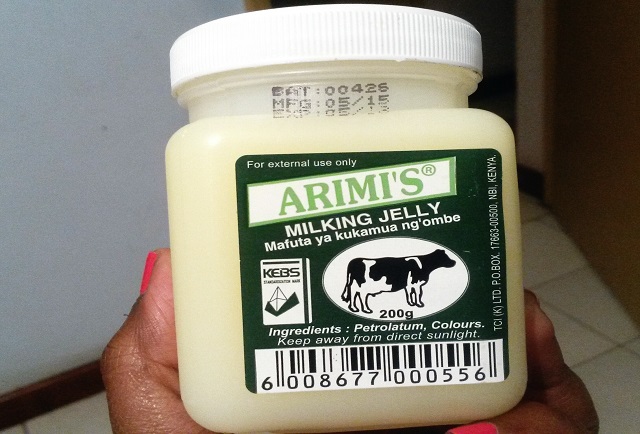
Yesterday, my friend Yvonne passed by me and at that particular time, I happened to be oiling my hands after having just washed them. The oil was Arimi’s. As in ilemafuta ya kukamua ng’ombe. Milking jelly.
So this my friend Yvonne was rather amused that even I, Maryanne, uses oil meant for cows on my skin. She laughed. I laughed too. I laughed because this Arimi’s phenomenon makes me wonder about myself. I wonder because I’m not a cow but yet I use a product meant for a cow’s udders.
So how did I get here?
A fellow mum got me here.
When my son was just a few months old, he got some nappy rash and me being the over-concerned mum, I began dashing to a paediatrician to consult about the nappy rash (first time mum).
But just as I was about to, a friend of mine -a fellow mum stopped me right in my tracks and told me noooooo mama, I have the solution for that rash. And she dug into her bag and unleashed Arimi’s – ile mafuta ya kukamua ng’ombe.
“This worked on my baby’s nappy rash and I’m sure it will sort yours out too,” she confidently assured me.
So I tried out Arimi’s on the nappy rash. And the rash disappeared. Just like that. Needless to say that since then, I have been an Arimi’s convert. In fact, I moved on from using it for nappy rash to use on myself. I use it for my hands, my feet and sometimes on my lips too. *hiding*.
But don’t ever tell a doctor you use Arimi’s on yourself. Most don’t advocate for it. A dermatologist once asked me if I’m a cow hence my use of Arimi’s. She then went ahead to lecture me on it, telling me that that particular jelly is specifically designed for a cow’s udder and not human skin.
But you know what the interesting thing is? I actually agreed with this dermatologist. I agree with her and all other people who share similar sentiments. But yet, I keep going to the supermarket and happily dropping Arimi’s inside my shopping cart. And I’m not even a cow. Sigh.
Thing is, me when I find something good, I stick to it. Arimi’s is something good. I have stuck to it. Happily.
But I also get comforted by the many other Kenyan mums who I meet and who swear by Arimi’s. And yes, we all know that it is mafuta ya kukamua ng’ombe….but yet we are not cows. I don’t understand. Surely, who will conduct a study on us on why we do this? It remains a mystery.
What I do know for a fact is that we mothers tend to take word of mouth referrals very seriously. If something has worked one mum or her baby, I will be sure to give it a try. Because of her strong sentiments about the product, I can tell you for sure that I will select that product over the one that is highly advertised on television, newspapers or billboards. I will be more than eager to try out what another mum has used and has worked for her. I will go out and buy it, even if it is a product meant for cows.
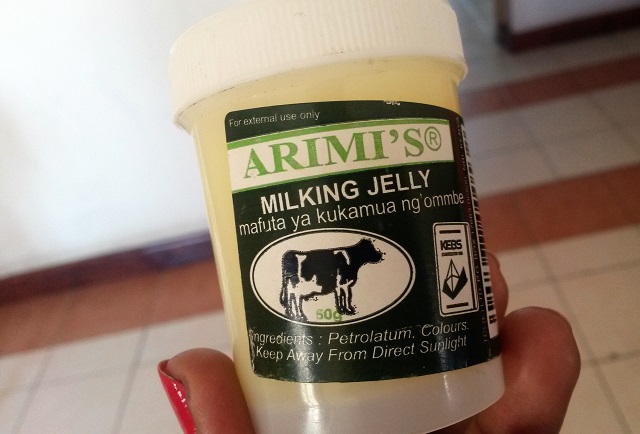
And by the way, there is no chance for confusion when it comes to Arimi’s, because there is a very clear picture of a cow on the container, just incase you overlooked the part that says mafuta ya kukamua ng’ombe, or ‘milking jelly’. It cannot get more clear than that.
So let me ask you, are you also an Arimi’s mum? Why do you use it yet you are not a cow? I would like to know your reasons.
You may also want to watch Catherine’s story below:
Mummy Talesis a platform dedicated to empowering its readers on different aspects of womanhood and motherhood. Read more motherhood experiences of Kenyan momshere. Connect with Mummy Tales on: FACEBOOK lYOU TUBE l INSTAGRAM l TWITTER
Challenges in life are inevitable. But it’s what we do with these experiences that counts. Taita Taveta MP Joyce Wanjala Lay became a teenage mother, but lost her son at just two years old. She then went on to get married later on, but then discovered she had trouble conceiving. Hers has been a journey with infertility which she is not shy of publicly acknowledging. In this video by Merck More than a Mother, Joyce engages in a noble effort, advocating for IVF which will undoubtedly go a long way in helping thousands of Kenyan women become mothers someday. I have re-shared the original video.
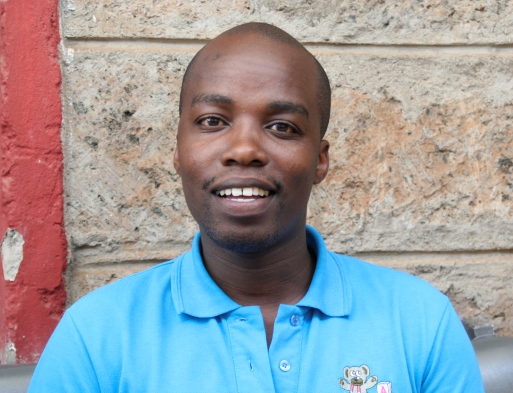
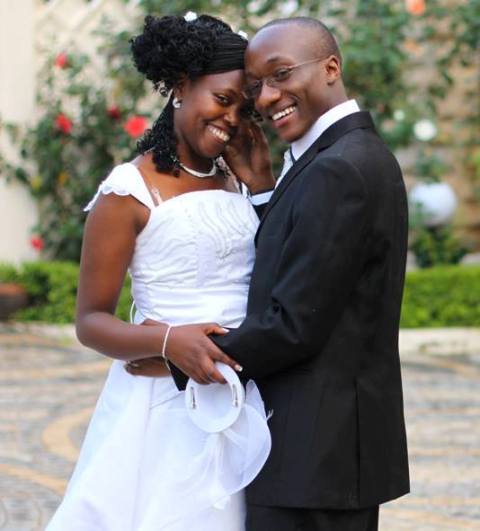
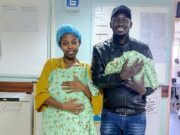
A few weeks ago, I was in Kawangware to meet a new couple – the Mogambi’s. This couple had recently become new parents and what particularly struck me most -and what actually made me want to meet them, was how jovial the man was about being a new dad. His excitement was so infectious I just had to meet him and share his story.
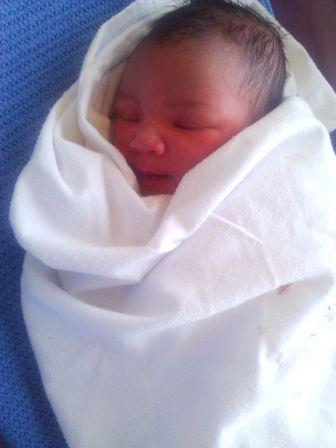
Eric Mogambi, 24, could not stop talking about the birth process of his newborn son Ray Ibrahim, and the fact that he witnessed the delivery. He recalls the moment:
“I was with my wife throughout the labour — which lasted close to 10 hours. Even though it was a long and anxious wait, it was one that I gladly endured. The highlight was when I welcomed my son into the world, being the first person to hold him and even cutting the umbilical cord. It was such a joyous moment,” a proud Mogambi says.
But Mogambi’s close involvement in the life of his son did not start that day.
“When my wife missed her periods and began complaining of nausea, I quickly rushed to the chemist and bought a pregnancy test kit. We were both elated as we watched the test kit yield positive results,” he remembers.
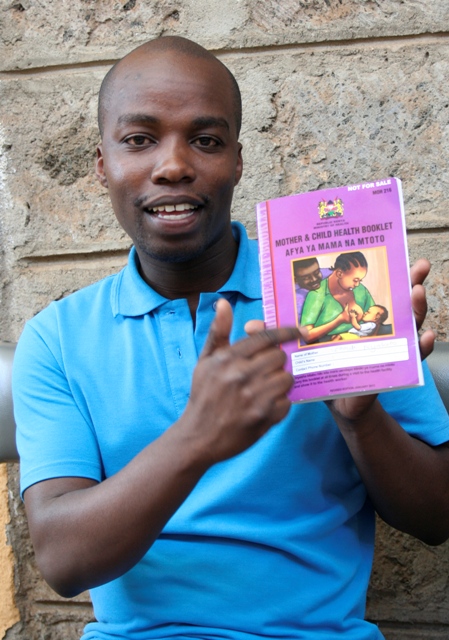
Mogambi then accompanied his wife for her first antenatal visit and continued to do so throughout her pregnancy. This they did at a local private health center called Fremo, located in their Kawangware neighbourhood in Nairobi.
Aside from accompanying his wife for prenatal checkups, Mogambi would also assist her with household chores as the pregnancy advanced.
“I would cook, clean the house and do the laundry when I returned home from work. Since she particularly craved ugali and green vegetables, I would prepare them just the way she liked them,” says the security officer.
So it was therefore only natural that when she went into labour, Mogambi was by her side as they ushered their son into the world.
Interestingly, while growing up in a rural village in Birongo, Kisii county, Mogambi always knew that matters to do with reproductive health were solely a woman’s responsibility. In a predominantly male society, Mogambi had never heard of a man who involved himself in matters of pregnancy and childbirth. So what happened with him?
“When I came to Nairobi, I got work as a security officer at a health centre. It was there that I saw men coming with their wives to the clinic. I found it very odd at first and assumed the men were weaklings. But the more I enquired, the more I discovered that what they did was actually a good thing. They truly loved their wives and were not afraid to show it. It did not make them less of men and I concluded that I would do the same when my time came,” he says.
And indeed, when his wife fell pregnant, Mogambi did exactly that, offering unwavering support to his wife. But it was not only his wife who benefited from the experience. He too was gaining from it.
“During the prenatal checkups, the nurses would give us information about the pregnancy, labour and birth. I learnt new things every time, with each session helping us both psychologically prepare for the labour and birth,” he says.
In addition, the health centre would hold open days for pregnant women each quarter, sessions that Mogambi and his wife attended without fail. It is there at the couple would gain more information about breastfeeding, immunization and family planning options after the birth of the baby. Information that came in handy after their son’s birth.
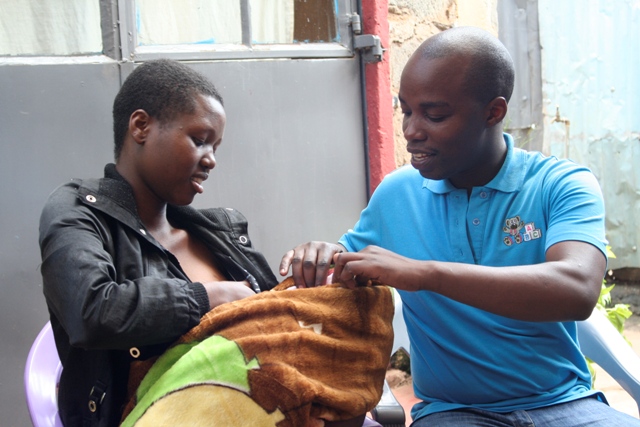
“My wife initially struggled to breastfeed as she could not get the latching technique correct. But I would patiently sit with her and help her correctly position both she and the baby for a comfortable nursing experience,” Mogambi says.
Since his son’s birth in May, Mogambi has been encouraging other men to be more involved in the pregnancy and birth experience of their children.
“Supporting my wife in this way makes me feel proud. It is very fulfilling and I believe it is the most responsible thing that a man can do for his family” he says.
His wife Emma expresses her joy at her husband’s hands-on approach to parenting.
“Because of his continued support, I have always felt relaxed and confident. During my pregnancy, I never worried about anything because he was always there with me. Even during labour when the pains were excruciating, it comforted me so much when he would hold my hand, rub my back and encourage me to be strong. I am lucky to have a man like him,” she chuckles.
So this thing of every visitor being asked to wash their hands before handling a newborn, what do you think of it? Should every visitor who comes to see your newborn wash their hands? The rationale being that at that tender age, babies’ immune systems are not as strong hence leaving them vulnerable to infections.
I know of this new mom who recently hosted her mother-in-law (MIL). The senior woman had paid a visit, more specifically to see her new grandson. It had been a tiresome eight-hour road trip from the village for the elderly lady who was overly excited at meeting the newborn. It is indeed such a joy and blessing to be able to hold one’s own grandchild. I pray that I will be able to do some someday. Anyway, as soon as this MIL entered her daughter-in-law’s house, she happily and lovingly stretched out her arms to hold the baby who was comfortably nesting in his mother’s arms.
But her enthusiasm was abruptly cut short by her daughter-in-law’s reaction.
“Mother, if you could please wash your hands first,” the young mother said as she slightly turned to the side, clinging on to her little boy.
The elderly woman stepped back in shock. How dare the young woman accuse her of being filthy! She did not waste time in expressing her disappointment.
“Child, I have lived many years and held many babies, but no mother has ever ordered me to wash my hands before holding their baby. I can assure you that you are the first!” retorted the visibly offended woman.
But the new mom still insisted. The old lady had to wash her hands before holding her newborn. She was not going to compromise on that. Nope, not at all. But despite her attempts at apologizing while yet emphasizing the importance of washing hands before handling a newborn, her MIL remained terribly upset. She would not even listen to her own son who intervened and tried to explain that it was a mandatory routine in their house that all visitors to wash their hands with soap before holding their baby. The damage had already been done. It was downhill after that.
Eventually, the elderly lady did wash her hands. But she left their house the following day, unexpectedly cutting short her intended week-long visit at her son’s place. She did not want to be hosted in a house where she felt unwelcome because of the germs she had ‘imported’ from the village.
But this couple is not alone. The issue of requesting all visitors to wash their hands before holding the baby is one that is stirring up conflict in many homes. The truth is that many people’s hands are not always clean as some don’t wash them after visiting the toilet, some come straight from the market, some from smoking, some from handling money, while some have just come from blowing their nose into a mucus-soaked handkerchief -and yet they all want to hold, touch your baby and smother them with kisses.
Nowadays, it is almost normal to be directed to a sink to wash your hands as soon as you enter the house, or alternatively be offered some hand sanitiser as you get into the home. But we are soon discovering that what is normal may be interpreted as rude and disrespectful by other people, as is the case above.
So what are young parents who are keen on following this trend supposed to do? How do you ask relatives, especially older ones, to wash their hands with soap before touching your baby without coming off as rude? This, especially in Africa where the elderly are revered and treated with utmost respect? Should you make some exemptions, such as for MIL’s? Or is this just another case of ‘modern’ parents taking things too seriously?
What about you -did you require that all visitors wash their hands before they held your newborn? Did all visitors comply, or did you experience some trouble like this new mom? See comments below and add your voice too.
Wanjiru represents thousands of women whose journey to motherhood is not easy. A journey filled with lots of hope, faith, prayer, waiting, crossing fingers, and then, dashed hopes, endless tears, sleepless nights, empty thoughts, endless questions of ‘why’ and ‘why me’, the disappointment sometimes too much to bear. The struggle of women who yearn to birth their own babies.
And for many such women who whose beliefs are grounded in God, it is no secret that their faith wavers as they struggle to understand God, and why he allows some things to happen. That God would be just there,with all his infinite powers and yet deny them the one and only thing they truly yearn for -to bear fruits from their womb. Just one fruit only, is what many plead with God for.
Wanjiru Kihusa has had such moments. She has always been firmly grounded in her faith as a Christian, having served in the Christian Union, taken part in several missions and even spoken behind the pulpit -as a preacher. But lately, she has been finding it difficult to have a conversation with God. She has been struggling with prayer. Since she suffered her first miscarriage, she has been to church countable times. God broke her heart.
Read Wanjiru’s honest confession on her blog ‘A Better You’ about her journey to motherhood and her current struggles with her faith.
Here is the intro to her post.
“I have been nominated thrice for the #7DayBibleChallenge that has been happening on Facebook for a while now. It’s been more than a month since the first time I was nominated. But each time I have been hesitant to participate. Why? Because for over a year now I have been struggling with my faith. But that of course is not something we say in public, right? Read the complete post here …
Ann Wanjiku is mother to a five-month old son. While she was born and raised in Kenya, she now lives in Germany with her husband and child. She moved to Germany 12 years ago. Ann will be a regular contributor here on Mummy Tales, where she will be offering us her insights about motherhood based on her own experiences, while at the same time infusing both her Kenyan and German backgrounds.
In her maiden post, Ann talks about the moment she learnt she was pregnant and what happened thereafter. Read on.
My pregnancy was smooth. I can’t complain. I became aware of Pumpkin growing in me after I missed my periods. They had been regular as clockwork and when they were late, I knew that I was preggers.
I however did a home pregnancy test just to confirm. I remember the day clearly.
It was on a Wednesday afternoon and after the positive results, I immediately went to see my gynaecologist even though I didn’t have an appointment. She did a scan and confirmed that I was indeed six weeks pregnant. Pumpkin was a small dot which had another dot pulsating within this bigger dot. The gyno told me that is a heartbeat and asked me if it was planned and if I wanted to keep it.
That was the first cultural shock for me! What did she mean?
In Kenya, where I grew up, we say children are a gift from God. Our public opinion is pro-life. People are not open to the issue of unwanted pregnancies and termination even though terminations do take place illegally. However, in Germany where I live, the society is liberal and it is standard procedure for a gynaecologist to ask you these questions so that you can be assisted further. If during this session where a woman is officially confirmed pregnant and she decides against keeping it, she will sent for counselling by an independent counsellor before the pregnancy can be terminated.
This official confirmation of pregnancy protects the woman from being sacked and also helps her employers to plan for her impending absence. Expectant women can be excused from work if their jobs are dangerous or involve strenuous activities for example working with chemicals, jobs that require one to stand for long hours, or do some lifting and night shifts like nurses, air hostesses, factory workers, waitresses and sales assistants. Women in those professions can be exempted from work and they would still receive their monthly salary until their maternity leave starts.
Anyway, I was given some literature on pregnancy and a prescription for folic acid and iron supplements that I was supposed to take henceforth. I was also given a small maternity booklet called Mutterpass loosely translated as “Mother’s Pass”. This booklet, which contains maternity notes about you is supposed to track the antenatal check-ups. The Estimated Date of Delivery (EDD) and results of the following tests are entered into this booklet: your blood group, the Rhesus factor, test results for Hepatitis, Rubella and STIs. However, the results for the HIV test are not written in this booklet instead you are told about your status during the next consultation.
In Germany, the gestation period is tracked in weeks as contrasted to months. Every expectant mother has to attend 12 mandatory antenatal check-ups, which involves monitoring your weight, blood pressure and urine. In addition to these 12 check-ups there are also 2 special check-ups that involve screening for anomalies: the 14th and the 20th week scans.
The 14th week scan is the Nuchal Translucency Screening (NT Screening). This scan looks possibility of the baby having Down Syndrome by looking at the amount of fluid in the baby’s neck, the nasal bone and the facial angle. This scan also checks whether the placenta is functioning as it should and if the baby is receiving enough nutrition from the mother. If the results of this scan are inconclusive the mother has an option for futher diagnostic tests like amniocentesis, which involves getting a sample of the amniotic fluid and examining it in the laboratory.
The 20th week scan enables the parents to know the sex of their child. In addition, the baby’s organs are checked and the mother is informed whether there is a need for further tests.
Eight weeks or so before birth the expectant couple is advised to attend birthing classes. The mom to be can attend these classes on her own or with her partner. The content of these classes are the birth itself, how to dress the newborn and the mother’s nutrition after birth. It is in these classes that one is advised to look for a midwife who will accompany her after birth care at home.
And that was my first pregnancy experience in Germany after taking a pregnancy test.
I’ve had many women ask why they develop varicose veins during their pregnancy. I asked obstetrician / gynaecologist Dr. Stephen Mutiso about this and he offered the following information:
MT: What are Varicose Veins and what is the association with Pregnancy?
Dr. SM: Varicose veins are swollen veins that may bulge near the surface of the skin especially in the things, the legs and the back of the calves. Veins are the blood vessels that return blood from the feet and legs to the heart. Many women first develop varicose veins in pregnancy and for those with pre-existing varicose veins, they only tend to get worse during pregnancy.
During pregnancy, blood volume increases significantly and this distends the veins. In addition, during pregnancy progesterone levels are markedly increased. Progesterone is a pregnancy hormone which relaxes blood veins and keeps them dilated causing blood to pool in the legs.
Also as the uterus grows, it puts pressure on the large vein on the back called the inferior vena cava. Compression of this vein in turn increases pressure in the leg veins.Usually varicose veins do not pose any serious threat during pregnancy.
MT: What are the Symptoms of Varicose Veins?
Dr. SM: Varicose veins are usually symptom free. However, the legs may feel heavy sometimes, they may be itchy, uncomfortable and may have some pain.
MT: How are Varicose Veins Treated?
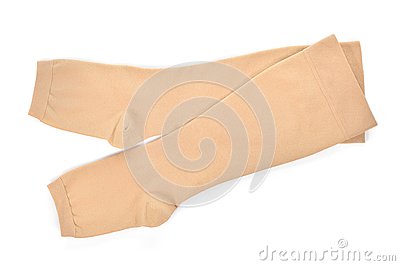
Dr. SM: Treatment of varicose veins during pregnancy is mainly conservative. Conservative treatment involves use of compression (elastic) stockings, regular exercises, elevation of legs at night and during rest periods during the day. Weight control is also very important.
The compression stockings are designed to squeeze the leg muscles, encouraging blood to flow upwards towards the heart. Surgery should be done only for the very severe cases where conservative measures have failed. Varicose veins usually improve after child birth.
MT: Are Varicose Veins in Pregnancy Preventable?
Dr. SM: Development of varicose veins in pregnancy can be prevented in the following ways:
– Engage in regular exercises which increase circulation of blood (exercises that last at least 30 minutes daily)
– Take frequent breaks to walk around and stretch your legs
– Elevate your feet every so often
– Make it a habit not to cross your legs as this is not recommended for pregnant women
– Avoid too much weight gain during pregnancy.
– Sleeping on the left side improves blood return back to the heart and this reduces pressure on the veins in the legs.
The good thing is that varicose veins get better after delivery, when the uterus is no longer exerting pressure on the large vein (inferior vena cava).
MT: Thanks Dr. Mutiso.
So now you know. Share this info with any pregnant woman you know. Have a lovely day. Dr. Stephen Mutiso is based at KNH in Nairobi. He provides a wide range of gynaecological services including: antenatal care, delivery (normal and caesarean), infertility treatment, fibroids, fistula treatment, and screening for reproductive tract cancers and other gynaecological procedures.
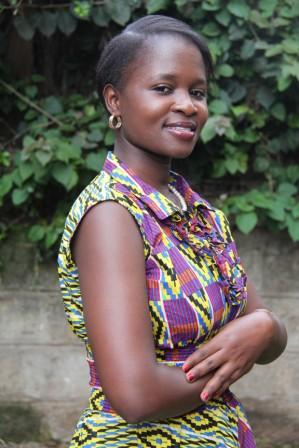
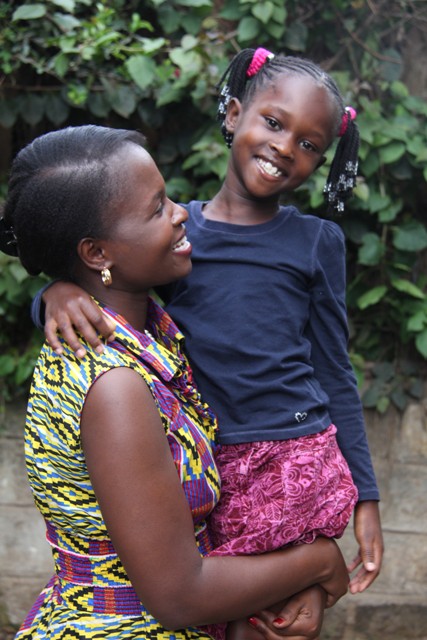
Last Saturday, I met Jane Mghambi Otieno, mother to a seven-year old daughter Miriam Adhiambo. Jane had her daughter when she was a form three student at Bura Girls High School in Coast Province. Infact, by the time she was discovering she was expecting, she was already five months pregnant!
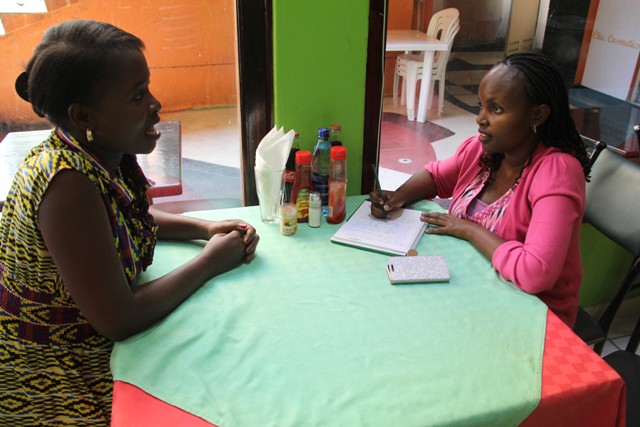
I had a chat with her about how it all happened, and what she learnt from her experience as a teenage mother. I originally published this article in the Nation.
Growing up, Jane was that kind of child that was the envy of many. She stood out among her peers, often being given leadership roles. She was a class prefect throughout primary school from class one to class eight, and when she joined secondary school, she was made prefect in the first week.
“I noticed that whenever I made a suggestion, most people seemed to be in agreement with me, and whenever I championed a cause, a majority would rally behind me,” she says, adding that everybody paid attention when she spoke.
Leadership seemed to come naturally for this second born in a family of four children. Jane was not only a role model in school, but in her neighbourhood and church as well. She was a disciplined and obedient girl who was admired for her warm and charming personality.
Her father was a senior pastor while her mother was very active in church. As you can imagine, theirs was considered a model family.
In her early teens, Jane grew close to a young man, a neighbour, also in his teens. He was Muslim, but they were in love, and their religious differences did not bother them at the time.
Two years later however, her boyfriend asked her to convert to Islam, but it was a big step, one she was unwilling to take.
“That was out of question because I was grounded in my faith and I told him as much,” she says.
But with no compromise in sight from either side, they decided to part ways. That was in December 2006 – Jane was 16 years old and in Form Two. The following year, she went back to school determined to solely focus on her studies. All was well that term, apart from a brief period when she was had vomiting spells. When she went to hospital, she was told that she had malaria and given medication.
However, one day, over the April holidays, her mother asked her to accompany her to hospital. She wondered why, yet she was not feeling unwell. But she obeyed her mother anyway. On the way there, her mother surprised her by asking her if she was pregnant.
“I was shocked, wondering why on earth my mother would suspect pregnancy. Besides, I was sure I was not pregnant because I had long broken up with my boyfriend. It had been over four months since I last had sex, so it was impossible,” she remembers.
Even though Jane and her boyfriend had not been using any contraceptives for the two years they were sexually active, she never once thought she would fall pregnant.
“My boyfriend had told me not to worry about contraceptives because I was too young to get pregnant. When I did not conceive for months despite regular unprotected sex with him, I concluded he was right.”
So for her mother to insinuate pregnancy was completely out of order, she reckoned.
At the hospital, her urine sample was taken, with the results being shared only with her mother. Once out of the doctor’s room, her mother asked Jane to accompany her to a nearby hotel for a meal.
It was while enjoying the meal that her mother dropped the bombshell. She bluntly asked Jane: “who is the father?”
Despite her not having received her periods for four months, Jane had not been alarmed for she thought they were just irregular. And besides, she had always believed her boyfriend’s words – that she was too young to get pregnant. But she knew there was no way her mother could be bluffing.
“I could not believe it. How could I be pregnant? How had it happened? My mother had given me the ‘sex talk’ many times. We had also been taught sex education in school, in church and in the numerous youth camps I had attended. I had all the information I needed, yet I had disregarded it, and went on to have unprotected sex – I was disappointed in myself.”
Jane (left) and I during my interview with her for this article.Jane was in for further shock when she was informed that her pregnancy was already five months old. How, yet her physique had not changed much and she still easily fitted into her clothes? Turns out that the malaria diagnosis she had been given after the vomiting spells had actually been morning sickness!
But Jane thanks God for her mother and how she handled the pregnancy news.
“My mom expressed her disappointment in me, but she told me that since it had happened, we needed to accept it and move forward. I could see the hurt in her eyes, but she did not raise her voice, she was calm. This comforted me, knowing that I had her support despite the obvious disappointment.”
Though her mother had assured her that she would stand by her, the thought of how her father would react drove her to tears.
“My father was a very strict man, a disciplinarian, and a respected leader in the community. A senior pastor. He had sacrificed so much to ensure we got a good education, yet here I was, pregnant. I had failed him, and I was certain he would never forgive me.”
For a week, Jane avoided her father, staying locked up in her bedroom whenever he was around. At one point, she even contemplated suicide, rather than face him. Were it not for her mother’s constant care and reassurance, she says she would have done it.
“The shame, embarrassment and pain I had caused him was too much for me to handle. I wanted to die.”
One morning, her father summoned her. The first words he said crushed the faint hope that she would one day get her father’s forgiveness. He said: “You have chosen to shame me?”
“I cried as I apologized, saying how sorry I was, assuring him that it would never happen again, that I could still make him a proud father someday,” she remembers.
Her father listened to her intently, but said nothing, instead walking away. Jane was left feeling horrible.
After that incident, Jane wrote a letter to her boyfriend, informing him of the pregnancy. He did not deny responsibility, and a few weeks later, arrived at her parents’ house accompanied by several relatives.
“He admitted to being responsible for my pregnancy and said he was ready to marry me. His family was very well known to us since we were neighbours and had been friends for years.
Our families had respectful discussions about the matter, but my father made it clear that I was not going to get married at that young age, since he wanted me to go back to school after having my baby.”
By then, news of her pregnancy had spread fast in her school, neighbourhood and church. The pastor’s daughter, the disciplined, obedient girl, the role model and leader was now the joke of the neighbourhood. Wherever she went, she would notice the judgemental stares and whispers.
Some of her friends urged her to have an abortion and in fact, one even generously offered her Sh10,000 to get it done, telling her that she was too young to be a mother, too bright to be a school dropout.
“It was not a loan, but a ‘helpful’ gesture from someone who believed in my promising future, but I did not take the money – I just could not consider having an abortion.”
But the most humiliating moment for her was when she had to adhere to the requirements of her church, the stipulated penalty for ‘sexual sin’. Guilty congregants had to publicly confess and seek apology from church members for their sin, and that is exactly what she did.
She remembers that day vividly.
“It was at the main service on a Sunday. Word had gone round that I would be making a public apology that day, so the church was full to capacity. In the middle of the service, the pastor called me to “say something.” As I walked to the front of the church, my head bowed in shame, my stomach now visibly protruding, I felt like dying. I took the microphone, and with the little courage I had left, I apologized to the church for sinning, apologized for letting them down and asked for their forgiveness.”
But it is what happened next that took her by complete surprise.
“I was supposed to apologize, ask for forgiveness, and then return to my seat, but just after I finished talking, my father rose from his seat, walked over to me and embraced me. As he hugged me, he told me that he had forgiven me, and that everything was going to be fine. He told me that he loved me, and that he was going to take care of me and my child. Tears streamed down my face as he said those words to me, as he held me close. I cannot describe the relief I felt, knowing that my father had forgiven me. Nothing else mattered after that,” Jane says.
As he led her back to a seat next to him, she held her head high, no longer ashamed. Her father’s assurance of his love had given her a new lease of life.
Jane started her antenatal clinics at six months pregnant, with her mother accompanying her that first visit.
“Mother took good care of me during the pregnancy, ensuring that I ate well and even regularly taking me for brisk walks, telling me that this mild exercise would ease my delivery.”
In August 2007, Jane delivered a healthy baby girl, weighing 3kg. Her parents were present at the hospital to receive the baby, who they proudly showed off to visitors.
Three months after the birth, Jane’s father began searching for a school for her. By then, the family had moved from Voi, Taita Taveta County, where she grew up, to Nairobi. He managed to secure an interview for her at a day school not far from where they lived. Jane passed the interview, and the following year, joined the school as a Form Three student.
“I was a student by day and a mother by night. Each evening after school, I would bath my daughter, wash her clothes and prepare her food for the following day. My mother took care of her during the day.”
To ease her parent’s financial burden of taking care of both she and her daughter, Jane would buy groundnuts and mabuyu at a wholesale price from her aunt in Voi, which she would then sell at a retail price to her friends in school. In a day, she would make a profit of about Sh 200.
“I used this money to buy diapers, milk and clothes for my daughter,” she says.
Later that year, during third term, Jane’s classmates and teachers urged her to vie for the headgirl’s position. She took up the challenge, sent an application letter stating her interest in the position, and after a vetting process by the election board, she began her campaign.
“I got 99 per cent of the votes to become headgirl, a position I held until I completed Form Four.”
She performed well in her final exams and was invited to join Kenyatta University, where she studied Economics and Finance. Here, she was a class representative from her first to fourth year. Today, Jane works at a leadership institute in Nairobi.
Besides this, she also regularly visits schools where she shares her experience with the students, hoping that it will encourage them to make more informed choices. She also encourages parents to have the kind of relationship with their children where their children can feel free to come to them with any issue at all, including when they have made mistakes.
“Some young girls end up procuring backstreet abortions many of which either kill them or leave them physically and emotionally damaged. Some children even prefer to commit suicide rather than face their parents when they have failed in something. I encourage parents to have an open-door policy with their children, to let them know that no matter what, they will still support them,” she says.
Jane is not in contact with her daughter’s father, but she is at peace with this, since, as she explains, they had already broken up before she discovered she was pregnant.
She has found love a second time, and is engaged and looking forward to getting married soon. Currently she lives with her parents, who dot over their granddaughter, Miriam.
“I think my dad loves my daughter much more than I do,” she jokes.
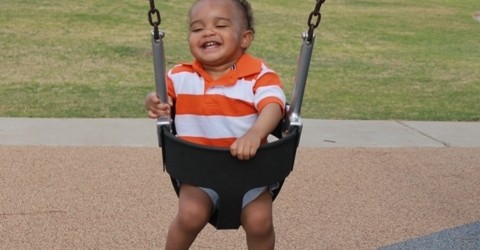
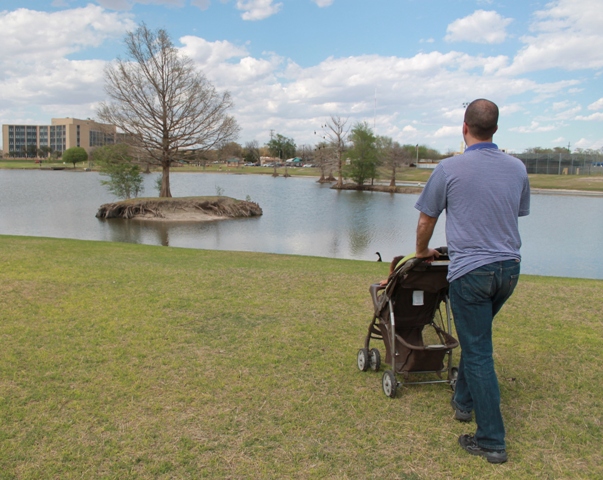
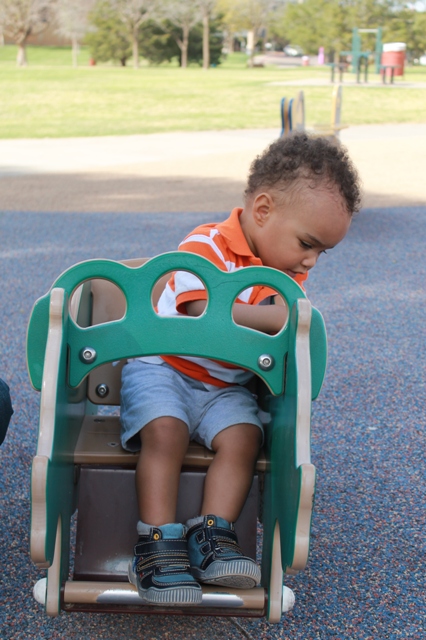
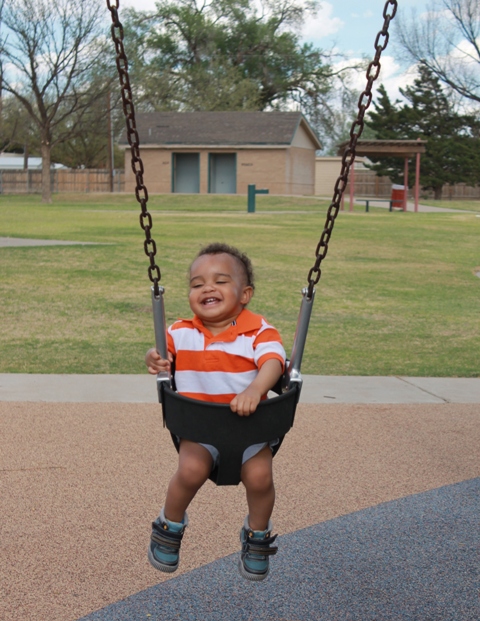
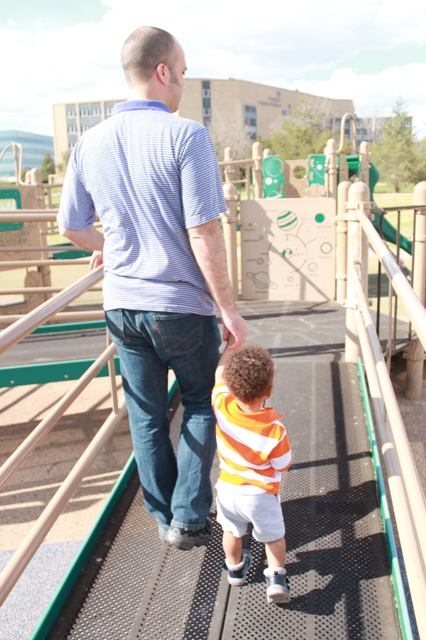
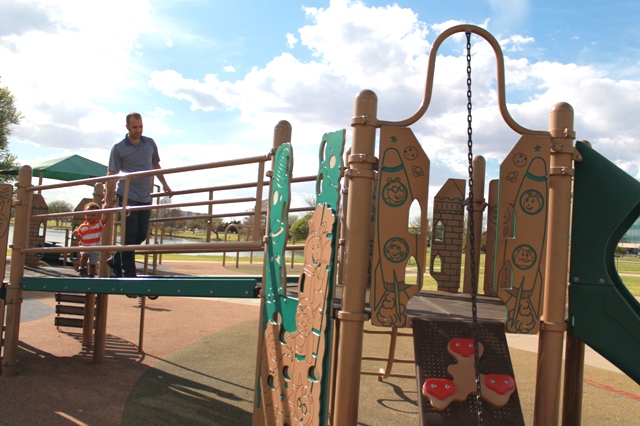
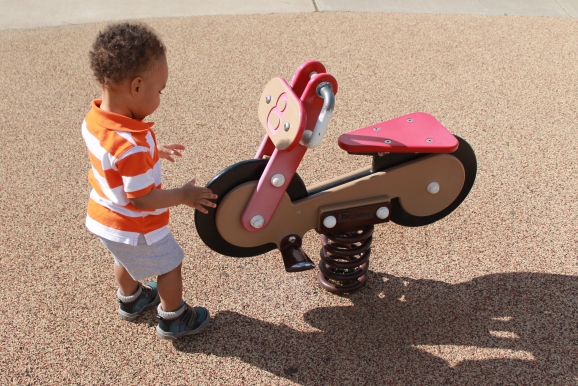
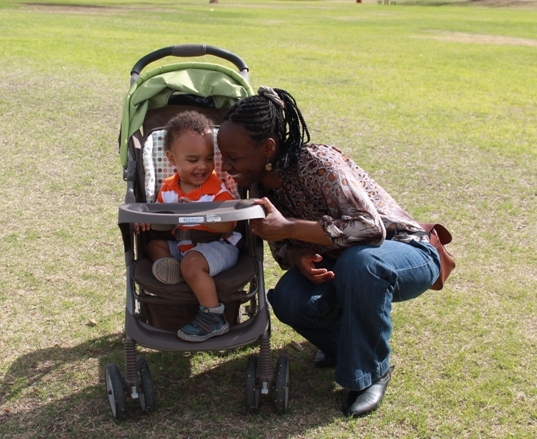
Nabubwaya Chambers is a Kenyan mom living in Texas, USA with her husband and their 17-month old son Lema. Nabubwaya loves sharing her motherhood experiences with us here and this week, she lets us know how they spend some of their outdoor bonding sessions as a family. Read on.
“One of the reasons why my husband and I absolutely anticipates the weekends is because we get to take our boy Lema to the park. He loves to play at the swings, take walks, ride in his stroller, watch the fishes and the ducks swimming in the lake, and just be outside feeling the cool breeze on a great, spring day. It is like every day at the park is a brand new experience for him. The smile on his face and the flooding joy that consumes him makes me happy. I enjoy watching my little boy while at the park. It reminds me of how beautiful it is to stop and enjoy the simple things in life. Here are some photos from the park.”
I’m sure you know Boniface Mwangi. He certainly needs no introduction. But incase you don’t know him, he is ‘that activist guy’. Google for more info.
Bonficace is a husband and father of three. The road to fatherhood has not been so smooth though. In his words:
“8th March 2008 is the day l got married and this Sunday, my wife and I shall be celebrating our 7th wedding anniversary by joining the First Lady at the Beyond Zero marathon.
Taking part in the First Lady’s marathon for me is personal;
On June 2, 2009 we lost our unborn baby and my wife almost died from complications that followed. If I can spare another family the kind of agony my family and I went through from this horrible ordeal by running in this marathon, then I am in no doubt that I must run this race. My wife and I shall also be donating Sh100,000 to the First Lady’s 2015 half marathon.
The second reason I will be running in the First Lady’s marathon is that we need to support Margaret Kenyatta who has chosen to take up maternal mortality and literally, run with it. The 8 March 2015 race targets to raise Sh600 million for the campaign.
Margaret spearheads her campaign as an active citizen. Active citizens aren’t those who complain and whine about a problem but those who take a firm stand. An active citizen (otherwise called an activist) is someone who sees a problem and takes a step to do something about it. I wish we could all follow her example and do more than just threaten or promise to take action.
On Sunday, my family shall join the First Lady in the marathon. We should all support Margaret to help her meet her target soon so that she can embark on other Kenya-changing campaigns. After all, she doesn’t just say she will run, she actually runs. While others threaten to take action and post #hashtags and selfies, she is busy doing her best to reduce maternal mortality.“
So that’s why Bonny will be running for Beyond Zero. I too will be joining the First Lady tomorrow, and in this post I wrote yesterday, I shared why doing so is important to me.














 So I tried out Arimi’s on the nappy rash. And the rash disappeared. Just like that. Needless to say that since then, I have been an Arimi’s convert. In fact, I moved on from using it for nappy rash to use on myself. I use it for my hands, my feet and sometimes on my lips too. *hiding*.
 What I do know for a fact is that we mothers tend to take word of mouth referrals very seriously. If something has worked one mum or her baby, I will be sure to give it a try. Because of her strong sentiments about the product, I can tell you for sure that I will select that product over the one that is highly advertised on television, newspapers or billboards. I will be more than eager to try out what another mum has used and has worked for her. I will go out and buy it, even if it is a product meant for cows.
 Mummy Tales is a platform dedicated to empowering its readers on different aspects of womanhood and motherhood. Read more motherhood experiences of Kenyan moms here. Connect with Mummy Tales on: FACEBOOK l YOU TUBE l INSTAGRAM l TWITTER