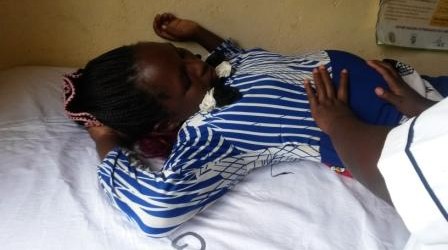
Two weeks ago, as I was undertaking some research for an article on sexual abuse on women and why some fail to report these cases, there was something in the four out of six interviewees I spoke to that piqued my interest.
One lady, a 19-year-old college student shared about her rape ordeal two years ago. Having been introduced to the man by a fellow comrade, and with all three having gone out on four different occasions for some drinks and dance, she felt comfortable enough to accept the dinner date he proposed. The dinner went well and later on, as he drove to his house, she was not alarmed for she knew that the well-mannered, highly educated and respectable man would cause her no harm.
But she was wrong.
Despite her saying ‘no’ to his sexual advances, the man raped her repeatedly in his house before ordering her to take a shower and dropping her back to her hostel. Feeling violated and angered, she wanted nothing more than to see to it that the man faced the law. But one thing held her back: her mother.
How so?
Her mother would be heartbroken, devastated if she learnt of the rape incident. This lady is the last born –an only girl among four boys. She was certain her mother, who had raised her up so well and given her enough talks about ‘men’ would never recover, imagining what the rape episode had been like for her daughter.
“My mother would die if she knew I had been raped. That’s why I never told a soul,” she told me.
The second lady I spoke to said that she had suffered sexual abuse in the hands of a male relative who lived in their home when she was a teenager. The now 27-year-old never disclosed the incident to anyone because she feared what it would do to her mother –a widow who was already struggling with her three children.
The relative who had raped her was her first cousin –whose father (her uncle) had been very helpful in supporting her mother after her husband –his brother died. In fact, this uncle had been paying part of her school fees. After agonizing for days over whether to report the incident, while reflecting on the difficult situation she would put her mother in with regard to family relations, she decided to keep mum about it.
The other two ladies I spoke to shared almost similar sentiments. The main reason why they did not speak out about their rape ordeals was because they did not want to stress their mothers. Their mothers already had enough problems so no need to raise their pressure levels. Further, when they thought of the blame, shame and ridicule society puts on rape victims, and more so, the devastating effects it would have on their moms, they chose silence. They chose to go to the grave with their secret rather than subject their mothers to that kind of pain.
If you talk to any mother, they will tell you that they will do anything to protect their children, including laying down their lives for them. They do their best to create a protected environment for them, environments that will allow them to prosper and become responsible adults.
But sometimes, even with the best laid protection plans, some things do happen.
And it got me thinking –isn’t it so sad that parents, and in the cases mentioned above -mothers put in so many protective measures for their daughters, such that the children are similarly willing to protect them from any form of hurt –at the expense of their own physical, emotional, mental and psychological health?
How can we as parents create an environment where our children can have no reservations whatsoever to come to us with any issue that is troubling them –regardless of perceived consequences?
What would you want your daughter to do in such a circumstance? To tell you or to keep mum?
*I first published this article in my weekly parenting column in The Star.
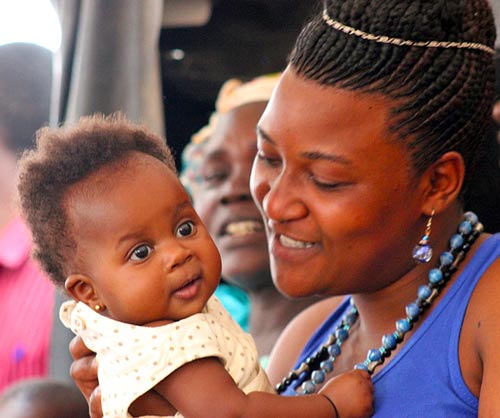
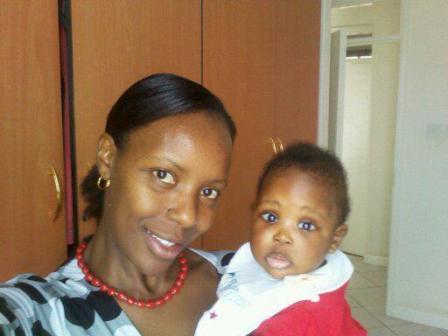
A happy mother and her child. Courtesy: Photoshare
Faith Oneya is a journalist and creative writer. And she’s very good in market research too. Faith is mom to one beautiful baby girl called Imora, who is almost a year old. When she told me her baby’s name, it sounded so beautiful I had to ask her what it mean. She told me Imora means ”you make me happy” in Luo. Lovely!
So Faith would like to share with us her breastfeeding experience. As I have come to discover -from my own personal experience, and from the experiences of almost every other mother that I talk to, breastfeeding did not come easy. Nope, not at all. Faith today offers us insights into her own experience. And she has some lessons for first time moms to learn as well. Read on…
“I hate to admit it, but I am sort of a know-it-all. Actually I am a know-it-all. I don’t know the roots of this attitude exactly, but I certainly know that it worked out terribly for me as a new mother.
You see, when I was pregnant with my daughter, instead of asking veteran mothers questions, I Googled and Googled then Googled some more. I read all the “How To” motherhood books I could lay my hands on and YouTubed “little” things like breastfeeding, changing baby diapers and washing baby.
I remember a mummy friend suggesting to me to go for classes on motherhood at one of the local hospitals.
“What for?” I shrugged.
“They can teach you how to deal with your baby as a new mum,” she replied.
“I’m a reader,” I replied, slightly annoyed. “I have read all I need to know about motherhood, I do not need those tu-lectures on the same.”
And that marked the beginning of my downfall.
My pregnancy was smooth. Everything went like Google and “What to Expect when Expecting” book said it would.
After twelve hours of labour, I held a healthy, beautiful baby girl in my arms, ready to start applying the knowledge I had accumulated in excess on the poor little child.
“Breastfeed the baby immediately,” the doctor advised.
I put my baby girl on my breast, just like Youtube had taught me. But….nothing.
“Why is she not breastfeeding?”I asked anxiously, turning virtual pages in my head trying to think of which page in the books I had read had some advice on breastfeeding. The nurse, a sturdy woman who looked like a retired weightlifter, lifted my breast and shoved it into the baby’s mouth. To say I was uncomfortable is an understatement.
Baby struggled to feed for the next two days. Eventually, she had to be put on formula. Needless to say that I walked out of the hospital on the third day with wounds for breasts.
In retrospect, I should have refused to leave the hospital until I could breastfeed without pain or anguish. But I was itching to go back to my other bible at the time: “Secrets of the Baby Whisperer” to learn how to breastfeed.
I spent the next six weeks crying each time the baby breastfed whilst madly searching online for solutions. I bought creams, popped painkillers and prayed -but nothing seemed to work. And then I decided to do what I should have done in the first place. I asked for help.
I called up my friends who were mothers. I called up my friends’ mothers. I talked to people on Kilimani Mums and Pregnant Mum Support Group on Facebook.
I got encouragement, suggestions and cheap, workable solutions for my problem. I was referred to a lactation specialist who, thank heavens, was also a trained counsellor. She charged me consultation fees, yes, but gave me so much value for my money that I almost cried in gratitude. I used breast shells on her recommendation and little by little, my healing started.
The shells protected my breasts from further damage or contact with my clothes. I also kept moisturizing and holding my baby the right way so that she could latch on to the breast properly.
“Speak positive things to yourself. Tell yourself you are a great mother. You wake up three or more times at night to feed your baby. Tell yourself you will breastfeed without pain one day. You carried her for nine months. Laboured for hours and finally got her. She is a healthy, beautiful girl. You must be doing something right,” I remember her saying.
I went to the supermarket after that talk and got myself yellow sticky notes. I wrote down every word that she had said, even added my own like: “You are beautiful”, “You are a great mum”, “You have such a cute baby” and stuck them on the bed’s headboard.
My husband was puzzled when he came home later that day and I could see him struggling not to ask what was going on.
“I am tired of negativity in my life,” I offered before he could ask.
He nodded. Perhaps understanding that it was not in his place to understand what was going on. The journey to pain-free breastfeeding was painful, slow but totally rewarding in the end. I learned the hard way that friendship and advice from people that care for you cannot be Googled.“
So that is Faith’s breastfeeding experience. Definitely insightful. From all the brestfeeding experiences I hear from fellow moms – myself included – breastfeeding truly did not come easy. Ah-ah. Not at all. But you know what all moms say? That asking for help is very important. Moms, don’t be afraid to ask for help. You need it. Hope this helps!
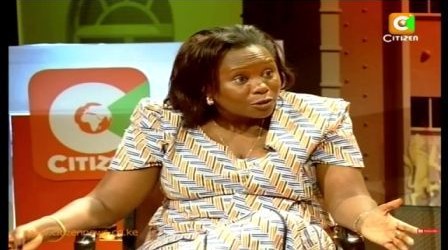
Anne Mawathe of Citizen TV recently brought the story of Migori County women’s representative Dennitah Ghati. Dennitah, a former journalist and mom to a five year-old girl survived a horrific road accident last year in March.
After going through episodes of denial and now acceptance, this parliamentarian is today speaking out about her experience and adjustment to her new life -that of someone with disability.
Dennitah is keen on bringing change in the attitudes that society has towards people with disability, where their basic concerns are hardly ever given the priority they deserve.
Dennitah was making her second appearance on Citizen TV’s ‘Strength of a Woman’ segment, having been featured previously in June 2013.
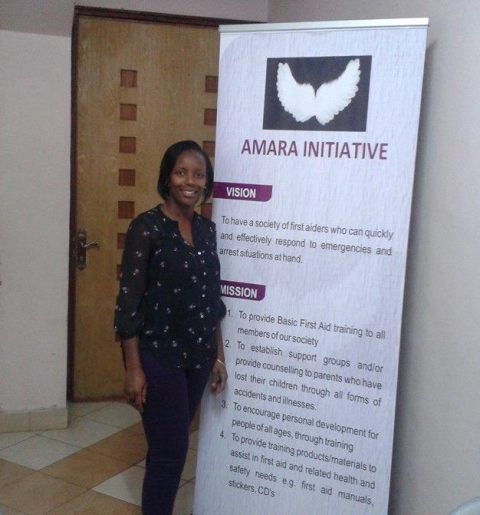
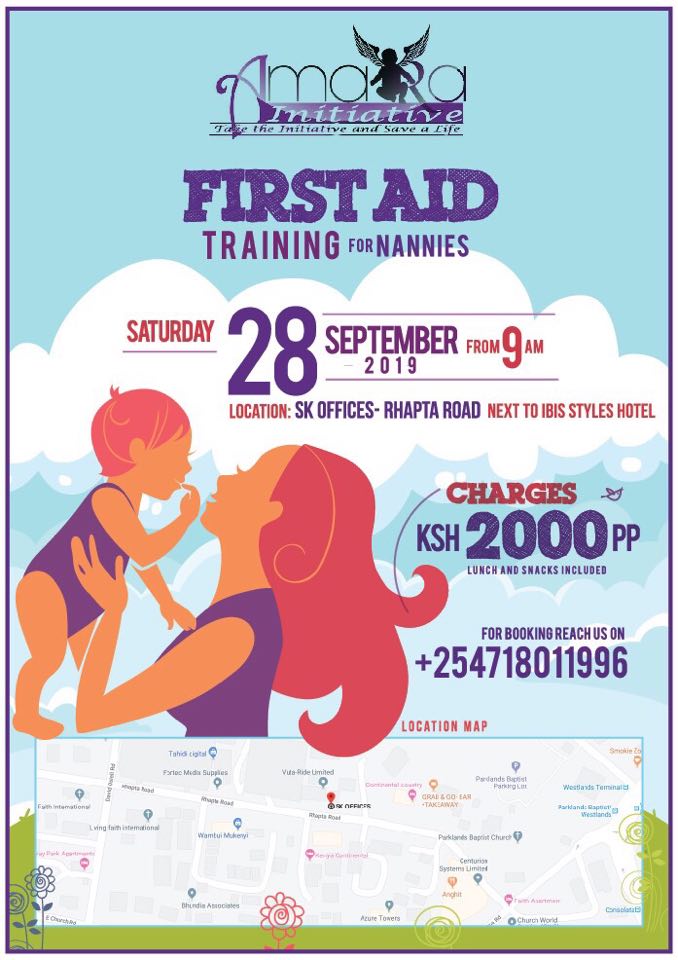
Current info to note: There will be a First Aid training by the Amara Initiative on Saturday 28 September 2019. More details on the poster at the end of this article.
In August 2011, Alice and Anthony Kibagendi who had gotten married the year before welcomed their first child, a daughter whom they named Amara.
“Amara was a very beautiful, sweet and bubbly baby who brightened up our lives. Every day, my husband and I would look forward to our return home to spend time with our little princess,” Alice remembers.
Alice and her daughter Amara.
But on the evening of 2 March 2012, the worst happened. Amara choked while being fed on a meal of mashed potatoes mixed with milk by her nanny. While feeding, Amara started coughing persistently and on noticing this, her nanny began patting her back. When Amara started going faint, her nanny raised the alarm.
Good samaritans came to the rescue. However, baby Amara was already unresponsive, and so began the rush to hospital. One of these good samaritans, a nurse, performed First Aid on Amara as they headed to hospital but unfortunately, Amara was pronounced dead on arrival. She passed away at the tender age of just six months. Her parents were crushed.
“It was sudden, something we had never imagined would happen. It was unbelievable that she was with us one minute, and the next she was gone, without warning. Losing a child is the worst form of tragedy that any parent can go through. It is a kind of pain that pierces right through your heart,” Alice says.
The days after Amara’s passing -as the family made burial plans, were particularly excruciating.
“I was in shock. I asked God so many questions but never seemed to get answers. I cried until I could cry no more,” she says.
But as friends and relatives streamed into the Kibagendi home to comfort them, Alice picked up something in the words of comfort they received from the countless visitors.
“Many would tell me that they knew of other babies who had choked, that I should take heart because ‘these things happen to many babies’. Almost everyone who visited me had a story to share about a baby who had choked. Some mothers had actually been the ones feeding their own babies when they choked to death. Even in my own sorrow, my heart wept for these moms. I could only imagine their pain and the blame they heaped on themselves for the tragedy,” she says.
Prior to baby Amara’s passing, Alice had only ever heard of one other choking incident in a baby. And even then, she had asked herself thousands of questions on a cause of death that she viewed as preventable.
“I wondered what the housegirl had been doing at the time the child was choking. Was she engaged in other chores? Was she watching television perhaps? Was she on the phone maybe? What exactly had she been doing that led to the baby’s choking,” Alice had wondered.
But there she was now, mourning her own daughter — a death in similar circumstances. Her nanny had not been doing other things. She had not been watching television. She had not been on the phone. She had been feeding Amara. It had been an accident.
When baby Amara choked, Alice was at work. The more she replayed her daughter’s last moments, the more she questioned herself, wondering if she herself would have been capable of saving Amara had she been present.
“I asked myself if I really knew how to handle a baby who was choking. The more I asked myself, the more I realized that I did not really know how to properly assist a choking person — a clearly life-threatening medical emergency.”
Her desire to fill this knowledge gap is what led Alice to enroll for a basic First Aid course.
“I didn’t want to be unprepared in case the need ever arose. Choking could happen to anyone — whether a child or an adult — and I wanted to be equipped with the right knowledge and skills on how to handle such an emergency,” she says.
Alice mobilized many members of her family and friends to attend the basic First Aid training as well. Even after the training, she continued to research more on First Aid. She would spend her days watching videos on the internet and reading hundreds of articles on the same. She would then share all she had learnt with her friends mostly through her Facebook account.
“I would receive numerous responses, with most people asking me where they could be trained on basic First Aid. Many of them were parents with little babies. I understood where they were coming from.”
Alice then realized that her friends represented thousands of other people out there — people who needed to be equipped with basic First Aid skills. She decided to do something about it.
In June 2012, just three months after baby Amara’s death, she set up the Amara Initiative.
“The goal of Amara Initiative is to ensure that as many people in society have the skills necessary to intervene in a life-threatening situation before professional medical assistance arrives. This, after realizing that both children and adults die in situations where basic First Aid could have saved their lives.”
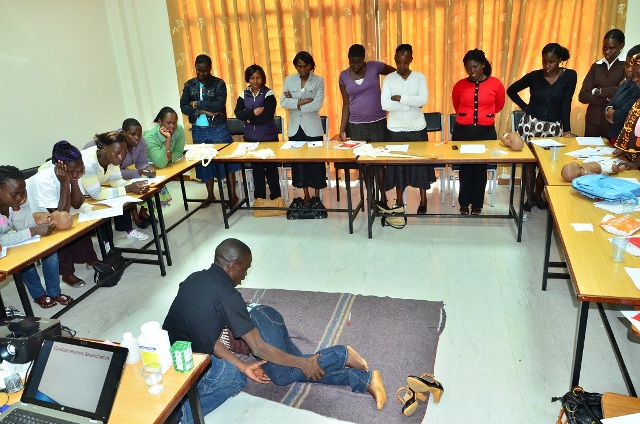
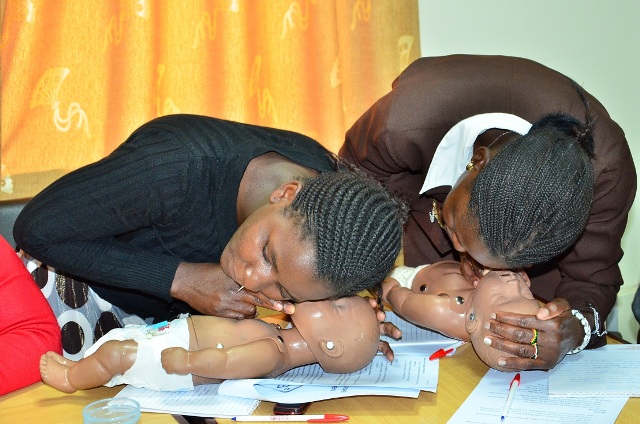
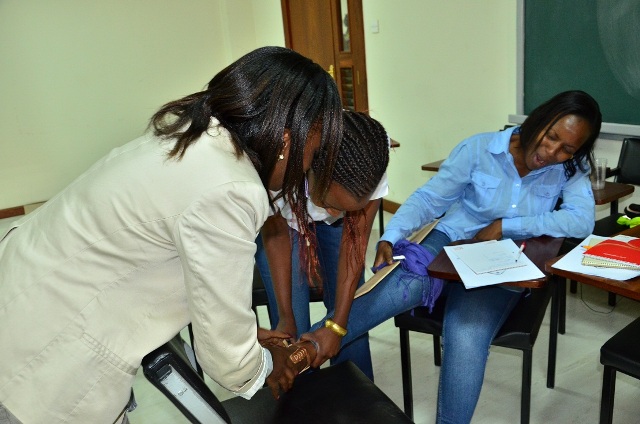
Once a month, the Amara Initiative would conduct a basic First Aid training. Participants were mainly composed of parents with young children (employers) and their employees (nannies). Among others, the training curriculum includes not only choking, but accidents around the house, such as poisoning, burns, cuts, bites, stings, falls and even instances of children drowning in buckets of water.
But as the training progressed, Alice noticed something among the participants.
“I realized that putting employers and employees in one class did not work well. Many of the nannies felt intimidated learning together with their employers which made them uneasy during the day-long training. Aside from that, their learning paces were different — some nannies were illiterate and did not know how to read and write and so did not grasp issues as easily as their educated employers did,” she says.
With this realization, Alice changed strategy and began offering separate training sessions for nannies and parents.
But the separation of nannies and parents led to another set of discoveries.
“As we talked to them about minimizing choking risks for babies, the nannies would open up and share details which we were previously not privy to. They revealed that some parents were very strict with their children’s meals and schedules. That their child had to eat at a certain time, finish all their food and be asleep by a certain time. This would force the caregiver to make the child eat quickly, sometimes force-feeding the child — one of the great risks for choking.
Sometimes, despite the child being visibly full, the nannies would still make him continue eating because of the parent’s insistence that the child clear his plate, or else the nanny would be liable. Scared of losing their job, the nannies would continue stuffing food in the child’s mouth — another risk factor for choking,” Alice says.
There were countless other such revelations that Alice and her team became aware of about feeding practices that put the children at increased risk for not only choking, but other accidents in the house as well. Instances where the employer leaves instructions on a long list of house chores that must be completed by a certain time, or else the nanny would be severely reprimanded. This pressure would make the nannies focus on their chores and forget to keep a close eye on baby leading to accidents around the house.
In addition, the nanny trainings also shed light on another aspect.
“Some nannies have grown up in rural areas and come with their own knowledge and remedies for certain situations. For example, if someone is bleeding, the best way they know how to contain the bleeding is apply raw banana juice or other herbs which are easily accessible in the village. But in an urban town, they do not know where to find these traditional remedies and are left stranded, yet the injured person continues to bleed and get worse. We shared all that we had learnt from the nannies with the other training group — mainly composed of parents, and this also helped inform our curriculum,” she says.
Three years on, the Amara Initiative continues to carry out monthly basic First Aid trainings. The classes are now mostly composed of nannies, sponsored to the course by their employers. Each class sees an average of 25 participants.
Since the launch of Amara Initiative, over 1,200 people — mostly nannies — have received training. Alice has never once missed a training.
“Since I began the initiative, I have received numerous calls, text messages and emails of people telling me that because of the First Aid skills they received for the Amara Initiative training, they are more confident about handling any emergency that may come along their way. I have had people tell me that they have actually applied the knowledge they received in an accident situation in their own home and saved the life of a dear one!”
Aside from the monthly trainings at a designated venue, Amara Initiative also conducts on-site trainings, such as in schools where they train teachers. Currently, Amara Initiative conducts its activities only in Nairobi, but Alice plans to expanding the Initiative’s work to other towns. She also hopes to produce educative basic First Aid videos and other learning material that are tailored to the Kenyan context.
The work of Amara Initiative is a daily source of inspiration for Alice. Through it, she believes that baby Amara continues to serve her purpose on earth.
“She may have been with us physically for a very short time — just six months — but her legacy lives on. Every other day, Amara helps save a life. She continues to be our pride and joy,” Alice says.
Alice and her husband Anthony Kibagendi have since been blessed with another daughter, baby Anaya, who is now four months old.
You can find Amara Initiative on Facebook or 0718 011 996 or info@amarainitiative.co.ke
See details below on upcoming First Aid training by Amara Initiative.
Have you gone through an experience in your parenting journey that you would like to share with other parents? Something that we could learn from? You may email me onmaryanne@mummytales.com
Nabubwaya Chambers is a Kenyan mom living in Texas, USA with her husband and their 16-month old son Lema. She loves sharing her motherhood experiences with us here and this week, she lets us know what her little boy has been up to.
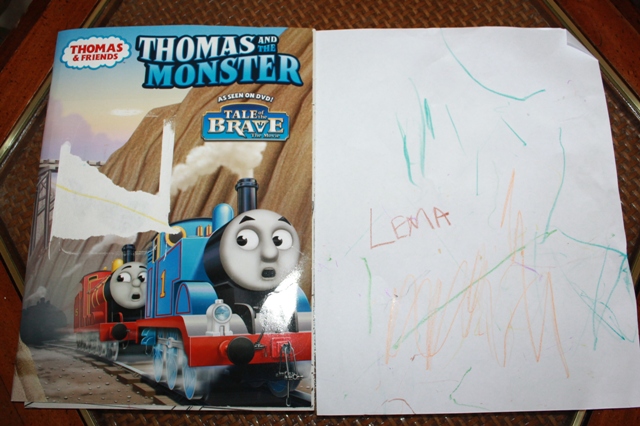
“Lema has been exploring the world of crayons, coloring, and paper. He has finally moved past the phase of wanting to consume his crayons to actually enjoying the art of coloring. He seems to understand what crayons are for.
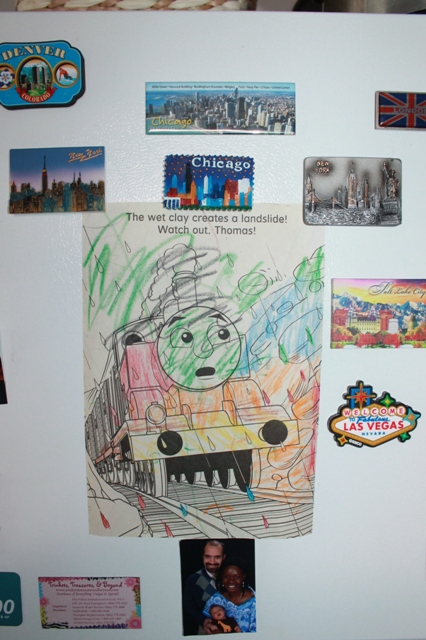
We have a book of Thomas the Train that he enjoys exploring. Also, we give him blank printing paper to color on then hang his work of art in his room, fridge, or put away in his coloring file. It’s good to appreciate our children’s effort at producing art for them and us. Instead of trashing their doodles, store them at an open location so you can proudly display their work. Perhaps a Picasso might be born someday in your family”.I loved this post of Nabubwaya today because Thomas the train is such a big hit in our house! From books, to tee-shirts, to toys, to duvet covers, to socks, to cardigans, I buy all of them because my boys Kitty and Ello are totally in love with Thomas and Emily and Gordon and Edward and Percy all those other friends of his (ours) .
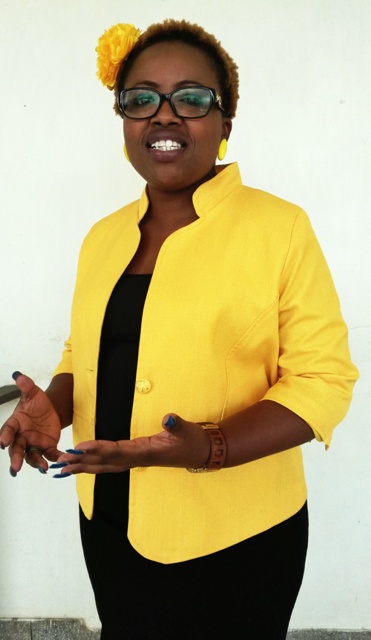
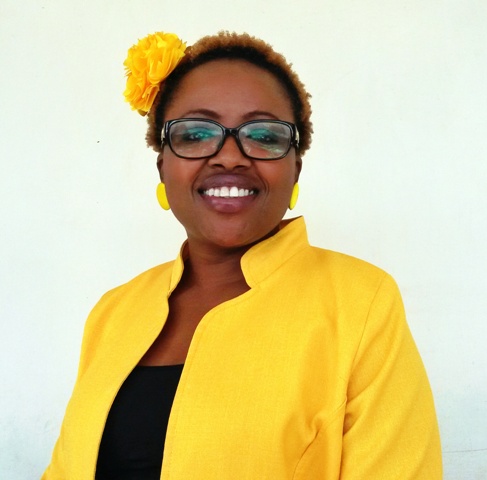
35-year-old Elsie Wandera began her periods when she was 13 years old and just like other young girls, she was excited at this significant milestone — the transition from girl to woman. But what she did not know then was that this development phase would be the cause of great anguish for her in years to come.
The anguish began when she was 15 years old and a high school student at Loreto Convent Msongari in Nairobi. While her periods had been without major incident since she had started them two years before, they suddenly became an agonizing experience for her.
“Every month, my periods would be accompanied by severe abdominal pain that would see me leave class many times to go lay down in the school’s sanatorium. I would feel as though the insides of my abdomen were being knotted, tugged at and pulled apart in all directions. It was as though my abdomen was being stabbed by a thousand knives.”
While for most teenage girls the monthly periods are a guarded issue, a personal private affair; this was not the same for Elsie.
“The entire school community would know when I was menstruating. From my fellow pupils to the teachers to the administration. It was something I could not hide and would make me feel very embarrassed. Many are the times that my mother would be called to come take me home,” Elsie remembers.
Every month, Elsie would have her classes interrupted because of the pain. Sometimes, she would have to miss days of school during her period, which would last on average three days.
Even worse was the stigma she would face from her peers.
“My schoolmates would tell me that period cramps were something normal that they all dealt with and could therefore not understand why I made such a big deal of mine. Why did I have to create so much hullabaloo about it? They accused me of being an attention seeker. I found this to be very hurtful.”
After high school, Elsie joined Daystar University. But the pain would only get worse, where she would miss lots of classes each month. All that time, Elsie survived on painkillers. She had become so used to oral painkillers and had now graduated to pain-relieving injections which she would get from a hospital.
Finally, at 26, when the pain became unbearable, Elsie decided to see a gynaecologist.
“The doctor took me through a series of tests, including a laparoscopic exam that gave a diagnosis of endometriosis. In layman terms, the doctor said my uterus was growing ‘inside out’,” remembers Elsie.
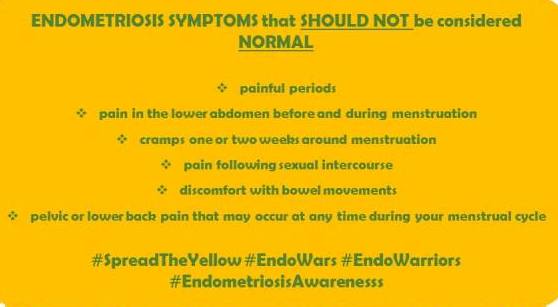
In medical terms, endometriosis is a condition where the tissue that normally lines the insides of the uterus grow outside the uterus. The tissues can grow on the ovaries, fallopian tubes, the outer wall of the uterus, intestines or other organs in the belly. Sometimes they can be found in areas beyond the belly. During each menstrual cycle, the displaced endometrial tissue thickens, breaks down and bleeds — as it normally would if it were in the uterus. Because of this abnormality, the time before and during the menstrual period can be a very painful experience. Endometriosis is usually categorized as a long-lasting chronic disease.
During Elsie’s laparoscopy, the doctor also realized that she had an ovarian cyst (endometrioma) that was close to rupturing. An endometrioma is a type of cyst that is formed when the endometrial tissue grows in the ovaries. Following this revelation, Elsie had to undergo immediate surgery to remove the cyst. She was then placed on hormone therapy for the next six months.
“It was great relief for me for those six months because I did not have periods. It felt like heaven. Even though I experienced menopausal symptoms such as hot flashes and mood swings, I embraced them because they were nothing compared to the period pain.”
After the six months of treatment, Elsie’s period resumed. But she was not prepared for what followed next.
“The severe pain was back! I was devastated. I had undergone surgery and hormone therapy for six months, yet there seemed to be no difference! I felt cheated!”
When Elsie returned to the gynaecologist, he informed her that the surgery and hormone therapy was not intended to cure her endometriosis, but to relieve the symptoms and create a hormonal balance.
“I wish he had made that clear to me at the beginning of the treatment because I had been so hopeful that my life would finally be free of pain each month,” a disappointed Elsie recalls.
At that time, Elsie was working in the corporate sector and would miss many days off work during her menses. Thankfully, she had a supportive boss and colleagues who always understood when she had to be away.
Interestingly, the doctor would suggest a solution for her.
“He told me that I needed to get pregnant as soon as possible, or else I would never be able to get a child, that the endometriosis would only get worse with age, and that women with my condition experienced high infertility rates. So in a panic, I decided to follow his advice.”
But it was not easy.
“For starters, sex was always a very painful experience for me. I never enjoyed it at all because my uterus was so sensitive and the act of intercourse would only ignite unbearable pain.”
But because she was scared of not becoming a mother someday, she began nagging her boyfriend about having a baby. But he was not prepared for fatherhood and it could be the reason why after a few months, the couple parted ways.
“I don’t think it’s a good idea for doctors to advise women with endometriosis to get pregnant. Dating couples may not be ready to have a baby yet and this could lead to conflict. If in a marriage, it can put undue pressure on the couple. A child should be a gift, not a solution to pain,” she says.
With surgery, hormone therapy and painkillers not working, Elsie continued to live her life, having accepted the nightmare of her menstrual cycle.
But in 2014, the pain became so bad that she had to go in for a second surgery after tests revealed that she had developed another ovarian cyst that was at the point of rupture.
She underwent the surgery in September last year and was once again placed on hormone therapy for six months. She is just about to complete the treatment and is hopeful that this time round, the period pain will be relieved.
“I will not get my hopes up this time round. I only hope that the pain will not be as bad,” she says.
In October last year, just after the surgery, Elsie decided to make public her journey with endometriosis.
“I have undergone so much pain and suffering for close to two decades. I have however been lucky to have the support of family and friends. It has not been an easy journey though, as it has been wrought with many frustrations, pain, anger, enormous expenses and even lost relationships. I want to walk this journey with other women.”
Elsie Wandera formed an online support group on Facebook — Endo Journey 254 — to raise awareness about endometriosis.
“Group members share information about endometriosis. We share our own personal experiences and learn from each other. We find relief in knowing that there are other women who have lived their lives with similar pains and experiences. It is a forum where no one judges you, but accepts you. I have learnt that many women suffer in silence because of the stigma associated with periods. It is termed as a ‘woman’s issue’ and the woman is left to deal with it on her own.
Medical treatment is also very expensive. Consulting a specialist doctor will cost you no less than Sh2,500 per visit. My first hormone therapy dose cost me Sh25,000 monthly, and I took it for six months. The hormone therapy I’m currently on is much cheaper — at a cost of Sh2,000 monthly. My second surgery cost me about Sh300,000. Most insurance providers do not cover for these costs as endometriosis is classified as a pre-existing and chronic condition,” she says.
Elsie hopes to lobby the government to reduce endometriosis management drugs. She also hopes to lobby for the inclusion of endometriosis by insurance providers, as well as bring on board specialist doctors who can subsidize their charges to women with endometriosis.
From the support group, Elsie has also learned about missed opportunities for women, especially those in the workplace.
“Due to them missing work for a couple of days each month, some women are sidelined from projects or promotions because they are ‘weaklings’ and are deemed to be poor performers,” she says.
Endo Journey 254 is also open to men who want to know more about endometriosis.
“I have come to discover that men who have women around them who suffer from intense period pains always agonise over how to help them. Being in the group and hearing about women’s experiences and the kind of support they would need from their brothers, fathers, uncles and even colleagues helps them a lot,” she says.
Because of the painful sex associated with endometriosis, and even infertility, Elsie says she knows of marriages that have been strained as a result, where some men seek sexual fulfillment outside their relationships.
“In a society that places a woman’s worth on her ability to bear children, it can be very stressful for a woman because of undue pressure,” she says.
Elsie’s plans include giving talks in schools to create awareness among young girls and let them know that severe period pain is not normal and needs to be checked by a doctor.
“It is also important for young girls to understand the issue and not stigmatize girls who experience excruciating period pain as it may make the girl suffer low self-esteem issues.”
Elsie can be reached on: Wandera.Elsie@gmail.com
Also See TV Presenter Ciru Muriuki’s Endometriosis Story Below:
Nabubwaya Chambers was born and bred in Kenya, and is today raising her family in Texas, USA where she has been living for the last four years. She shares with us her motherhood experiences as she raises her 16-month old son Lema.
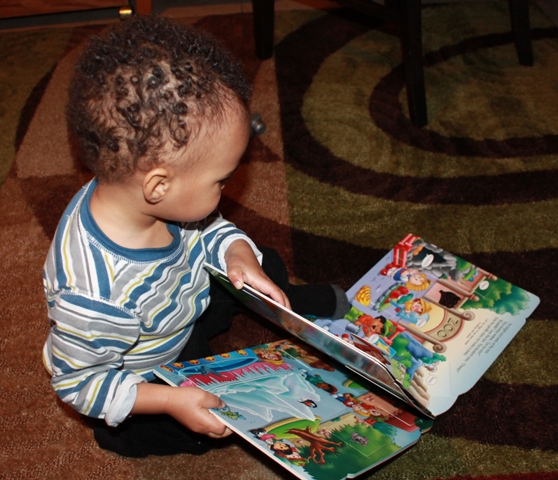
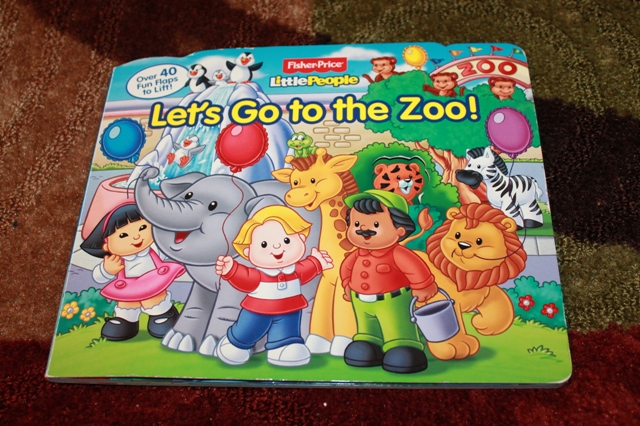
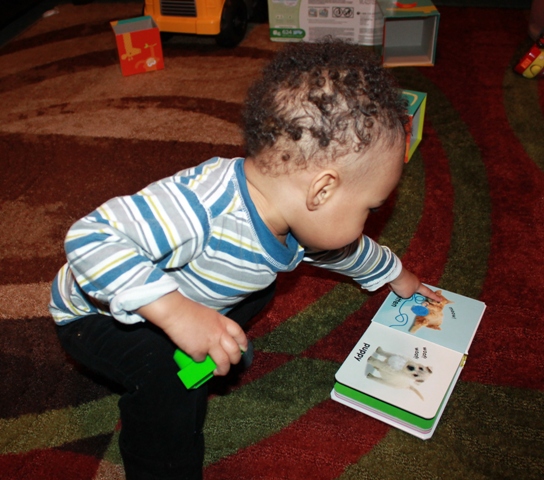
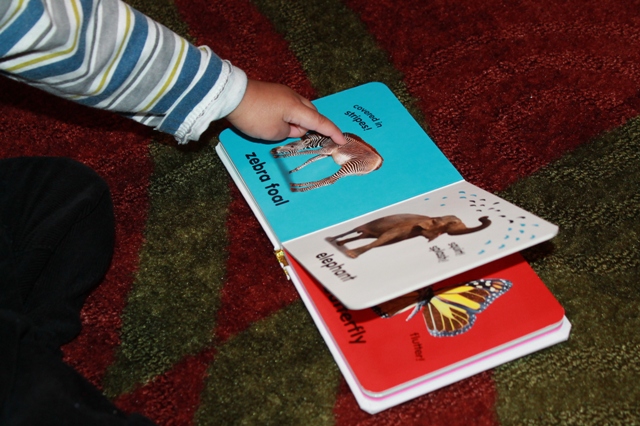
We have been reading to Lema since he was an infant and he has grown to love reading and books. He usually peruses through his books as he identifies the characters he has learnt. He knows how to identify some animals, flowers, toys, trees, and cars. Lema normally picks the book he wants to read when he wants to read it, which is usually very often.
While growing up, I had an aunt who loved to read and had a mini-library set up at home. She would frequently encourage me to read some books by letting me borrow them then exchange them with other interesting ones when I was through with them. I truly enjoyed reading and that helped me learn a good deal of English. I enjoyed reading story books so much that I would pick it over the swimming lessons we had in my primary school. Luckily, we got to choose whether we wanted to swim or go to the library and read story books. I got a kick out of it. I guess Lema has a little bit of mama Lema in him. We read a Bible story for Lema daily, either after lunch or just before his bedtime, depending on our schedules for the day. We tailor it in such a way that we are all at home to do this as a family tradition. Lema absolutely loves it and he gets to identify the characters during the story. The stories are usually short enough to sustain the attention of the child. Sometimes Lema wants the book on his laps so that he can turn the pages himself. We monitor it so that he doesn’t end up tearing the pages into pieces. I hope Lema will continue to enjoy reading and books in general. There is a whole new adventure found in books. They can take us to great places we have never physically visited and paint the perfect picture while we are in the confines of our homes.
Reading storybooks with Lema is so delightful and I hope it never ends. Enjoy your weekend.
Last Saturday, I attended an event -the launch of Pampers baby-dry diapers. The event was at the Dave Gardens in Lavington. Here are photos of some of the moms and babies who attended the event.
So those were some of the moms who attended the event. It was a nice, easy event. I particularly loved the venue -cool, quiet and green. Plus the buffet meal they offered us was fresh and tasty.
The meeting began at about 10am and there were different educative sessions by different experts. There was a nutritionist who took moms through the basics of child nutrition, as well as a fitness enthusiast who guided moms on the best and safe physical activities they can engage in before and after birth.
It was particularly interesting to listen to some of the questions that moms had, especially with regard to nutrition. Questions such as -is supermarket milk safe for baby (the one dispensed like a tap -not the packet ones). Is it okay to mix liver with milk for baby’s food? What about milk and spinach? And other such questions. Interesting because those are the same questions I had when my boys were much younger when I was weaning them. You know -you hear all sorts of things nowadays about what to do and not to do with regard to baby’s food. It can be very confusing by the way, many are the times I just got tempted to keep my kids purely on breastmilk alone because that was the only food that appeared to be safe!
Anyway, it was a Saturday well spent. Plus all the moms who had attended the event got to take home a jumbo pack of Pampers baby-dry diapers each. In mid-month! Jumbo! How nice is that?
The new features of the Pampers baby-dry diaper include:
– New stretchy sides
– New fun designs
– Super gel
– 4 dryness layers
– Soft outer cover
– Baby lotion
If you haven’t tried out the new and improved Pampers diapers yet, give them a try today.
Earlier this week, I posted a Pampers baby-dry giveaway on the Mummy Tales Facebook page. I had called on Pampers moms and dads to share their experience with the newly improved Pampers baby-dry diapers. The randomly selected winner was Rita Stan who posted: ‘tried all brands and decided to stick to Pampers and now we are on baby-dry and premium, and no disappointment for us”.
Four days later, I met Rita in the town center to give her the two packs of Pampers baby-dry diapers she had won. 23 year-old Rita Njeri Stanley came along with her three month old daughter Mavis . I had a chat with the first time mom about her motherhood journey and about her experience with Pampers baby-dry diapers.
MT: Hi Rita, tell us about your motherhood journey
RNS: I was blessed with my daughter in November last year. The first months of the pregnancy were quite challenging as I was working in a stressful environment. I was an accountant in the hotel industry and we would have crazy working shifts. I would experience abdominal pains every so often and by the time I got to 5 months, I decided to quit my job. I either had to save my job or my pregnancy. I chose the latter. The pregnancy thereafter went well.
However, three days to my expected due date, I noticed my baby’s movements had reduced. When I did not feel her usual kicks at the frequent intervals I was used to, I sensed something was wrong and quickly rushed to hospital. An ultrasound revealed that the baby had irregular heartbeats. I was then immediately wheeled to the theatre for an emergency caesarean section.
My daughter was born healthy at 3.1kg’s. As I held her in my arms, I was so overjoyed. That so far has been the happiest day of my life.
What do you Enjoy Most About Being a Mom?
I enjoy making funny sounds with my daughter, playing with her, bathing her and dressing her up. I love shopping for her and buying cute little outfits and shoes for her.
I am exclusively breastfeeding her which I will continue to do until she turns six months old. I am doing so because I believe that breast milk is best and she will develop a strong immunity which will help her fight infections much better. When the six months are over, I will begin looking for a job again. At the moment, I am staying with my dad who is very supportive.
Any Challenges so Far?
The worst bit so far has been when she is unwell. She had a throat infection and it almost drove me crazy. I was so worried and felt so helpless. It was a really bad feeling. But after treatment she recovered and in no time she was up and about. I was so relieved!
Share with us your Pampers Baby-Dry Experience
From the very beginning I used Pampers diapers on my daughter. I had bought enough stock when I was pregnant, and I loved them on my daughter.
However, one time I happened to try out a different brand. But the effects were disastrous. My baby immediately developed a bad nappy rash. I discarded that pack and decided to try yet another different brand of diaper. But it was yet another wrong move for my daughter reacted even worse. The rash got so bad that her skin became red with painful pimples. It pained me to see my baby cry out in pain from the soreness of her bum area. I regretted so much for having put her through that. It was at that point that I immediately returned to Pampers baby-dry which had never let me down. Once I was back on Pampers, the rashes disappeared and they have never returned again.
It is because of this experience that I decided never try out another diaper. I will stick exclusively to Pampers because they are the only ones that work for my daughter and I am very happy with them.
Apart from keeping her away from the rashes, what else do you like about Pampers baby-dry diapers?
I love the stretchyness of it and I know that my baby never feels too pressed by it. It leaves enough room for her to move about comfortably.
I also like the inner layer of the diaper which I find to be very ‘cushiony’ and comfortable for my baby.
I also like the Pampers baby-dry because they keep my daughter dry all night long. With the other brands I had tried before, I remember having to wake up at night to change baby because the diapers had leaked. You have no idea how frustrating it is to have to wake up in the middle of the cold night –to change not only the baby’s diaper, but all her clothes and the entire beddings! I have never had to do so when using Pampers baby-dry.
Oh, did I mention the lovely animal characters on the diaper! They look so cute on Mavis! I particularly love the elephant. It’s my favorite animal. As I change her diaper, I talk to her and give her a few tales about the animal characters on the diaper. It’s so much fun!
That’s why I am a totally sold out Pampers mom. Thanks Pampers and Mummy Tales for awarding me these two packets which I will add on to my stock
So there you have it. The Pampers baby-dry diapers are the only diapers in Rita’s shopping basket. Her daughter is no doubt one #HappyPampersBaby.
To learn more about what’s new and improved about the Pampers baby-dry diapers, see this post.
I’ve had many women ask why they develop varicose veins during their pregnancy. I asked obstetrician / gynaecologist Dr. Stephen Mutiso about this and he offered the following information:
MT: What are Varicose Veins and what is the association with Pregnancy?
Dr. SM: Varicose veins are swollen veins that may bulge near the surface of the skin especially in the things, the legs and the back of the calves. Veins are the blood vessels that return blood from the feet and legs to the heart. Many women first develop varicose veins in pregnancy and for those with pre-existing varicose veins, they only tend to get worse during pregnancy.
During pregnancy, blood volume increases significantly and this distends the veins. In addition, during pregnancy progesterone levels are markedly increased. Progesterone is a pregnancy hormone which relaxes blood veins and keeps them dilated causing blood to pool in the legs.
Also as the uterus grows, it puts pressure on the large vein on the back called the inferior vena cava. Compression of this vein in turn increases pressure in the leg veins.Usually varicose veins do not pose any serious threat during pregnancy.
MT: What are the Symptoms of Varicose Veins?
Dr. SM: Varicose veins are usually symptom free. However, the legs may feel heavy sometimes, they may be itchy, uncomfortable and may have some pain.
MT: How are Varicose Veins Treated?
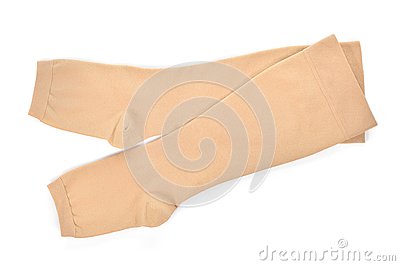
Dr. SM: Treatment of varicose veins during pregnancy is mainly conservative. Conservative treatment involves use of compression (elastic) stockings, regular exercises, elevation of legs at night and during rest periods during the day. Weight control is also very important.
The compression stockings are designed to squeeze the leg muscles, encouraging blood to flow upwards towards the heart. Surgery should be done only for the very severe cases where conservative measures have failed. Varicose veins usually improve after child birth.
MT: Are Varicose Veins in Pregnancy Preventable?
Dr. SM: Development of varicose veins in pregnancy can be prevented in the following ways:
– Engage in regular exercises which increase circulation of blood (exercises that last at least 30 minutes daily)
– Take frequent breaks to walk around and stretch your legs
– Elevate your feet every so often
– Make it a habit not to cross your legs as this is not recommended for pregnant women
– Avoid too much weight gain during pregnancy.
– Sleeping on the left side improves blood return back to the heart and this reduces pressure on the veins in the legs.
The good thing is that varicose veins get better after delivery, when the uterus is no longer exerting pressure on the large vein (inferior vena cava).
MT: Thanks Dr. Mutiso.
So now you know. Share this info with any pregnant woman you know. Have a lovely day.
Dr. Stephen Mutiso is based at KNH in Nairobi. He provides a wide range of gynaecological services including: antenatal care, delivery (normal and caesarean), infertility treatment, fibroids, fistula treatment, and screening for reproductive tract cancers and other gynaecological procedures.


















 The second lady I spoke to said that she had suffered sexual abuse in the hands of a male relative who lived in their home when she was a teenager. The now 27-year-old never disclosed the incident to anyone because she feared what it would do to her mother –a widow who was already struggling with her three children.
 But sometimes, even with the best laid protection plans, some things do happen.