When Catherine, a young woman living with albinism found out she was pregnant, she was so shocked because all along she had thought that women with albinism do not get pregnant. So what happened next? Watch her story below and share your thoughts.
In the video, I also touch on the topic of women’s experiences during labor and childbirth, especially from health care providers. I talk about how birthing mothers should be given respectful maternity care at all times, and there is nothing that should warrant mistreatment of women during childbirth. Watch and share your comments.
Do you have a motherhood story you’d like to share? Or do you have any feedback on the stories here at Mummy Tales? Email me on maryanne@mummytales.com
Mummy Talesis a platform dedicated to empowering its readers on different aspects of womanhood and motherhood. Read more motherhood experiences of Kenyan momshere. Connect with Mummy Tales on: FACEBOOK lYOU TUBE l INSTAGRAM l TWITTER
Postpartum hemorrhage in Kenya (severe bleeding after giving birth) is the leading cause of maternal deaths in Kenya. An experience that Tabitha Mwangi knows too well.
Just minutes after giving birth, Tabitha felt her life start to slowly slip away, right there on the delivery table. It had been a smooth pregnancy and an uncomplicated labor and delivery, but just when she thought it was over, it wasn’t. She was not prepared for the worst that followed. Tabitha narrates her story in this video below, that is meant to create awareness on the things that can go wrong during childbirth.
**This video is intended for educational and awareness purposes only, as narrated by one Kenyan mom who went through the postpartum haemorrhage experience. Please consult with your doctor or other qualified healthcare professional for more information about pregnancy and childbirth.**
Do you have an inspiring story you’d like to share? Get in touch with me on maryanne@mummytales.com and I’ll get back to you.
Mummy Talesis a platform dedicated to empowering its readers on different aspects of womanhood and motherhood. Read more motherhood experiences of Kenyan momshere. Connect with Mummy Tales on: FACEBOOK lYOU TUBE l INSTAGRAM l TWITTER
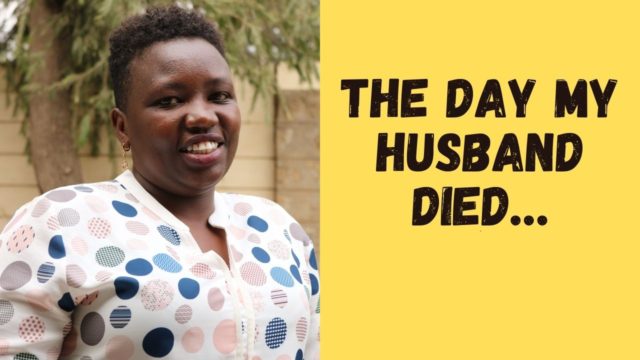
Just the previous night, Purity had had an unusual long phone call with her husband, but she didn’t think much of it. The following morning, she woke up to the shocking and devastating news that her husband had been brutally murdered! What exactly happened in those few hours? They had been married for only three years. Watch the video below:
In the video, Purity, a young widow talks about what happened on the night her husband died, and how life has been after that, including her relationship with her in-laws. Purity’s story also helps us think more about how our families will treat our spouses in the unfortunate event of death.
Do you have an inspiring story you’d like to share? Get in touch with me on maryanne@mummytales.com and I’ll get back to you.
Mummy Talesis a platform dedicated to empowering its readers on different aspects of womanhood and motherhood. Read more motherhood experiences of Kenyan momshere. Connect with Mummy Tales on: FACEBOOK lYOU TUBE l INSTAGRAM l TWITTER
Do you know of someone who would be looking for a fully furnished short-stay house in the Harambee area in the Eastlands, Nairobi? Harambee is adjacent to Buruburu estate.
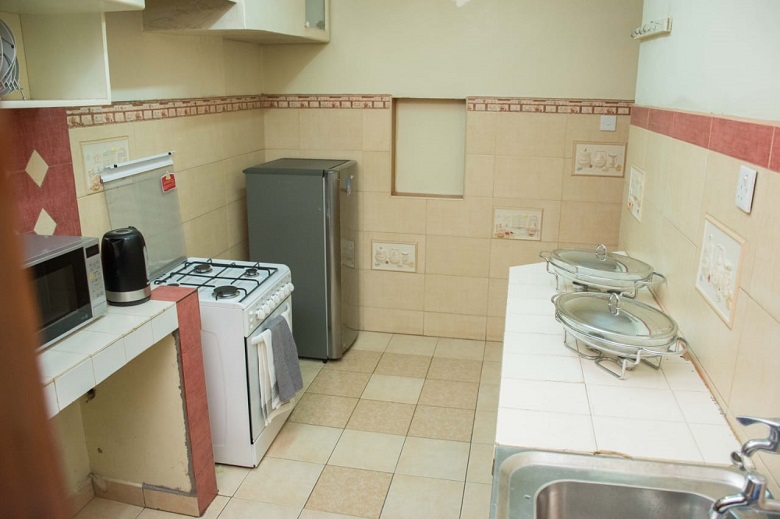
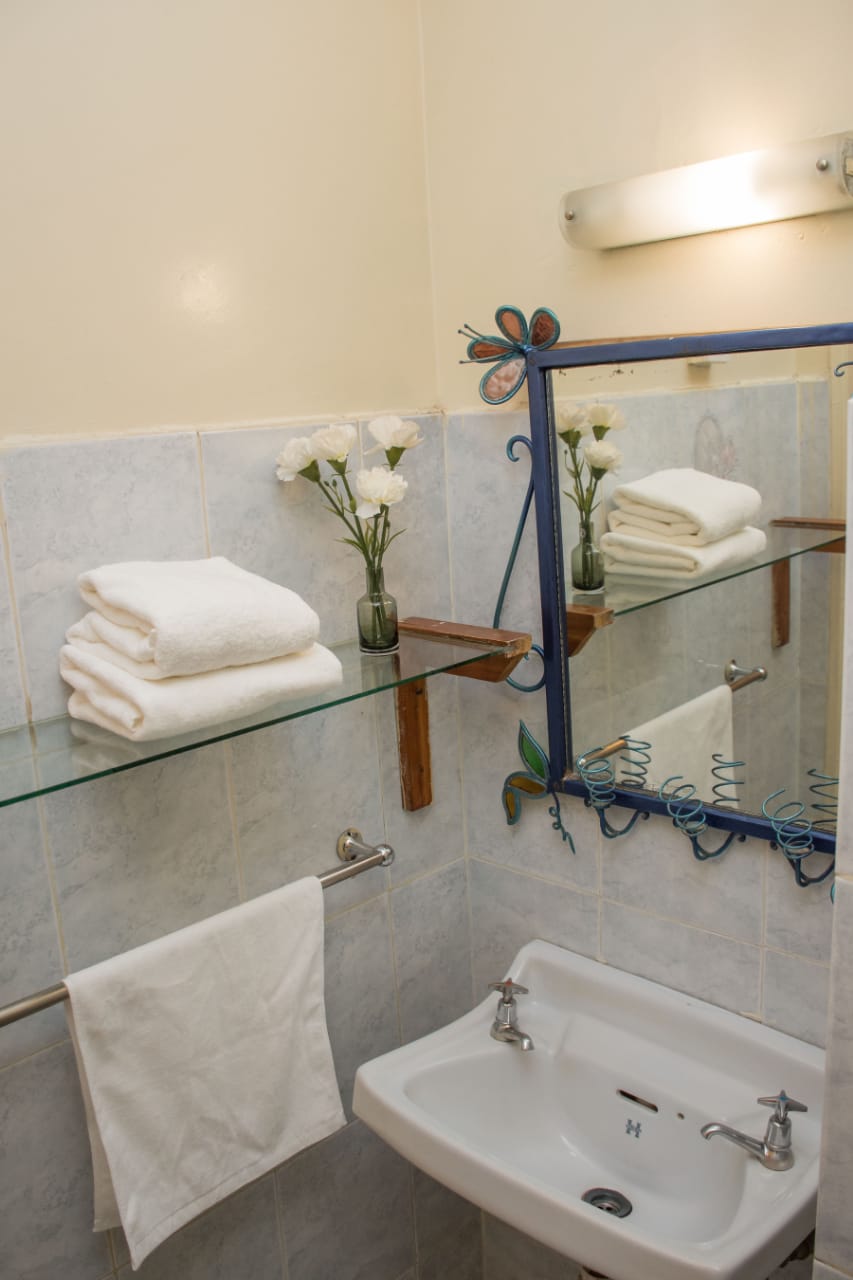
I’d like to share information with you about a cozy, nice 3 bed-room house in this area, called Kiambakana Homestay. I have personally been to this house and I absolutely love it, so I am recommending it based on my own personal experience. See the photos below that will help you get a feel about the place. More information about Kiambakana Homestay, including contact details are below.
The Kiambakana Homestay in Nairobi is suitable for relatives and friends who visit Nairobi for medical or other reasons, and are unable to stay with their kin due to various reasons such as space, cultural constrains or other reasons. The house is also suitable for relatives visiting from overseas and looking to be near family in Eastlands.
The cost for the whole house is Sh4,000 per day. The house is a 10-minute walk from Metropolitan Hospital. It is also a walking distance from Buruburu Girls High School. The homestay has a caretaker who is a good cook. In-house cleaning services are also available.
You can reach Kiambakana Homestay via the contact number +254 720 736 059.
Bookmark this information as you never know when you’ll need it. Also, share with your friends. If you do get to be a guest at the house, you can let me know your experience 🙂
Thanks for reading.
Mummy Talesis a platform dedicated to empowering its readers on different aspects of womanhood and motherhood. Read more motherhood experiences of Kenyan momshere. Connect with Mummy Tales on: FACEBOOK lYOU TUBE l INSTAGRAM l TWITTER
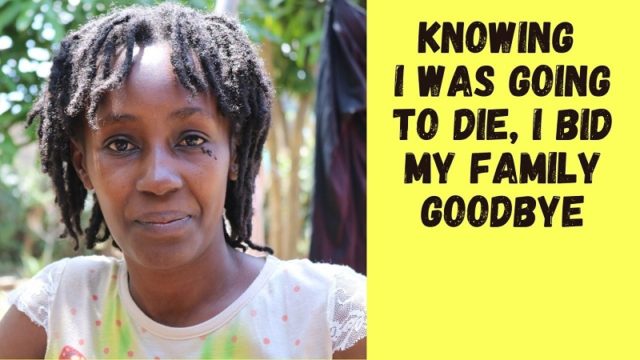
Postpartum hemorrhage in Kenya (severe bleeding after giving birth) is the leading cause of maternal deaths in Kenya. An experience that Stephanie Rose is all too familiar with.
Stephanie suffers from tokophobia -an extreme fear of pregnancy and childbirth. But Stephanie wasn’t always this way. Something terrible happened after she delivered her first baby. Today, Stephanie says that the mere thought of another pregnancy ‘gives her nightmares’. She says she can never go down that road again. So what happened exactly? Watch Stephanie tell her story below.
Also watch Catherine’s story below:
Many are the times I’ve learnt (and I’m sure you have too) of stories of moms who have died after successfully delivering their babies. Their pregnancies were smooth, their labor okay, and the delivery went on without complications. Only to hear that a few hours later, the new mother died and I always wonder, what happened? What went wrong? I mean, she died in hospital, so what could have possibly gone wrong?
Well, I bring you the story of a survivor, Stephanie Rose, who lived to tell her story. She saw death! Even gave out her PIN numbers to her mother, knowing she would not live another minute. But she survived, and she shares her story with us today. This story helps inform us on the possible things that can go wrong after a childbirth, and the warning signs that the new mom and those around her (medics, family members and friends) need to look out for that can help save her life.
Watch Stephanie Rose’s story, and learn something new. Also, share with a friend. If you have a childbirth story you’d like to share, email me on maryanne@mummytales.comand I’ll get back to you.
Mummy Talesis a platform dedicated to empowering its readers on different aspects of womanhood and motherhood. Read more motherhood experiences of Kenyan momshere. Connect with Mummy Tales on: FACEBOOK lYOU TUBE l INSTAGRAM l TWITTER
How do you deal with miscarriage? What emotions does a woman who has had a miscarriage go through? What goes through her mind? Does she blame herself? Does she think it’s something she did? Does she think it was avoidable?
This is the story of Yunita, who sent me her story. Yunita, a mother of a 4-year-old daughter recently lost her pregnancy.
‘Complete spontaneous abortion’. I was annoyed at how the medics referenced how I’d lost my baby. ‘Complete spontaneous abortion’. What a mockery! Can’t they just call it a miscarriage?
Or, could they say: “Heartbreaking loss of child”, or “unwelcome, painful death of baby”. Those references would do more justice to the situation. After that, they can then use whatever terms they wish – in my absence.
They also say ‘foetus’. Foetus! My precious baby just died and she had a name! Maya she was. Was to be. Well, I wasn’t sure it was a girl, but had hoped it was. My husband had wanted a boy and would have named him Tilo. Thilo. Tealaw. Teelow. Tillor.
Whatever. It would have been fun playing around with the spelling and deciding on one. Watching him wiggle his toes and burp and smile toothlessly. Playing peekaboo or hide-and-seek with him and his elder sister. But now, that is not to be.
After I was discharged, I stepped out of the hospital unsure of how to face the world. Without my baby. Was I supposed to call close friends and inform them of my miscarriage? Or how does it work? I didn’t want a situation where people would have started to take pity on me, casting merciful glances. Such would have driven me to tears. I just wanted to grieve in the privacy of my home, behind closed doors.
Was it my Fault?
I kept asking myself what I’d done wrong. Had I overworked? Lifted heavy weights? Was I so stressed out that my body couldn’t sustain the pregnancy? Had I eaten something I shouldn’t have? Did I ignore some red flags? Had I taken my pregnancy for granted, just because my first one had been without complications? Could I have been so careless? Is there anything I could have done to prevent it?
I had no answer to these questions and neither did the doctors. In fact, they weren’t even keen on finding out what could have caused the miscarriage. They even said it could have been the chromosomes, in which case the baby wouldn’t have survived anyway. This thought comforted me a little – that maybe I wasn’t responsible for the death of my child.
But still, I was disturbed. What if it happened because of something I did or failed to do? I needed to know so that it didn’t happen again and so that I could accept responsibility and deal with the consequent guilt. That would give me closure.
Journey of Healing
So I embarked on a journey of healing, with one consolation: That my baby is in a better place where they’ll never know any pain. Though I’d prefer to have my baby here, I’m grateful that they’ve been spared the many trials of human life. I’d also like to think that if my baby could see me, they’d want me to trudge on joyfully. So I choose joy!”
Those are Yunita’s sentiments, at this time when she’s going through emotional turmoil. Suffering a miscarriage is indeed an extremely painful experience. Not many women are able to speak openly about it –not even with their spouses. Many suffer in silence. But be encouraged to know that there is help available for you, and that you are not alone. You can seek help from the Empower Mama Foundation.
Mummy Talesis a platform dedicated to empowering its readers on different aspects of womanhood and motherhood. Read more motherhood experiences of Kenyan momshere. Connect with Mummy Tales on: FACEBOOK lYOU TUBE l INSTAGRAM l TWITTER
Hello friends and welcome back to Mummy Tales. So last year I did this post: ‘The Headteacher Stepped on Her Neck as She Lay Down, While Beating Her’ and got quite some feedback after I published it. It was the story about a mom whose boarding experience in primary school made her resolve to never do the same to her children. Please take time to read it in case you didn’t, and also let me know what you think, especially if you attended a boarding primary school.
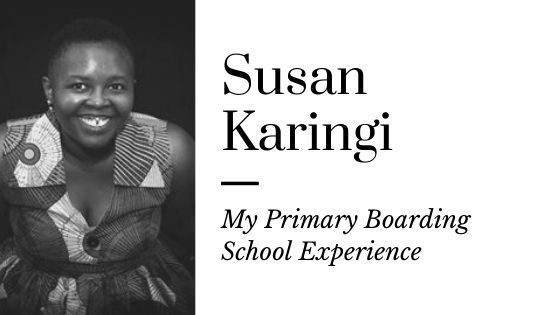
So today, I share one of the responses I received from that article. It is by Susan Karingi, who tells of her primary boarding school experience. If you have a story that you’d like to share with other moms, you can email me on maryanne@mummytales.com
This is Susan’s story:
“When I was told I would join boarding school in class four at the age of 10 years, I was ecstatic. Finally, I was joining the ‘big girls club’. You see, back in the day, transferring to a boarding school was a big deal, and the thought alone was so exciting!
I did my interviews at two different schools, both in Kirinyaga, and I passed both. Between the two, my parents chose the stricter Catholic school.
We were required to label all our items with our three names. This included panties and handkerchiefs. I remember how my mum and the house help stayed up late in the night tirelessly stitching my names on all items. While it may have been stressful for them, to me it was so exciting as it marked the beginning of a new phase of my life. Back then I did not know what awaited me.
The Dreaded Cane
When I got into the school I quickly learned that there were three things of high importance in the school:
Discipline and cleanliness were top priorities for the Sisters
Good grades were to be maintained
The school was picturesque and the lawns beautiful. It was kept that way by the girls
The above expectations were instilled in us through use of the cane and verbal abuse. It was horrible. For example, the Sisters would come get you out of class if the area you cleaned was not up to par according to their standards. The prefect in charge of that specific area would also be beaten and expected to clean the area for slacking on her supervisory duties.
Favouritism was rife and the girls who were the apples of the Sisters’ eyes got off easier than the rest of us. You would see the subtle glee in their eyes as they watched other girls get punished. So we tried our best to be in the good books.
Baboon Bottoms
When it came to our performance, we tried not to drop our grades. Let me talk about the infamous ‘mlolongo day’. On this day, we would line up in our respective classes from position 1 to the last based on our performance in exams. If you improved, you were spared. It was a very brutal way of getting us girls to perform. Those who had dropped from the previous performance got it rough. Their bottoms or ‘nyama ya serikali’ as we would say, would be whipped until they became red and swollen like those of a baboon.
Talking of baboons. The school was filled with these cheeky vervet monkeys that loved eating mangoes from a huge mango tree in the school compound. Sometimes, they would even waste some of them. Yet, if you dared eat a single mango from that tree, the wrath of the administration would be upon you.
Nylon Tea and ‘Top Layer’
The school administration did not really encourage any form of extra-curricular activities. So we grew up not knowing much else other than books (mostly academic), books and more books. Simple games like skipping rope, ‘kati’ or ‘bladder’ were all banned. It was a rather bland existence.
But, we lived for Sundays. That was the day we would drink ‘nylon tea’ which was basically a mixture of milk and water. The milk though was often cold and over sweetened. But the fat slice of bread with a centimetre-thick layer of spread was heaven.
Breakfast everyday was porridge. It was an interesting porridge. The flour would settle to the bottom of our oily plates, while the water would rise as the ‘top layer’. I never quite understood how that chemistry worked out.
Toothpaste for a Snack?
We were always hungry as the portions served were too small. Ever looked at toothpaste and seen it as a snack? Well, we would rub it on the back of our hands till it was white and then lick it off slowly. We also had this quirky behaviour of carrying our spoons everywhere. They were the only pieces of cutlery that mattered. So you would meet with misplaced spoons all over the school compound. Even down the river as we called it.
Stolen Water from the River
Come to think of it, it was a canal, a man-made diversion for the school and community around it. We had this huge stone water tank that would overflow with water. We would line our buckets to collect the overflow. On the one hand we had an overflowing tank and on the other the taps where we would have fetched water were mostly dry. We never had any running water unless you sucked on the tap so hard. But still, that would only fill a cup.
So everyday in the evening after reciting the rosary, we would rush down the road to the river and fetch water, clean our clothes, fetch bathing water as well as water for cleaning the area allocated to us. This we had to do with cold, hard, metal buckets.
Water was precious, and the lazy girls would steal it at night as you slept. Now imagine waking up in the morning to an empty bucket! The river trips were only done in the evening, and remember all the other taps were dry. Yet it was a must for you to have that bath or else the dorm Prefect would report you to Sister Matron. Imagine the stress!
Any leaking gutter was heaven sent, you would at least get clean water unlike the brown one that the river did. Come to think of it, I learnt how to filter out that river water like a pro and how to make water stretch and last for long. I could do a heavy cleaning with just three buckets of water.
Scrubbing the Pigs
I left the school knowing how to blend in and lie low so as not to be noticed by the sisters or teachers. I was a top performer but still, that did not do anything for myself esteem. Punishments were brutal, you would be told to go scrub the pigs or the pigs sty or kneel out in the cold the whole evening preps. This, after being beaten and shamed in front of the whole school during school assembly.
I still wonder how the Sisters slept at night after doing all that to kids.
They instilled the fear of any authority figure, in me. I have struggled with this and it has not been easy. It has really kept me from running for positions of leadership. I actually have had leadership thrust upon me by circumstances. I am still on my road to finding my true North.
How Boarding School Affected my Parenting Style
My primary school boarding experience has had a huge impact on my parenting style. I delayed taking my first born to boarding until class seven and even then, it was only because it was a requirement by the school.
I have also empowered my children to let me know when and if the teacher(s) have crossed the line in matters punishment. I encourage them to talk to me as much as they can, that way I know what is going on in their lives. I also encourage them to be independent, so you will find my youngest who is two and a half dressing herself or doing some light chores.
Cleanliness is also a thing at my house. We take out our beddings every Saturday like we did in school. I am very careful with words I use, because those do more damage than beating ever will.
My last words are – use your words to build your child, be present for your child and discipline them with word, action and rewards. You will have a well-rounded child. Be intentional in your parenting, the world needs more love than hate. A hurt child will grow up into a broken adult. I’m still healing from that experience.”–END.
And that is Susan’s experience. What are your thoughts about it? Also, if you went to a primary boarding school in Kenya, what was your experience? You can share it with me atmaryanne@mummytales.com
Thanks for reading!
Mummy Talesis a platform dedicated to empowering its readers on different aspects of womanhood and motherhood. Read more motherhood experiences of Kenyan momshere. Connect with Mummy Tales on: FACEBOOK lYOU TUBE l INSTAGRAM l TWITTER
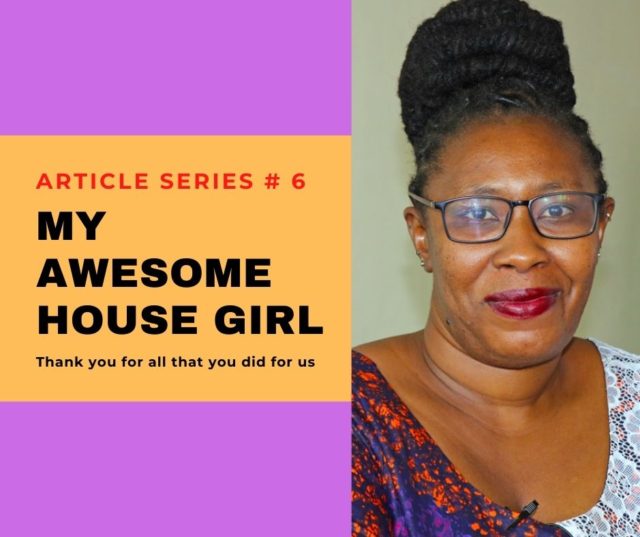
Can you imagine being gifted Sh100,000 by your employer? Gifted, not loaned! Wow! Well, that’s exactly what happened to Ruth, a house girl in Nairobi.
On her first day at work, when Ruth stepped into her employer’s house, she told her rather very categorically, that she’ll only work for three months then leave. Well, it’s been a whole 12 years!!! So what changed? That’s exactly what Ruth talks about in this video (it’s a long one, so set aside some good time). I also got to talk to her employer, so you’ll meet her too.
By the way, as I interviewed these two beautiful moms, I admired and loved their warm interaction. So watch, be inspired, leave a comment, and to my fellow moms – share it with another mom as there’s a thing or two we can all learn from these two beautiful ladies. Also, if you have a story you’d like to share on Mummy Tales, you can write to me on maryanne@mummytales.com
Thanks for watching!
Mummy Talesis a platform dedicated to empowering its readers on different aspects of womanhood and motherhood. Read more motherhood experiences of Kenyan momshere. Connect with Mummy Tales on: FACEBOOK lYOU TUBE l INSTAGRAM l TWITTER
Hi friends! So, for many nursing moms, one of their biggest worries is whether they have enough breastmilk for their babies, and how they can boost this supply. Well, from my own experiences and from the experiences of other Kenyan moms I have interacted with and whose stories I read in the many mom online groups I’m in, I share with you some of the most common foods and drinks they take to boost their breastmilk supply.
Please note that this information is not a substitute for medical advice -for more information please contact your doctor, healthcare professional or lactation consultant. So here we go…
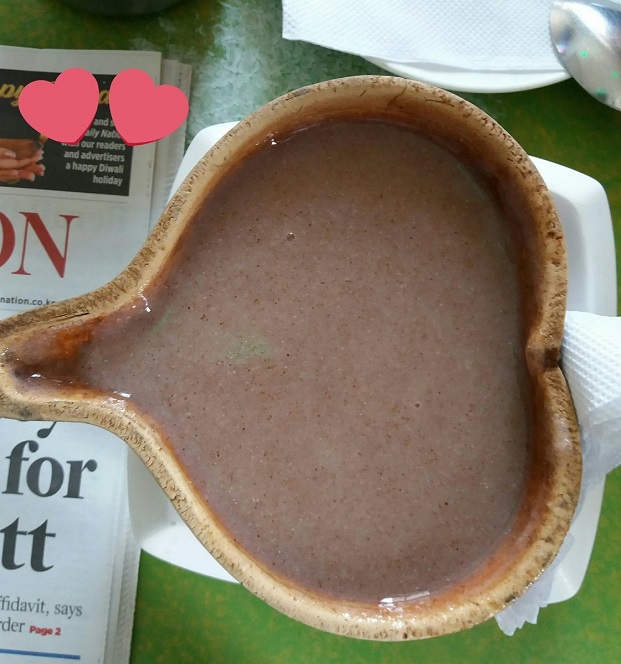
Mawele porridge. This worked perfectly for me. I’d buy it from Uchumi supermarket
Njahi. This works well for many moms, and it also worked well for me. In fact, my traditional Kikuyu mom would mash the cooked njahi together with ripe bananas for more effect. And it worked ?
Lots and lots of water. You must hydrate regularly
Did I miss out on something that worked for you? Comment down below and let us know. Also, take note that what works for one mom might not work for the next. My cousin took dill seeds and her milk flowed like a Friesian. So she happily shared some of her dill seeds with me, but unfortunately they absolutely didn’t work for me. At all. Then, another cousin of mine introduced me to mawele porridge and my oh my! that mawele worked instantly for me, so perfectly! However, I’d like to emphasize that the more you breastfeed, the more your milk comes. And remember to drink lots and lots of water, by the gallons. Also, if you are not settled well mentally, it can affect your breastmilk supply, no matter what you take, so try and be mentally at ease during your nursing period as much as you can. Stress leads to a decrease in breastmilk supply. Comment down below on what worked for you:)
Mummy Talesis a platform dedicated to empowering its readers on different aspects of womanhood and motherhood. Read more motherhood experiences of Kenyan momshere. Connect with Mummy Tales on: FACEBOOK lYOU TUBE l INSTAGRAM l TWITTER
Have you ever thought of starting a profitable side hustle, or quitting your job to get into full-time business? How much should you start with? Can you start by selling mitumba socks and then grow into manufacturing and importing them? Well, Peninah Maragia’s story is one that you need to watch. She quit her well-paying job to focus on her side hustle of selling colourful socks, full-time. And her socks business is quite profitable, as it’s paying her bills and helping her meet her financial obligations. Watch Peninah’s story below.
Next, you can also watch Irene Oduor’s encouraging and insightful story below, about how she sells mitumba children’s clothing.
Thanks for watching and I hope you have been inspired by these two ladies’ stories.
Mummy Talesis a platform dedicated to empowering its readers on different aspects of womanhood and motherhood. Read more motherhood experiences of Kenyan momshere. Connect with Mummy Tales on: FACEBOOK lYOU TUBE l INSTAGRAM l TWITTER




















 Mummy Tales is a platform dedicated to empowering its readers on different aspects of womanhood and motherhood. Read more motherhood experiences of Kenyan moms here. Connect with Mummy Tales on: FACEBOOK l YOU TUBE l INSTAGRAM l TWITTER

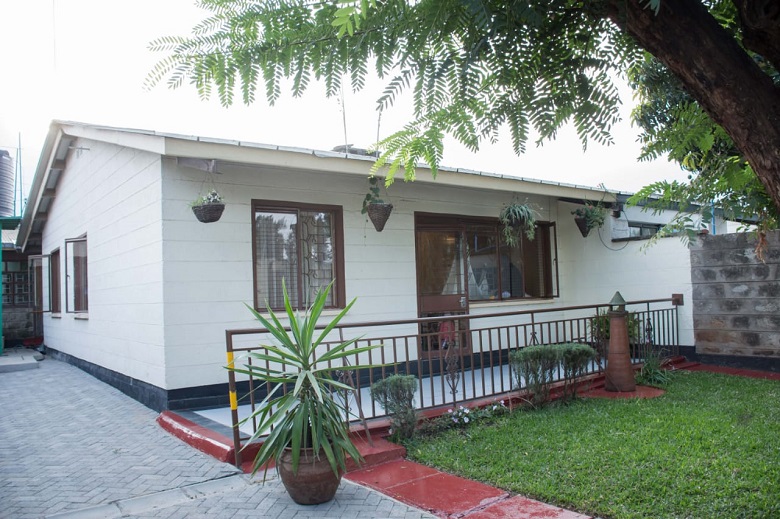
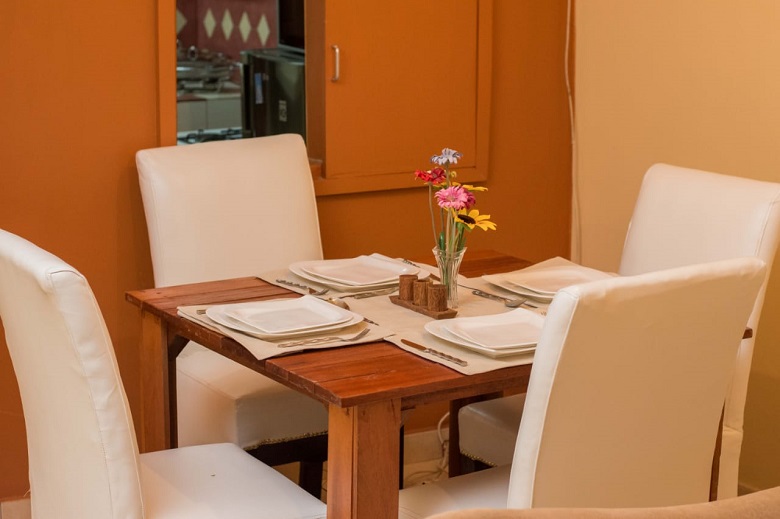
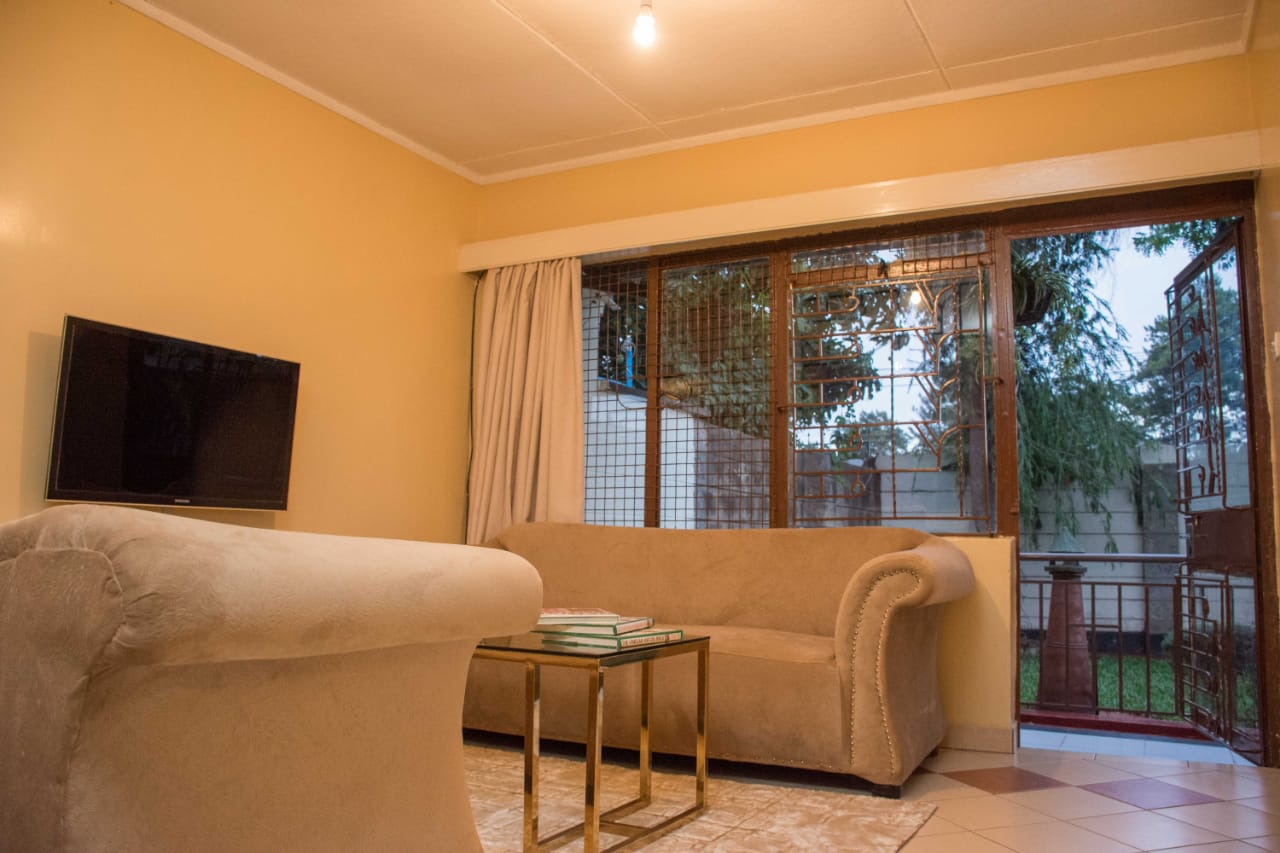

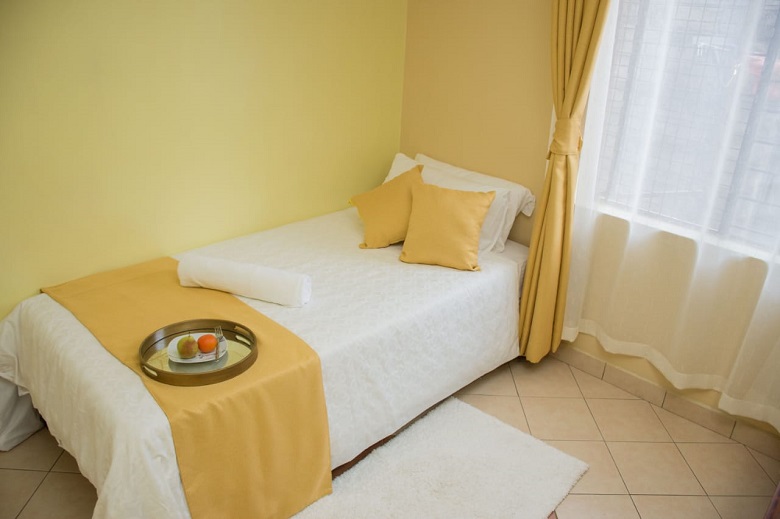
 The Kiambakana Homestay in Nairobi is suitable for relatives and friends who visit Nairobi for medical or other reasons, and are unable to stay with their kin due to various reasons such as space, cultural constrains or other reasons. The house is also suitable for relatives visiting from overseas and looking to be near family in Eastlands.


 However, I’d like to emphasize that the more you breastfeed, the more your milk comes. And remember to drink lots and lots of water, by the gallons. Also, if you are not settled well mentally, it can affect your breastmilk supply, no matter what you take, so try and be mentally at ease during your nursing period as much as you can. Stress leads to a decrease in breastmilk supply. Comment down below on what worked for you:)