Home Blog Page 54

Happy New Year! My Resolution for 2014.

0

Happy new year!!

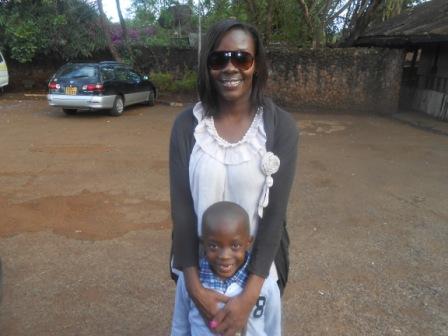
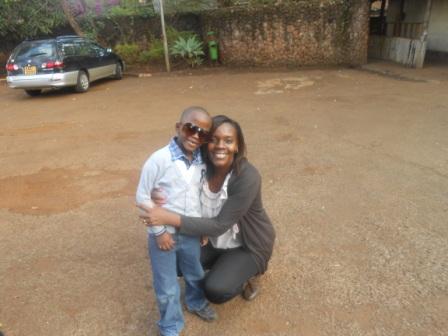
How is the going so far for you? Hope it has began on a good note? Today feels like opening day for most people, wonder if it’s the same for you. Me I’m still chilling indoors taking care of the boys because Aunty isn’t back yet. But she’ll be back soon and then my routine schedule can resume normalcy.

Otherwise me and my boys are all good, we jumped the year well (direct translation for mothertongue) and we are off to  a good start. Do I have resolutions for the new year? Well, not quite. I think I’ve been to busy running all over the house tending to my boys that I haven’t had time to think of anything called new year’s resolutions. And besides, I have failed in all previous attempts at keeping my resolutions so I’m not to keen on making them anymore.

Otherwise I am pretty excited that Kitty will soon be joining kindergarten. Next week :) ! I haven’t bought his uniform yet – largely because I am your typical last minute Kenyan. I procrastinate until the last minute possible and then I engage in a mad panic as I run helter skelter like a headless chicken. School opens on Monday next week, so I’m thinking of rushing to the school uniforms people on Saturday. Actually, on that note, my 2014 new year resolution will be to not procrastinate on issues and avoid the last minute rush!

Have a blessed and fruitful 2014.

Mama boyzz (as many call me nowadays).

Helping Your Child Learn While Playing – Educational Toys

4

Kids love to play. A lot.

Playing is one of the best ways that they make sense of the world and help in their development, and as a parent, it is important to help them engage in play that not only kills their boredom, but also helps challenge them, motivates them, helps them think, engages them, helps them be creative while at the same time pleasing them and making them happy.

The kinds of play they engage in includes fellow children, a good space, a good environment, time, freedom, and helpful materials.

Now, about materials that they can play and learn with, I came across Funtimes Early Childhood Solutions who specialize in these learning materials, and I thought they were quite interesting.

Here, have a look at the Funtimes catalogue that I came across.

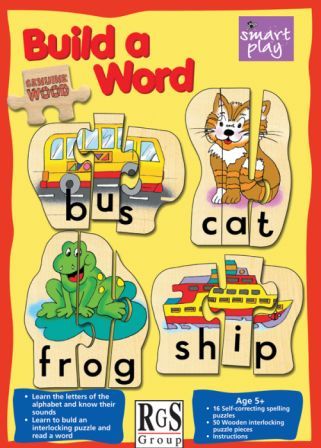
Build a Word

Learning to construct words is an essential skill in early learning. This word puzzle engages children in building simple words. It helps in word construction, sounds, concentration, hand-eye coordination, fine-motor skills, and reasoning. The picture representations also add some learning value to the game.
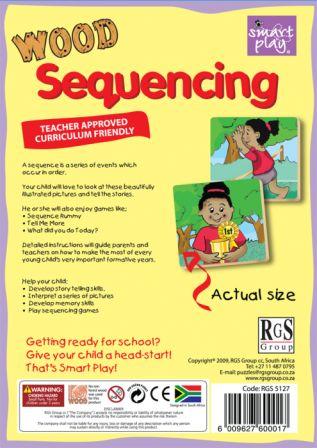
Sequencing

Picture reading materials such as picture cards are important for reading readiness. This wooden printed sequence cards helps children learn to sequence events as they observe and describe the details included in each picture card. It helps in reading readiness, sequencing, language and memory skills.
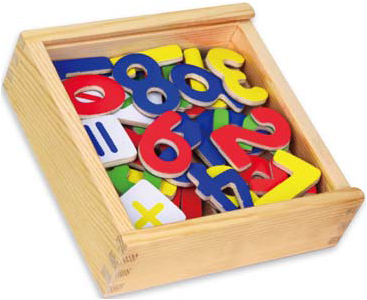
Magnetic Numbers

The magnetic numbers and number operation help the children learn about number recognition and colors, and help sustain their interest as they do so. Children will love to handle the numbers whilst placing them on magnetic surface. 37 numbers and operations included.
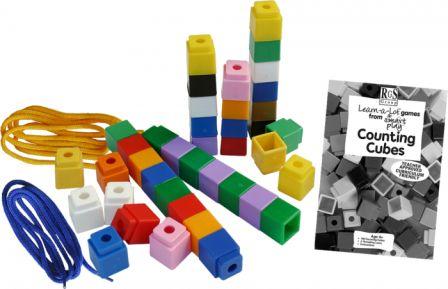
Counting Cubes box (100)

Counting Cubes provide learners with ‘hands on’ learning experiences. It can be used for many purposes including: sorting, counting, learning about color, stacking, lacing (included laces) etc. The teacher is free to make use of this product and make learning many concepts fun for the child.
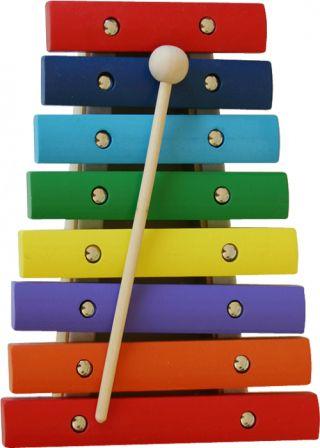
8 Tone Xylophone

The Xylophone is particularly excellent for developing children just beginning to learn music and differentiating sounds. While hitting, the child will also build gross motor skills. It helps in sound recognition, picture reading, reasoning, hand-eye coordination and fine- motor skills.
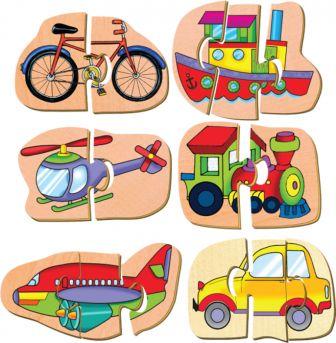
Smart Starters – Little Movers

Learning about the different forms of transport is enjoyable with this self-correcting puzzle. As the children put together the different puzzles they will enjoy themselves, raising their awareness of the forms of transport they see around them. This helps in environmental awareness, language, reasoning, fine-motor skills and hand-eye coordination.
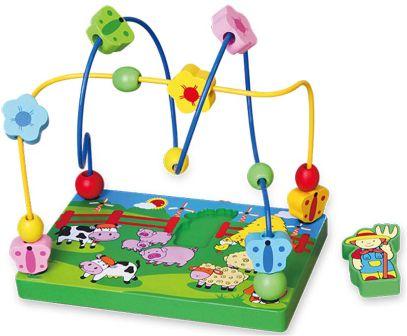
Wire Beads – Farm Farmer

Move the wooden beads, butterflies and flower pieces around the coloured wire maze. It is ideal for the early learners. Colourful Block Set (100pcs)
These classic building blocks are made of high quality wood, painted with bright colours and printed by hand. Blocks are an open ended tool to be used in any classroom to teach an array of concepts such as size, colour, shapes, and so on. They are also an excellent tool in free choice activity, as children play with them to build endless structures.

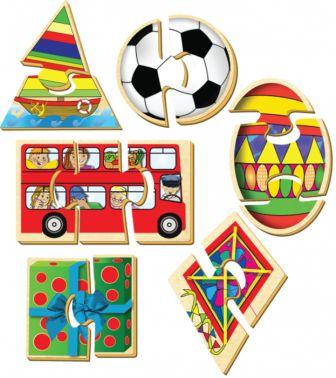
Smart Starters – Shapes

Depicting popular shapes of things in the environment, this simple puzzle will build shape awareness and help children to recognize and name them. The puzzles help add a challenging and fun dimension to shape learning.
Fishing Game – Numbers

Learning numbers is fun with the finishing game. Children use the magnetic pole included to lift the number or colour of the finish they are instructed to. This will reinforce number recognition, sustaining children’s interest.
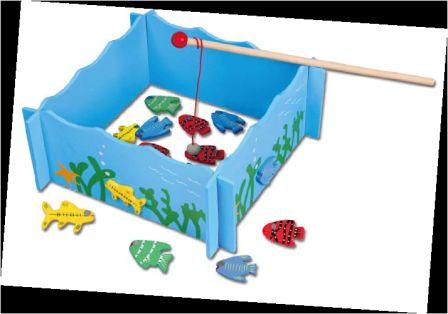
Fishing game

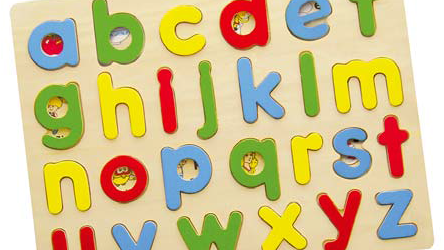
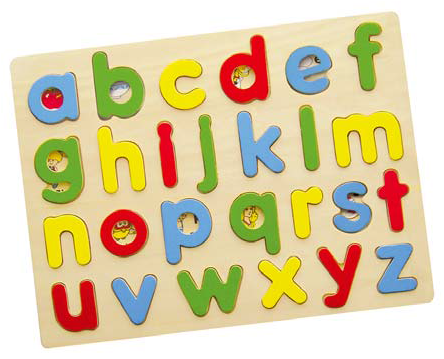
ABC Puzzle

Learning about sounds is a crucial element in early learning. This tool will help teachers to teach sounds and their sequence whilst involving the children in sound learning activities.
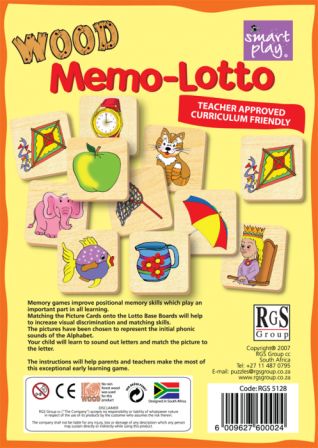
Memo – Lotto

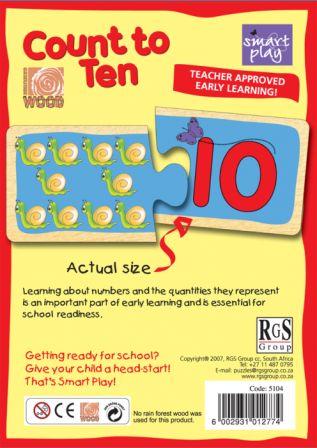
Matching the picture cards onto the lotto base-boards helps improve visual discrimination and matching skills: important skills in reading readiness. Children learn by naming the different pictures on the lotto boards and talk about them, thus building on their vocabulary. Count to Ten
Number value is a challenging concept for young children. This tool will help to teach and reinforce number values as each number value is matched to its number representation.
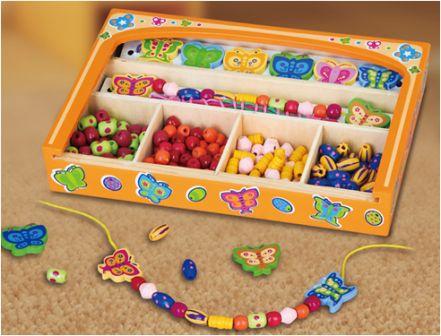
Making Flower – Beads

Beads are a popular way of building eye-hand coordination, fine motor skills, and concentration in children. This colourful 180 beads with laces makes beading fun.
They all look nice and colorful, don’t they? I wish I was a kid again!  Incase you’ve seen something interesting for your child, be sure to get something for them, and if you are an ECD teacher, I’m sure these are beneficial to your teaching.

Funtimes Early Childhood Solutions on Facebook

Harambee Avenue, Cargen House

4th floor, room 410

Tel: 0706 532 874 / 0710 854 392

Contact person: David.

Moms In Business: Jacqueline Ndaba Selling Sitz Baths for New Mums

3

Jacqueline Ndaba is a public health practitioner with an MPH degree, specifically in the Reproductive health and HIV field. She has worked with the UN and other international organizations. A mom to two kids, she is now trying her hand in business by selling sitz baths and related health  products. I spoke to her about her new business venture.

MT: Tell us about your business.

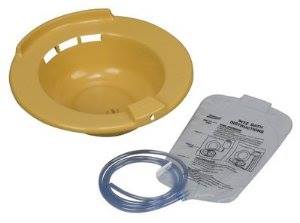
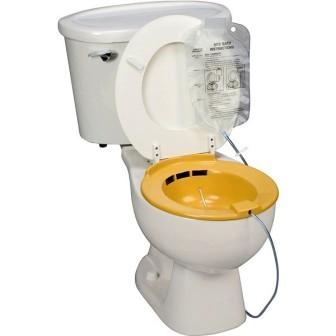
JN: I run a company called Revive Solutions. It was created with today’s mother and her child in mind, offering selected products aimed at keeping them both comfortable. I currently deal in portable plastic sitz baths.

A sitz bath is essential in the early postpartum/post childbirth period to help ease pain, promote healing and give good hygiene to the perineal area. It helps ease swelling in the perineum or swollen labia and is particularly helpful after an episiotomy or tearing during birth. It also helps with post rectal surgery, hemorrhoids, constipation, anal fissures, fistulas and everyday hygiene.

MT: What inspired this line of business?

JN: While working for one international organization, I interacted with a workmate who lived outside the country. Being such good friends, we talked about all things pregnancy and babies. She then mentioned how she really wanted to pack up her portable sitz bath while relocating to Kenya for use for her second delivery. My pal talked of the good experience she had with one after delivering her first baby.

A while later, when I was pregnant with my second born, I remembered the conversation with my friend, and since my brother-in-law was in the US, I asked him to send me a sitz bath. I wanted to use one because I had had a nasty experience after my first vaginal delivery in one of the most reputable hospitals, where we were provided with one basin to share. Maneuvering my way into sitting on the basin placed on my bathroom floor was not easy, and I wanted to try out the sitz because I had heard of its benefits.

After the great experience I had in using it after the birth of my second child, I wondered why sitz baths were not available in the country. Given that so many new moms struggle with the use of basins, bathtubs and buckets –just as had happened to me, I got a business idea around it. This was late last year.

The decision was not easy though, considering I had to invest a reasonable sum of money (from my savings) to import my first shipment without having a guaranteed market for this unknown product. It’s the firsthand experience and testimony that pushed me to believe in the product and take the risk.

MT: How is the response to the sitz baths so far?

JN: Well, so far so good, some are excited and buy immediately, others are simply curious, and being at the initial stages of marketing and creating awareness for it, it gets challenging but definitely, there’s progress.

The main challenge has been introducing this new product to the market and creating demand for it. I mostly rely on social media and word of mouth. I also attend relevant forums to showcase the innovate products. I not only deal with sitz bath but I’m slowly introducing other stuff.

MT: What is most rewarding about owning and running your own business?

JN: What I love most is the fact that I am still in line with my career interest since I have passion for all things women and children wellbeing and comfort. Interacting with mothers who I offer free pregnancy and child care advice is a bonus. I have had to come out of my introverted self to reach out and interact with new people; I am also learning the virtue of patience which I never had!

MT: Tell us about your motherhood journey.

JN: I have two kids, a boy aged 5 and a girl who is 10 months now. My first pregnancy was relatively harder than the second one. I labored for 7 hours, underwent induction and my baby despite all the 20 kgs weight gain, was just 2.7 kgs. :) I craved and binged on ice cream, didn’t eat healthy and had breakouts. The boy has grown up now to be such an independent, bright, social character.

Pregnancy with my girl was amazing, little nausea and I was super active till  two weeks to my EDD where I was ordered by the HR to rest despite protesting that I am very capable of working till the D-day. On the day she came, I sat at home monitoring my contractions (wouldn’t advice anyone to do the same) since I had experienced many incidences of false labor and didn’t want to go to hospital until I was sure.When I finally decided to leave the house, my water broke as I boarded a taxi and three hours later the little girl joined us.

MT: Those are interesting experiences! So what is the best part about being a mom?

JN: The God given privilege of watching them grow and change every single day. The opportunity to nurture and influence them and to be able to look back at the baby steps we have made from birth to months to years.

MT: What are the lowest moments as a mom?

JD: For me it’s the occasional health scares including injuries. My son who is hyperactive has taken me through a number of these. Ill treatment of my children in my absence by housegirls. I tell you a mother can end up quitting a job just to look after your own kids after disappointment from a housegirl, but all in all I always cover them with prayer and leave them under God’s protection.

MT: What is the one most important advice you would give to a new mom?

JN: God knew how strong and capable you are and hence blessed you with the gift of a child. They are children for a short while, give parenthood your very best.

From a public health angle exclusively breastfeed your child for first six months, for this is baby’s free natural nutritious food!

MT: Thanks Jackie and all the best in your business.

Contacts: Sitz Bath on Facebook

Telephone: 0716 226 366

Email: info@revivesolutions.co.ke

All This Hype Around Medicated Soaps: What Are The Truths?

0

Now, if you are like me, who always tunes in to local television stations between 6pm – 11pm, you find yourself bombarded with all sorts of advertisements with different brands competing for our attention. Among these ads are those about medicated anti-bacterial soaps and related products (detergents etc), with aggressive marketing and media campaigns battling it out to be the market leaders. Every other day, the ads get better and better, with beautiful mothers and their adorable children ‘selling’ these soaps to us. And that’s not all. When you go to the supermarket, you will find branded shelves, floors, posters and all, with some nice young ladies marketing the soaps to us (why are they always in tight clothes by the way?). The internet too is rife with their marketing campaigns. Did I also mention that they take these campaigns to schools too?

I want to believe that these products sell. Some of us buy these soaps because the ads have celebs in them. Some of us buy them because the ads look good. Some of us buy them because the graphics of germs in the ads scare us to death. Some of us buy them because we want to practice good hygiene. ‘Works in seconds’ or ‘kills 99.9% of germs’ is all we hear and this makes us happy. Some of us buy these soaps because we don’t want our children getting sick. Some of us buy them because we simply want to be perceived as cool.;) Some of us buy them because they smell nice (you can even get tempted to taste the fruity ones), they come in nice nice colors, and because they have very attractive packaging. We all have our different reasons you know! I know of people who will not take a bath if that soap is not ‘medicated soap’. Yep! The media campaigns are that effective.
Buuuuut, are these soaps really worth all the hype? Do they offer that extra protection that ordinary soaps do not?

Well, I came across an argument by a doctor, Dr. Torooti Mwirigi of ask a doc.co.ke, who questions the hype about these medicated soaps. Are they worth all the campaigns, he asks? Can a normal regular soap do the same job that the medicated soaps do? I will let you follow his argument, which even includes an experiment on the same!  It’s always good to hear from a doctor on some matters. Read on, and you be the judge.

*Lately there has been increased hype about medicated soaps and their ability to kill germs ’100%’. The companies making these soaps have gone to the lengths of using celebrities like Yvonne Chaka Chaka to spread the message that these soaps kill germs ’100%’. The story of medicated soaps is not new. I remember protex started selling them in the early 90′s.

In my marketing class a few months ago we learnt that this idea may have started from India where poor hygiene led to a high rate of diarrhoeal diseases and other infectious diseases like respiratory infections. Diarrhoea and respiratory illnesses are the leading causes of sickness and death in children in low income countries. So this idea of a soap that can kill germs was mooted and a new line of soaps began to be seen. Not to mention a new line of revenue for these companies. All of a sudden soap became a public health tool. So being a germ killer has made cool as being herbal.

Unfortunately, I  do not buy into the marketing positioning of these soaps. Do they work? Probably, but so would a piece of bar soap. Let me explain. Back in medical school we did an experiment about germs. The experiment was to measure the amount of germs in our hands after cleaning them in various ways.

This is how it worked. We had 4 petri dishes. (A petri dish or cell culture dish is a shallow glass or plastic cylindrical lidded dish that biologists use to culture cells).

The petri dish is filled with a special gel. In the first dish we touched the gel with our hands without washing them.

In the second dish we touched the gel after washing our hands with water only.

In the third dish we touched the gel after washing our hands with soap and water.

In the last dish we touched the gel after scrubbing our hands thoroughly with soap ,water and a disinfectant. This was the  same way a surgeon would scrub his/her hands just before performing surgery.

All 4 dishes were incubated for about a week to let the germs to grow.When we returned a week later to review the dishes, the obvious finding was that the number of bacteria reduced from the first to the third dish. This was an expected result. What was very interesting and unexpected was that bacteria still grew in the petri dish where we had scrubbed our hands thoroughly.

The moral of the story? You cannot get rid of germs from our body. They are part and parcel of our existence. They even help us. These germs cannot affect us when we have an intact immune system. However, there are germs that can cause diarrhoea and respiratory illnesses. These germs are mainly due to poor hygiene. To clean these germs all you need is clean water and soap. What does the soap do? The soap literally reduces the germs stickiness on the skin and they are washed off. This happens through a process involving surface tension. It is for this reason even the World Health Organization advocates for proper hand washing and not necessarily using medicated soaps. Basic soaps will do just fine.

So next time you are bombarded with alluring marketing messages, ask the simple questions. We are under a whole barrage of marketing messages trying to sell an agenda. The agenda is the bottom line. Always.*

So those are Dr. Torooti’s arguments. Do you share in his views? Do you believe all the marketing hype, or do you think it’s all about sales and revenue for these brands?

By the way you can also read a related article by fellow mom blogger Afro Mum who asked: Is Dirt Really Good for Your Child? The Anti-Bacterial Generation.

Have a lovely Thursday.

The Face of Modern Fatherhood: Jonathan Muema and Kennedy Muchiri

0

Every first Thursday of the month, 26-year-old Jonathan Muema accompanies his wife and seven month-old son to a well-baby clinic. During these visits, his son is given the required immunization, his weight, height, and feeding habits checked, as well as his general progress. When they return home later that day, Jonathan helps to feed his son, changes his diaper, and then rocks him to sleep. This new father says he does all these things because he wants to be involved in all aspects of his child’s life. He does not believe that such roles should be exclusively left to his wife.

“This is our son, and it is not fair that my wife Agnes should shoulder the responsibility of early childcare all by herself,” he says.

This involvement in his son’s life did not just start. It has a history.

“I accompanied my wife for all her antenatal clinics. I wanted to let her know that we were in this together,” says the Bsc graduate, who is an information technology expert.

As his wife’s pregnancy advanced, and when it became difficult for her to do some chores, such as mop the floor, Jonathan would gladly help out.

“When I came home from work, I would prepare super and thereafter wash the dishes. I’d also mop the floor daily, and ensure that the house was clean and tidy.”

Jonathan also made a point of reading and researching about every stage of his wife’s pregnancy. Towards the end of the pregnancy, he is the one who packed his wife’s hospital bag, which included all the items she and their baby would need while in hospital. When his wife went into labour, Jonathan spent hours rubbing her back and massaging her, helping her through the breathing motions and basically offering her the much needed support. For the two days she laboured, he never once left her side.

“I only allowed myself occasional naps by her bedside. Family and friends brought me food at the hospital,” he says.

After hours of prolonged labour, Agnes had to go in for an emergency caesarean delivery. The only regret he has is that doctors refused to allow him into the delivery room. When his son Ray Jasyon was born, Jonathan spent the first four hours of his life with him at the nursery.

“The nurses allowed me to hold him, talk to him and play with him. They even taught me how to change his diaper,” he says.

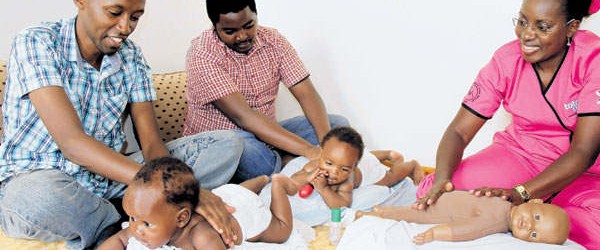
Once home, baby Ray Jayson would cry for hours – Jonathan suspected it was colic, since he had read about it. He had also heard about the services of infant massage specialists, and immediately looked up one in Nairobi. He got in touch with Susan Muriithi of Toto Touch, who taught the couple how to massage their son into total relaxation.

“She taught us how to massage the legs, feet, abdomen, chest, arms, face, buttocks and back, something that would soothe and relax him. After about 30 to 60 minutes of this, he would sleep for several hours, and with time, the colic stopped being a bother.”

Saturdays and Sundays are father and son days at this household. Jonathan says that giving Ray Jason a bath, a full body massage, and later dressing him and then lulling him to sleep is the highlight of his week.

“Massaging my baby has made me know him very well. I am in tune with his body and I know what makes him tick. Whenever something is amiss with him, I can tell immediately. For example, if he has a fever, a diaper rash, is moody, if he has not slept enough during the day, I will know instantly,” he says.

The intimate massage session, he says, allows him and the seven-month-old to communicate through their eyes. It is also a chance for them to play with each other and bond.

Many people might find Jonathan’s fatherhood style unusual. More so because traditionally, men have always distanced themselves from matters of childbirth, and frown on a hands-on approach to caring for infants. Pregnancy, delivery, breastfeeding, feeding, changing diapers and bathing children have always been left to the mother and the women around her. In fact, many men have been known to only start bonding with their children once they start to walk.

But there is a new generation of men who are breaking these norms through the kind of interaction they have with their children. Jonathan is one of them, and so is his friend, 31 year-old banker, Kennedy Muchiri.

Kennedy is a new father too: his son Jeremy is five months old.

“I knew from the start that I would be actively involved in my child’s life. From the moment I discovered that my wife Rose was pregnant, I promised her that I would accompany her for all her antenatal clinics. I only requested that she inform me of the clinic appointment a few days in advance, to enable me make the necessary arrangements at work,” says the economics and accounting graduate.

Midway through the pregnancy, his wife developed a craving for soup from a specific butchery in their Kinoo neighbourhood. Like the dedicated husband he is, he passed by the butchery every evening after work to buy her fresh soup.

But this is not all, he planned his annual leave to coincide with his wife’s due date, and when the time came, Kennedy was there, and unlike his friend who was barred from the delivery room, he was present at the operating room.

“Rose was given a partial epidural which numbed her lower body only. During the surgery, we passed the time chatting and joking,” he says.

After the delivery, Kennedy tirelessly shuttled between the nursery and the recovery room, where he spent hours monitoring both wife and son.

Once home, he bathed his son every single day during his month-long leave, especially since his wife as still recuperating from the surgery. He also diligently cleaned the umbilical cord, just like the nurses had taught him to, until it fell off. He would also change his diaper and rock him to sleep as his recovering wife rested.

In an effort to find other ways to bond with his son, he took an interest in infant massage, which had been mentioned to him by his friend Jonathan.

“The massage specialist taught my wife and I how to apply touches that would soothe and relax him. After doing so a few times, I began to read my son’s cues, and as a result discovered what makes him happy and what doesn’t.”

For the last five months, Kennedy has been massaging his son, each session lasting 30 to 60 minutes. While he used to do this on a daily basis while on leave, his work schedule allows him three days a week – once on a weekday, and every Saturday and Sunday.

He speaks proudly of his achievements.

“No one can tell me anything new about my son. I have been there for each and every one of his milestones. I can easily tell when he is unwell, when he is not happy or when he has had a rough day. I also know his temperament –he is a calm boy just like his mother.”

Proud fathers

Both Jonathan and Kennedy agree that their approach to fatherhood is quite different from that of their fathers.

“Many fathers begin to bond with their children when they are a little older – when they can talk and walk – but why, yet a child belongs to both the man and woman? I don’t see why my wife should shoulder the burden of parenting alone,” Jonathan says.

Kennedy has no memory of his father bathing or feeding him.

“My father and I mainly bonded during road trips. I have no memory of him bathing or feeding me. I do not believe in the separation of feminine and masculine roles, save for the ones that are physically limiting, such as breastfeeding. Apart from this, I do everything else for my son,” says Kennedy.

Both men talk about the roles they play openly. They do not shy away from informing their friends that they have to leave to go and give their children a bath. Actually, most of their friends are as dedicated as they are in raising their children.

As originally published in the Nation.

Warning Signs in Pregnancy: When to Call Your Doctor

6

During pregnancy, many women have lots of questions and queries. Some of them we ask our moms, our aunts, our friends, our colleagues, while some of us go to Facebook to seek answers. But, when should you stop ‘consulting’ non-medics and immediately make a visit to the hospital?

Dr. Stephen Mutiso, a consultant obstetrician/gynaecologist at KNH is our guest writer today and he lets us in on the warning signs –when a pregnant woman should seek a medic’s opinion as soon as possible.

*Antenatal care entails monthly visits to the clinic till 28 weeks gestation, then visits every two weeks till 36 weeks, and thereafter weekly visits till delivery –for those progressing well. However, sometimes there is variation from this schedule, and this depends on the needs of the expectant mother.

Sometimes, certain situations make it necessary for a pregnant woman to get in touch with her medic on an urgent basis before the next visit. This is especially when certain complications develop or danger signs are noted.

The danger signs in pregnancy include:

Bleeding

Bleeding is a very serious complication. It causes most of the maternal and foetal deaths in Kenya. Any bleeding in pregnancy –irrespective of the amount is abnormal. When bleeding is present during pregnancy it may indicate that the placenta position is on the lower aspect of the womb (placenta praevia). Bleeding may also occur when there is premature separation of the placenta. This premature separation cuts off delivery of oxygen and other nutrients to the baby, and this could lead to the baby’s death. Other causes of bleeding in pregnancy include: rupture of the uterus and bleeding from the baby (though this is rare). Heavy bleeding after delivery may arise from different causes such as relaxation of the uterus (atony), injuries in the birth canal, incomplete expulsion of placenta and sometimes bleeding disorders.

Headache, Swelling, Blurred Vision, Difficult Breathing

Severeheadache, swelling of hands and face, blurred vision, fits and difficulty in breathing indicate high blood pressure and need urgent attention. This complication is referred to as severe preeclampsia, and when fits are present it is called eclampsia. This disease is also deadly and delivery is the way out regardless of whether the baby is mature or not. Seekng immediate care from your gynaecologist is important.

Increased Body Temperature

Hotness of the body with or without vomiting may indicate presence of serious infection or malaria. Prompt treatment does save life.

Breaking of Waters

When waters break it is important to call your doctor immediately, because there is a possibility that the baby’s cord can come out and get compressed by the baby’s head, thereby stopping blood supply to the baby. This can cause death of the baby. It is also very easy for infection in the uterus to set in once the waters break. This infection is life threatening. Urgent care is therefore crucial.

Decreased Foetal Movements

Pregnant mothers should be keen on foetal movements (kicks) throughout their pregnancy. Any decrease in baby’s movement may indicate that all may not be well with the baby, and so it is important for the woman to report this observation to her gynaecologist as soon as possible.

Abdominal Pains

Intense abdominal pains require urgent evaluation by your doctor. Causes of severe abdominal pain include ectopic pregnancy; rupture of uterus, premature separation, infection of the kidney. At times, abdominal pain may be due to surgical diseases such as appendicitis, intestinal obstruction etc.

Uterine Contractions Before 37 Weeks

Contractions which occur before 37 weeks indicate premature labour. Babies born at this time could develop breathing difficulties which sometimes could prove fatal. Its advisable for expectant women to seek assistance when they start getting regular uterine contractions especially if there are more frequently than 10 minutes apart.

Important Points to Note:

– Complications during pregnancy and childbirth are common. Approximately two out of every five pregnant women experience some complication during pregnancy, childbirth and postpartum period.

– 15 percent of pregnant women develop life-threatening complications. Most complications cannot be predicted and can happen at any point during the antenatal period, during delivery or post-delivery.

– All pregnant women should be prepared to respond appropriately when complications arise by contacting their care givers immediately.

– Knowledge of danger signs of pregnancy is important to avert fatal outcomes.

– Many times, getting medical help early  makes the difference between survival and death.

Dr. Mutiso also shares some helpful information in the video below. It talks about weight and why some women may not be getting pregnant. Watch and share with a friend.

Dr. Stephen Mutiso is based at the KNH Doctor’s Plaza, Suite 26/27. He provides a  wide range of  gynaecological services including: antenatal care, delivery (normal and caesarean),  infertility  treatment, fibroids, fistula surgery, screening for reproductive tract cancers and various  gynaecological operations.

Tel: 0722 678 002 or 0788 306 674

Website: drmutiso.com Email: mutisoh@yahoo.com

My Participation in a Focus Group Discussion Talking About Child Nutrition

4

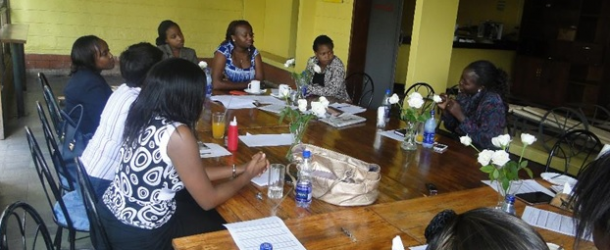
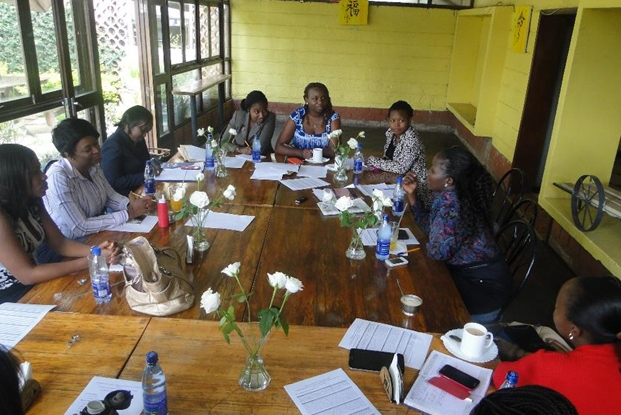
Last week on Tuesday, I attended a focus group discussion about child nutrition, which had been organized by the organization African Population and Health Research Center (APHRC) and the Ministry of Health. It was at Hongs Restaurant -opposite Yaya Center. The samosa’s and masala tea at that place are good by the way.

Anyway, moms who have children aged below two years had been invited to the discussion, and since Ello is 13 months old, I represented. The discussions were about sharing our personal experiences about our feeding practices for our kids, right from the time they were born to where they are now.

We talked about breastfeeding, what foods we’ve heard are good for boosting breastmilk supply, what foods we give when weaning (complementary feeding), how we introduce these foods, the myths or superstitions we’ve heard about when it comes to child nutrition, the roles of our moms and moms-in-law when it comes to feeding our children, etc.

The discussions were quite insightful. Among us were two Nigerian moms, and it was interesting to listen to their experiences about being new moms in Nigeria, and especially how involved their moms-in-law are in this. Both ladies said that their MILs have always played a key role when their babies have been born. Almost similar to how many of our Kenyan MILs are involved as well.

One thing these moms however said that struck me was that their little babies enjoy eating chili once they get weaned. Atia tia? Chili! Apparently, one of the favourite spices found in most Nigerian meals is chili, and kids from as young as 7 months munch on food that has chili, and they love it!  I can’t even imagine trying that out on Ello. Or Kitty. Or even myself. Me and chili we don’t get along. Never have. I tear-up when I eat chili.

Another thing I learnt came from a fellow Kenyan mom. She is from the Kamba community, and she told us of this interesting practice Kamba moms –especially those in rural villages –do to relieve colic in their babies.

She explained it like this:

–          Take some little raw honey (not the supermarket honey but the real raw honey, the real deal).

–          Put a little of it on your finger.

–          Paste it on baby’s tongue.

–          Baby swallows it.

–          Give once a day.

–          Colic stops.

–          The end.

Just like that. She said that this was a tried, tested and true practice, which she personally used on her two year old son when he was an infant and it worked! She totally advocates for it, adding that it has worked for hundreds of other women back in ukambani.

Have you heard of this practice yourself? Have you tried it out? Did it work?

Back to the discussion, it was good and lasted around two and a half hours. For me, any forum where we are discussing matters maternal and child health I am so game.

By the way the aim of this group discussion was to help the Ministry of Health and its partners improve on the different baby friendly initiatives they have among communities across the country. In this case, it was focused on how they can improve the existing nutrition practices. I hope my contribution with regard to how I feed my two boys helped them. Aside from Nairobi county, they have undertaken similar focus group discussions with moms in Kwale, Vihiga, Machakos, Kiambu and Kajiado counties.

Have a lovely day.

photos courtesy: APHRC

My Son’s Death Could Have Been Prevented -Lourdes Walusala

4

This is an article I have written in today’s Nation newspaper, in the Living magazine here. The month of May is dedicated to raising awareness on the issue of Preeclampsia, a serious condition that some pregnant women develop. Preeclampsia is a leading cause of pregnancy-related deaths. Most of these deaths are preventable, and need NOT happen.

Here is the article:

**When Lourdes Walusala found out that she was pregnant two years ago, she and her husband could hardly wait to hold their first child.

Lourdes was especially happy.

“I was excited about becoming a mother; it was the start of a new chapter in my life. I began eating right, exercising mildly, relaxing, and was determined not to let anything stress me. I was focused on having a healthy, smooth pregnancy,” she says.

She nicknamed her child, a boy, “Sunshine” and would often talk or sing to him as she went about her day-to-day activities. At the time, she was a Third Year communication student at Moi University’s Nairobi campus. Rather than make her feel overwhelmed, the pregnancy seemed to give her renewed energy to do better in her studies.

“When an answer was elusive during an exam, I would rub my belly and ask: ‘Baby, what did we study yesterday?’ and the answers would come to me,” she jokes.

Around her 24th week of pregnancy, she noticed that her legs were swelling. She informed her doctor about this during her next antenatal appointment. After routine tests, her blood pressure was found to be high and she was immediately put on medication to help lower it. During a follow-up visit, her blood pressure was still higher than normal and to be on the safe side, her doctor put her on a week-long bed rest.

Five weeks later, Lourdes one day woke up feeling troubled. Even though her baby was active, she had an unsettling feeling she could not put a finger on. She decided to consult her doctor, who then sent her for an ultrasound, her first.

“I was happy to see my son for the first time. There he was, relaxed, with his fingers inside his mouth,” she remembers.

She was relieved when the doctor informed her that her baby was in perfect condition. However, because her blood pressure was still high, he recommended bed rest for another two weeks.

The following morning, period-like pains woke Lourdes up. Unsure what that meant, she went to see her doctor, an established consultant gynaecologist with his own private practice. He assured her that all was well, that the period pains were “normal contractions”.

“Even though I was very worried, the doctor dismissed my concerns, explaining that I was only worried because it was my first pregnancy. He did not examine me or run any tests,” she says.

Instead, he gave her a prescription and after buying the medicine, Lourdes went back home. The painful contractions still persisted, and feeling fatigued, all she wanted was to sleep. However, before getting into bed, she visited the bathroom, and gasped in shock.

“My underwear was soaked in blood. I immediately called my doctor, who instructed me to go to the nearest hospital as fast as I could.”

With her husband out of the country, she sought her neighbour’s help. He drove her to the nearest hospital, a public one. She had been making plans to deliver at a private hospital. However, she was sure she would be in safe hands at this hospital, but she was wrong.

At the casualty, she was met with nonchalance.

“The receiving nurses rudely asked me why I was bleeding. ‘Did your husband beat you or did you fall?’” they asked.

They also questioned Lourdes about her decision to attend her antenatal clinic at a private facility.

“We tell you women to go to government hospitals but you don’t listen to us. Look at you now, this is the time you need us, huh?”

In excruciating pain, bleeding and desperate, Lourdes apologised profusely for the “mistake” of seeking antenatal care at a private clinic.

The unforgiving nurses then ordered her to walk to the labour ward. Nobody assisted her. After struggling to do so, she was asked to climb on to one of the beds.

“I was unable to because the bed was high and I was in great pain. My neighbour had long been sent away. When I asked for the nurses’ help, they refused, telling me if I didn’t want to help myself, then I might as well return home. Even worse, different staff (male and female) would pass by at intervals, each time asking me to part my legs so that they could inspect me. I felt stripped of all dignity,” she recalls.

About four hours later, and with no signs of being suitably attended to, she resigned herself to the probability of dying. She was sure that day, 14 June, 2013, was going to be her last on earth. She was never going to be a mother.

About two weeks before this, the government had introduced free maternity services. As a result, the labour ward in this hospital was filled with many pregnant women, some writhing in pain on the floor and others, like Lourdes, soaking the floor with their blood.

Lourdes says that when she tried to seek the nurses’ help, they rebuked her, retorting that the government had decided to offer free maternity services, but had not allocated money to facilitate this and neither had it employed more nurses.

“I wondered why I was being punished for a policy I had nothing to do with,” Lourdes said.

Lonely, scared, and numbed by the pain in her belly, she was relieved when, from afar, she heard her doctor’s voice. He had arrived to attend to her. Moments later, she was transferred to the hospital’s private wing. Soon afterwards, she was rushed to the theatre for emergency surgery.

When she came to, she heard what must have been cries of new-borns and asked the nurse nearby to hand over her son. Instead, she was told her that her doctor was on his way. When he arrived, he did not bear good news. He simply informed her that her son had died. His words are forever etched in her memory:

“Lourdes, by the time you went to theatre, you had lost too much blood and your son was already dead. We were trying to save your life.”

NOTHING TO SHOW

She remembers laughing at the doctor’s words. There was no way her son would be dead. Were those not his cries she was hearing?

However, reality soon dawned on her when a short while later, she saw a little girl going around the ward, greeting new mothers and admiring their newborns.

“When the girl came to me, she asked: ‘Aunty, where is your baby’?” That is when it hit me that I had no baby. My Sunshine was dead. It hit me like a thunderbolt. It was the worst pain I have ever felt. I cried as I have never cried before. I wanted to die too.”

A few days later, Lourdes was discharged from hospital. She had no baby, yet had a caesarean wound and engorged breasts. Lourdes was inconsolable.

“I cried every day. I had done everything right. I had taken good care of myself and my pregnancy, attending my clinics religiously once each month. I was seeing an experienced gynaecologist and paying a couple of thousands for each consultation, yet I lost my baby.”

She sunk into depression.

“The more I mourned my son, the more I feared that I was going mad. Many times I found myself lying in the backyard, yearning to scream my lungs out just so that the pain in my heart would go away. I became suicidal, longing for death.”

It was the encouragement and support of her husband, family, colleagues, and friends that pulled Lourdes from that dark place. She also sought counselling, which helped her deal with the overwhelming grief.

It is almost a year now since she lost her Sunshine and, finally, Lourdes can now talk about her experience as part of her healing process and also in the hope that it will help another woman to save her unborn child’s life.

“Later, I found out that preeclampsia was responsible for the loss of my son. I advise all pregnant women to be wary of this condition and to be aware of all the danger signs. They should also seek a second opinion and not rely on one doctor’s diagnosis, especially if in doubt.”

Lourdes also wishes the government would address issues of the ill-treatment that pregnant women are subjected to at public hospitals across the country.

She says, “Pregnant women deserve the best care and it should not matter if they are in a public or private facility. Even though there is a shortage of health personnel, there should be a deliberate effort to select suitable staff for maternity departments because the birth process is very delicate and needs workers who have a genuine compassion for mothers and newborns.”

Lourdes has a blog where she talks about maternal health issues. Through it, she has met many women who too have lost their babies in circumstances that could have been avoided. It is through this interaction that she has now formed a support group for women who have gone through a similar experience. They often meet to uplift, counsel, and encourage each other.**

Lourdes Blog: lourdesdiary.wordpress.com

Lourdes email: lourdeswalusala@yahoo.com

Thank you Lourdes for sharing your story.

Are Those the Polio People Knocking on our Doors – AGAIN???

0

Are those the Polio People Knocking on our Doors – AGAIN?? That is the question that I’m hearing many moms around me asking –specifically those in Nairobi. “All those many vaccines, aren’t they overdosing our babies? Are they safe? Are all of them necessary in the first place,” they ask.

By now, you’ve probably seen or met with Ministry of Health officials going from house to house in the estate inquiring about households that have children aged below 5 years. They are then giving them another round of the Polio vaccine. There have been several vaccines given before, and this is yet another round. The campaign began on Saturday 10 May and will end tomorrow Wednesday 14 May. This campaign is being done in 25 counties only.

But why are there so many of these Polio campaigns? Haven’t our babies had enough of them surely?

My two sons – one aged 3 years and the other 1 year are among the core target groups for these campaigns. They target children under 5 years because Polio is a crippling disease which can strike at any age, but it mainly affects children under 5 years. So for me, I have ensured that my boys have received all their vaccinations when they have been in good health. But for a while, me too I had been wondering why there are so many of these Polio campaigns every so often.

My questions were answered when about three weeks ago, I attended a media briefing by the Ministry of Health. There, I got to understand why there have been so many of these Polio vaccination campaigns. And I will share with you this information.

Allow me to start with some chronology first.

In 1984, the Polio virus was reported in Kenya. After that, the country remained Polio-free for about 22 years.

In 2006, there were 2 reported cases of Polio in Kenya –which were importations from Somalia.

Three years later, in 2009, there were 19 detected cases of Polio in Turkana, and which originated from South Sudan.

In 2011, there was a case of Polio in Rongo, Nyanza –which was linked to the 2010 outbreak in Uganda, which was in turn linked to the 2009 outbreak in Kenya.

As of August 2013, there had been 12 confirmed Polio cases, which were linked to an outbreak in Somalia.

And that is in summary how Polio came back into Kenya after being absent for 22 years.

Now, for as long as ONE child in Kenya has Polio, then children all across the country are at risk of contracting the disease. The Polio virus knows no borders, and considering that carriers may frequently travel, the virus can appear just about anywhere –even in an area that was previously considered ‘safe’.

And that is why the government is carrying out national vaccination campaigns –to ensure that all children are immunized from Polio. By the way, these campaigns are in addition to the routine vaccinations that all children are supposed to take. Routine Polio immunization in Kenya is done four times: at birth, at 6 weeks, at 10 weeks and at 14 weeks of age.  Additional doses, such as the ones given during national campaigns give valuable protection against Polio. And by the way it is important to take note that only 80% of the children get full immunization after 3 doses of routine immunization.

Now, if a significant number of children don’t get the vaccine during a campaign, then another round has to be done. ALL children must be immunized. That is why there is another campaign happening now, and which is being done in 25 counties only. These counties are:  Baringo, Bungoma, Busia, Elgeyo Marakwet, Garissa and refugee camps, Homabay, Isiolo, Kakamega, Kilifi, Kisii, Kisumu, Kwale, Lamu, Mandera, Marsabit, Migori, Mombasa, Nairobi, Siaya, Tana River, Trans Nzoia, Turkana and Kakuma Refugee camp, Vihiga, Wajir and West Pokot.

So if you happen to be in one of those counties and have a child aged under 5 years, please ensure they receive the dose. Incase the Ministry of Health workers come to your house and don’t find you, then you can take your kids to the nearest health center, as the vaccine is available in all health centers also (for free). They are also giving it to children in schools, basically ensuring that they try and capture all kids.

And by the way, the Polio vaccine at the hospital is the same one as that being given by the Ministry of Health workers. They are not different.

So there, I hope you’ve learnt something about why the many Polio vaccines. Also note that the vaccines are very safe, and there is no such thing like an ‘overdose of Polio vaccine’. :)

Ginger Helps to Reduce Morning Sickness in Pregnancy

1

When I was pregnant with my second son Ello, I had lots of morning sickness. With my first son Kitty, I had nothing of the sort. I guess that’s why they say every pregnancy is different.

I remember on one of the days I was having bad nausea, my sister advised me to eat ginger -in it’s raw form. She said munching on raw ginger had worked perfectly for her during her two pregnancies. But the thought of eating raw ginger didn’t sound too appealing to me, so she suggested that I try eat ginger cookies instead. She also suggested that I add powdered ginger into my tea.

Also Read: Should a Pregnant Woman Eat Liver?

So I went and bought me some powder ginger and made some tea -which I ate with ginger cookies. And imagine it worked!!!! When I felt the nausea coming from far, I would hurriedly sip on the ginger tea and eat the ginger cookies and that got me through.

So if you’re experiencing bad nausea, try eating the raw ginger like my sister, or you can eat the ginger tea and cookies like me. Find whatever works for you :).

To all the pregnant moms, enjoy your pregnancy and best wishes.

Advertisement

POPULAR POSTS

error: Not Allowed