














Home Blog Page 53

When the Nurse is on Leave, the Dispensary Remains Closed (Kitui County)
1

I recently travelled to Ukambani, specifically Mwingi district in Kitui County to have a feel of what maternal health there is like. I visited two clinics: Nyaani dispensary and Kakululo dispensary.

My first stop was Nyaani dispensary which is in Nuu location, Mwingi East district.

This dispensary is served by Damaris Wanjiru, a midwife and community nurse who has worked there since 2011. Damaris is the only health provider in the dispensary that serves a population of about 7,400 people.

Damaris sees all the outpatient clients (both male and female, adults and children alike). She also attends to those seeking family planning services and sees pregnant women who come for antenatal services.

Damaris is also the one who single-handedly delivers babies at the facility. She is the one who immunizes children and does routine checkups for babies.

But that’s not all. Damaris is the one who does nutritional counselling and runs the supplementary feeding programme at the facility.

She is the one who undertakes all managerial responsibilities at the facility. Basically, 29 year-old Damaris is a one-stop shop in herself.

Damaris works Monday – Monday from 8am – 5pm for three weeks straight. On the fourth week, she takes a break and travels to see her four year old child back in Nairobi where her family is.

When Damaris is on leave, Nyaani dispensary remains closed until the day she returns. When she falls sick, the dispensary remains closed for the day.

During such times when she is away, patients seeking health services either have to wait for her return, or have to find their way to the nearest health facility, which is about 7 kilometers away. The pathways in Nuu location where Nyaani dispensary is located are rough terrain. The roads are inexistent. All there is are dusty paths, stones and rocks. Combined with the scorching heat and lack of water in the area, the journey for a pregnant woman or a sick person can be quite challenging.

The next health facility I visited was Kakululo dispensary in Nguutani location, Migwani district. There, I met Miriam Macharia, a midwife and community nurse who runs the facility.

Miriam has been working in Kakululo dispensary for the last five years. And just like Damaris, she is the only health worker at the facility which serves a population of about 6,000 people.

Miriam undertakes all tasks that pertain to provision of health services to all patients seeking services there. Just like Damaris, she offers outpatient services, maternity services and child health services including immunization and nutrition services.

Miriam is responsible for all the operations of the health facility. When she goes on leave or when she falls sick, Kakululo dispensary remains closed, meaning that those who wish to access health services either have to postpone their visit, or find their way to the next health facility, which is about 6 kilometres away.

Mr. Paul Musai, a Public Health Officer in Kitui County where Nyaani and Kakululo dispensaries are told me that while Kitui County has a good number of health facilities, the problem is that there are not enough health workers.

“We have more than 20 well-constructed dispensaries that can serve the population adequately. The problem is there are no health workers to serve people. What is the point of having beautiful structures that have no patients because there is no one to serve them?” he asked.

At the time of talking to him (July 2014), Musai informed me that three dispensaries were at that very moment shut because the nurses, who single-handedly operate the facilities, were on maternity leave.

The irony, according to Mr. Musai, is that there are plenty of professionally trained health workers in Kitui County who are unemployed because they cannot find jobs. Yet dispensaries remain closed because there are no health workers.

The fact that a health facility can remain closed because someone is on leave is very sad. Even if patients are advised to seek services at the nearest health facility where walking is the only form of mobility, it is highly unlikely someone will do so if the nearest health facility is more than 5km away. Now imagine the case of a pregnant woman, especially one in labor. Will she really make it?

Now, considering that over 70% of Kenya’s population lives in the rural areas, I believe that Nyaani and Kakululo dispensaries are representative of the situation in many parts of the country.

But Musai tells me he knows where exactly the problem is.

“There have been lots of challenges because of devolution. There is alot of confusion between the roles of the central government versus those of the county governments about matters of hiring and deployment of public personnel, as well as issues to do with their salaries.

The way I understand it is that the county government is the one that is supposed to recruit and deploy personnel, with the national government taking care of their salaries. So in my opinion, the Kitui county government is the one that is lagging behind, since it is over a year now and they have not even began the process of advertising the jobs, let alone interviewing candidates. Meanwhile, our sick men, pregnant women and children continue to suffer,” he says.

Following the adoption of a new Constitution in 2010 and subsequent devolution in 2013, Kenyans were hopeful that there would be improved services in many sectors, including health. They knew that they would have access to better services provided for them by their county governments.

Today though, many Kenyans are disappointed. Access to quality health services still remains a huge challenge for them –as devolution of health services continues to be a huge teething problem.

The issue of health worker shortages is really a serious one. This problem is more heavily felt in the rural areas than urban areas.

Wherein lies the problem? Are there no incentives for health professionals to work in rural areas? And if so, what are are the plans of both the Central and County governments to attract and retain healthworkers, in a bid to curb their exit to the private sector?

In the meantime, who will serve the people in areas such as Kitui when nurses such as Damaris and Miriam go on leave? What are the missed opportunities when this happens?

What happens when a woman goes for family planning services but finds the facility shut down? Will she be motivated enough to trek to the nearest health facility kilometers away yet she has pending houeshold chores, or will she decide to postpone sex until the day the nurse returns and will her husband be as understanding?

What happens when a pregnant woman goes to deliver and finds the facility closed? She is likely to deliver with the assistance of an unskilled attendant. And we all know the risks this has for both mother and her baby.

Lately, I have visited a number of public health facilities, and I do commend the government for its work. I do know that the central government does a lot in terms of offering health services to it’s people.

However, a lot more needs to be done. Even though there is assistance provided from the private sector in some health programmes (AMREF Health Africa has trained several midwives and community health workers in Kitui), the onus is on the governments (both Central and County) to do more to ensure that quality health services are accessible to Kenyans at anytime they need them. That issue of a facility being closed down because of someone being on maternity leave is unacceptable.

So that marked my first debut assignment to health facilities outside Nairobi to write about maternal health. I hope there will be more of these in days to come.

Are you implementing a community project targeting mothers that you’d like me to write about? Email me on maryanne@mummytales.com and I’ll get back to you.

You may also like to read:

Kala Azar Disease in Turkana

Melvin Barongo Talks About her Life with Fistula for the Last Ten Years

Sodomy: a Kenyan Mother Recounts her Son’s Path to Justice

Spending a ‘Mother’s Day’ at Kawangware

Mummy Tales is a platform dedicated to empowering its readers on different aspects of womanhood and motherhood. Read more motherhood experiences of Kenyan moms hereConnect with Mummy Tales on: FACEBOOK l YOU TUBE l INSTAGRAM l TWITTER

Spending a ‘Mother’s Day’ at Kawangware

2

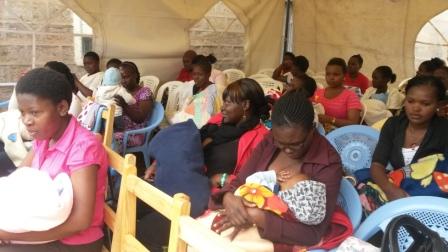
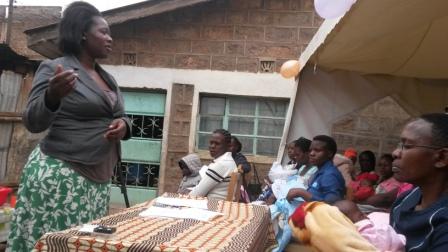
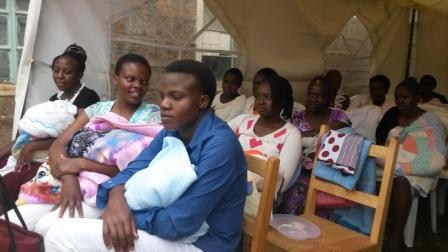
Yesterday, I was in Kawangware where I spent the day with new moms and a few pregnant women. This was at FreMo clinic where every three months, they hold a ‘Mother’s Day’,  which is a day to celebrate new moms and those just about to become new moms. What happens is that the women share their experiences and learn from each other. They also receive information from midwives about taking care of their pregnancies, family planning, and how to take care of the newborns. Well, I’m not quite a new mom, but I just enjoy participating in motherhood forums where we can all learn from each other.

So what did we do?

We talked about our experiences during antenatal visits, about labor and delivery, and also how we are now taking care of our babies.

Seeing as most of the moms present were new moms, the main discussions revolved around their antenatal clinic experiences, as well as the interesting labor experiences. The pregnant moms got to learn alot from this.

Now, there was this one particular lady called Sylvia whose experience particularly stood out. She talked of the importance for pregnant women, especially first time moms, to take time to understand, beforehand, about the birthing process. This is why:

“When I was in labor with my first child, I went to deliver in this health facility that looked good, but I don’t think it had competent staff. During labor, the nurses attending to me were unsure of what to do, and they kept second-guessing themselves. I didn’t know what to do either, so we were both lost. They were confused and kept asking each other what was supposed to happen next, and I figured they were new to the whole birthing process. I ended up having prolonged labor and I had to go in for a caesarean section which I believe could have been prevented had the nurses known to do during the early stages of labor. My advice is don’t just go to any hospital, go to a hospital that you are sure has qualified personnel. Also make sure you have a fair understanding of the birth process by reading up on it, or talking to fellow mothers who can advice you as they share their experiences,” she said.

The second time round, Sylvia, who just a few weeks ago delivered her second baby was much wiser, and delivered at a hospital where she went on to have a natural delivery (dispelling the myth that once you have a CS, you can’t deliver normally after that). So yesterday she was advising pregnant moms to ensure they attend all their antenatal clinics and during that time, ask all questions they may have about pregnancy and birth. The good thing is that FreMo offers free Lamaze classes to women and their partners in their last trimester (those of us who have done Lamaze classes have paid a pretty penny for this).

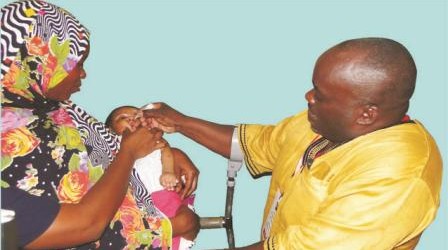
The midwives also gave the new moms information about breastfeeding and proper nutrition for themselves and their babies. They also shared about vaccines and routine immunizations for their babies. It also happened to be the day that Rotavirus was being officially launched in Machakos by the First Lady Margaret Kenyatta, and the new moms got to be given this information by the midwives. Most moms had no idea that the Rotavirus vaccine was now being offered for free in all health facilities –both public and private.

So that was my yesterday, a day well spent. The weather by the way was quite chilly, and I salute the moms who turned up for the session. Thankfully, we got served some hot tea and bread which helped take some of the chills away. Plus it was also good to see most of the babies dressed in boshori’s and wrapped in layers of warm blankets.

Have a lovely day.

Event: Early Intervention Consultation for Children with Special Needs

0

Does your child have difficulties with: walking, school, talking, playing, concentration, behavior, feeding or looking after self? Or do you know of any child who fits any of that description?

Special Education Professionals will be conducting an early intervention consultation on Saturday 19 July 2014 at Gertrude’s Hosptial Muthaiga. Parents and guardians of children with special needs are encouraged to attend.

On that day, advice on how to help such a child while at home will be given by physiotherapists, speech and language therapists, occupational therapists, special needs teachers, psychologists and other specialists if need be.

Charges are Ksh 300 /=

 Share this with any parent you think would benefit from this information.

How Babies are Sold in Kayole, Nairobi

5

Society amazes me everyday. Like now, did you catch the news item yesterday on Citizen TV about the sale of babies in Kayole?

For about 150,000 shillings, you can get yourself a bouncing baby boy or girl –though the cost for a baby boy may be abit higher coz they ‘sell like hotcake’ -literally. And no need to worry, the dealers have enough ‘stock’. Shocking.

Let me not talk much. Watch this news item.

Polio Shattered my Dreams to be a KDF Soldier -Harold Kipchumba

0

A few days ago, I had the opportunity to meet Harold Kipchumba for a newspaper feature article I was working on.

Kipchumba is the man you see in the polio campaign messages by the Ministry of Health saying that if only his mother had known about the importance of the polio vaccine, then she would have ensured that he was fully vaccinated when he was a little boy. This, he believes, would have ensured that he didn’t get polio.

While talking to Kipchumba, he revealed that he’d always dreamed of serving in the military –specifically in the KDF. He even turned up for the recruitment exercise in 1986, but was promptly turned away because of his disability. He says that were it not for polio, then his dreams to be a soldier would have come to be.

This is his story.

**Growing up as a young boy in the small village of Kaptiony in Baringo County, 52-year-old Harold Kipchumba vividly remembers some of his childhood escapades.

“I would run wildly with other boys picking wild fruits, playing hide and seek games and chasing after birds while herding cattle.”

This however changed one day when at four years old; Kipchumba began feeling unwell.

“I felt pain in my body, I felt tired and I felt weak. Unable to get out and play with my friends, I remained indoors with my mother,” he remembers.

But his mother thought he was just being lazy.

“She scolded me, saying I was being sluggish because I wanted to avoid doing house chores such as fetching water and firewood. She thought I only wanted to eat and sleep.”

Within a week, Kipchumba found himself completely unable to move his body from the waist down, especially his legs. It was only then that his parents took the matter seriously.

“They thought someone had poisoned me and pestered me about whose home I had visited and what I had eaten there. They asked who I had met along the way, and if the person had looked at me with bad eyes — thinking that a jealous neighbour had bewitched me. They also asked if I had eaten any wild fruits that may have been poisonous, or if I had touched any wild leaves that could have caused an allergic reaction on my legs,” he recalls.

His parents then sought the expertise of local herbalists to help cure their son.

“The medicine men made me swallow bitter concoctions. They would painfully massage my legs with traditional herbs and oils as they tried to straighten them. But none of their cures worked.”

Finally, after two months and with his legs still immobile, Kipchumba’s parents decided to take him to hospital.

And therein lay another challenge.

The nearest health centre was 40 km away from Kaptiony village. With no public transport in the area, the family had to wait for days for a Good Samaritan to offer them transport.

Eventually, Kipchumba and his parents reached the hospital. But there was no good news for them.

“The doctor said I had polio, which was irreversible. They told my parents that the condition could have been prevented if they had been keen on ensuring I had received all the polio vaccines in my early childhood.”

Kipchumba’s mother did not take the news of her son’s paralysis well, and spent years seeking a cure for him.

“She took me to countless traditional medicine men across the country — from Ukambani, to Kisii, to Kisumu. But none of them ever healed me. It was an exhausting experience for her, as she would get weary carrying me on her back as I was unable to walk or stand. I was big and heavy, but her determination is what kept her going,” he recalls.

Back in the village, Kipchumba would admire his age mates who had already started school.

“I was not in school because the interview for class one required one to touch their left ear with the right hand. I was short and plump with a big head and a very heavy upper body, so I repeatedly failed this test because I could not get my hand over my head. I watched all my age mates go to school while I stayed at home simply because I could not pass this interview,” he recalls.

Frustrated, Kipchumba’s mother decided to return him to hospital. And then she did the unexpected.

“My mother dropped me at the hospital and left, never to return for me. After a while, some Catholic nuns noticed me and took me with them to Nyabondo Home for the Crippled in Kisumu. There, I underwent rehabilitation for my legs, and I was also able to get an education.”

However, the young boy always remained hopeful that his mother would return for him someday.

“As I watched my friends get visited by their family on visiting days and be picked by their parents on closing day, I always stared at the gate, looking out for my mother. But she never came.”

That notwithstanding, Kipchumba was a bright pupil, and scored well enough to earn him a spot in Lenana School, a national school in Nairobi. While there, the school helped trace his family. It had been more than 13 years since he had seen his mother. He remembers the reunion.

“I cannot forget that moment. I was overjoyed. On seeing me, my mother shed tears, apologising profusely — saying she had never meant to leave me at the hospital, but had done so out of helplessness and frustration. Begging for my forgiveness, mother told me she had spent years regretting her decision to abandon me. I was too happy to see her and easily forgave her. I was also reunited with my siblings, including those who had been born after I had left,” he says.

After competing secondary school, Kipchumba was admitted to Kenyatta College (now university) for a degree course, but turned it down for an offer at Kimmage Development Centre in Ireland where he pursued development studies. He however says that one of his greatest dreams while growing up was to be a military man.

“When I showed up for the recruitment exercise in 1986 at the age of 24 years, the officers were shocked at my presence. They asked me why I was there, yet they had made it very clear that they wanted youths who were physically fit.

“I argued with them, saying I was physically fit, only that I was in crutches. Besides, I told them that I was capable enough to serve in the military in the administration, logistics or planning departments. But they turned me away.”

Dejected, the young Kipchumba returned home.

“If my mother had ensured I had received those two polio drops, then my dream to serve in Kenya’s Defence Forces would have been valid, just like Lupita’s.”

Kipchumba, who holds a Masters degree in Local Governance and Leadership, is today a development consultant. Married with three children, he finds time off his busy schedule to participate in polio campaigns. He works together with the Ministry of Health to champion the cause of polio across the country.

Polio is an infectious disease that attacks the nervous system and can lead to paralysis, disability or even death. The polio virus enters the body through the mouth in water or food that has been contaminated with faecal material from an infected person.

The disease mainly affects children under five years old who are not fully vaccinated. Children in Kenya are vaccinated against polio in routine immunisations through the Kenya Expanded Programme of Vaccination (Kepi). They are required to receive at least four doses of the oral polio vaccine in the first year of life. Polio symptoms include fever, fatigue, headache, vomiting, stiffness in the neck and pain in the limbs. For every 200 people infected with polio, one of them ends up with irreversible paralysis (usually in the legs). Among those paralysed, 5 – 10 per cent die when their breathing muscles become immobilised by the virus.

While many countries across the world have managed to completely eradicate polio, others still continue to grapple with this preventable disease. Kenya is one of them, and has an interesting history to it.

For 22 years from 1984 to 2006, Kenya was polio-free. However, this changed with the influx of foreign nationals into the country, mainly those from neighbouring countries. In 2006, two polio cases were reported in the country, which were importations from Somalia. In 2009, there were 19 detected cases of the virus in Turkana, which were importations from South Sudan. Another case was detected in Rongo, Nyanza province in 2011, and which was linked to the 2010 outbreak in Uganda — which was in turn linked to the 2009 outbreak in Kenya. As of December 2013, there were 14 confirmed cases in the country.

In light of this, the Ministry of Heath has been working with partners such as Unicef, World Health Organisation, and polio ambassadors such as Kipchumba in conducting mass immunisation campaigns to ensure all children are vaccinated against polio. Polio has no cure, and can only be prevented through immunisation.

According to Dr Ian Njeru, the head of the Division of Disease Surveillance and Response, these campaigns will continue taking place until all children are reached.

“All children in the country must be immunised, because for as long as there is a detected polio case, then all children across the country are at risk,” he says.

The polio virus knows no borders and carriers frequently move from place to place. Meaning the virus can appear anywhere in the country. Despite heightened awareness campaigns, the ministry is still not achieving its target of having more than 90 per cent of children immunised.

“Some of the barriers include religious sects that do not believe in vaccination or modern medicine. The poor infrastructure and dire security situation in some regions has also made it hard for us to reach all children,” he says.

According to Dr Njeru, children who have received previous polio vaccines should still be immunised in every campaign.

“It is safe to administer multiple doses of the polio vaccine to children. The extra doses give valuable additional immunity against polio,” he says.**

I originally published this article in The Star.

How to Care for a Newborn in the First Hours After Delivery

0

Sometimes, labor comes so unexpectedly, that a woman has no time to get to a health center in good time. So she ends up giving birth either at home or en-route to hospital.

Or sometimes, a health center is not an option for her in the first place, owing to different reasons such as lack of access because the nearest facility is miles away, lack of transport, personal preference (there are women who prefer to give birth with the assistance of Traditional Birth Attendants), and other such reasons. This is pretty common in many of our rural areas.

Now, if you ever come across a woman who intends to give birth at home, or one who has just delivered at home, would you know how to advise her on how best she can take care of her newborn? We all know how delicate newborns can be, and the first hours and days of their lives are very critical. You never know… one day you may just find yourself in such a situation where you need to help such a new mum.

Well, I came across this video and I must say I have learnt alot!!! The video demonstrates the key steps on what one is supposed to do after the delivery of a baby who is born away from a health facility. It covers how to dry the baby immediately after birth, cutting the umbilical cord, the importance of breastfeeding immediately after birth, watching out for the signs that will let you know that all is not well with the newborn, etd. It’s really easy to follow and I like the video’s simplicity and creativity. Here, have a look at it and learn.

How to care for a Newborn – the first hours after delivery from Medical Aid Films on Vimeo.

Enter to Win a Diaper Giveaway!

0

Diapers diapers diapers! As a mom of a little baby, one of the things you can never have enough of is diapers. Your shopping list almost always has this item because your baby goes through quite a number of them in a day. This is especially so if you use disposable diapers.

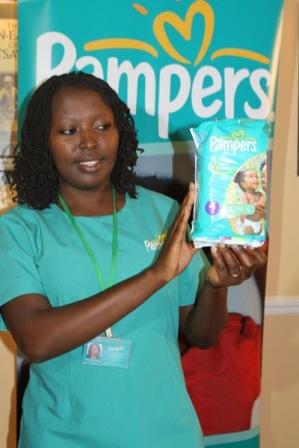
So, incase you’re one such mom who uses disposable diapers, how would you like to win 2 packets of Pampers Premium Care diapers? Each pack has 44 pieces, and they are both the large size (4) which can fit babies who weigh between 7 – 18 kg’s.

So what do you need to do to win?

All you need to do is upload a cute photo of you and your baby / babies on the Mummy Tales Facebook page, with a comment about the best advice you received when you were a new mum.  You know how we all get lots of invaluable advice from our mothers, our aunts, cousins, our grandmothers, our friends, our colleagues, our neighbours, our Facebook friends etc when we become new mums. So what is that one piece of advice that someone gave you and which particularly stood out?

Then get your friends to like your photo and comment, and the one with the most likes will be the winner. The winner will also be featured here on the Mummy Tales blog.

Contest is only open to moms in Kenya.

Competition starts Tuesday 1 July and closes on Wednesday 9 July 2014 at 10pm.

All the best!

Should You Take Flowers to a New Mum in Hospital?

4

Flowers in a room… and if to take them to a hospital when visiting a patient.

Now, many of us love flowers because not only do they brighten up the room, but they are so beautiful and they smell so nice. That’s why we take them to hospital when going to see a loved one (especially a female patient) because they do wonders in cheering up their spirits, knowing only too well how boring hospital ceilings can be.

However, I have more than once heard people say that it’s not good to take flowers to a new mom in hospital. But why?

I asked a maternity ward nurse –Asha Kaberia who is also a Lamaze instructor/doula about this. Asha said:

“Flowers are not ideal in a new mom’s room because some newborns react to the pollen, and could make them have allergic reactions. So since you don’t know if the newborn you are going to visit has a pollen allergy, it’s better just to stay off the flowers and get the new mom something else altogether.”

So if you are going to visit a new mom in hospital, maybe you could get her something else instead of flowers? I always say that you can never go wrong with diapers. Every new mom appreciates diapers, so consider getting her some.

Have a lovely day.

You may also Like:

Asha_Kaberia

Meet Asha Kaberia, and why She’s a Person of Interest 

The Upgraded Pampers Diapers: Drier, Undisturbed Nights of Sleep for Baby

4

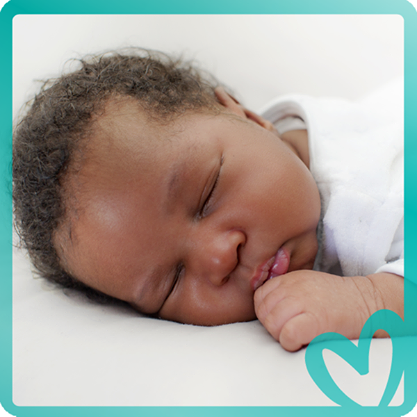
As a mom, and from the many interactions I have with fellow moms, one of the issues that pepper our conversations are the sometimes sleepless nights –courtesy of wet diapers that interrupt babies’ sleep. And we all know that when baby is uncomfortable and fussy, then there is no rest for mummy too!

Even doctors talk of the relationship between diapers and baby’s development.

Dr. David Githanga, a paediatrician and Chairman of the Kenya Paediatric Association (KPA) says that quality, uninterrupted sleep is important for every baby as it helps them wake up well rested, cheerful and ready to start the day.

“Ensuring baby remains dry at night may be one way to prevent his sleep being unnecessarily disturbed. Using a highly absorbent diaper is one simple step towards guarding baby’s night time sleep for moms,” says Dr. Githanga.

That is why it’s important to find a diaper that keeps baby dry for a whole night of sleep. And when baby sleeps well, mommy can get her well-deserved rest too!

The newly upgraded Pampers diapers have been made specifically for this –to give baby a night of uninterrupted sleep. This diaper comes in all sizes, and comes with a core containing more absorbent gel material (AGM), which absorbs and locks in wetness. This gel is what helps keep away the wetness away from baby’s skin.

Procter & Gamble, the makers of Pampers diapers say that they upgraded the diapers as a result of numerous enquiries by mothers about a diaper that would provide overnight dryness for their little ones.

“When babies sleep better, they wake up more active and able to enjoy the day. Mothers have asked for a more absorbent diaper as well as one that is a perfect fit to their babies’ anatomies and this is what the new and improved Pampers diapers offers them.

Diapers have to work extra-hard for baby at night-time, as they need to absorb up to 50% more liquid than they do during the day. The new and improved Pampers diaper now has more super gel that absorbs and locks away wetness, keeping babies’ skin drier overnight,” says Pampers Brand Manager Inem Nsimah.

At the Baby Banda Pregnancy and Baby Fair held earlier this year, attending moms were given an opportunity to sample the new product and this is what a few of them had to say:

Bella Makokha: I have tried the new diapers and they are very absorbent and light for the baby’s comfort. They are worth it.

Susan Manosu: I’m grateful for the new pampers n am so happy because they keep my daughter dry all day n all night. Thank you so much

Beth Nyaga: First, I want to thank you for giving me the honor of being among the first moms to try the new improved pampers size 5. I used it since Friday night and I must say am a happy mum. It does not soak fast and fits my baby who is 16kg perfectly. No more side leaks. So what exactly is the essence of these diapers?

Pampers diapers have a layered construction, which allows the transfer and distribution of liquid away from baby’s skin to an absorbent core where the liquid is locked away to keep baby comfortable and dry.

How so?

First, a baby’s urine quickly penetrates the topsheet, a soft, cloth-like film which becomes a barrier against wetness.

Then, the dual acquisition layer speeds away the wetness from baby’s skin and spreads it over the storage core. The wetness flows into the void spaces in the core and away from baby’s skin. This acts as another barrier to prevent wetness from coming into contact with baby’s skin.

Finally, the increased quantity of absorbent gelling material (AGM) in the core ensures that the wetness is locked away. The gelling material absorbs and stores up to 30 times its own weight.

Also good to know is that the outer covering of the diaper, also known as the back sheet, is typically made of a cloth-like film composite that prevents wetness transfer to the bed or clothes.

Are These Ingredients and Materials Safe?

Pampers Brand Manager Inem Nsimah says that the upgraded Pampers diapers available to Kenyan moms today is a result of a science-based process of research, development and innovation.

“All ingredients in the diaper are tested to evaluate their safety and efficacy and then extensively tested with moms and babies in real-life situations to create products that adhere to the highest standards of performance and quality” she says.

This diaper by the way sells at the same usual Pampers price.

So, have you tried out the new upgraded Pampers? What do you think about them?

Parents with Daughters -are Socialites and Diva’s Raising your Girls?

3

Vera Sidika, Campus diva, Rihanna….this is an opinion article I published in the newspaper this week. Do you share the same thoughts?

*There is an emerging crop of young women in their early to mid-twenties who are causing a ruckus in the public eye, specifically through the media. They are musicians, actresses, socialites, campus divas and the like.

These young women are getting heavy mentions in entertainment television, radio, magazines, blogs, and other social media platforms. Some are known for their raunchy songs with lewd lyrics that promote the use of drugs, excessive alcohol, violence, sex, and promiscuity — lyrics peppered with lots of curse words.

Some are getting paid hundreds of dollars just to look pretty, and who spend time and money bragging about their lavish lifestyles funded by their boyfriends — mostly older, married men — in exchange for sexual favours of course.

These women may not necessarily know each other, but they have two common denominators: one; the overt use of their bodies for financial or material gain, and two; their unapologetic attitudes about their lifestyle.

The ladies have no qualms appearing almost nude in public, and posting hundreds of semi-nude photos in their multiple social media accounts, which have a herd following of thousands of fans, mainly pre-teen girls, teenagers, and young adults. Many girls view them as their role models, aspiring to be just as pretty, famous, rich and successful as them someday.

Now, these young women are living their lives the way they want to. They have no reservations propagating lifestyles that demean women’s bodies and the essence of womanhood. They have chosen to live that way, and regardless of what we say or think about their choices, they really don’t care. And whether we like it or not, these women influence a huge number of girls.

I have heard many parents complain about these women. They call them ‘ratchet’. Referring to them as women of loose morals and wondering who their mothers are. Parents wonder what kind of role models these young women are to their daughters.

One thing I’d like to tell the lamenting parents is that these celebrities are not about to stop what they are doing. They thoroughly enjoy what they do, and it doesn’t matter what anybody says or thinks about them.

In fact, they repeatedly announce that they are not role models, and have never been interested in being role models. That it is the public that bestows on them the title of ‘role model’ against their wishes.

Still, many girls still look up to these women and aspire to be like them. So the best thing for parents to do is to focus on moulding their children well, and instilling in them desired morals and values.

One may argue that parents must prevent their children from listening to or watching these women’s lewd videos, or consuming their sexy photographs via the internet or magazines.

But the truth is, hard as parents try to shield their children from such, they cannot carry them in their handbags everywhere they go. At some point, the children will deliberately or accidentally come across this information.

So instead of spending time grumbling about how their innocent girls are getting spoilt, parents should instead be working harder at instilling in their children values that will stand the test of time.

In addition, parents should discuss with their children about suitable role models, not forgetting that they themselves must be the first role models to their kids. Parents should introduce their children to women who are appropriate role models. Ladies who may not be as popular as the raunchy celebrities, but ladies who are of good moral standing. Parents must help their daughters identify women whose lifestyles do not demean the beauty and essence of a woman.

Remember, it’s not the job of celebrities to raise your children. It is your responsibility and if you don’t do it well, then celebrities, the television, Facebook, Twitter, Instagram and other social media will raise them for you.*

As originally published here.

Those are my thoughts. What are yours?

Advertisement

POPULAR POSTS

error: Not Allowed