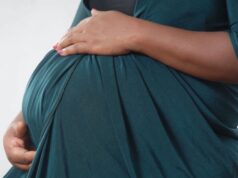







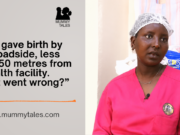



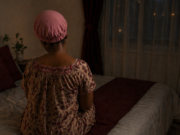
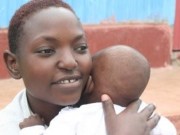










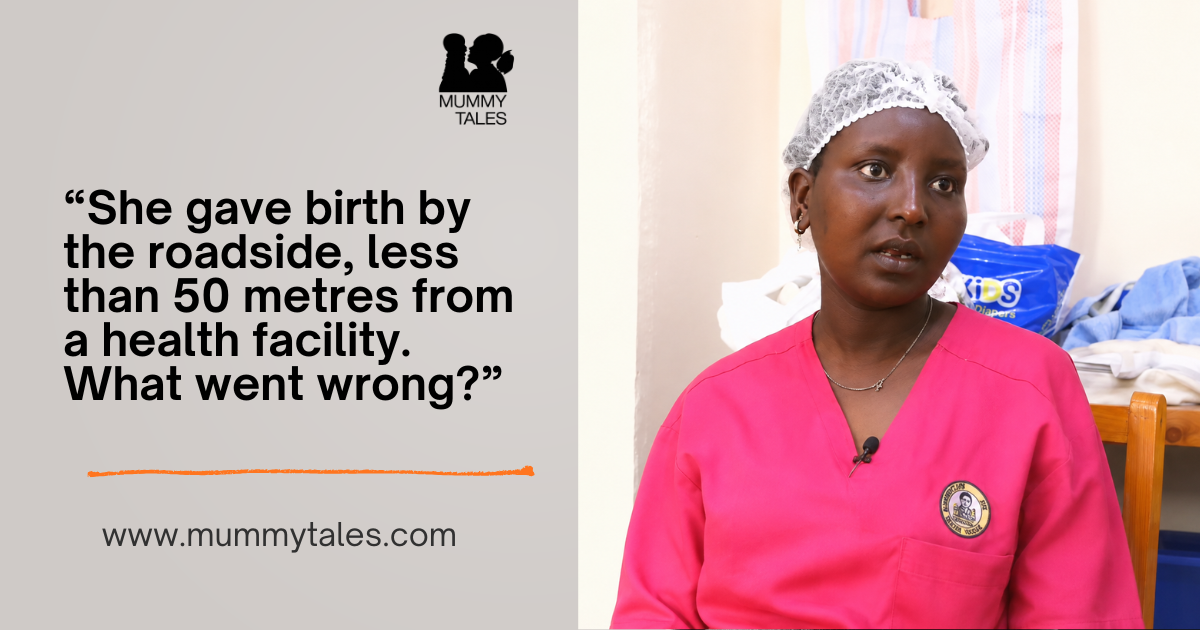
A video of a young woman giving birth by the roadside circulated widely on social media last week. The young mother, identified as 20-year-old Leah Lakujелеle, was heavily pregnant and in need of medical attention. Apparently, she was just less than 50 metres from a health facility when she gave birth.
According to a report by Citizen TV, Leah had walked to the nearby facility in Kahawa Wendani after going into labour. Her husband, who works as a night guard, was away. After failing to get assistance, she left the facility and moments later, spread her shuka by the roadside, knelt, and delivered her baby all on her own, in the cold night.
Members of the public who became aware of what was happening rushed to help her. They took Leah and her newborn to another hospital, St. Joseph’s, where they were admitted despite not having money or being registered with the Social Health Authority (SHA). The hospital staff explained they admitted both mom and baby in the hope that a solution would eventually be found and that even if the money didn’t come, their priority remained providing the duo with quality care.
We’re grateful that both mom and baby are in good hands but still, it makes one wonder: why did Leah have to give birth by the roadside in the first place, just meters away from a health facility that could have offered her the immediate medical care she needed?
The health facility that Leah had initially approached told Citizen TV that it doesn’t offer maternity services. Their clinician said Leah was directed to another facility. However, he acknowledged that she was not examined and that no emergency referral was written.
Also read: Documenting maternal deaths in Kenya: the Wanjiku Kumbukumbu project by Mummy Tales
But, the Kenya Medical Practitioners and Dentists Council (KMPDC) firmly states that every registered health facility in the country is expected to provide emergency care to stabilise patients, even when they do not have the capacity to provide definitive treatment. That facility is registered as a Level 3B facility and therefore should have been able to offer Leah the emergency care she needed. The facility has since been earmarked for closure.
Leah’s experience raises a lot of questions. What happens when a woman in labour reaches a health facility that cannot provide maternity services? Who is responsible for assessing her? Who ensures that she safely reaches a facility that can help her? And what happens to women who arrive without money or insurance to pay for the services?
Watch the Citizen TV report on Leah’s experience below.
 Mummy Tales by Maryanne W. Waweru is a platform dedicated to empowering its readers on different aspects of womanhood and motherhood. Read more motherhood experiences of Kenyan moms here. Connect with Mummy Tales on: FACEBOOK l YOU TUBE l TWITTER