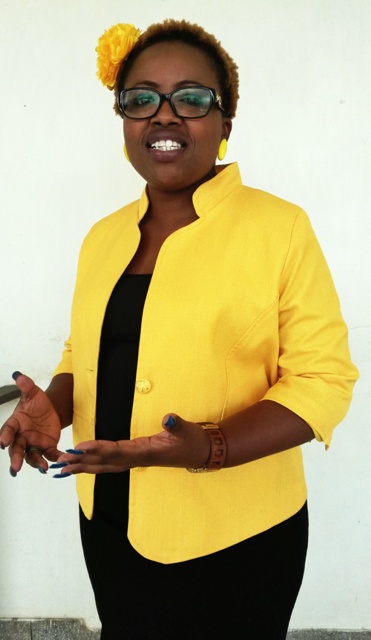
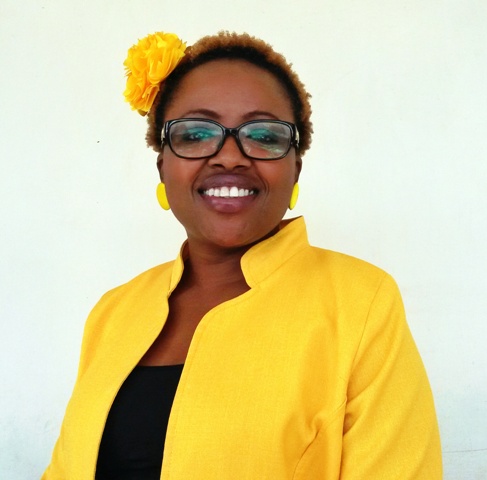
Nabubwaya Chambers is a Kenyan mom living in Texas, USA with her husband and their 16-month old son Lema. She loves sharing her motherhood experiences with us here and this week, she lets us know what her little boy has been up to.
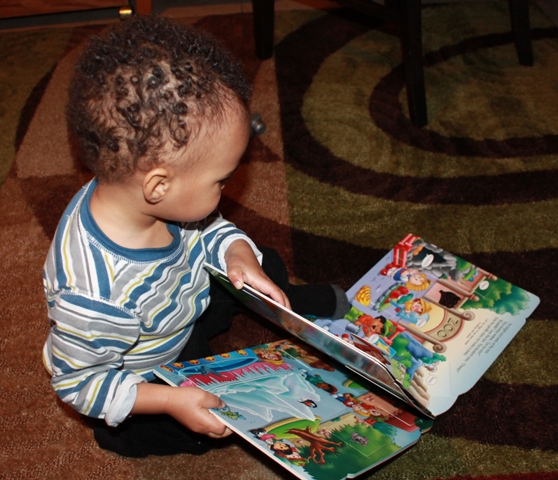
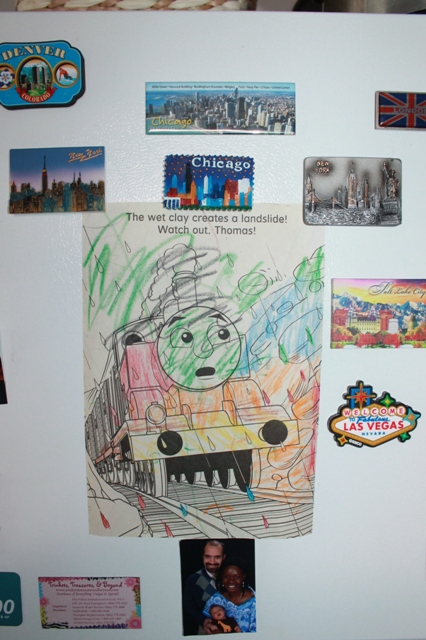
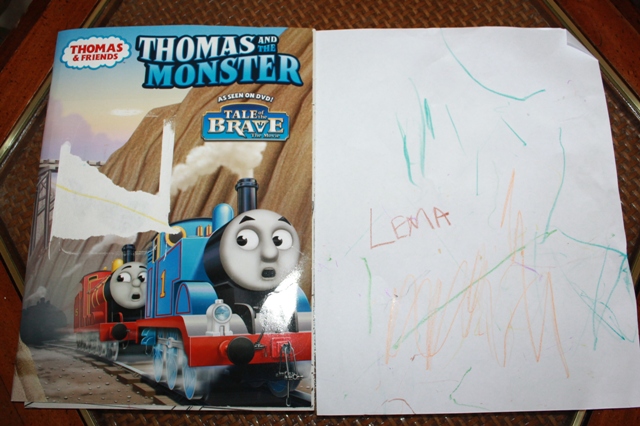
“Lema has been exploring the world of crayons, coloring, and paper. He has finally moved past the phase of wanting to consume his crayons to actually enjoying the art of coloring. He seems to understand what crayons are for.
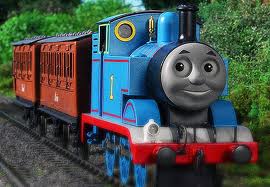
We have a book of Thomas the Train that he enjoys exploring. Also, we give him blank printing paper to color on then hang his work of art in his room, fridge, or put away in his coloring file. It’s good to appreciate our children’s effort at producing art for them and us. Instead of trashing their doodles, store them at an open location so you can proudly display their work. Perhaps a Picasso might be born someday in your family”.I loved this post of Nabubwaya today because Thomas the train is such a big hit in our house! From books, to tee-shirts, to toys, to duvet covers, to socks, to cardigans, I buy all of them because my boys Kitty and Ello are totally in love with Thomas and Emily and Gordon and Edward and Percy all those other friends of his (ours) .
35-year-old Elsie Wandera began her periods when she was 13 years old and just like other young girls, she was excited at this significant milestone — the transition from girl to woman. But what she did not know then was that this development phase would be the cause of great anguish for her in years to come.
The anguish began when she was 15 years old and a high school student at Loreto Convent Msongari in Nairobi. While her periods had been without major incident since she had started them two years before, they suddenly became an agonizing experience for her.
“Every month, my periods would be accompanied by severe abdominal pain that would see me leave class many times to go lay down in the school’s sanatorium. I would feel as though the insides of my abdomen were being knotted, tugged at and pulled apart in all directions. It was as though my abdomen was being stabbed by a thousand knives.”
While for most teenage girls the monthly periods are a guarded issue, a personal private affair; this was not the same for Elsie.
“The entire school community would know when I was menstruating. From my fellow pupils to the teachers to the administration. It was something I could not hide and would make me feel very embarrassed. Many are the times that my mother would be called to come take me home,” Elsie remembers.
Every month, Elsie would have her classes interrupted because of the pain. Sometimes, she would have to miss days of school during her period, which would last on average three days.
Even worse was the stigma she would face from her peers.
“My schoolmates would tell me that period cramps were something normal that they all dealt with and could therefore not understand why I made such a big deal of mine. Why did I have to create so much hullabaloo about it? They accused me of being an attention seeker. I found this to be very hurtful.”
After high school, Elsie joined Daystar University. But the pain would only get worse, where she would miss lots of classes each month. All that time, Elsie survived on painkillers. She had become so used to oral painkillers and had now graduated to pain-relieving injections which she would get from a hospital.
Finally, at 26, when the pain became unbearable, Elsie decided to see a gynaecologist.
“The doctor took me through a series of tests, including a laparoscopic exam that gave a diagnosis of endometriosis. In layman terms, the doctor said my uterus was growing ‘inside out’,” remembers Elsie.
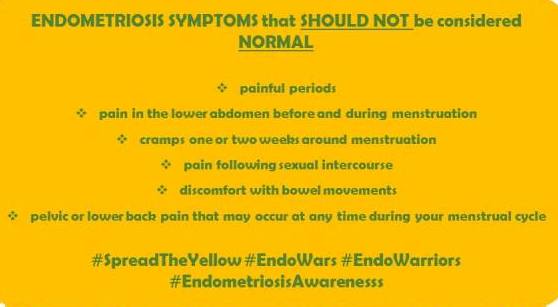
In medical terms, endometriosis is a condition where the tissue that normally lines the insides of the uterus grow outside the uterus. The tissues can grow on the ovaries, fallopian tubes, the outer wall of the uterus, intestines or other organs in the belly. Sometimes they can be found in areas beyond the belly. During each menstrual cycle, the displaced endometrial tissue thickens, breaks down and bleeds — as it normally would if it were in the uterus. Because of this abnormality, the time before and during the menstrual period can be a very painful experience. Endometriosis is usually categorized as a long-lasting chronic disease.
During Elsie’s laparoscopy, the doctor also realized that she had an ovarian cyst (endometrioma) that was close to rupturing. An endometrioma is a type of cyst that is formed when the endometrial tissue grows in the ovaries. Following this revelation, Elsie had to undergo immediate surgery to remove the cyst. She was then placed on hormone therapy for the next six months.
“It was great relief for me for those six months because I did not have periods. It felt like heaven. Even though I experienced menopausal symptoms such as hot flashes and mood swings, I embraced them because they were nothing compared to the period pain.”
After the six months of treatment, Elsie’s period resumed. But she was not prepared for what followed next.
“The severe pain was back! I was devastated. I had undergone surgery and hormone therapy for six months, yet there seemed to be no difference! I felt cheated!”
When Elsie returned to the gynaecologist, he informed her that the surgery and hormone therapy was not intended to cure her endometriosis, but to relieve the symptoms and create a hormonal balance.
“I wish he had made that clear to me at the beginning of the treatment because I had been so hopeful that my life would finally be free of pain each month,” a disappointed Elsie recalls.
At that time, Elsie was working in the corporate sector and would miss many days off work during her menses. Thankfully, she had a supportive boss and colleagues who always understood when she had to be away.
Interestingly, the doctor would suggest a solution for her.
“He told me that I needed to get pregnant as soon as possible, or else I would never be able to get a child, that the endometriosis would only get worse with age, and that women with my condition experienced high infertility rates. So in a panic, I decided to follow his advice.”
But it was not easy.
“For starters, sex was always a very painful experience for me. I never enjoyed it at all because my uterus was so sensitive and the act of intercourse would only ignite unbearable pain.”
But because she was scared of not becoming a mother someday, she began nagging her boyfriend about having a baby. But he was not prepared for fatherhood and it could be the reason why after a few months, the couple parted ways.
“I don’t think it’s a good idea for doctors to advise women with endometriosis to get pregnant. Dating couples may not be ready to have a baby yet and this could lead to conflict. If in a marriage, it can put undue pressure on the couple. A child should be a gift, not a solution to pain,” she says.
With surgery, hormone therapy and painkillers not working, Elsie continued to live her life, having accepted the nightmare of her menstrual cycle.
But in 2014, the pain became so bad that she had to go in for a second surgery after tests revealed that she had developed another ovarian cyst that was at the point of rupture.
She underwent the surgery in September last year and was once again placed on hormone therapy for six months. She is just about to complete the treatment and is hopeful that this time round, the period pain will be relieved.
“I will not get my hopes up this time round. I only hope that the pain will not be as bad,” she says.
In October last year, just after the surgery, Elsie decided to make public her journey with endometriosis.
“I have undergone so much pain and suffering for close to two decades. I have however been lucky to have the support of family and friends. It has not been an easy journey though, as it has been wrought with many frustrations, pain, anger, enormous expenses and even lost relationships. I want to walk this journey with other women.”
Elsie Wandera formed an online support group on Facebook — Endo Journey 254 — to raise awareness about endometriosis.
“Group members share information about endometriosis. We share our own personal experiences and learn from each other. We find relief in knowing that there are other women who have lived their lives with similar pains and experiences. It is a forum where no one judges you, but accepts you. I have learnt that many women suffer in silence because of the stigma associated with periods. It is termed as a ‘woman’s issue’ and the woman is left to deal with it on her own.
Medical treatment is also very expensive. Consulting a specialist doctor will cost you no less than Sh2,500 per visit. My first hormone therapy dose cost me Sh25,000 monthly, and I took it for six months. The hormone therapy I’m currently on is much cheaper — at a cost of Sh2,000 monthly. My second surgery cost me about Sh300,000. Most insurance providers do not cover for these costs as endometriosis is classified as a pre-existing and chronic condition,” she says.
Elsie hopes to lobby the government to reduce endometriosis management drugs. She also hopes to lobby for the inclusion of endometriosis by insurance providers, as well as bring on board specialist doctors who can subsidize their charges to women with endometriosis.
From the support group, Elsie has also learned about missed opportunities for women, especially those in the workplace.
“Due to them missing work for a couple of days each month, some women are sidelined from projects or promotions because they are ‘weaklings’ and are deemed to be poor performers,” she says.
Endo Journey 254 is also open to men who want to know more about endometriosis.
“I have come to discover that men who have women around them who suffer from intense period pains always agonise over how to help them. Being in the group and hearing about women’s experiences and the kind of support they would need from their brothers, fathers, uncles and even colleagues helps them a lot,” she says.
Because of the painful sex associated with endometriosis, and even infertility, Elsie says she knows of marriages that have been strained as a result, where some men seek sexual fulfillment outside their relationships.
“In a society that places a woman’s worth on her ability to bear children, it can be very stressful for a woman because of undue pressure,” she says.
Elsie’s plans include giving talks in schools to create awareness among young girls and let them know that severe period pain is not normal and needs to be checked by a doctor.
“It is also important for young girls to understand the issue and not stigmatize girls who experience excruciating period pain as it may make the girl suffer low self-esteem issues.”
Elsie can be reached on: Wandera.Elsie@gmail.com
Also See TV Presenter Ciru Muriuki’s Endometriosis Story Below:
Nabubwaya Chambers was born and bred in Kenya, and is today raising her family in Texas, USA where she has been living for the last four years. She shares with us her motherhood experiences as she raises her 16-month old son Lema.
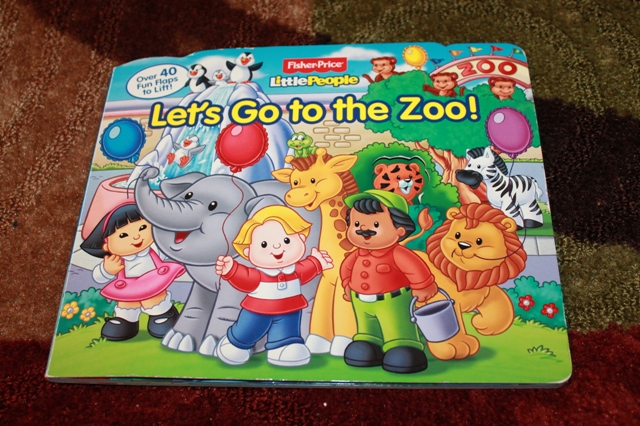
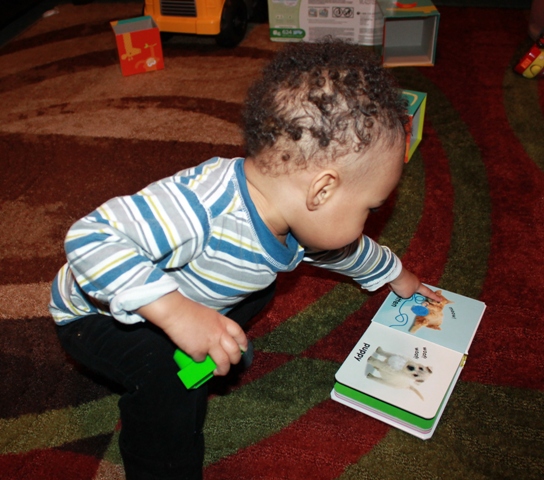
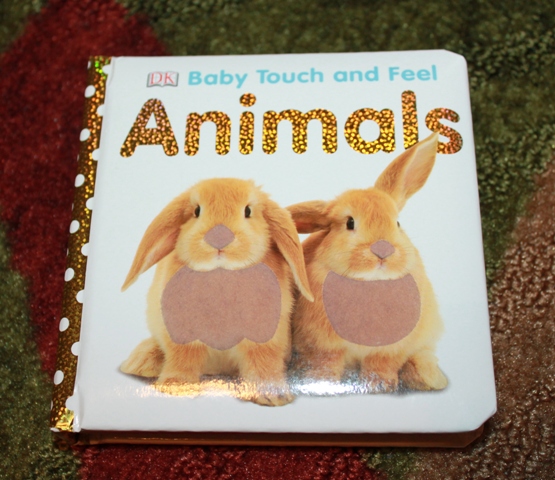
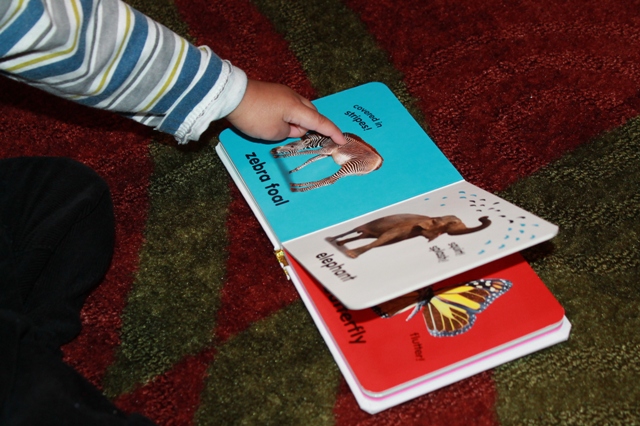
We have been reading to Lema since he was an infant and he has grown to love reading and books. He usually peruses through his books as he identifies the characters he has learnt. He knows how to identify some animals, flowers, toys, trees, and cars. Lema normally picks the book he wants to read when he wants to read it, which is usually very often.
While growing up, I had an aunt who loved to read and had a mini-library set up at home. She would frequently encourage me to read some books by letting me borrow them then exchange them with other interesting ones when I was through with them. I truly enjoyed reading and that helped me learn a good deal of English. I enjoyed reading story books so much that I would pick it over the swimming lessons we had in my primary school. Luckily, we got to choose whether we wanted to swim or go to the library and read story books. I got a kick out of it. I guess Lema has a little bit of mama Lema in him. We read a Bible story for Lema daily, either after lunch or just before his bedtime, depending on our schedules for the day. We tailor it in such a way that we are all at home to do this as a family tradition. Lema absolutely loves it and he gets to identify the characters during the story. The stories are usually short enough to sustain the attention of the child. Sometimes Lema wants the book on his laps so that he can turn the pages himself. We monitor it so that he doesn’t end up tearing the pages into pieces. I hope Lema will continue to enjoy reading and books in general. There is a whole new adventure found in books. They can take us to great places we have never physically visited and paint the perfect picture while we are in the confines of our homes.
Reading storybooks with Lema is so delightful and I hope it never ends. Enjoy your weekend.
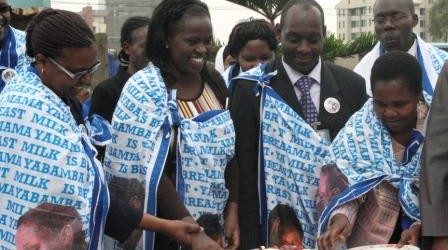
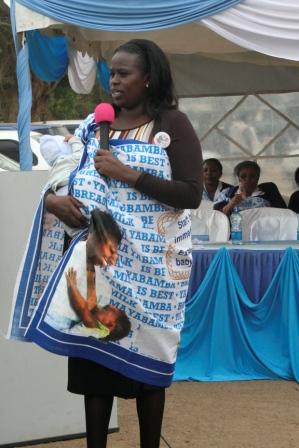
Last Saturday, I attended an event -the launch of Pampers baby-dry diapers. The event was at the Dave Gardens in Lavington. Here are photos of some of the moms and babies who attended the event.
So those were some of the moms who attended the event. It was a nice, easy event. I particularly loved the venue -cool, quiet and green. Plus the buffet meal they offered us was fresh and tasty.
The meeting began at about 10am and there were different educative sessions by different experts. There was a nutritionist who took moms through the basics of child nutrition, as well as a fitness enthusiast who guided moms on the best and safe physical activities they can engage in before and after birth.
It was particularly interesting to listen to some of the questions that moms had, especially with regard to nutrition. Questions such as -is supermarket milk safe for baby (the one dispensed like a tap -not the packet ones). Is it okay to mix liver with milk for baby’s food? What about milk and spinach? And other such questions. Interesting because those are the same questions I had when my boys were much younger when I was weaning them. You know -you hear all sorts of things nowadays about what to do and not to do with regard to baby’s food. It can be very confusing by the way, many are the times I just got tempted to keep my kids purely on breastmilk alone because that was the only food that appeared to be safe!
Anyway, it was a Saturday well spent. Plus all the moms who had attended the event got to take home a jumbo pack of Pampers baby-dry diapers each. In mid-month! Jumbo! How nice is that?
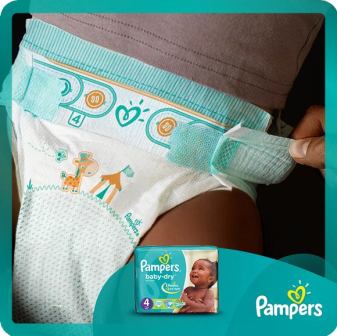
The new features of the Pampers baby-dry diaper include:
– New stretchy sides
– New fun designs
– Super gel
– 4 dryness layers
– Soft outer cover
– Baby lotion
If you haven’t tried out the new and improved Pampers diapers yet, give them a try today.
Earlier this week, I posted a Pampers baby-dry giveaway on the Mummy Tales Facebook page. I had called on Pampers moms and dads to share their experience with the newly improved Pampers baby-dry diapers. The randomly selected winner was Rita Stan who posted: ‘tried all brands and decided to stick to Pampers and now we are on baby-dry and premium, and no disappointment for us”.
Four days later, I met Rita in the town center to give her the two packs of Pampers baby-dry diapers she had won. 23 year-old Rita Njeri Stanley came along with her three month old daughter Mavis . I had a chat with the first time mom about her motherhood journey and about her experience with Pampers baby-dry diapers.
MT: Hi Rita, tell us about your motherhood journey
RNS: I was blessed with my daughter in November last year. The first months of the pregnancy were quite challenging as I was working in a stressful environment. I was an accountant in the hotel industry and we would have crazy working shifts. I would experience abdominal pains every so often and by the time I got to 5 months, I decided to quit my job. I either had to save my job or my pregnancy. I chose the latter. The pregnancy thereafter went well.
However, three days to my expected due date, I noticed my baby’s movements had reduced. When I did not feel her usual kicks at the frequent intervals I was used to, I sensed something was wrong and quickly rushed to hospital. An ultrasound revealed that the baby had irregular heartbeats. I was then immediately wheeled to the theatre for an emergency caesarean section.
My daughter was born healthy at 3.1kg’s. As I held her in my arms, I was so overjoyed. That so far has been the happiest day of my life.
What do you Enjoy Most About Being a Mom?
I enjoy making funny sounds with my daughter, playing with her, bathing her and dressing her up. I love shopping for her and buying cute little outfits and shoes for her.
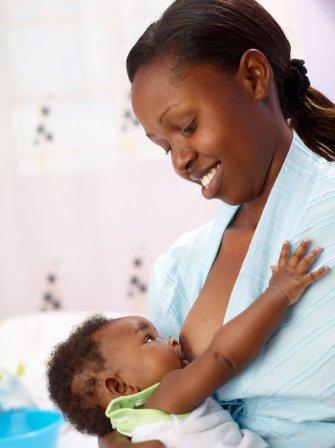
I am exclusively breastfeeding her which I will continue to do until she turns six months old. I am doing so because I believe that breast milk is best and she will develop a strong immunity which will help her fight infections much better. When the six months are over, I will begin looking for a job again. At the moment, I am staying with my dad who is very supportive.
Any Challenges so Far?
The worst bit so far has been when she is unwell. She had a throat infection and it almost drove me crazy. I was so worried and felt so helpless. It was a really bad feeling. But after treatment she recovered and in no time she was up and about. I was so relieved!
Share with us your Pampers Baby-Dry Experience
From the very beginning I used Pampers diapers on my daughter. I had bought enough stock when I was pregnant, and I loved them on my daughter.
However, one time I happened to try out a different brand. But the effects were disastrous. My baby immediately developed a bad nappy rash. I discarded that pack and decided to try yet another different brand of diaper. But it was yet another wrong move for my daughter reacted even worse. The rash got so bad that her skin became red with painful pimples. It pained me to see my baby cry out in pain from the soreness of her bum area. I regretted so much for having put her through that. It was at that point that I immediately returned to Pampers baby-dry which had never let me down. Once I was back on Pampers, the rashes disappeared and they have never returned again.
It is because of this experience that I decided never try out another diaper. I will stick exclusively to Pampers because they are the only ones that work for my daughter and I am very happy with them.
Apart from keeping her away from the rashes, what else do you like about Pampers baby-dry diapers?
I love the stretchyness of it and I know that my baby never feels too pressed by it. It leaves enough room for her to move about comfortably.
I also like the inner layer of the diaper which I find to be very ‘cushiony’ and comfortable for my baby.
I also like the Pampers baby-dry because they keep my daughter dry all night long. With the other brands I had tried before, I remember having to wake up at night to change baby because the diapers had leaked. You have no idea how frustrating it is to have to wake up in the middle of the cold night –to change not only the baby’s diaper, but all her clothes and the entire beddings! I have never had to do so when using Pampers baby-dry.
Oh, did I mention the lovely animal characters on the diaper! They look so cute on Mavis! I particularly love the elephant. It’s my favorite animal. As I change her diaper, I talk to her and give her a few tales about the animal characters on the diaper. It’s so much fun!
That’s why I am a totally sold out Pampers mom. Thanks Pampers and Mummy Tales for awarding me these two packets which I will add on to my stock
So there you have it. The Pampers baby-dry diapers are the only diapers in Rita’s shopping basket. Her daughter is no doubt one #HappyPampersBaby.
To learn more about what’s new and improved about the Pampers baby-dry diapers, see this post.
I’ve had many women ask why they develop varicose veins during their pregnancy. I asked obstetrician / gynaecologist Dr. Stephen Mutiso about this and he offered the following information:
MT: What are Varicose Veins and what is the association with Pregnancy?
Dr. SM: Varicose veins are swollen veins that may bulge near the surface of the skin especially in the things, the legs and the back of the calves. Veins are the blood vessels that return blood from the feet and legs to the heart. Many women first develop varicose veins in pregnancy and for those with pre-existing varicose veins, they only tend to get worse during pregnancy.
During pregnancy, blood volume increases significantly and this distends the veins. In addition, during pregnancy progesterone levels are markedly increased. Progesterone is a pregnancy hormone which relaxes blood veins and keeps them dilated causing blood to pool in the legs.
Also as the uterus grows, it puts pressure on the large vein on the back called the inferior vena cava. Compression of this vein in turn increases pressure in the leg veins.Usually varicose veins do not pose any serious threat during pregnancy.
MT: What are the Symptoms of Varicose Veins?
Dr. SM: Varicose veins are usually symptom free. However, the legs may feel heavy sometimes, they may be itchy, uncomfortable and may have some pain.
MT: How are Varicose Veins Treated?
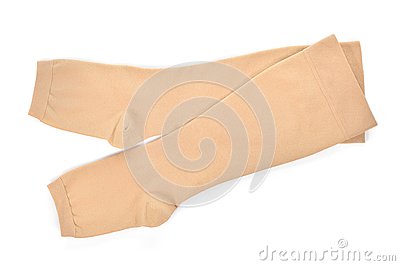
Dr. SM: Treatment of varicose veins during pregnancy is mainly conservative. Conservative treatment involves use of compression (elastic) stockings, regular exercises, elevation of legs at night and during rest periods during the day. Weight control is also very important.
The compression stockings are designed to squeeze the leg muscles, encouraging blood to flow upwards towards the heart. Surgery should be done only for the very severe cases where conservative measures have failed. Varicose veins usually improve after child birth.
MT: Are Varicose Veins in Pregnancy Preventable?
Dr. SM: Development of varicose veins in pregnancy can be prevented in the following ways:
– Engage in regular exercises which increase circulation of blood (exercises that last at least 30 minutes daily)
– Take frequent breaks to walk around and stretch your legs
– Elevate your feet every so often
– Make it a habit not to cross your legs as this is not recommended for pregnant women
– Avoid too much weight gain during pregnancy.
– Sleeping on the left side improves blood return back to the heart and this reduces pressure on the veins in the legs.
The good thing is that varicose veins get better after delivery, when the uterus is no longer exerting pressure on the large vein (inferior vena cava).
MT: Thanks Dr. Mutiso.
So now you know. Share this info with any pregnant woman you know. Have a lovely day.
Dr. Stephen Mutiso is based at KNH in Nairobi. He provides a wide range of gynaecological services including: antenatal care, delivery (normal and caesarean), infertility treatment, fibroids, fistula treatment, and screening for reproductive tract cancers and other gynaecological procedures.
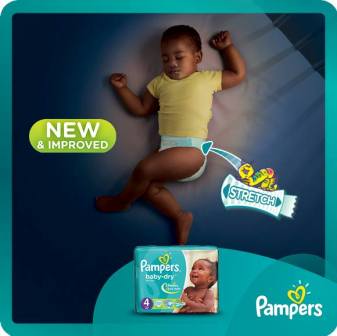
You may have come across information about the new improved Pampers baby-dry diapers, and probably asked yourself what exactly is new or improved about this diaper.
Well, here is all the information you need to know.
The New Fun Designs
If you are like me and many other moms I know, then you most likely love those little baby things that have cute shapes, animals, cartoons, colors and designs on them. From receiving blankets, to bedsheets, to baby shawls, to blankets, diaper bags and the sweet-smelling baby shampoos, bath gels and lotions.
So now the new and improved Pampers diapers come with fun designs that will certainly be a favorite for not only you, but baby as well! What’s more, the fun designs are a good way to teach your baby about different animals (as you imitate their sounds), shapes and colors. Sounds like fun for you both!
New and Improved Stretchy Sides
By the way, did you know that babies tend to move about twice as much as an adult during their sleep? Some experts say that babies move up to 10 times more than their mums when sleeping! They also say that this movement is normal during the baby’s healthy growth and development. I’m sure you may have experienced this on the occasions you decided to co-sleep with your little one, where they seem to do all manner of rotations and gymnastics on the bed. Something I can totally relate to. With this in mind, the improved Pampers baby-dry diaper has these stretchy sides that gives baby best comfort as he moves around. The stretchy sides (which can stretch up to 10 cm) adapt to baby’s movements, keeping him comfortable and snug all night long.
Magic Gel: Protection to Last Overnight
Every mother with a little baby will tell you that one of their greatest joys is waking up to a happy, well-rested baby. And they will also tell you that one of the best ways to achieving this is investing in a diaper that will keep baby dry all night long.
Now, the improved Pampers baby-dry contains a magic gel that instantly locks away the wetness, keeping baby’s skin dry and healthy and helping him get a good night’s sleep. In addition, the diaper comes with unique dryness layers that quickly absorb the wetness so that the moisture doesn‘t affect baby‘s skin.
The absorbency features in the new and improved Pampers baby-dry helps baby have up to 12 hours of dryness, giving him the uninterrupted sleep he needs. And a well-rested baby means a happy baby in the morning and a happy mommy as well.
Soft Outer Cover for Superior Softness and Comfort
Isn’t there something so irresistible about holding a baby? Babies have this smooth skin (that smells so nice) that makes you just want to hold them close as you cherish those moments forever. So shouldn’t everything that touches your baby be just as soft and gentle as he is?
Well, the new Pampers baby-dry comes with a soft outer cover -a ‘pillowy’ soft backsheet that comforts your baby by giving him with a cozy feeling against his delicate skin.
Baby Lotion for Superior Skin Protection
The new Pampers baby-dry’s top dryness layer contains a small amount of lotion that forms a water-repellent layer on the skin surface. This helps protect baby’s skin against excessive moisture and wetness. The lotion is safe, and clinically tested to be effective.
So those are the new features of the improved Pampers baby-dry diapers. The diapers are available in different sizes; 1, 2, 3, 4 and 5 so you can choose the size that best fits your baby (be sure to check against your baby’s weight too). The diapers are available in supermarkets and different wholesale and retail stores -including the neighborhood kiosks who mainly sell them apiece.
Try out the new improved Pampers baby-dry today and feel free to return and share your feedback here.
By the way how do you fancy winning a six-month supply of Pampers baby-dry diapers? Head over to the Pampers Facebook page and see how you can do so here.
Let me touch on a little bit of politics today. Siasa.
So how are issues of females and their reproductive health treated in Parliament? For the longest time ever, I used to hear that female MPs were not allowed to get pregnant during their term. I don’t know how true that was, but the first MP I ever heard of who carried a pregnancy while serving her term was nominated MP Hon. Amina Abdalla a couple of years ago.
Since then, I know there have been a number of MPs who have successfully served their terms in between a pregnancy, among them Hon. Elizabeth Ongoro, who made history for being the first minister to give birth while in office.
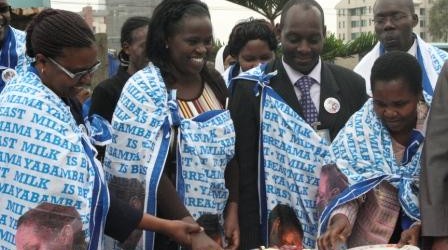
Aside from pregnancy, there is the next issue of breastfeeding. The first time I heard of a parliamentarian who would carry her baby with her to work (Bunge) was in August 2013, during the World Breastfeeding Week celebrations at the Kenyatta National Hospital (KNH) when I listened to nominated MP Sarah Paulata Korere share her inspiring story.
Hon. Korere spoke of how when being sworn in as a Member of Parliament in March 2013, her newborn daughter was just three weeks old. But she had a job to do and it became extremely difficult for her to balance the rigors of a hectic Bunge schedule, meeting her constituents and taking care of her baby. At some point, the stress was too much and she wondered what to do with her baby because she just couldn’t keep up with ‘breastfeeding on demand’. So she opted for formula milk. But just as she was about to feed her baby formula, she on second thought consulted a lactation manager, who took her through the A – Z of expressing and storing breast milk.
Hon. Korere actually amused we the audience when she confessed to not knowing that it was possible to express and store breast milk. Understandably so, because even many of us -before we became mothers, did not know that either.
So equipped with this new information, Hon. Korere quickly dropped the idea of formula milk, and went on to successfully exclusively breastfeed her daughter for the first six months. This she managed to do by carrying her baby to work (Parliament) and taking breaks in between parliamentary proceedings to go nurse baby. Cool!
So as I was perusing the press today, I came across an article in The Standard, and was delighted to read about her again. She really does have a story to tell, her getting to where she is now has not been a smooth road. In the article, she not only talks about her decision to breastfeed in parliament, but also about how she underwent FGM, escaped an early marriage and was at one point her father’s least favourite child!
Here is part of that interview.
Why did you break the norm and decide to breastfeed your baby in Parliament?
My daughter has to get what she is entitled to, which is six months of exclusive breastfeeding. A child should suckle, and there was no way I was going to leave my daughter at home. I would be pleasing some people, but hurting her.
Hon. Sarah Korere. Photo: Standard.
What was the reaction from fellow legislators?
Surprisingly, I received backlash from some female legislators who said walking around with young children is outdated. However most female parliamentarians really encouraged me, but many male colleagues didn‘t know what to say. Some told me they admired what I do to ensure my daughter is healthy, while others told me it was best that I leave my daughter at home and attend strictly to Parliament business.
What was your childhood like?
I was born in Laikipia to a wealthy Maasai elder, who had six wives. My father didn‘t believe in educating girls, and gave each of his six wives 400 heads of cattle and 200 sheep to cater for their children. I was taken to school by Catholic missionaries.
From six years, I stayed in a boarding school since I could not walk 20 kilometers to school daily. My primary school years had a definite impact on how I view the world today. Every year, more girls would drop out of school to get married, yet I stayed on, a fact that didn‘t impress the boys who would beat me up. The first time I cried, but the second time, I turned on them and beat the physically, and when exams came, I also beat them. You can read the full article here.
Photo: Let’s Talk Breastfeeding, Kenya
I admire Hon. Korere for placing her baby’s interests first, just like most mothers do in their own different ways. I hope every new mom will be motivated to exclusively breastfeed her baby too. It is possible, I always say. I also hope she can use her influence and those of other like-minded Parliamentarians to push for more favorable policies for lactating mothers in the workplace. And also advocate for longer maternity leave. Kenyan moms want at least six months. Over to you Mhesh!
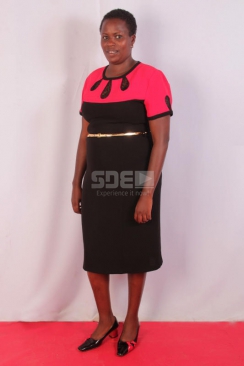
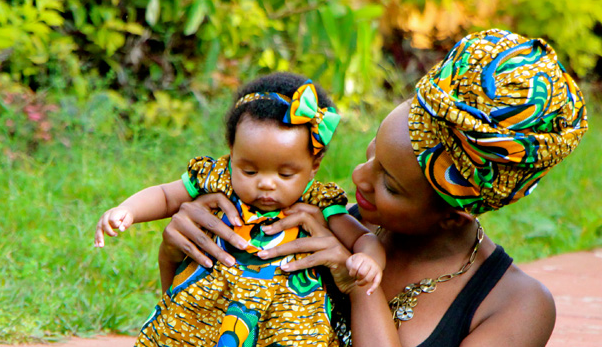
Silvia studied fashion styling at Central St. Martins in London, and Nuova Accademia di Belle Arti Milano in Milan. Silvia often tailors some of her daughter’s outfits, and which she shares photos of on her blog.
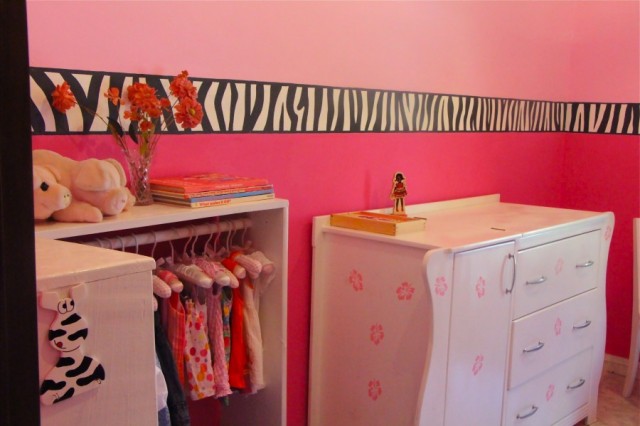
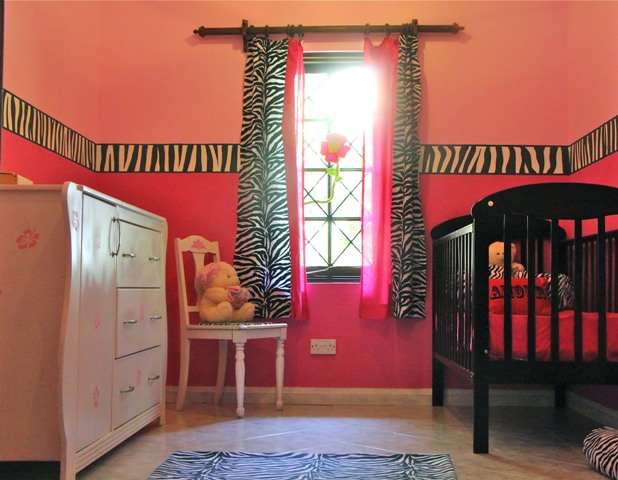
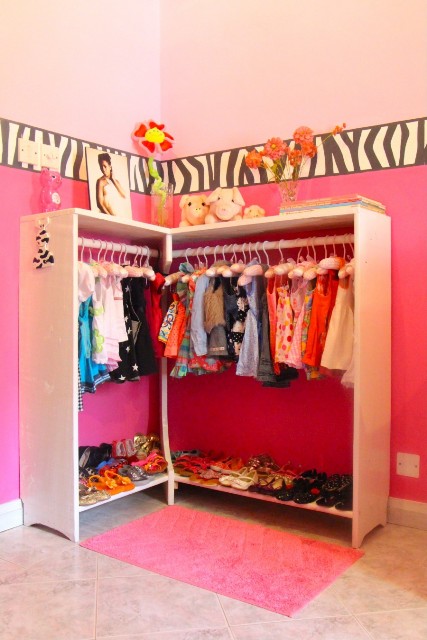
One of the most memorable posts I have come across on Silvia’s blog is that of how her daughter’s room looks like. The room is pink-zebra themed, and with some cute accessories.
You can cross over to her blog and in this post titled ‘My Daughter’s Baby Room’, read about her thought process into putting together her baby girl’s room. There are also more photos of the room there.
So how about you? How does your baby’s room look like? Did you take time to put it together in a certain theme, or is it just a plain? Share photos too!
Do you remember the story of the young mother who delivered twin boys at Pumwani Maternity Hospital early last month, only to be told that they were still births? Well, there is an interesting new development about this case!
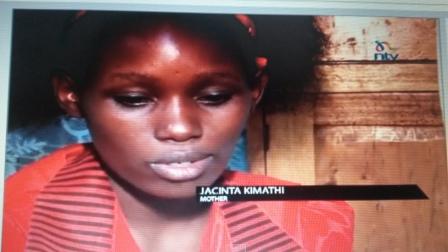
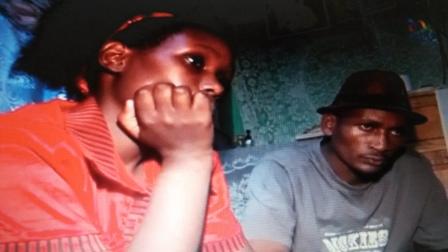
Just to jog your memory a little bit, 24 year-old Jacinta Kimathi had delivered her twin sons, but had been told they were both dead. She remembers delivering her first boy and being informed that he had breathing problems. He was alive atleast, she comforted herself. Shortly thereafter, she delivered the second boy -and she clearly heard him letting out a cry. Thank God he was alive as well, she comforted herself again.
But Jacinta was to have the shock of her life when, after taking a nap, woke up to be told that both her boys were dead. That they had been born dead. That she had only imagined being told that her first son had breathing problems, and that the cry she had heard was only a figment of her imagination.
The hospital administration went on to say that Jacinta’s twins had actually died in the womb. That their skins were even peeling off, and it was possible that they had died more than 12 hours before their delivery. That the apparent cry she heard from one of her sons was actually the cry of another newborn in the labor ward.
I was greatly saddened by this story. Pained my heart to the core.
Last I read about this story, the dad of the twin boys Mr. Dedan Kimathi was in a dilemma over whether to bury his deceased twin boys or to run DNA tests because just like his wife, he did not believe his babies were born dead. The couple was actually suspecting that the bodies of the babies were not theirs.
But even with the option of running DNA tests on the boys to ascertain if the newborns were really theirs, the couple did not have the money for this. Even worse, they did not have money to bury the babies’ bodies. And so with no ‘othewise’, they were willing to have the hospital dispose the bodies.
That was until, thankfully, the Ministry of Health intervened and offered to run the DNA tests for free. I can only imagine the relief this was for Mr. Kimathi and his wife.
And yesterday, the couple got another shock of their lives. The results of the DNA tests show that:
1) Neither babies are biologically theirs
2) The two deceased boys were NOT twins
3) The two deceased boys were NOT from the same mother
So where are Jacinta and Dedan Kimathi’s twin sons? What happened to them? Pumwani Maternity Hospital really has a lot of explaining to do. It doesn’t help much when there has always been all these stereotypes about the hospital that I’ve always heard over the years -about babies being stolen or switched at birth -but which I really could never verify.
Until now. This is wrong on so many levels. So could some of those stories I have always heard about be true? Stories that were never captured in the media? Stories of voiceless parents silenced by poverty, lack of knowledge, threats and intimidation?
Here is that story, as told by Irene Choge of NTV.
https://youtu.be/5jJAsI2d0Oc
But over and above that, I sympathize with the Kimathi couple. I can only imagine their agony, wondering where their little boys are. Little boys who have had to live their first month and a half (and counting) without the love and care of their parents, boys who have not even had the chance to suckle their mother’s milk.
Who will help this couple find their lost sons?
I also wonder about the parents of the dead boys, seeing as they belong to two different mothers. What were these mothers told happened to their babies? Why were they denied the option to bury their sons or at the very least, consent to having the hospital dispose their bodies? Do they know that their dead sons were presented to another mother?
What happens now to Pumwani Maternity Hospital? What action will be taken in light of this new information?


















 I loved this post of Nabubwaya today because Thomas the train is such a big hit in our house! From books, to tee-shirts, to toys, to duvet covers, to socks, to cardigans, I buy all of them because my boys Kitty and Ello are totally in love with Thomas and Emily and Gordon and Edward and Percy all those other friends of his (ours)