









Home Blog Page 65

Lucy Muchiri of Eves Mama:Helping Moms and Dads Prepare for Pregnancy, Birth and Early Parenting

2

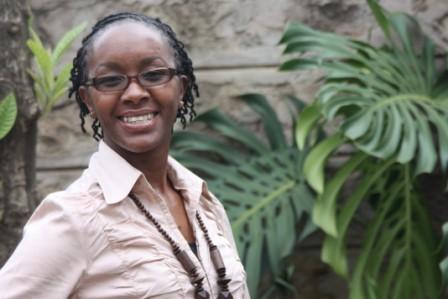
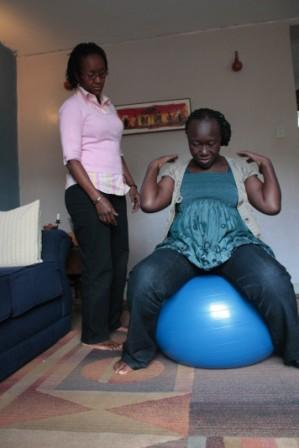
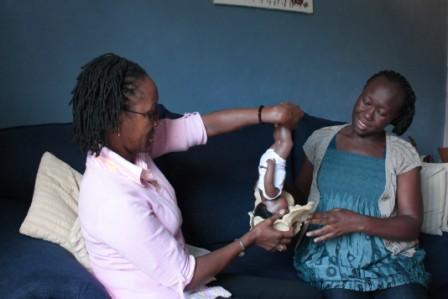
Lucy Muchiri is a midwife based in Nairobi. She helps parents to be prepare for birth, and also helps new parents cope with the rigors of parenting. In this interview with Mummy Tales, Lucy talks about her midwifery outfit EvesMama, why she began it and what she has learned from her experiences of bringing life into this world over the years.
MT: What do you do exactly?

LM: I run Eve’sMama, which is a midwife-led service whose main focus is to offer care and practical support to parents and parents-to-be during their child bearing phase of life.

The services we offer are home-based and include: pregnancy preparation, prenatal care, childbirth preparation classes, labor support, home births, post-natal support and well-woman coaching.

We craft a plan of care and support for each client as per their required needs and service.

MT: For how long have you been doing this work?

Eve’sMama was founded in February 2009. We started with “Birth essentials” which is a class that equips expectant parents for labor, birth and early parenting. After this, we introduced labor support services (doula). Since then, we have expanded into offering other services as per demand by the market as the clientele has grown over the years.
MT: What is your background?

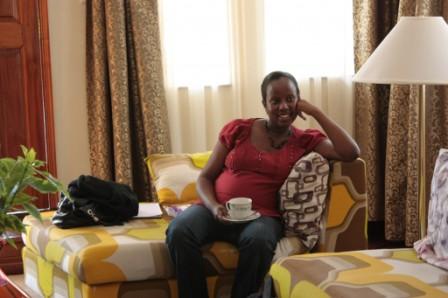
LM: I am a Registered Nurse with close to 15 years of experience. I qualified as a registered midwife in 1999 and practiced as a nurse midwife in several private hospitals. I also hold a post-graduate certificate in emergency care –for occurrences both in and out of hospital. When I left employment to start Eve’sMama, I studied Child Birth Education, labor support/doula and entrepreneurship.

MT: Why did you get into this line of work?

LM: My journey began after I graduated from midwifery. What I had learnt about pregnancy and birth during my training was phenomenal. I developed such a passion to assist expectant mums by helping them understand the changes their bodies go through during pregnancy. I wanted to help them embrace these changes as this would enable them prepare well for birth and parenting.

It is this passion that led me to start practicing my midwifery on my friends. With time, I slowly came to appreciate the great need for information that parents (and especially mothers) have during this season in their life.

After I got my first child, I had an easy time going through labor and early parenting because I was well equipped with information and knew how to rally support around me. This is what made me resolve to one day give myself fully to helping parents and parents-to-be achieve their great need for empowerment, information, guidance and support.

After my second birth, I was definite about my realization and I started working on Eve’sMama’s name, objective and mission. This I developed during my maternity leave.
MT: Do Kenyan moms know about doula’s, or is it something you find hard to introduce to people?

LM: Actually it is better now. Three years ago, people couldn’t even pronounce the word. Now you find the word is known. However, what doulas exactly do is not well known. Since I love what I do, usually all I need is one to be curious and/or willing to give me a moment to explain to them, and I gladly do this.

MT: What is the uptake of Kenyan moms using doula’s?

LM: I think the role of a doula as part of the labor and birth team is not well understood and embraced. The support doulas give and what they help the mum and her birth partner achieve is honestly priceless. I believe that in a few years, most parents will not want to go through this experience without a doula.
MT: Why should a woman take your products/services?

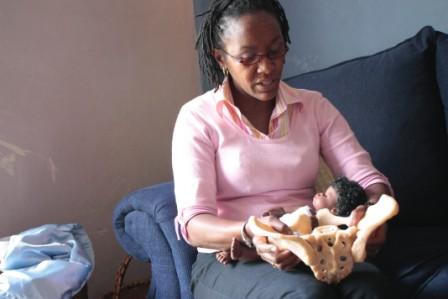
LM: At Eve’sMama, we offer services that are practical, have been tried out and worked (we are evidence-based).

Because every individual is different, we tailor-make our services because we understand that everyone is unique and so there is no one size fits all service. What worked for someone else doesn’t necessarily mean that it will work on you. So we listen to you and guide you in making those important decisions.

Becoming a parent means you will need to give, care and nature your child. Giving from an empty resource leaves you drained. We not only address the pregnancy but help you work on your different wellness spheres so you are able to be a well parent which makes the parenting journey easier and fun.

You as our client are the manager of your care, we listen to you, you guide us craft a plan for you and together as a team. We work with that plan.
MT: What is the most important lesson you’ve learnt during the course of your work?

LM: The most important lesson I’ve learnt is that life is a beautiful thing. The start of it is spiritual and needs to be an awesome moment for the baby and his or her parent(s).

I have also learnt that people should be the core of all I do. As I create my services, it is because someone needs them and I should therefore endeavor to make sure their need is met. There are a lot of misconceptions about birth by parents-to-be, care providers and the society. I have learnt that I need to be patient and appreciate that I can change society one parent at a time.

MT: What do you enjoy most about your job?

LM: I meet new people every week, and that for me is exciting. My best moment is seeing the smiles of parents after the birth of their baby.

I also enjoy the calmness of a birth at home.

MT: What is the thing you don’t like much about your job?

LM: Over time, birth has become very clinical. I am working towards getting parents to trust in the ability of birth as a natural event. I find situations where parents are caught between my explanation and that of a clinical care provider very challenging –more so because some clinical decisions override the parents’ need to know what their other options are.

MT: Where are you based?

LM: Eve’sMama’s services are home based. I however have a home office.

MT: Tell us about your family.

LM: I married my best friend, Muchiri Nyaggah and have learned that it’s a trick to a happy marriage.
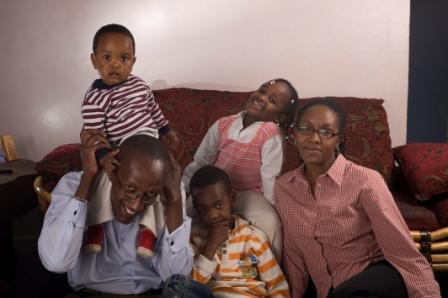
We have three lovely children, our first son Muriuki Muchiri is 8 years old, our daughter Mukeni Muchiri is 6 years and our last son Muriithi Muchiri is 2 years old.

So there ends my interview with Lucy Muchiri. Personally, I took childbirth classes when I was pregnant with Kitty. The classes, which were done at home were very helpful as they helped Baba Kitty and I prepare well for what we were supposed to expect during labor and the early days of parenting. I know there’s alot of information out there about this, but there’s just something about an expert taking you through it on a one-on-one (in the comfort of your home) that made it worth it for us. It’s something I’m glad I did as a first time parent because I had so many questions to ask and lot’s of stuff I needed clarification about.

Best wishes to all expectant moms and dads.
Pregnancy Nutrition (part 1): Foods to Eat While Pregnant

3

Immediately I discovered I was pregnant with Kitty, one of the first things I did was to rush to the nearby kiosk and buy lots of oranges, spinach and sukuma wiki. I remember joking with Mama Wachira the vegetable vendor by telling her:

‘Tafathali kata kata haraka, iko emergency”.

The emergency was I was in panic mode because I hadn’t been eating that many greens or oranges, and I remembered that I had once written an article on a child with special needs -a child with Spina Bifida. I was young then, around 27 (is that young ?) and I remember the girls’ mum telling me to make sure I eat enough spinach, sukuma wiki and oranges if I was ever planning to have a baby as they contain good amounts of folic acid. She told me that if she’d had good amounts of folic acid before and during her pregnancy, she believed her child wouldn’t have gotten Spina Bifida.:) So as I was speeding up Mama Wachira, this mom’s words are what were ringing in my mind. When I got home, I cooked the greens and hurriedly gobbled them up, then I drafted up a menu of the foods I would eat for the next nine months. In came in the nduma’s, ngwaci’s and all the fruits in the world -and out went the almost daily pizza’s, fries and kuku sama. :(

So why did I draw up a tentative menu? Because I wanted to make healthy choices for both me and baby. I wanted to focus on good nutrition throughout my pregnancy.

So anyway, if you are pregnant and want to focus on a healthy diet, here are some insights shared by Catherine Kathure, a Nairobi-based nutritionist who I spoke to.

MT: What are the nutritional needs for a pregnant woman?

CK: An average pregnancy requires extra calories during the 2nd and 3rd trimesters. This is due to increased energy needs for the mother in order to be able to perform her daily activities such as walking, as well as energy needed by the growing baby. Carbohydrate foods that provide for this energy include; maize, rice, potatoes, breakfast cereals, sweet potatoes and wheat products such as bread.

Sweet potatoesA pregnant woman also needs to ensure she takes a sufficient amount of proteins, as these help in the formation as well as the repair of body cells. Foods rich in proteins include meat, eggs, beans, milk etc.

Milk and eggsVitamins are also crucial in her diet. Folate (a B vitamin) for instance is required for DNA synthesis and red blood cells formation. Inadequate intake can cause foliate-related anemia and in severe cases can lead to birth defects such as spina-bifida (where the development of spinal cord is impaired). A pregnant or a woman looking forward to conceiving requires about 600 mcg of folate. Major Sources of folate include; peanuts, asparagus, broccoli, beans, spinach.

SpinachAdequate amounts of calcium are needed by her growing baby, as this helps in bone formation, as well as reduce her susceptibility to osteoporosis (where bones become weak). Sources of calcium include; milk, yoghurt, fish, broccoli, spinach and cheese.

Dutch cheese.Iodine is also an important mineral since it is associated with fetal development. Sources of iodine include; table salt, bread and fish. Severe lack can lead to mental and physical retardation of the baby.

Whole cooked fish and saladZinc is required for DNA and RNA synthesis. Sources of zinc include meat and fish. Zinc is also found in small amounts in nuts and legumes such as beans.

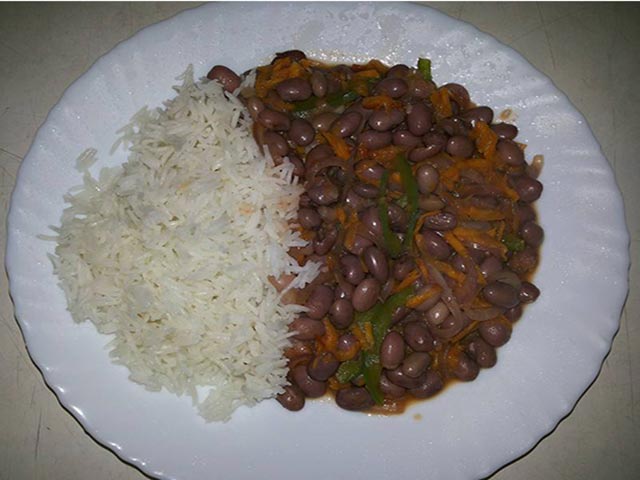
Iron is required for the synthesis of greater amounts of hemoglobin needed during pregnancy and also for the provision of iron stores for the growing baby. Sources of iron include; liver, kidney beans, spinach and egg yolk.

Kidney  beansN/B: To enhance iron absorption, foods rich in vitamin C should be consumed together with iron-rich foods. Caffeine and tea or sodas during meals should be avoided, unless they are taken 30 minutes before or after meals.

MT: Should a pregnant mom eat for two?

CK: When it comes to a pregnant woman’s diet, what matters is the quality of the diet and not necessarily the quantity. Therefore a pregnant woman should ensure that she takes a completely balanced diet in order to meet all her nutritional needs.

So there you are, hope this helps. Best wishes to all the pregnant women out there.

PS: The list of the above foods is not exhaustive.

Nutritionist Catherine Kathure can be reached on: cate2010@gmail.com

Images: Dreamstime.com

Video: Baby Zoe Taking her First Steps

1

You remember baby Zoe, right? I wrote about her mom here, and I mentioned baby Zoe here when she was pulling her mom’s dreads, forcing her to cut them off.

Anyway, Zoe is now 10 months is walking! How fast they grow huh? Actually she aint just walking, she’s CRUISING! Mama Zoe has shared a video of her daughter’s first steps and which has jazzed me so much that I thought I should share it with you.

Here, have a look at it.


Aint that so cute? And you? Do you remember your baby’s first steps? How old was your baby when they first walked? How did you feel? Share share share :)

Chama With the Girls

6

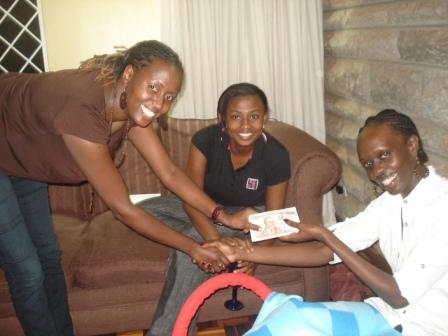
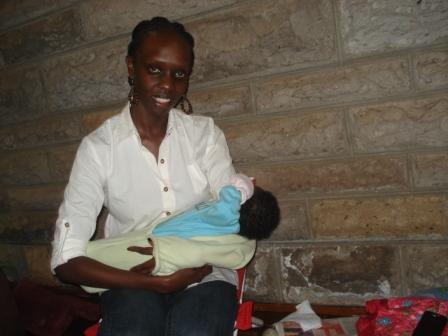
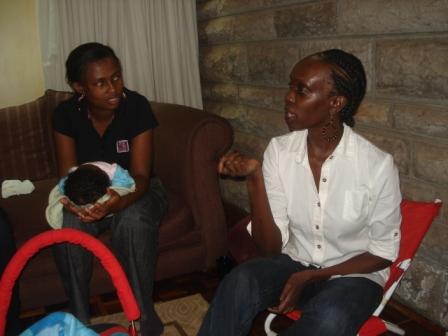
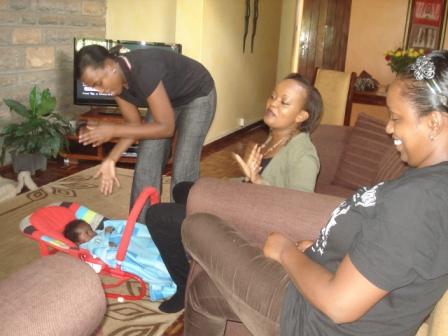
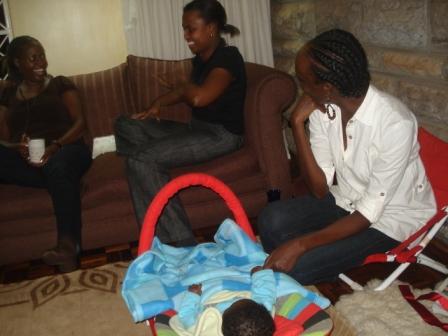
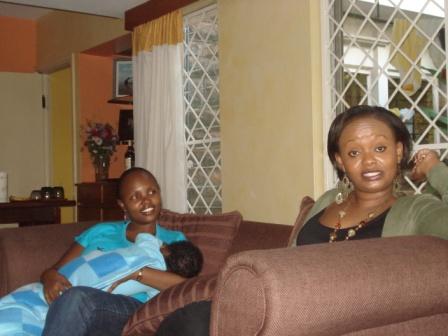
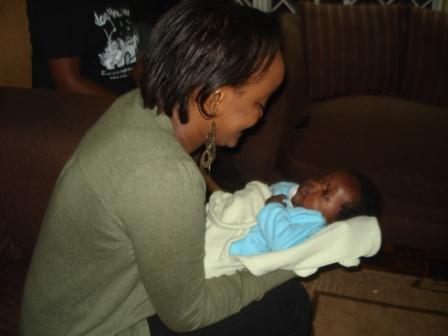
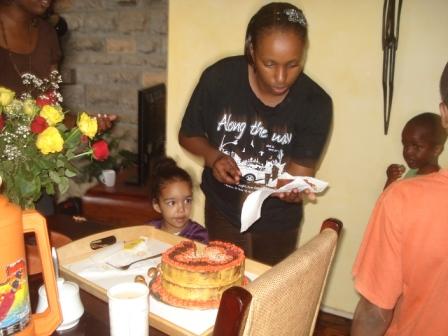
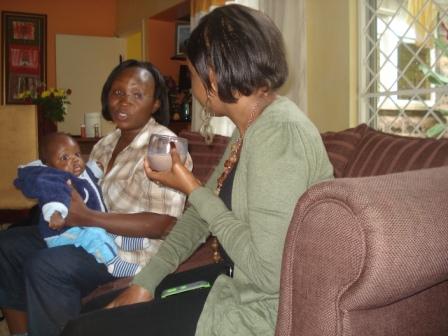
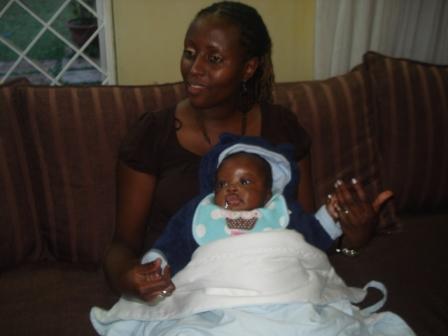
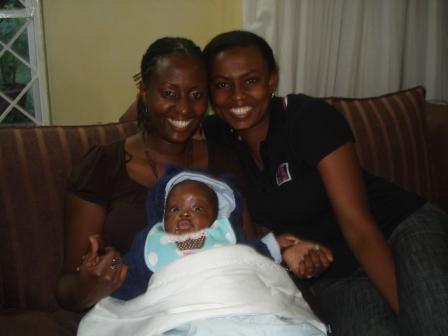
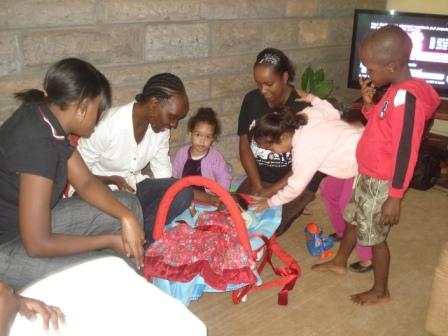
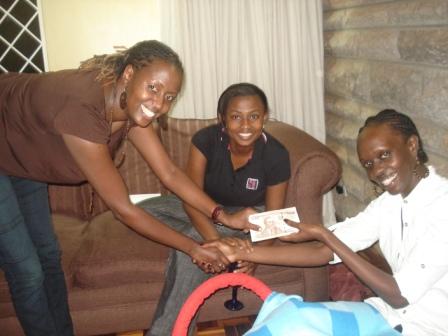
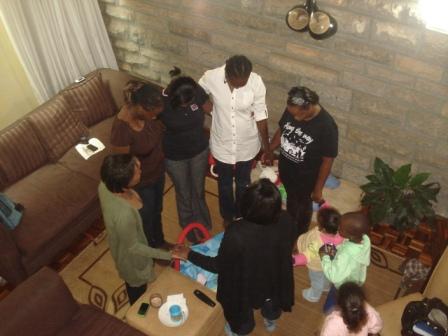
The other Saturday, my girls and I had our usual chama meeting. This meeting was however special as besides the usual catching up we do, we were celebrating with one of our own -Christine, who had recently been blessed with a new bundle of joy, baby Njoki.

Now, we noticed  baby Njoki was all dressed up in blue and out of curiosity, we asked whey she was in those (boy) colors because we assumed she would be in pink. Well, Christine told us that she spent so much money on her first born, a boy, so it didn’t make much sense for her to buy many more clothes save for a few girlie outfits and essentials. Makes sense because these kids grow so fast and kid’s clothes are so expensive and they only wear them for a day or two before they suddenly become small. No need in spending a fortune on their clothes, especially when they can wear hand me downs from their older siblings. The only tricky thing is if it were a girl as the first kid and the boy the second born, it might be tricky to dress the boy in flowery pink, yellow, lilac, fuchsia, turquoise and lavender sweaters and trousers and socks (I’m not very sure I know how the lilac, fuchsia and turquoise colors look like but I just had to throw them in there nevertheless.

So, let me take you through some moments at the chama:

Looking forward to the next chama gals. Maureen and Joan you were greatly missed.

The Two Tribes of Women: Those Who Have Kids, and Those Who Don’t

8

I came across this article a few weeks ago in The Guardian and it provided some very good food for thought. I still reflect on it’s content weeks later. It’s an article that I felt I had to share here. An article that all moms should read.

After years of heartache, Jody Day has come to terms with the fact that she won’t be a parent. But she wishes her friends could accept her as she is.

 Standing alone in the kitchen of my flat, the truth hit me: I would never have a child, would never be a mother. The noise of the traffic seemed to quieten, as if the sound had been turned down, as the realisation sunk in. I was 44 and in the preceding 15 years had run a successful interior design business, travelled extensively and got a first-class degree in English literature. But motherhood had been my one abiding ambition.

Yet here I was, newly separated from my partner of almost five years, in a sparsely furnished flat in London, with no hope of establishing a new relationship before my biological clock juddered to a halt.

It was as if my dreams lay in tatters amid the suitcases and boxes that surrounded me. I wept huge hiccupping tears. During my 12-year marriage and the promising five-year relationship that followed – with no obvious fertility problems that doctors could identify – I hadn’t envisaged my life turning out this way. But in that moment, I finally accepted that I would never experience a rush of maternal love for a newborn.

The emotion was like bereavement, something I had to go through to be able to move forward with my life. And I’m glad to say that during the past two and a half years, I have worked through my grief and begun to carve out a child-free future for myself. However, what I never bargained for on that dark day in January 2009, was that I would feel increasingly ostracised in the company of women I had known for years. Women who are different from me in just one respect: they are mothers.

Motherhood has become an all-consuming role during the past couple of decades – dominating women’s thoughts and conversations – possibly because the pressure on mothers to get it right is greater than ever. When a man has a child he remains who he always was and becomes a father to boot, but once a woman has a baby she is a mother first, and perhaps something else, a teacher or a lawyer, in addition. Websites such as Mumsnet and Netmums feed this obsession and sense of common identity.

I don’t blame mothers for their single-issue approach to life; I would probably have been the same. However, the result is that women are separating into two tribes: the mothers and the childfree, and we are struggling to find common ground. It is perhaps all the more significant because the number of women who, like me, will never have children, through choice or circumstance, is steadily growing. In the post-second world war years, just 10% of women were childless while the number of women who now reach the menopause without having children has risen to 20%.

So, if a fifth of women are child-free, why do we feel so peripheral, so shut out? Perhaps – despite decades of feminism – it’s because there’s an assumption that the only truly worthwhile job a woman can do is to raise children. Jennifer Leonard, a chartered psychologist and parenting coach, agrees that mothers of young children gravitate towards one another. “Once you have children, your priorities change and your interests alter,” she says. “The result is that mothers tend to seek out reassurance about their parenting from one another. It’s a growing trend, partly because we don’t have the extended families around who used to provide that kind of support. Women who don’t have children are in a minority, so as more of their friends have babies and build mummy networks, they can end up feeling sidelined.”

The division between mothers and me was brought home at a party recently, organised by the mother of one of my goddaughters. Many of the guests were friends I hadn’t seen for a long time. But when I tried to chat, telling them what I was up to, they couldn’t concentrate on what I was saying.

I saw panic in their eyes, as if they didn’t know how to have a conversation that wasn’t about their offspring. OK, their children were there, too, so they were looking out for them at the same time and maybe their inability to concentrate results from years of having to do lots of things at once. However, I couldn’t help but feel I was bothering them by talking about something other than their children. I was happy to listen to tales of potty training, broken nights and teenage hormones. I appreciate what pressures they are under and what a difficult job mothering has become. But when these mums began comparing notes about their youngsters, I felt completely excluded.

They are a very broadminded crowd and I don’t think they consciously left me out. It’s just that our interests are now very different – we no longer have things in common. Eventually, I drifted away and ended up chatting with the men, who were happy to talk about things other than family life. But feeling increasingly lonely, and somehow not quite a fully fledged woman, I left early.

I discovered later that I had been invited as an afterthought, when my ex-husband asked why I wasn’t on the guest list. This was hurtful, but not surprising, as I’ve missed out on invitations before. It’s not, I believe, that my friends don’t want me around any more, simply that their lives as parents, wage-earners and partners leaves them with no time for anything other than family-focused socialising, often arranged at the school gates. They bear me no ill will – I have simply dropped out of their world and their minds.

When I asked my good friend Jo if she viewed me differently to her mummy friends, she admitted that, while happy to meet for dinner, she would leave me off the guest list when hosting parties.

“I don’t invite you because everyone else there is a parent and when parents are together there’s a lot of talk about children,” she said. “Not only might that be dull for you, I’m also concerned that it could be quite painful as I supported you through those years when you were trying to have a baby.”

I don’t resent this state of affairs – if the boot were on the other foot I might feel the same. Funnily enough, my ex-husband, Christian, and I were the first in our group of friends to marry, aged 26, and I imagined we would be one of the first to have a baby. However, one after another of our friends announced the arrival of sons and daughters, while we lived in hope.

Doctors could find no reason for our infertility, despite lots of investigations and we were told to just keep trying. But every month the familiar ache in my belly would herald the arrival of my period, leaving me in floods of tears. Not surprisingly, this hunger for a baby put a huge strain on our marriage. Eventually, aged 38 and hopeful of realising my dreams of a family with someone else, I left Christian.

Foolishly, I now realise, I still felt I had time. I was around 40 when I met David, a lovely man, divorced with a daughter. He was a wonderful father and we hoped there might be more children. Sadly, it never happened, and when David and I split, I realised I would never be a biological mother.

Since accepting that I would always be child-free, I have set up a group called Gateway Women. Our aim is to support, inspire and empower women aged 35 and over who are either still living in hope of becoming mothers or coming to terms with the knowledge that they never will.

Too often, women who are child-free by circumstance are left with the sense of not having a proper life. And many women who are childfree by choice find themselves vilified as heartless, selfish types lacking some vital quality that would make them “real” women.

We women without children need to become a more cohesive bunch if we’re to survive in the Mumsnet era. We want to show how much we have to offer and that we have meaning in our lives – it’s just that this meaning is something other than our offspring. I’m going to use the energy that would have gone into raising my family to speak up for childfree women like me. Our tribe is expanding – and it’s time we had a voice.
As told to Helen Carroll

Feel free to share your thoughts in the comments section below.

The article was originally published in The Guardian on this link.

Is it Safe to Continue Breastfeeding While Pregnant?

4

A Mummy Tales reader recently asked me this question:

“Hi Maryanne, I am 7 weeks pregnant and I wanted to know if it’s okay for me to continue to breastfeed while I’m pregnant. I am currently still breastfeeding my 17 month old daughter. Are there any risks for me and/or my growing baby if I continue to breastfeed? Is it safe?”

Truly, this expectant mum is not alone in her worries, for I’ve come to learn that many other moms worry about breastfeeding during pregnancy. Breastfeeding (even exclusive breastfeeding) does not provide a 100% guarantee that a woman will not conceive, and some women do actually get pregnant while still breastfeeding, throwing some of them into panic. They wonder if they should immediately stop breastfeeding or not. It doesn’t help much when lots of family, friends, colleagues and sometimes even strangers start expressing their concerns about the health and well being of the woman and her unborn baby if she continues breastfeeding. They offer all sorts of opinions, and many a time end up confusing her and only causing her more worry and panic.

So back to the Mummy Tales reader’s question, I asked around and got different views and wasn’t sure on a definite authentic answer, so I decided to seek a professional opinion. I talked to three different doctors about it, and below are their responses:

It is okay to breastfeed during pregnancy. With time, the milk gradually becomes scanty and concentrated, and baby eventually stops. So it is harmless to both. Dr. Wachira Murage, Consultant Obstetrician & Gynaecologist at Savannah Healthcare.

Breast feeding occurs after the release of a hormone called oxytocin. This hormone makes the glands in the breast to contract and squeeze out the breast milk through the nipple. This hormone oxytocin is also involved during child birth where it causes the womb (uterus) to contract. However, the womb can only react to this hormone after about the 8th to 9 month or if the mother is predisposed to getting early labour (preterm labour). Therefore, it is generally safe to breast feed until the third trimester.

Another concern is that breastfeeding takes up alot of energy from the mother. With a baby in the womb also requiring nutrients, the mother needs to increase her diet so that she can be able to cater for both babies as well as herself. If not then she will suffer first as the baby in the womb gets first priority. So she needs nutritional guidance as well as follow up in the Antenatal Clinic. – Dr. Torooti Kinagwi Mwirigi, Medical Consultant. 

She should stop so that her body makes *colostrum for the unborn baby. Both breastfeeding and pregnancy require very good nutrition for the mother and if that doesn’t happen, her health can deteriorate. Dr. Francis Nyamiobo, Maternity Child Heath (MCH) Clinic – Nairobi.

*Colostrum is the thick, yellowish milk a pregnant woman’s body produces, and what she continues to produce in the first few days following the birth of her baby. Colostrum is rich in antibodies that give immunity to the newborn, and is also high in concentrated nutrition for the newborn, making it the ideal first food for the baby.

So there you have it. An answer from three different doctors. Hope that helps! Also read the comments below from fellow mums about the issue.

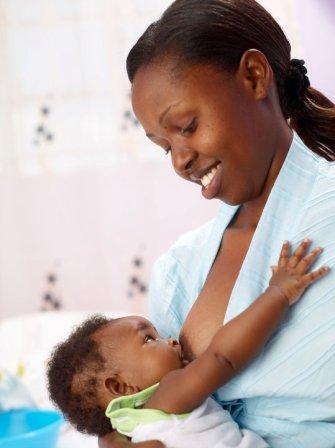
Photo: Let’s Talk Breastfeeding, Kenya.

Pearls of Wisdom: Pieces of Advice to my Son (4)

0

Mums, what pieces of advice will you give to your children as they grow up? Iddah Membo shares the tidbits of wisdom she’ll share with her son Ian.

Remembering My Childhood Easter Holidays

4

It’s Easter, yaaaay!

How do you remember your Easter holidays as a kid?

For me, one of the clear memories I have is watching this movie on KBC about Jesus’ death and resurrection. I don’t remember it’s title, but it used to play on Good Friday and again on Easter Monday. Forget that KBC would play the same movie year in year out, but each time I watched it, it was as though I was watching it for the first time. The movie used to make me cry because I would feel so sorry for Jesus. I used to watch it with my two brothers and I would always try my best not to tear because they would mock me for not being ‘stunya’. But how could I not shed tears because surely those people really used to mistreat Jesus so much yet he was so good to them! What wrong did he ever do :( ?

Easter cross
Photo: dreamstime.com

Anyway, the other memory I have is of watching the KBC news bulletin and seeing people carry the cross and get beaten along the way –emulating what Jesus went through. I remember clearly that this used to happen in Phillipines and those people would have a crown of thorns on their head and their bodies would be so bloodied. Then after carrying the cross and being jeered along the way, they would be ‘crucified’ like Jesus. I never understood why they would go through that –even having their palms and feet pierced, just like Jesus. That pain why now? By the way, can somebody tell me if those guys used to be pierced for real ama it was just for show? Like the way I always thought WWF (wrestling) was for real until I later on (very disappointedly) got to learn that it was all an act.

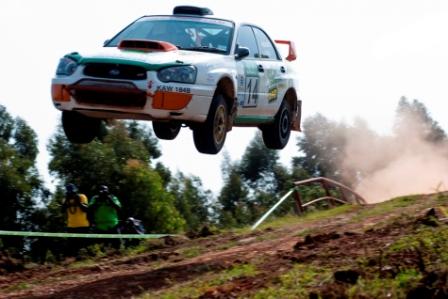
And then, my childhood Easter was always synonymous with the Safari Rally, a.k.a Saffo!! Weuweeeee!

There was no Easter for us if there was no saffo. Ehh, si we used to look forward to the news bulletins (again) just to see our favorite racers. Akina Sheka Metta (sp), Bjorn Waldegard, Joginder Singh, Juha Kankunen, Hanu Micola (sp) and ofcourse Patrick Njiru and all the others I’ve forgotten. And then it always rained over Easter so I used to enjoy seeing how the drivers raced in those muddy pools, splashing dirty muddy water all over. It was during this season that we would go ahead to make our own Safari Rally cars, made from discarded milk packets, discarded Kimbo, Blue Band and Cowboy tins, with the more sophisticated cars made from wires and blada (can’t remember the English word for blada). And then the wheels of this cars would be made from old slippers. May I confess that I was an expert in making these toy cars :) ? Hehehe, I was a tomboy for sure. Blame it on growing up with two brothers. My sister was waaaay older than me so I never really got to be in her play group and play those girlie games.

Yeah, that’s how I remember my childhood Easters. What about you, how do you remember yours? And I wonder, how will our kids remember Easter? How will your kids remember Easter?

And as you celebrate Easter, remember to give thanks for the many blessings in your life: your family, friends, your health, life….

Easter Eggs
Photo: dreamstime.com

Have a lovely Easter and wish you God’s blessings.

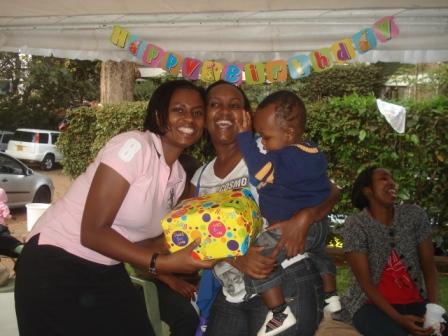
Of Girlfriends and Another Birthday Party

3

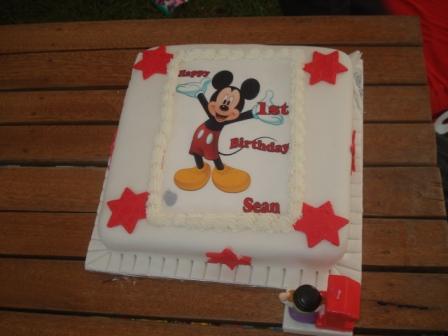
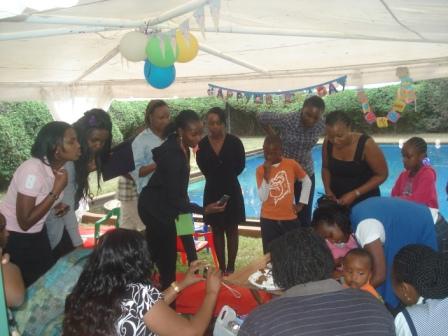
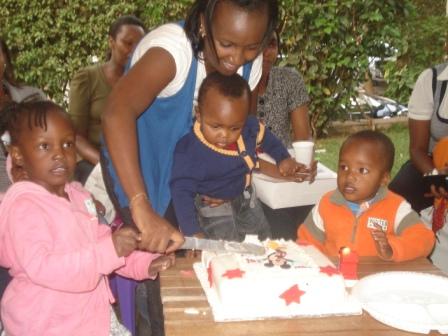
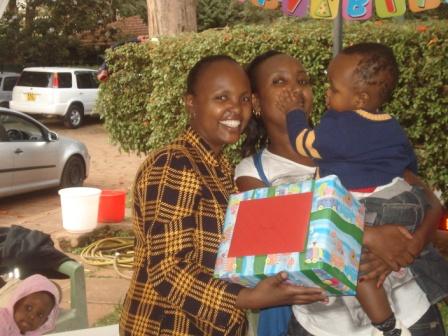
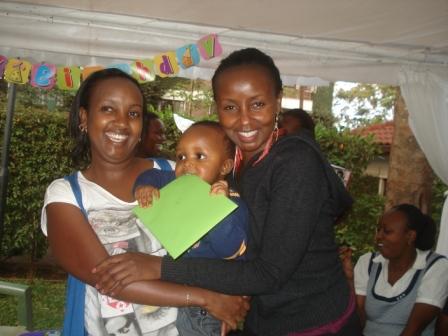
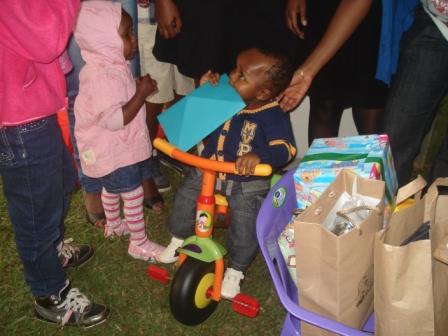
Last Sunday, I attended a birthday party for a little boy who was turning 1. Sean is his name. Let me tell you how about Sean and his birthday.

Now, Sean’s mum is my pal and we used to hang out a lot together a few years ago, during mkondo wa mwisho. What is mkondo wa mwisho you ask? Mkondo wa mwisho is the year my girlfriends and I went all out painting the town red, for it was the year we turned 30. It was our last lap as twenty-something year olds, and being the ladies that we are, our big three-oh wasn’t gonna pass uncelebrated. We were not gonna turn 30 holding our chins in our hands wondering where our youth went and wallowing about it.

Every woman has her own way of turning 30 – some do so silently, some prefer to be in denial, while some do so wildly. Clearly you know what category my girls and I fall under. My pal Kobie and her gals are doing the mkondo wa mwisho round now, and I keep hearing her excitedly mention a trip to Coasto later this month. She keeps going on and on about how they’ll all be turning 30 this year in style, and I just can’t help but smile and cheer her on, largely because she reminds me of myself a couple of years ago. Madam Kobie and your girl crew –do have a blast as you close the twenty chapter.

So anyway, Mama Sean was part of my girl crew, and if there is someone who is good company, it is Mama Sean. She can really liven up a party with her witty humor and accompanying animated gestures. Now combine this with the likes of Emily, Alice, Irene, Jodes, Joan, Miriam, Anne and its just explosive. Kaboom!!

We spent Sean’s birthday reminiscing old times, how we used to ‘get down’, but how our bones seem to be failing us nowadays as any attempts to ‘get down’ finds us down on the floor –literally –and unable to get up unless assisted.

Meeennnn, did I have a good laugh or what? It was nice catching up with these ladies, and even better laughing at how we’ve ‘so aged’. There is nothing better I tell you than adding years onto your life, enjoying every minute of it and having a good laugh about it. And ofcourse, giving thanks to God for it all.

Truth be told, it had been a minute since I had that kind of fun –what with being a new mom and all.

Yeah, so that’s how last Sunday went.

Oh snap! Uuuummm, wasn’t this post was supposed to be about Sean and HIS birthday? Oh dear, happy birthday Sean! Hhmm, I guess then it’s true that one year old birthday parties are hardly ever about the baby, but the baby’s parents and their guests?

Pregnancy Nutrition (part 2): Foods to Avoid While Pregnant

0

This is a follow up post to the one I did about Pregnancy nutrition: Foods to eat while pregnant.

Today, Nutritionist Catherine Kathure shares insights on unsuitable foods during pregnancy.

MT: What are the foods to avoid while pregnant?

CK: Specifically, there is no food that is harmful during pregnancy. However, the mode of preparation and the amount taken for some foods really matter and can be harmful to the pregnant mother and the unborn child. Some of the foods to avoid include raw or undercooked meat, poultry and eggs. These include processed meat. This is because they can cause food poisoning which in turn affects the growing baby.

Pregnant african american woman eating an appleDeli meat or processed meat as well as unpasteurized milk should be avoided as it contains Listeria, which is known to cause miscarriage. Listeria has the capability to enter the placenta and may infect the baby, causing blood poisoning or infection which is life threatening. If you have to eat processed meat, ensure you reheat thoroughly before eating.

Sea foods with high levels of mercury should be avoided as they cause brain damage and developmental delay of the baby. These foods include; shark, king mackerel, swordfish, and tilefish. N/B: The bigger and the older the fish (any fish) the more mercury they contain.

Caffeine should also be avoided during the first trimester of pregnancy as it increases the likelihood of miscarriage, premature birth, low birth weight and withdrawal symptoms in infants and it is therefore safe to stay away from caffeine. It can be taken in moderation in the second and third trimesters (less than 200 mg in a day). Caffeine is also diuretic in nature (meaning it helps the body to eradicate fluids from the body) hence; it can result to loss of water and calcium which are important for the pregnancy. It is therefore advisable to take plenty of juices or water rather than caffeine-containing beverages.

Fresh juice and fruitsAlcohol should be also avoided during pregnancy since it interferes with healthy development of the growing baby. There is no amount that has been prescribed during pregnancy. Depending on the amount and the routine of alcohol use, it can lead to Fetal Alcohol Syndrome as well as other development disorders. If you realize you are pregnant, it is better to stop taking alcohol as well as during lactation as alcohol exposure to the baby is lethal.

Smoking and the use of other illegal drugs should completely be avoided as they have adverse effects on the development of the fetus.

Excess vitamin A should be avoided as it leads to toxicity which is teratogenic (can cause malformation of the fetus)

Heavy medication such as use of aspirin can cause blood clots.

MT: Does eating liver during pregnancy cause any harm to the unborn child?

CK: Liver is known to be a very good source of Vitamin A. vitamin A is a fat-soluble vitamin and thus any excesses in the body are harder to dispose than the water soluble ones such as vitamins B and C. Therefore excess consumption of liver may raise the levels of Vitamin A in the body thus making it toxic to the body (Vitamin A toxicity). This toxicity can lead to malformation of the baby.

However, this toxicity only occurs with retinoid (preformed vitamin A) such as the one obtained from the liver and not in carotenoid form (like the ones found in carrots). That’s probably the reason why people say liver is not good for pregnant women and not carrots, since they both supply vitamin A. In conclusion, liver itself is not bad in pregnancy but rather the amount that is consumed.

PregnancyMT: Should a pregnant woman diet?

CK: No. Dieting during pregnancy is not recommended at all. This is because during pregnancy there is an increased nutrient need for both the mother and the fetus. The baby’s health and development relies upon the mother’s nutrition. Dieting affects the overall development of the baby. A pregnant woman is supposed to gain between 11 and 14 kgs (which include fetus, amniotic fluid, placenta, increased blood volume, increased uterus and breast size) most of which reduce after birth. Hence, there is absolutely no reason to diet during pregnancy.

N/B: Exercises should not be confused with dieting. Exercising in moderation depending on the stage of pregnancy is important as it helps the mother to be strong and easy delivery.

Best wishes to all the pregnant moms.
Nutritionist Catherine Kathure can be reached on cate2010@gmail.com

images: dreamstime.com

Advertisement

POPULAR POSTS

error: Not Allowed