We always love to hear from our Kenyan mum in the diaspora Nabubwaya Chambers, a guest writer who often shares with us her motherhood journey from Texas, USA. Nabubwaya’s son Lema is now 23 months old. Today, Nabubwaya tells us about pumpkin trails. Yeah… I have no idea what those are, so read along with me to find out more…
“Fall is here in all its glory which means it’s football season and at the same time there are lots of pumpkins everywhere! Leaves are changing color and the weather is super cool. Plus we get to enjoy a little bit of rain too. We love all that’s going on.
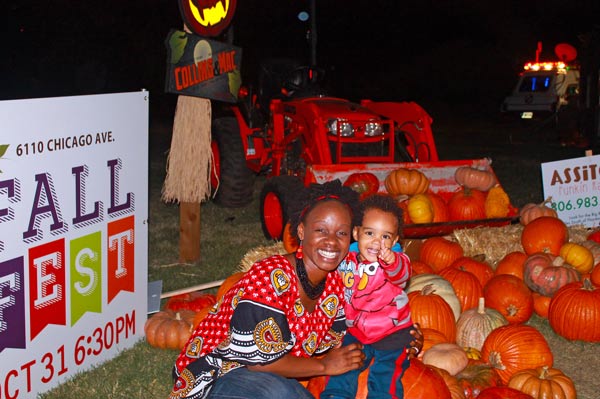
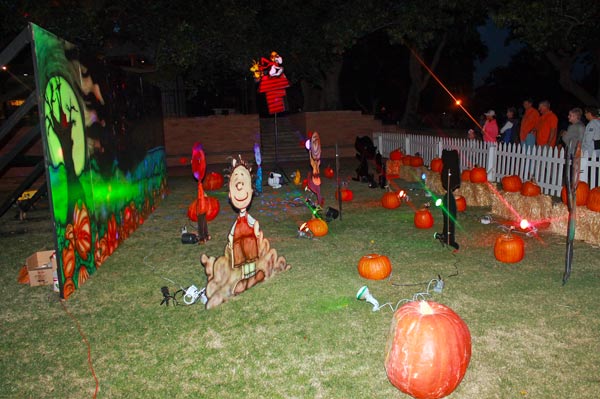
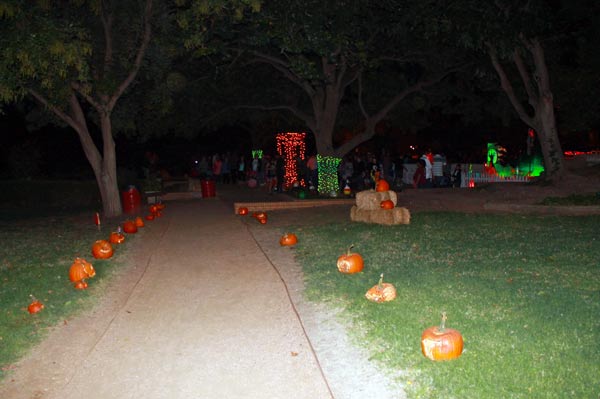
Pumpkin trails are very common during this season. Baba Lema and I took Lema to the Lubbock Pumpkin Trail at the arboretum this last October weekend. Lema absolutely loved it and had a great time.We saw lots of pumpkins that had been donated by several organizations and volunteers.
It being my first time to visit a pumpkin patch ever, I was excited to experience this American tradition and enjoy it together with other families.
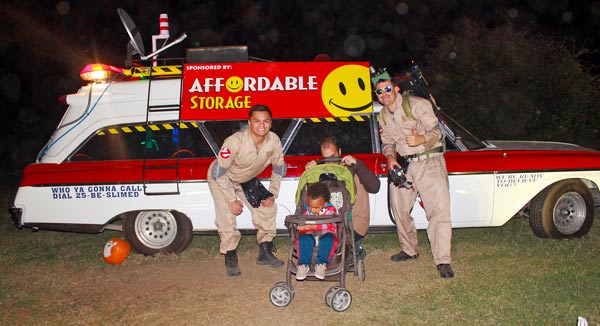
Also, there were certain cartoon characters that I noticed from the cartoons I watched back in the day as a kid. There was Charlie Brown, Flintstones, and Ghost Busters, to mention a few. We took some goofy photos with the Ghost Busters crew.
You can find out more about the history of the Pumpkin Trail in the video below.
As usual, Lema was fascinated by the dog in front of us as we walked down the long pumpkin trail. Good thing he was still in his stroller because he would have ran up to pet Max the dog. He kept saying “daddy, mama, waaaaa waaaaaa”, as he mimicked the dog’s barking sounds. It was hilarious and quite entertaining.
We took plenty of photos and created memories to last a lifetime during our first visit to the pumpkin trail as a family. This is my favorite season and I love how cool it is. I enjoy walking both in the early morning and evening. I look forward to more of these Fall activities. We hope you will enjoy the photos we took of our Fall pumpkin trail.”
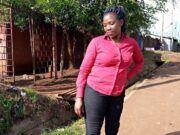
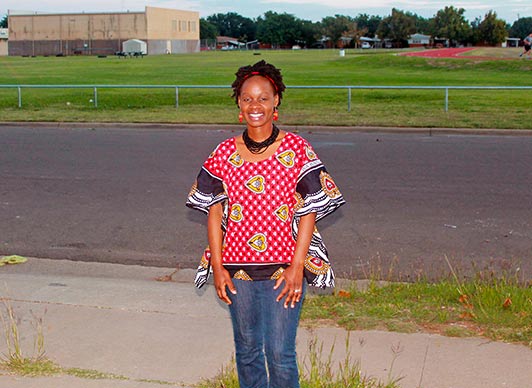
Earlier in the day: Nabubwaya enroute to the pumpkin trail.The pumpkin trail.Lema and his dad somewhere there behind him, posing with some cool peeps.
Thanks Nabubwaya for sharing. At least now I have an idea about pumpkin trails. Looking forward to your next post!
You can read more of Nabubwaya’s experiences as she raises Lema together with her husband here.
Meanwhile, fellow Kenyan mummy blogger Mama Mgeni recently hosted a Halloween party in her neighborhood. Read about how that went down here and see some of the interesting costumes the kids wore. But what are your thoughts about Halloween anyway? Do you celebrate Halloween? What do you think of it? Is it evil? Devilish? A ‘Western’ thing which we shouldn’t import? What do you think?
If you have a young child or a teen who is interested in the television and film industry, then a good start to helping them get their first break would be this upcoming boot camp happening from 29 November – 5 December 2015, hosted by the Africa Film & TV Talent Resource Center. For more details, call 0729 653 209 or 0729 653 365.
When I was in primary school, there were thousands of us and while most easily got ‘lost in the numbers’, there were a handful of pupils who stood out. And there is this one particular girl that stood out. Her name was Yvonne. Yvonne Kalahi.
Even though Yvonne was a few years younger than me, I nevertheless knew her. Or rather I was aware of her. You know – it’s usually easier to remember pupils who were ahead of you but harder to remember those in classes behind you. But I remember Yvonne.
I remember her because, young as she was, she used to host a certain show on television. This was in the late 80’s when KBC –then called VoK was the sole TV station in the country. The signature tune of Yvonne’s travel show was the song “God’s Country”by Kool and the Gang. That song had such a cool beat to it.
As the show’s host, Yvonne would dress in lovely clothes, would be up and about sampling different places while clearly appearing to enjoy what she did – travelling and hosting.
Yvonne would present the show in such a confident and eloquent manner – never missing her words – or her steps. I’d always tune in to Yvonne’s show and whenever I did, I would look at her and I’d be like – wow! This girl is lucky!
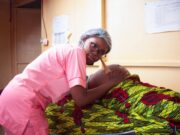
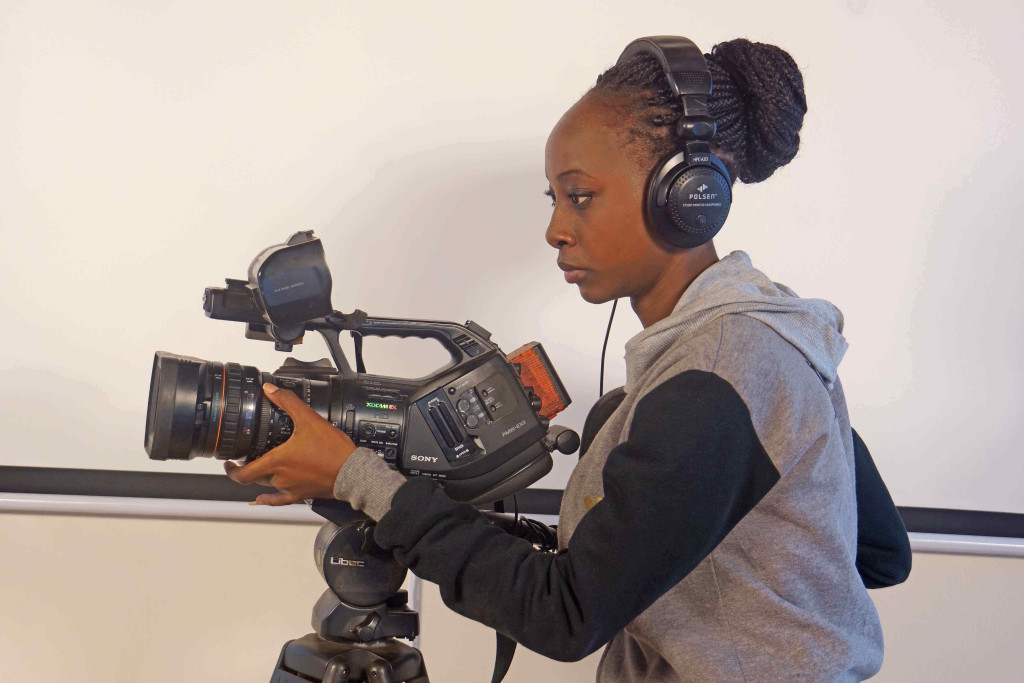
A young camerawoman at work, courtesy of AFFTREC
At school, Yvonne was just as charming. She had this smile, was sociable and pleasant. Like I said, Yvonne was much younger than me so we weren’t friends (for lack of a better expression), but a significant number of the school’s population knew her. I mean, who didn’t know the pretty girl who hosted a show on TV? Yvonne was a star not only in our school, but across the country.
And yes, Yvonne was the envy of many young girls. There was just something about her that we wished for. Whether it was the confidence, the nice clothes, the eloquence, the radiance, the opportunities she got, the people she met or just how she looked.
There was something. And as we tried to figure that out, we’d always wonder – how did Yvonne get to be on TV? How is it that she was so articulate? Did it come naturally? Did she ever get scared of being on TV? Was it something maybe we could also do? We never quite got the answers to those questions, but I’ll tell you the reason why I’m talking about Yvonne today.
Yvonne is the first person that came to my mind when I chanced on some information about a certain platform for children who are interested in hosting shows on television, acting for TV, films and commercials, as well as public speaking.
Today, we have more than one television station and there are lots of other broadcast platforms, meaning that the opportunities for children interested in the screen are endless.
And what the Africa Film & TV Talent Resource Center is doing is offering our children who have an interest in television and film the opportunity to be stars. And there are lots of benefits that come with this: the exposure, the confidence, the opportunities, the increased knowledge on topical issues, the potential to carve a successful future, the financial perks (I know of a child actor whose school fees comes purely from his acting gigs), among others.
So if you have a child who is keen on exploring the television and film industry, then consider enrolling them for the boot camp at Brickwood School in Nanyuki this coming holiday from 29 November – 5 December 2015, where they will also get the chance to meet some of their role models and mentors in the broadcast industry.
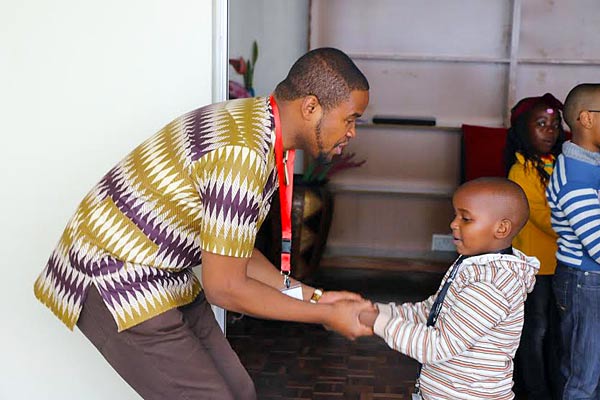
Johnson Mwakazi training a young boy during the last ‘Be a Star’ camp in August.
Having them participate in such a camp will increase their chances of landing that coveted opportunity to be on our screens as an actor, actress, or a great television host, just like Yvonne. Yvonne Kalahi. You never know…
When changing a boy, always place a small cotton sheet over his penis to prevent you from being given a surprise pee sprinkle from him.
Have a ‘diaper’ thermos with hot water always on standby so that you don’t have to keep warming water each time you need to change baby. The thermos diaper should be exclusively for that and should not be mixed with other flasks in the kitchen.
If the room is warm, let baby be diaper free for a few minutes. They love the freedom! However, for small babies, the less they are exposed to the cold the better.
Carol Rurigi – Mum of Two Girls
Never leave baby alone on the changing station –even for a second. You might just turn and next thing you know, baby is one the floor –crying her lungs out. Don’t assume that your baby is too small to roll over, or too little to get herself off the bed –because she will surprise you. Don’t leave baby alone to go rush for something, even if you think the baby is well secured. If you have to, go with her. Don’t take any chances that could result in your baby being hurt.
For this reason, always have everything you need before you start changing baby. This will help you avoid making a quick dash to the drawer or sink in the middle of a diaper change. Lay everything out beforehand and make sure everything you need is within reach.
Ruth Nasimiyu – Mum of One Girl
When changing a girl, be sure to wipe from front to back to avoid infection. Girls are more prone to infections than boys, so as soon as you notice she has soiled her diaper, change it immediately. Do it right away as leaving it on for too long might cause the poop to travel from the back to the front which could cause her to have an infection. Also, be sure to remove all urinary and poop residue as you change the diaper. Ensure she is completely cleaned up.
Christine Chege – Mum of Two; a Boy and a Girl
Sometimes, despite every mother’s keen attempts to keep her baby away from diaper rash, it does happen unfortunately. Incase it happens, let the baby stay without a diaper for a while (I would lay my babies down on a water proof mat and let them play or rest there). I would also used a healing cream during such times.
Don’t be too quick to change the baby’s diaper. Give them a few minutes to finish their business before you change them. Many are the times I would quickly rush to change baby’s diaper as soon as I knew he had soiled it, only for me to put on a fresh diaper then be hit by a smell a few seconds later –turns out baby had not finished pooping!
Lastly, take time to teach the nanny or house girl how to change a diaper. Don’t assume that everybody automatically knows how to change a diaper. Assumptions don’t work when it comes to motherhood.
Emily Kinuthia – Mum of One Girl
I prefer to use cotton wool and warm water to clean my daughter as opposed to wipes. This is because the cotton wool is much more gentle. Aside from that, wipes can be very cold on the baby, so warm water is always preferable.
The container you use for diaper changes should be cleaned daily with disinfectant. This you can do when cleaning the rest of baby’s bathing equipment. The container should be kept exclusively for diaper changes and should never be used for any other purpose –such as cleaning baby’s face. This is to avoid infection. To make things easy, I differentiate baby’s containers by color so it’s harder to confuse them.
Joan Kiambati – Mum of One Boy
When done changing the diaper, check that it is not too tight by ensuring that two fingers can comfortably fit between the belly button and the diaper. If your finger feels constricted, it could mean the diaper is too small for baby. The diaper should be snug on baby, not tight. You should not see deep red marks on baby’s skin. If this happens, adjust the fit of the diaper or get a size bigger.
Maureen Nganyi – Mum of One Girl
When changing the diaper, using powder on my baby’s bottom didn’t work for me at all. I once used powder on her and it gave her some serious cuts on her thighs. So based on my experiences, I wouldn’t recommend powder use for diaper changes.
So there you have it. Some helpful tips especially for new moms. Experience is always the best teacher indeed.
What are some additional diaper-changing tips you would like to offer fellow moms –especially first time moms? Feel free to share in the comments section below.
*Post Brought to you by Pampers Baby-Dry Diapers
Some of the new features in this diaper include:
– New stretchy sides – that give baby the best comfort as he moves around and fits snug on him.
– New fun designs –fun for baby and fun for mom too! Helps you teach baby about different animals, shapes and colors.
– Super gel – that locks in moisture
– 4 dryness layers – that keep baby dry all night long
I recently wrote this post of How I Lost my Son in a Shopping Mall, and even though I lost him for just a few minutes, it was a long and harrowing experience that I would never wish on any parent.
Following that post, and from the feedback I received from fellow mums about similarly losing their kids, as well as those asking about what one should do in the event their child gets lost, I spoke to Maryana Munyendo of Simba-Safe Kenya on the issue. Simba-Safe Kenya is a personal safety education program for children. Today, Maryana shares with us 10 helpful steps that one can take to help find a missing child as quickly and as safely as possible.
1. Do your best to remain calm. People can help you easier when you are calm and remain so.
2. Find the nearest security officer or employee and explain that your child is missing. They will alert the management desk, who can then ensure that all exits are on heightened alert for the missing child.
3. Give the employee or officer a complete description of your child. This includes; name and nickname, age, height, weight, skin colour, clothing and special features like braces or spectacles. A recent photograph from your phone or wallet would also be very helpful.
4. Notify the nearest police station and fill out a police report with your contact details.
5. Spread the word to as many people as you know on text message that your child is missing, with centralized police contacts as an intermediary for messages.
6. Contact the media with information on your missing child. This should be only after you have lodged a report with the police.
7. Inform your child’s teacher or school. Their reports of recent behavior can be helpful.
8. Lock down your child’s computer or mobile phone and wait for law enforcement to access it.
9. Use social media with a consistent information package/poster about your missing child that has centralized contacts.
10. Be good to yourself and others around you. Take care of your spouse and other children to reduce tension.
We have been reading from Tata Nimmo about their journey of raising a child with special needs. Six year-old Safari has Cerebral Palsy (CP), which was diagnosed at the age of two years, with his mother and aunt tracing it back to an jaundice episode when he was a newborn.
Tata Nimmo has told us of the difficult journey that was accepting that they were raising a special needs child, and some of the challenges they have faced along the way. Tata Nimmo is a twin sister to Safari’s mum.
After having accepted Safari’s CP, Nimmo and her sister began the search for early intervention. Today, she tells us about the therapy they have accessed for Safari.
Finding therapy of Safari was a relief, and it was great progress. Finally, we were moving from the uncertainty about Safari’s condition into what seemed like an answer. It was the pediatrician at the Kiambu General Hospital where Safari had been diagnosed with mild CP who referred us to an occupational therapist.
But then, ‘Occupational therapist’ was a new term to us. What we had previously heard of was a physio-therapist, and in my view this is what Safari needed to strengthen his motor skills. But as the doctor explained to us, an Occupational therapist (OC) is different in the sense that he/she uses occupational therapy to develop, recover, or maintain the daily living and work skills of people with a physical, mental, or cognitive disorders.
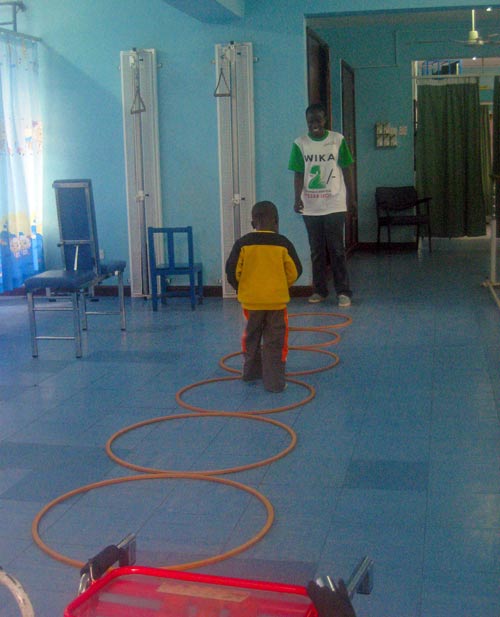
Safari at one of the therapy sessions.
When they talk of life skills: they teach them play therapy – how to socialize and play with other children, how to use toilet facilities – basically skills that come naturally to most children with little effort. But due to the delayed development of special needs children, some of these skills come later in life or they need to be taught, and at times, retaught.
Following the doctor’s advice, our first stop was the Kenya Institute of Special Education (KISE) – which had an in-house OC. However, they referred us to a children’s center within our estate that catered for children with Cerebral Palsy (CP). Interestingly, this was a place we passed through every day on our way home! We were thankful that it was not too far from us, as we had previously thought that a therapy place would be miles away from home.
The occupational therapy centre was a one storey building coated in all white paint, with a mural of children on wheelchairs receiving assistance from a doctor. The ground floor acted as a pre-school while the top floor hosted the therapy unit and some hostels for residential special needs children.
Marion, who was the Occupational Therapist at the centre was a tall, slender young woman, almost fragile you might say but her actions of pulling, and yanking at Safari’s hands and feet set him on a crying frenzy that threatened to bring the roof down. So I did what I always do; I asked questions as I told young Safari tales of us getting on an airplane (a wish that I know when I fulfill it, I will be his forever love:)).
Safari
The occupational therapy included a massage which was done using olive oil, kneading and stretching of Safari’s bones, his learning to step aided by two long cylindrical poles, and at times he would push a cart around the hallways as we supervised him.
Safari would attend this therapy thrice a week. He would also see a speech therapist once a week. Eventually, we were referred to a consultant speech therapist, Dr. Elizabeth Kruger who has since left the country after twenty years here. She was one out of the four speech therapists in the country.
Dr. Kruger helped a courageous young lady called Maria (of The Njeri Maria Foundation) with her speech skills, and today, Maria is as eloquent as any other young person out there. She is quite an inspiration, and whenever I see her I know that Safari will be okay. Maria is a student at the Nazarene University and she is living her life to the fullest.
Along the way, as we spoke to other doctors and interacted with fellow parents, we decided to change therapy places, and we identified a place in Westlands. However, we did not have a good experience there and decided to move Safari again. Today, we take him to Therapy for Kids at the China Centre, and its working out well for all of us.
Safari receiving assistance during a therapy session.
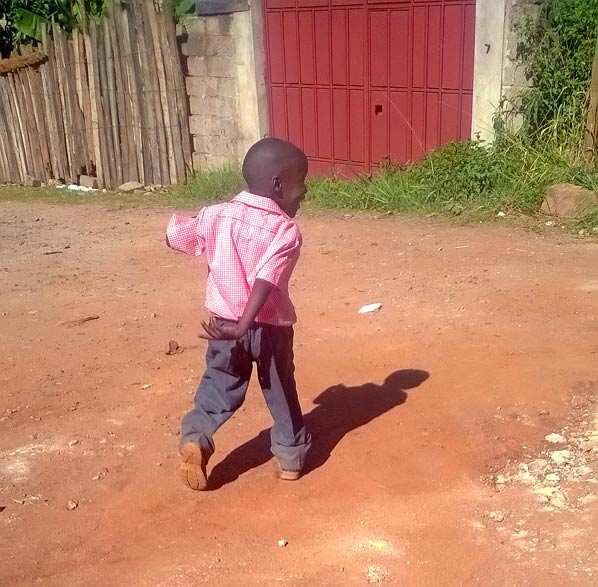
The thing we have learnt with therapy is to celebrate the milestones that Safari makes. After our first session of therapy, while at home, Safari stood up without support from anyone or anything. He was two years old then and he had never been able to stand on his own until then! Even though he stood for just a few seconds, we were very excited and danced around the house in jubilation. The mere act of this milestone was such an encouragement that we took him to therapy consistently until he was able to walk, without support. Today, Safari is our ‘errand boy’ where we even send him to run grocery errands, though we always watch from a distance.
Therapy is meant to give him as much independence as possible, and it is happening slowly, but we are grateful because Safari has indeed come a very long way. The thing with therapy is to never lose hope. I must say that it’s not an easy task as it calls for total commitment especially from all family members. The good thing is once you see the child’s progress and meet other parents who have been in the journey longer, and are still keeping on, it gives you the energy to keep moving.
Learning material for children.
These are the therapy tips I’d like to offer any parents or guardians raising special needs children:
Always involve your child in household activities. For example, allow them to help you pick the rice, colour separate the cloth pegs or any activity that helps their brain create logical thinking.
Don’t be overly concerned with what others think, but take any advantage to teach your child, be it on the highway, or even as you shop in the supermarket.
Give therapy a chance, CP is a lifelong condition. Access to early therapy makes all the difference.
Thanks Tata Nimmo for sharing your encouraging journey. For more experiences by Kenyan mums and dads, follow Mummy Tales on Facebook and Twitter.
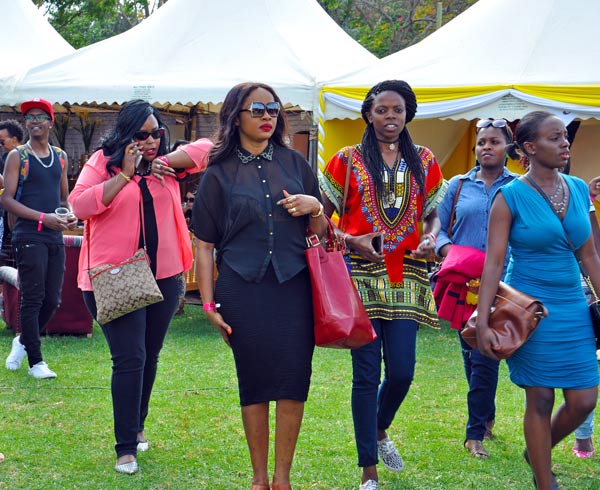
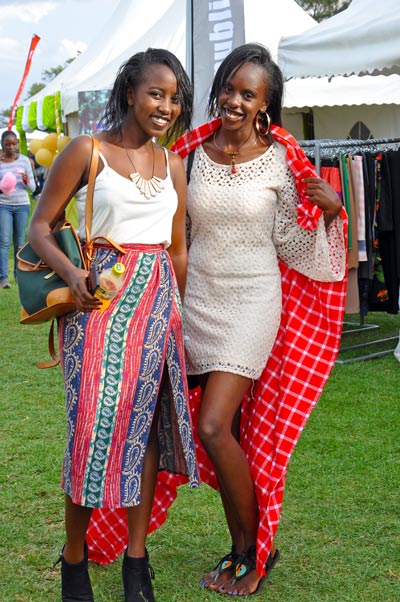
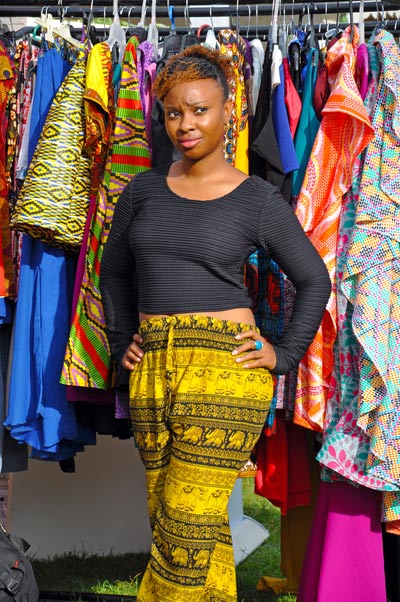
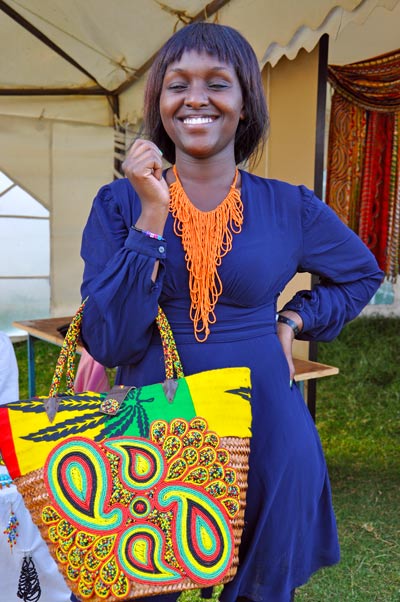
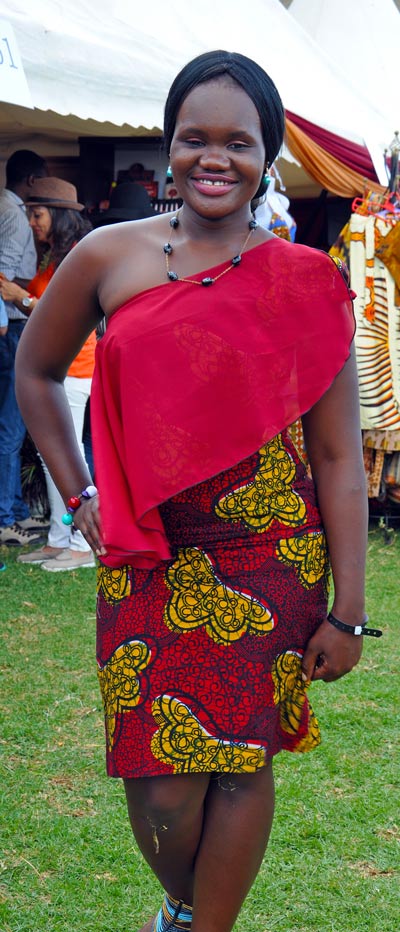
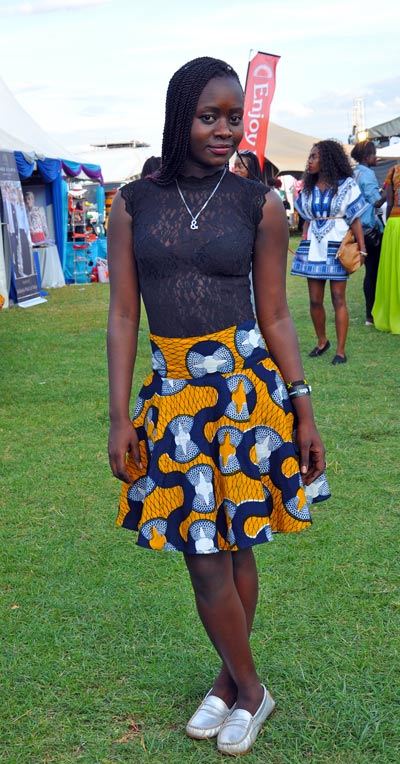
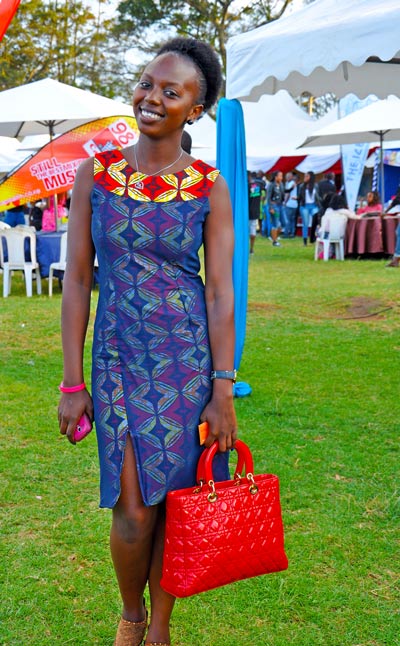
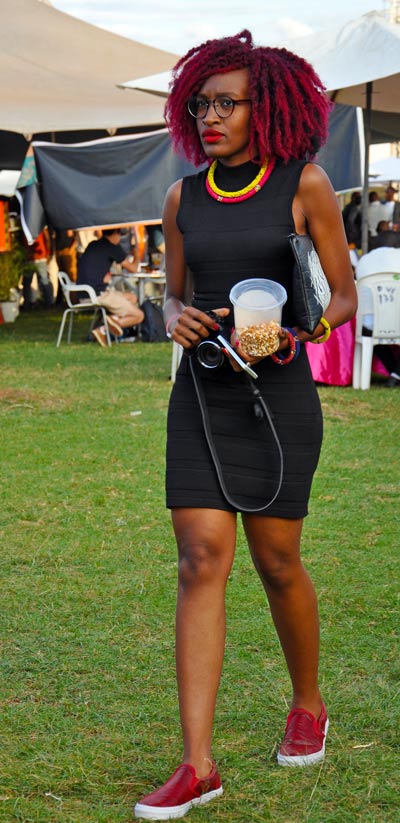
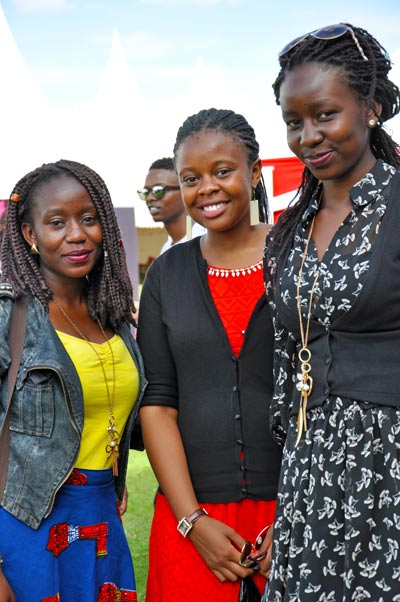
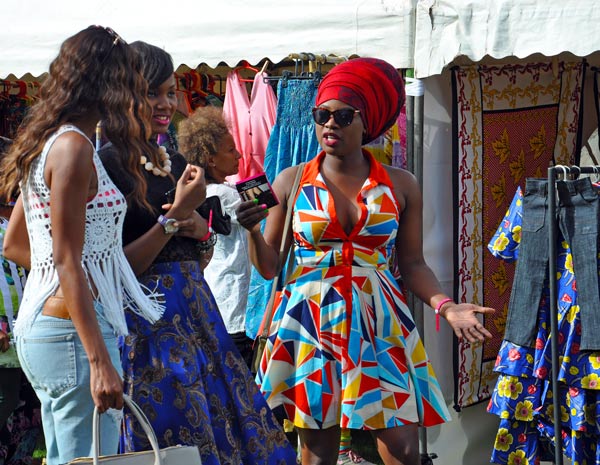
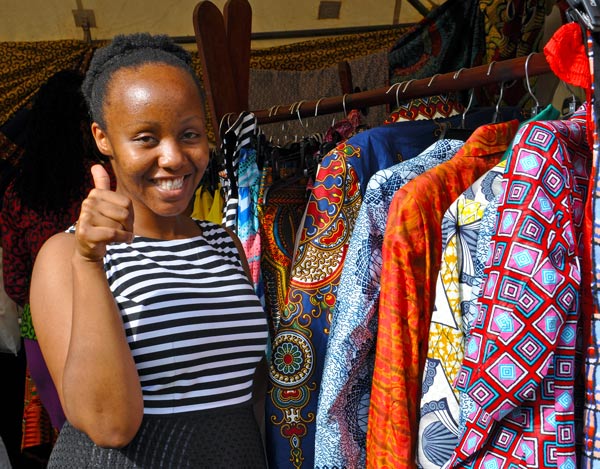
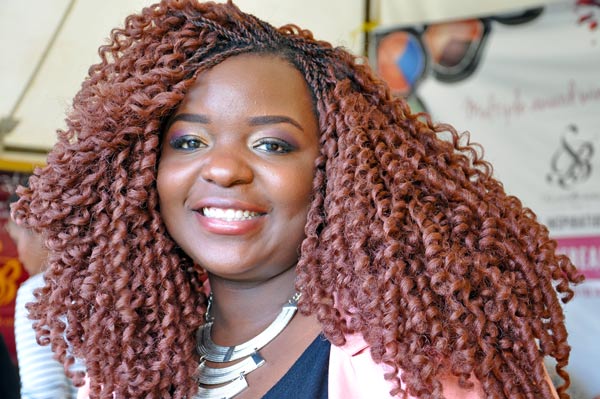
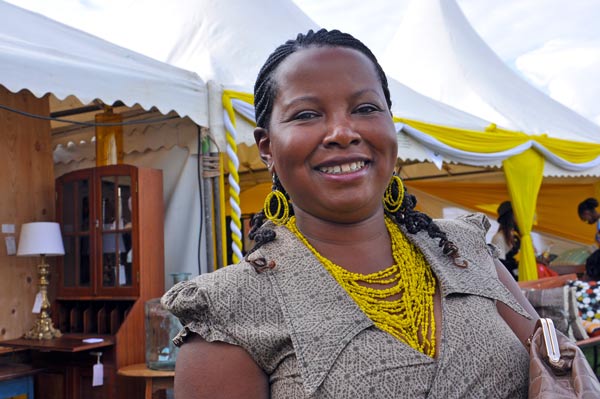
Last Saturday afternoon, my friend Ninda and I decided to head over to the Nairobi Fashion Market to ‘see’ what goes on there. And see we saw. We saw a bevy of beauties and lots of lovely outfits and bags. And shoes and jewelry.
With my lens, I captured the ladies and the outfits that caught my eye, and I share them with you below. But first, let me give my fashion mwitu analysis of my observations. I noticed that there were lots of ladies baring their mid-riffs. In my days we called them ‘tumbo-cuts‘, I don’t know what they are called nowadays. There was also lots of lace outfits -especially the tops, most of which were black in color. The ladies then had black bra’s underneath and that’s it. To pull that off trust me you need to have NO pot.
I also noticed that there were lots of kitenge skirts -the ones with a fat waist band. Some of them were long while some of them were short skirts. Interestingly, many of the ladies who wore these skirts did so with sneakers. That’s a new trend I guess?
So anyway, enjoy the photos.
Ann Muchiri of Tribal Trendz with her designs.
Designer Cheruto Chebichii at her stand.
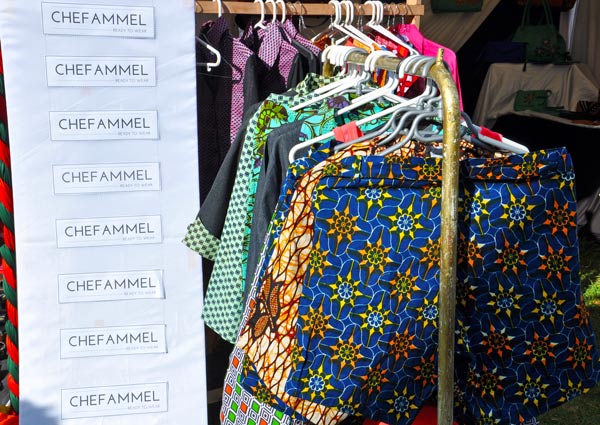
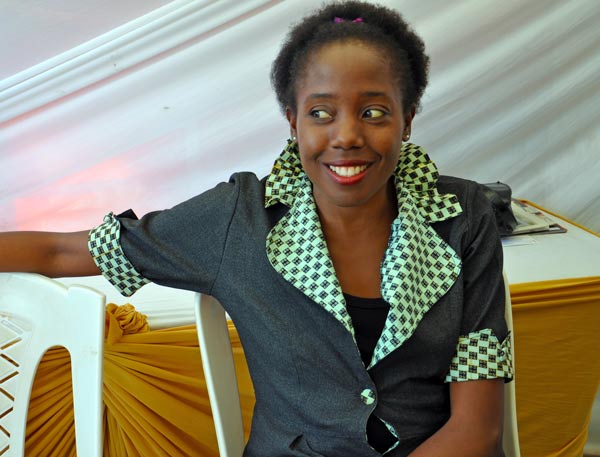
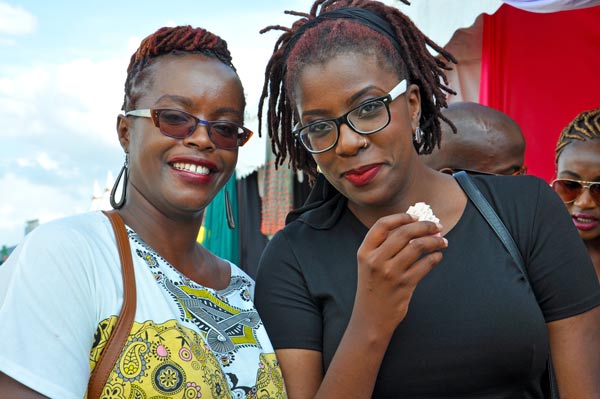
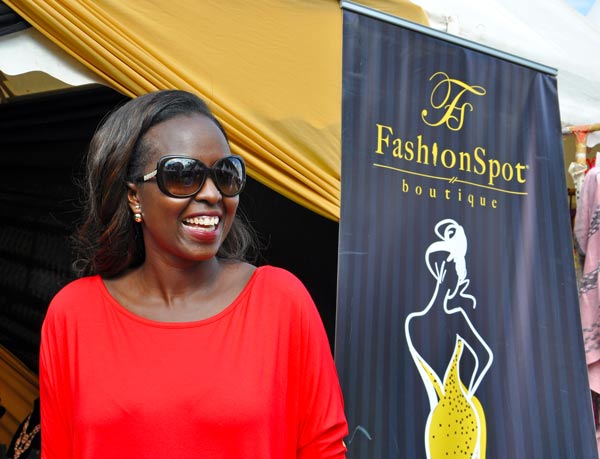
The lovely Juliet Ntalo of Chefammel Designs. I totally love her outfits.Catherine Wangari and Ciru MuriukiCarol Yebei of Fashion Spot Boutique in Wood Avenue, Kilimani.Eunice Omito of Suzie Beauty.
It was a nice event, full of lots of beautiful ladies, some men, a good band, some good food, some warm coffee and some good laughs with my friend Ninda. Definitely an event that was worth my time :). See a few more photos on the Mummy Tales Facebook page here.
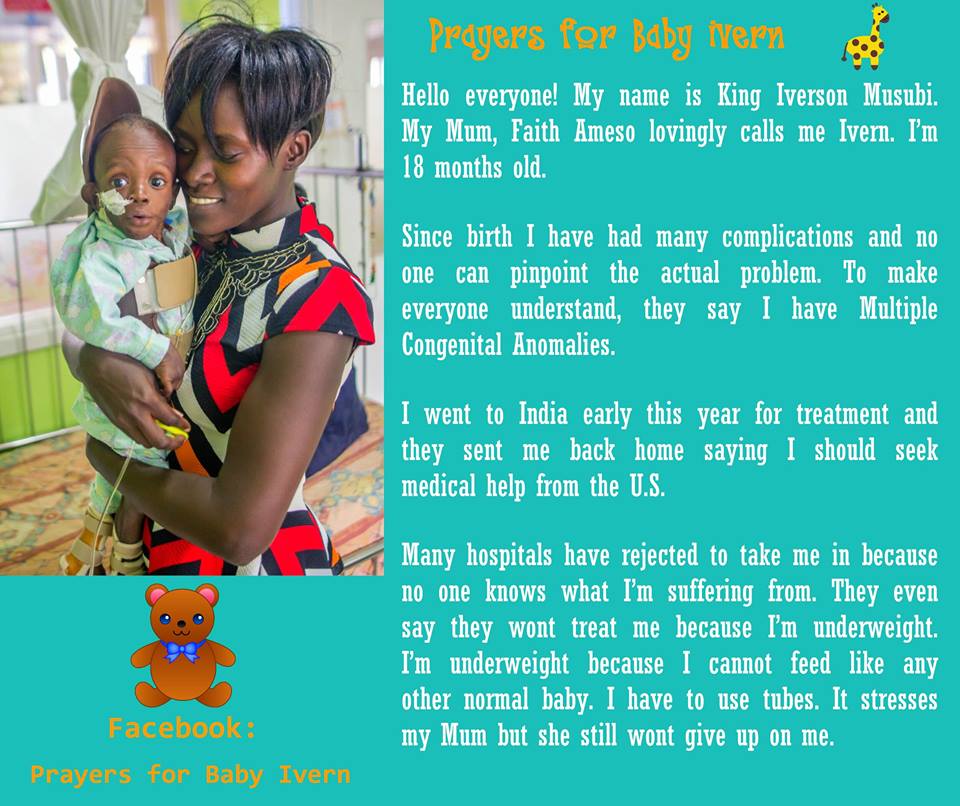
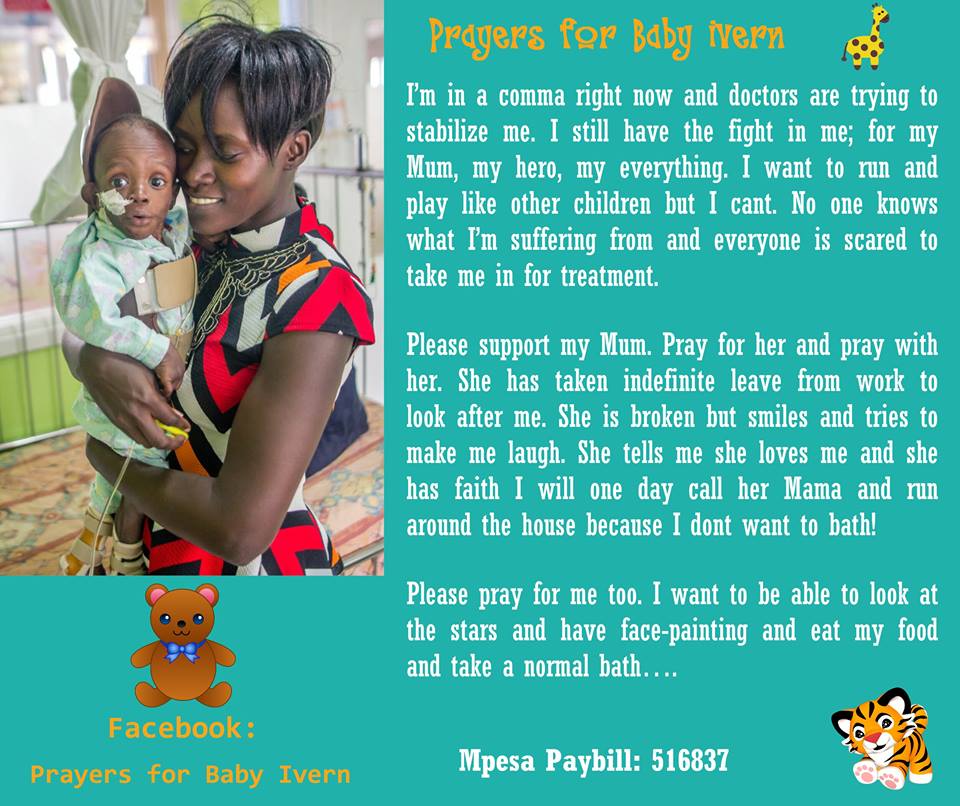
Faith Ameso never imagined this is how her first-time motherhood experience would be. But well, this is the situation she has found herself in; her son’s illness, a condition that has baffled not only her, but medics too. If in a position to, please see what you can do to help this mum in need of our support. See her contact details below.
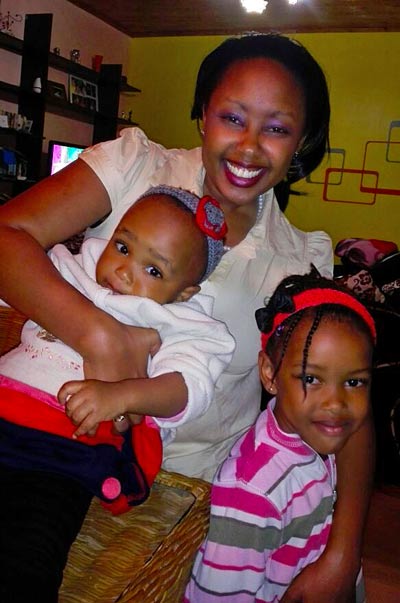
Elizabeth Museo Muema is the founder of Crochet Kenya. The 33 year-old is a Public Relations professional and has been married for eight years. She and her husband are blessed with two daughters. She tells us more about Crotchet Kenya.
Maryanne: What is Crotchet Kenya all About?
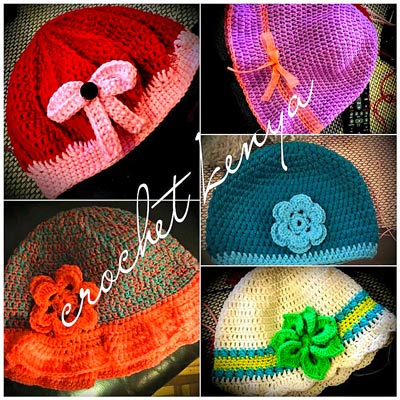
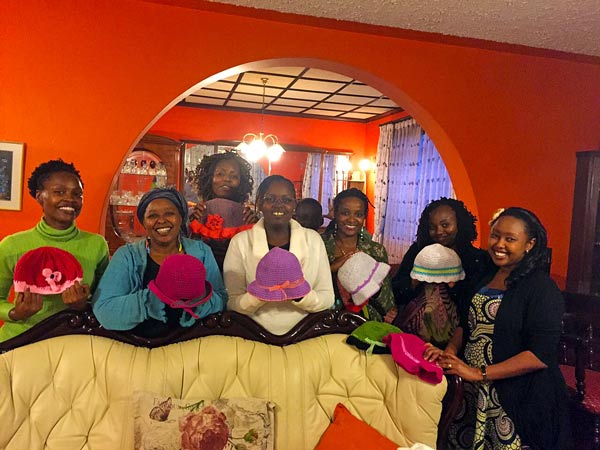
Liz: Crochet Kenya is a community-based organization. It was founded on the basis of donating chemo caps to cancer patients in hospital –both adults and children. The caps are intended to make patients feel warm and loved as they go through chemotherapy. The hats also act as accessories to female patients whose hair is falling or has already fallen off, and who feel that they need some cover up.
Maryanne: Who Makes up Crotchet Kenya?
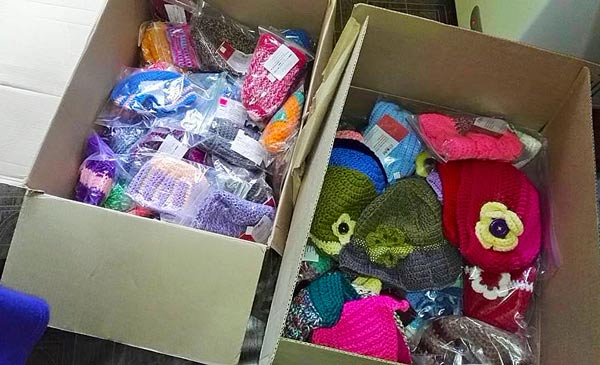
Liz: Crochet Kenya has membership of 38 people; 35 women and 3 men. 25 of these women have skills in crotcheting and they volunteer to crochet for our donations cause. Since starting our operations a year ago -in September 2014, we have so far crocheted and donated over 500 chemo hats. We have donated twice to Kenyatta National Hospital’s children’s ward, and twice –in partnership with the Faraja Cancer support center. We donate based on how fast we make items for donation.
Maryanne: How and Where did it all Start?
Liz: The idea started off when I was pregnant with my second born. I was soul searching and asking God what it was that I could do to give Him glory that is in line with my talents. While doing so, I started buying yarn in local shops, knitting needles and hooks, with the intention of making baby items for my coming baby.
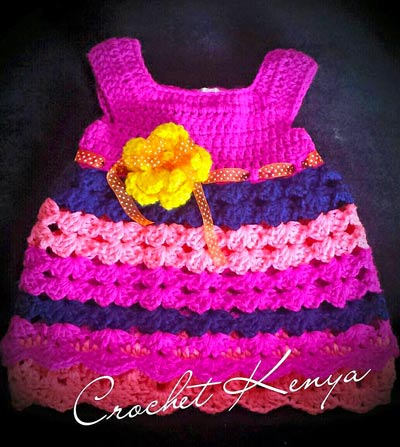
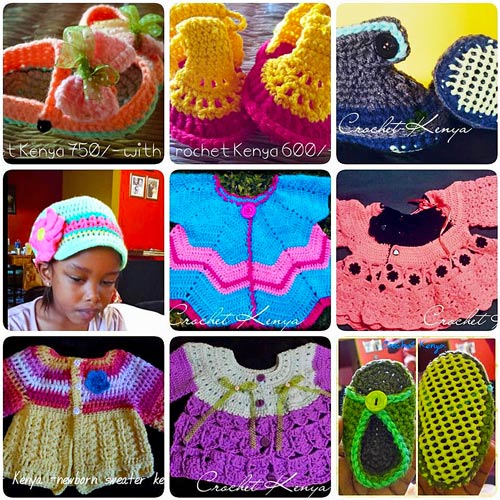
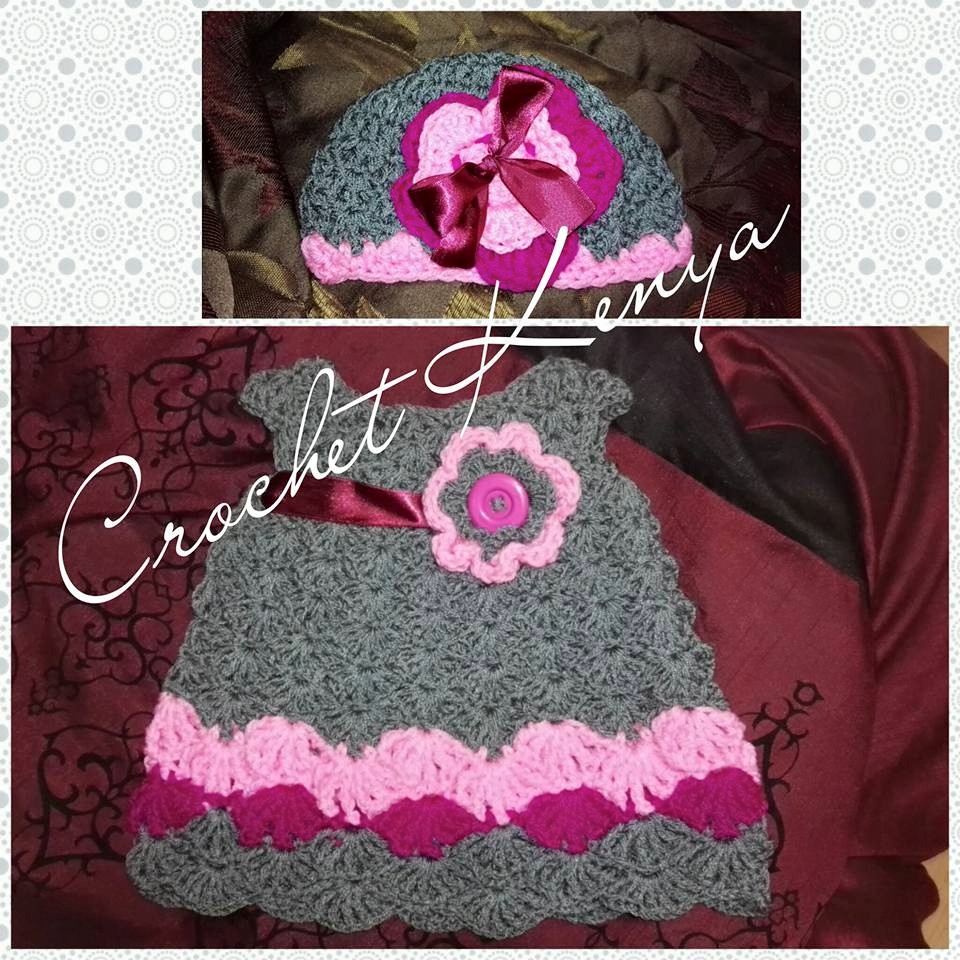
During the pregnancy, I was put on total bed rest for three weeks and during that time, I had all time to knit. However, I soon abandoned after I realized it was too slow and I just couldn’t read patterns anyway. So I tried to crochet and surprised myself when I found it to be super-fast and plus I was also able to easily read patterns! I researched and read free pattern designs via YouTube and I found out that I could make a dress, booties and hairbands.
When my baby was born in March 2014, she would wear the items I had made for her, which I would also share with my friends on Facebook. Somewhere along the way, I saw online groups and crochet clubs that were giving back to community. They were crocheting and raising funds for HIV, for heart disease, for premature babies, for cancer patients and other such ventures.
So I shared the idea with my husband David Muema who suggested I register it as a community-based organization, then share the concept with my family and friends and hopefully build membership from there. Registration was also important because we wanted to ensure we were legitimate in our cause. My husband helped me understand the value of keeping a project sustainable and not always going deep into our pocket or joint account to fund the program because it is expensive.
I prayed about it and my heart settled at crocheting to donate to cancer patients, especially children in hospitals. I then registered the community-based organization at the DC’s office in Ngong. Then I started crocheting. My sister and friend soon joined me.
In September 2014, we gave our first donation -45 hats. By October, we realized we needed more help to ensure we had more hats to donate. Then more and more ladies started calling to donate yarn and others to volunteer in crocheting the hats. Today, we have over 30 volunteers. Some are donors of yarn, packaging material, and marketers of group. But majority just crochet for donation.
Most of these volunteers are working mothers with very busy schedules but hooked to crocheting as their way of unwinding and relaxing (crocheting helps relieve stress). So they just sacrifice and create time for the group. Crochet Kenya would not be where we are without these ladies. God put this idea together and brought the right people to support me. We need to remember the sick in hospitals, widowed and helpless.
Maryanne: How do you Fund your Activities?
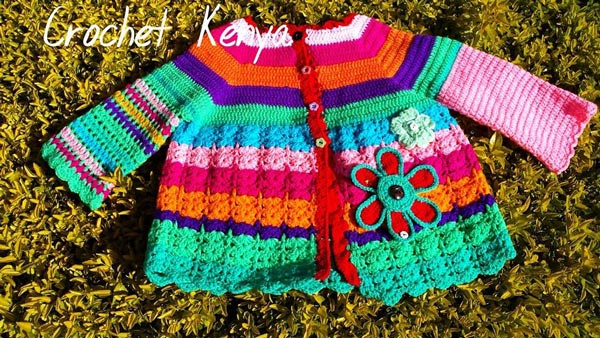
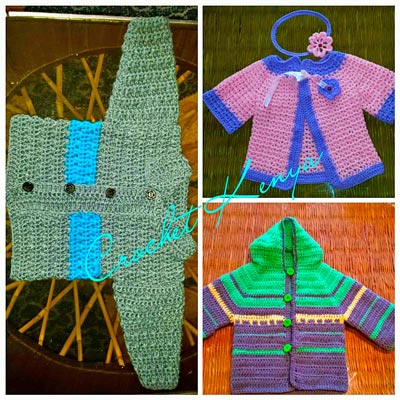
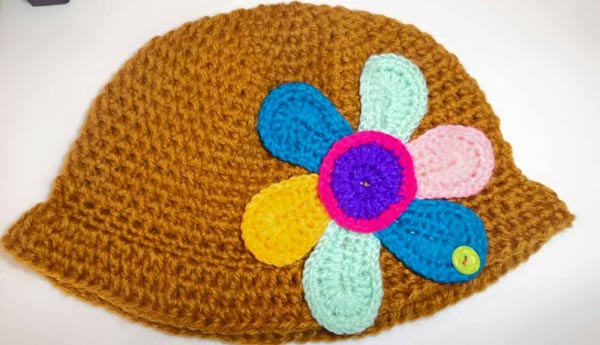
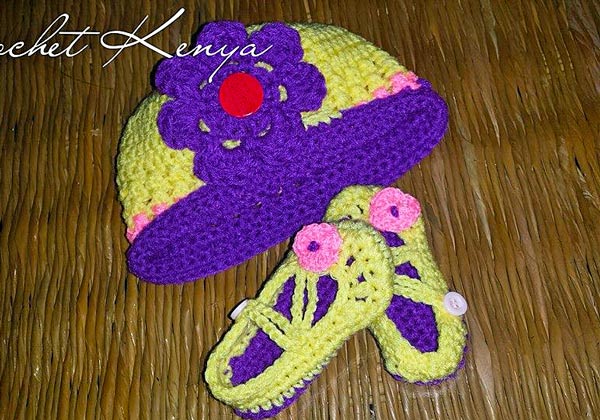
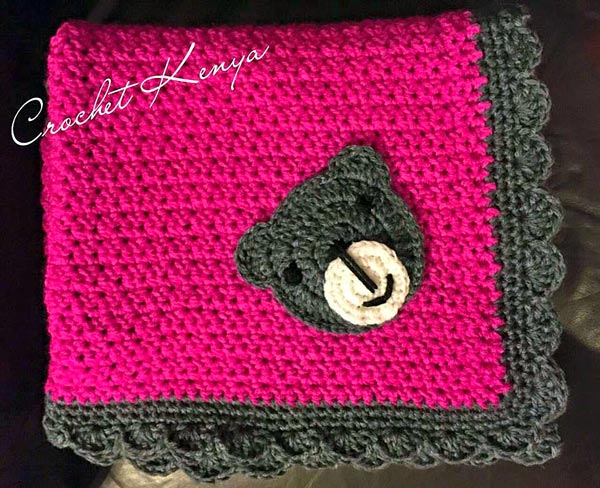
Liz: Within our group we have sponsors. They sponsor yarn, packaging material, printed cards, cloth logo labels etc. However, our main funding initiative is the crochet items we sell, which include; baby sweaters, blankets, dresses, booties, shawls, ponchos, adult scarves, hats, toilet/bathroom sets, afghans, house slippers, blouses and many more. 70 percent of the sales go to Crochet Kenya while the volunteer keeps 30 percent.
Maryanne: Where does Crotchet Kenya Operate From?
Liz: We all work from our homes. Crochet Kenya has no employee as we’re all volunteers. What we do is set targets. For example, 10 days ago we started the 40 hats and 40 verses in 40 days challenge. As Christians, this is meant to help us remember what our cause is and pray for strength for ourselves and for those to whom we are donating the chemo hats to, that they may receive God’s healing.
We meet every two months to package the hats and teach each other new stitches and designs. Most of us are Christians and prayerful women. For many of us, and especially me, this is a Ministry.
Museo and her two daughters.Museo with her husband.
Maryanne: You’re a Mum of Two Beautiful Girls. Tell us a Little about Your Motherhood Experience.
Liz: Motherhood has taught me to be careful of children’s feelings, to be patient, to forgive and the ability to have so much love. I can say that from the moment you give birth, it’s like there is something that is birthed in you to grow up and be responsible for little hearts.
Sometimes though motherhood is not easy and if not careful, it can break you, especially the pressures of being ‘perfect mum’. However, I have discovered that there is the reassurance that nothing is new under the sun and that God is there to help you be a good mum.
Above all, I have chosen to have fun with my girls no matter what. So, we play together, we dance all the time to kid’s songs and hold campfires. Oh, and we also draw all the time. As a parent, I can tell my fellow parents that what you do with your children makes all the difference for you and them.
Maryanne: Thank you Museo for your time and kudos for the good work you are doing.
Are you a woman who is giving back to society, or do you know of one who is? We would like to feature you or her, as the story might inspire someone else to do the same. Email me on maryanne@mummytales.com and I’ll get back to you.