















Home Blog Page 31

Waturi Wamboye: “As a New Wife, a Helping Hand from My Husband Went a Long Way”

1
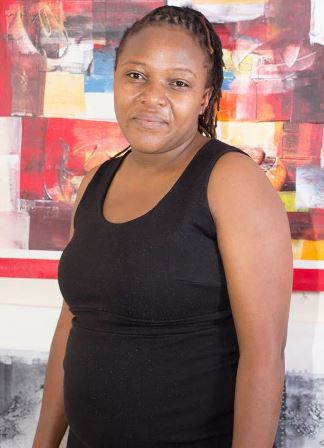
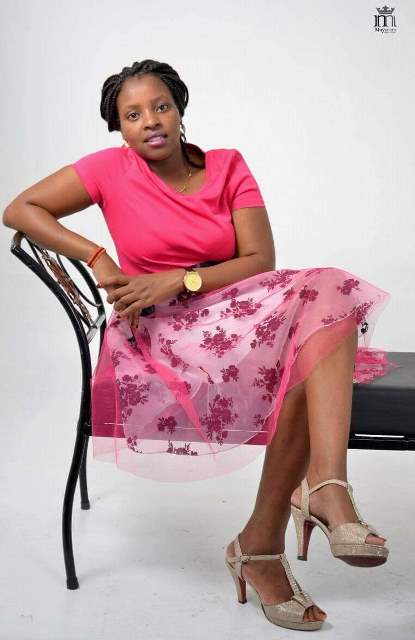
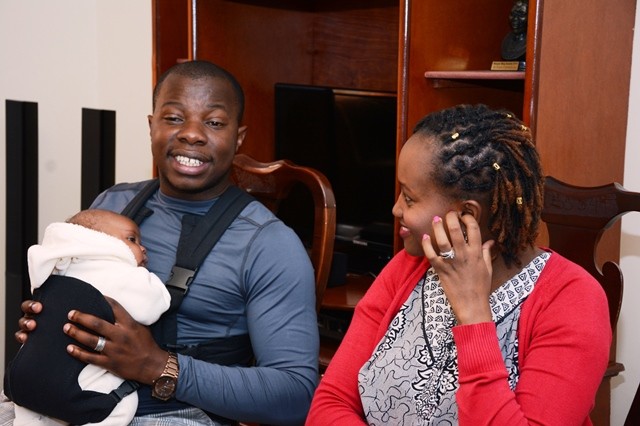
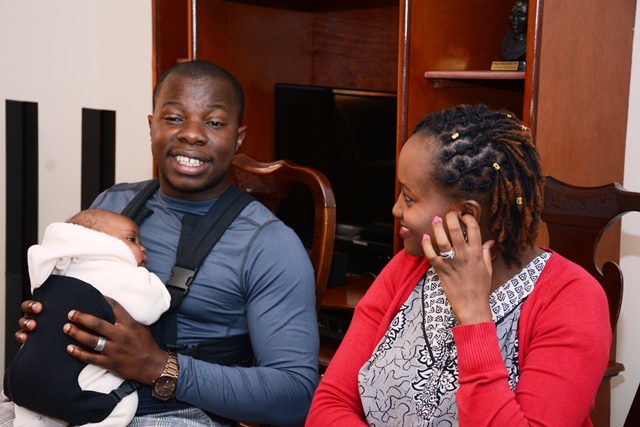
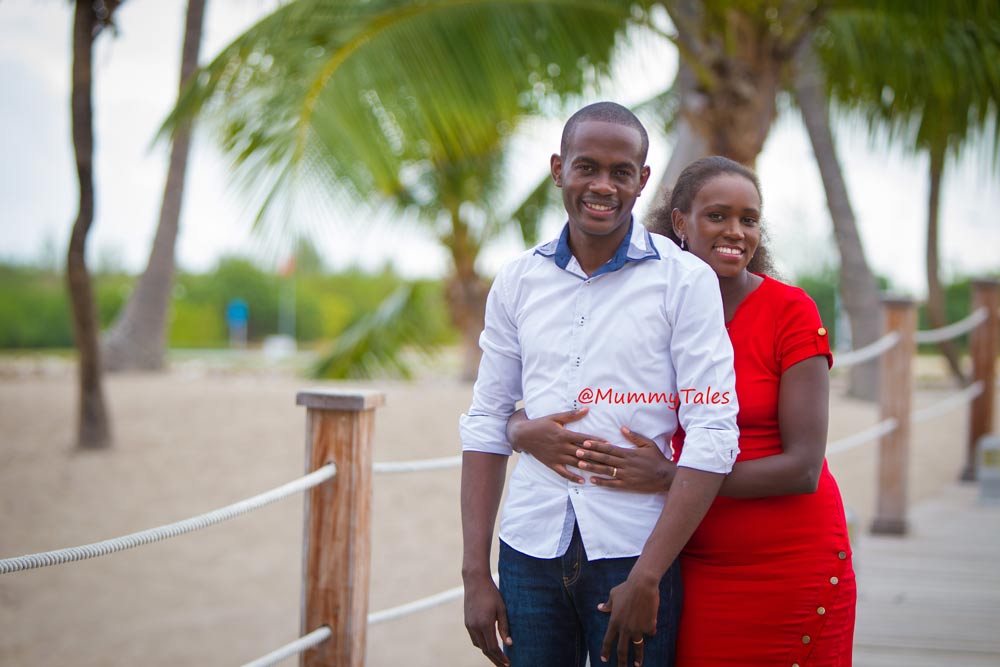
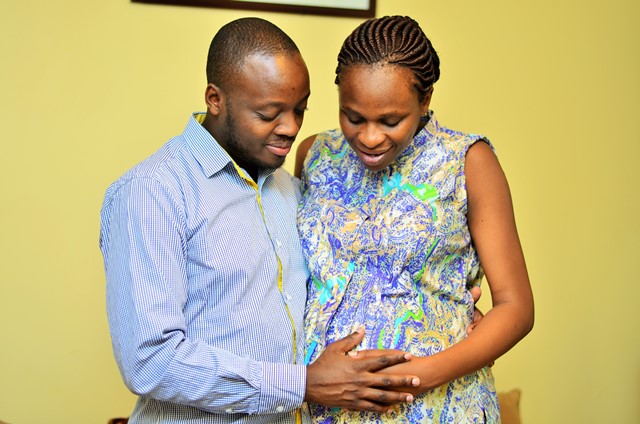
The Wamboye's -Ernest and Waturi.

Let me start off by saying that in this motherhood journey, there are a multiplicity of factors that define what kind of moms/women we are.

Being a wife, a single mom, a widow, experiencing gender-based-violence, being jobless, having a chronic illness, fertility struggles, raising a special needs child, being a teen mom, being a mom with disability… these are all part of what makes up our motherhood experiences and whether we like it or not, they have a significant influence on how we raise our children and how they will turn out.

Because this is all part of the motherhood journey –or part of the journey to motherhood, you’ll notice that moving forward, I’ll be sharing more of these experiences on the blog. Starting off with that of Waturi Wamboye, a wife and a mom.

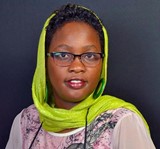
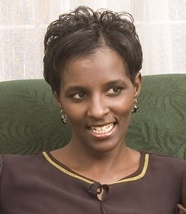
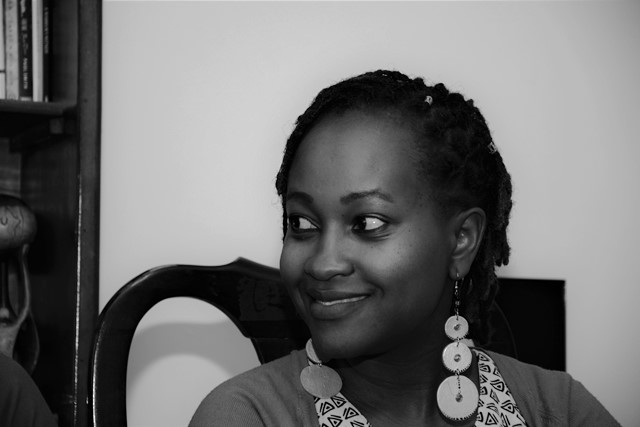
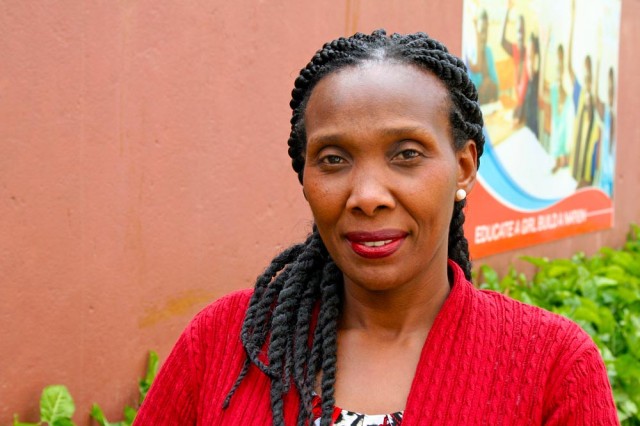
Waturi Wamboye
Waturi Wamboye

When she was a new wife, Waturi knew that one of her responsibilities was to ensure that the house was well kept, that she prepared meals, and that she generally performed all the duties that were expected of her as a wife. However, there soon arose a challenge.

“At some point I couldn’t do it and felt like I had failed in my duties as a wife.”

Thankfully, her husband –Ernest, would step in and help out.

“Sometimes I would get home from a long day at work, then find Ernest cooking. Admittedly, holding strongly onto your roles (as a new spouse) can be tricky, but you realize it’s necessary for either party to step in so that the tasks in need of attention are not neglected. It helped me to relax and also learn how to accept help when needed,” she says, in the book ‘Coffee and Love Chats’ by author Lorraine Onyango.

The Wamboye's -Ernest and Waturi.
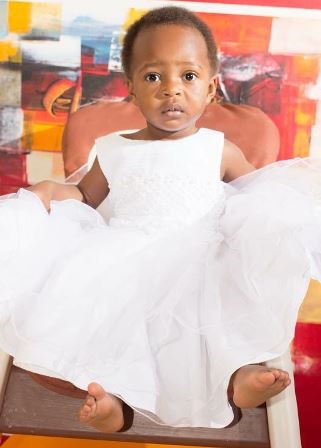
The Wamboye’s -Ernest and Waturi, with their child.

 This happens to be a situation similar to that of many women. The period when it’s just the new husband and wife in the house, when there are no children –yet– and there is no house girl either. The times when the new wife gets home in the evening –tired from work, and immediately gets down to performing house chores; cooking, cleaning the dishes, mopping the floor, doing some laundry or even ironing their clothes…among other duties.

Meanwhile, the husband lounges on the couch scrolling through his phone playing games, WhatsApping, Facebooking, maybe napping, watching TV or simply just hanging around waiting to be served and waited upon by his lovely new wife.

http://www.dreamstime.com/royalty-free-stock-photo-man-relaxing-to-music-image4489305

At the crack of dawn, she’s at it again –preparing their baths, making breakfast, maybe packing his lunch….and also getting herself ready for work.

And getting tired of it all.

But it’s not only new wives who go through this as sometimes, moms too experience this challenge –mostly on the days when the house girl is on her day off and there’s chores to be done around the house, and the man doesn’t seem to care much about pulling his weight around and offering any assistance.

http://www.dreamstime.com/royalty-free-stock-photo-funny-tired-house-cleaning-woman-image12441645

I have heard several tales of women in such situations, and even read their rants on Facebook.

“Hubby just sits there as I do all the work. I mean, I know that I’m the woman and it’s expected of me to undertake the household chores, but why can’t he just offer to help? Even just once? House chores can be very exhausting, and I think it’s quite insensitive of him, especially in this day and age. Is it so difficult to just want to help me out?” they ask, resentment and bitterness in their voice. And that’s not good for any relationship.

Well, in Waturi’s situation, at least her husband would help out. And she also has some advice for us all.

“Many mothers and women overwork without looking after themselves since they have so much to do. In order for them to take care of the family properly, they need to look after themselves first.”

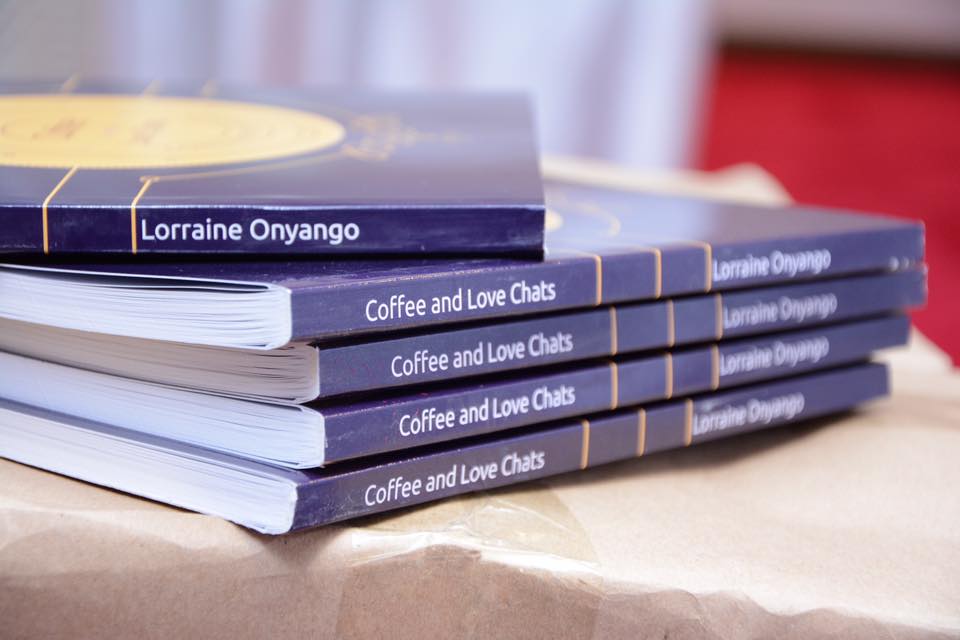
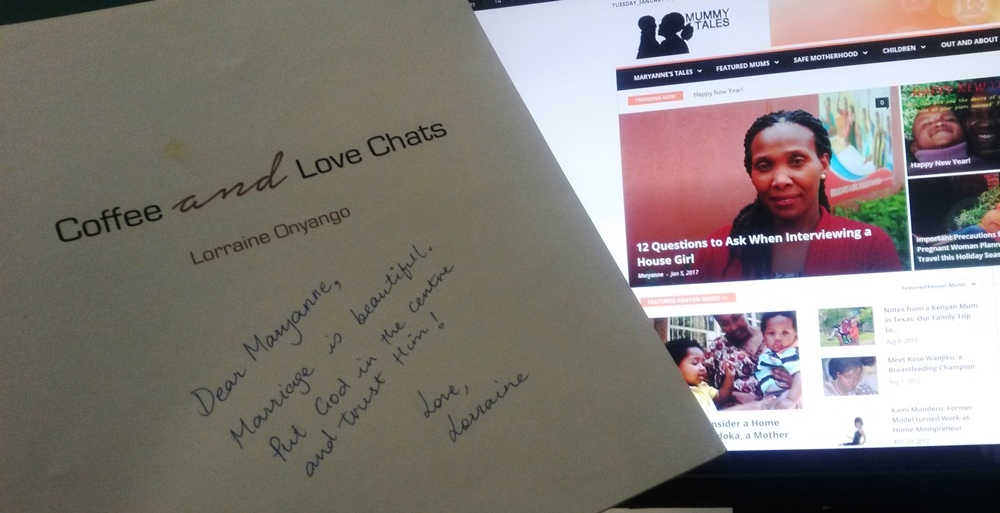
The 'Coffee and Love Chats' book, which contains Waturi and Ernest's marriage experiences.
The ‘Coffee and Love Chats’ book, which contains the inspiring experiences of nine married couples, including those of Waturi and Ernest.

Hmm…this one is hard small. How do you get your partner to help out? Have you ever found yourself in such a situation? How did you deal with it? What advice would you give? Or does it all boil down to one’s expectations of their spouse, and if there is effective communication in that relationship? Because for sure, being in a relationship where there’s lots of anger and bitterness and resentment is not healthy at all.

This situation reminds me of a quote I once heard: ‘A Happy Mom is a Happy Home.’ So what happens when she’s not happy?

Related Article: 

Lorraine Onyango has Been Married for Just over a Year. So What Does she Know about Marriage, enough to Author a Book about it?

Mummy Tales is a blog dedicated to empowering its readers on different aspects of maternal and newborn health, as well as various issues surrounding motherhood and women. Read more motherhood experiences of Kenyan moms here. Follow Mummy Tales on: FACEBOOK INSTAGRAM TWITTER 

Kenya’s First Lady Margaret Kenyatta Cancels this Year’s Beyond Zero Half Marathon

0

First Lady Margaret Kenyatta has cancelled this year’s Beyond Zero Half Marathon that was slated for Sunday 12 March, saying she didn’t want to ‘politicize’ the noble Beyond Zero agenda. This is her statement:

“Four years I ago, I asked Kenyans to join me on a journey: a marathon to end maternal and child mortality across the country. Over the last four years, we have worked together—we have run together bonded by our shared conviction that no mother should die while giving life and that every child should live to see their 5th birthday.

We have done more together than I imagined possible. We have run marathons and raised enough money to purchase 47 fully equipped mobile clinics delivered to every single County in Kenya. Throughout the last four years, our partners—from ordinary Kenyans, to workers in the health sector, to civil society, to policy makers, to the business community and international donors—have given Beyond Zero the inspiration and impetus it has needed to keep going.

This year, I was looking forward to running yet another marathon – a Gratitude Marathon. I was preparing to celebrate with Kenyans to say thank you for running with me and for supporting Beyond Zero. You have all made a huge difference to the lives of thousands of women, men and children, in our great nation. My ultimate purpose was to ensure that no mother or child lost their lives unnecessarily and I believe that this is something which should be owned by all of us.

However, I have never been willing to politicize this agenda. As a consequence I feel it necessary to cancel the First Lady’s Half Marathon this year. I remain committed to and will not deviate from my ultimate goal, which is the betterment of maternal healthcare in this country, and, to build the Beyond Zero Referral Hospital.

I want to reassure all Kenyans that this is a commitment that will remain with me throughout my life.” END.

Hmmm….what are your thoughts on this? Let me just be honest. Kenyans were not feeling this marathon this year. Like at all. How about you?

Photo: Office of the First Lady of Kenya

Crochet Kenya Opens New Shop

0

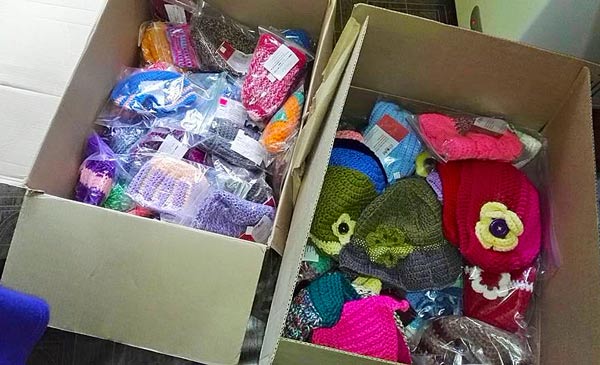
Remember the mom I interviewed a while back – Elizabeth Muema, who said that “Crocheting for Cancer is her Ministry”? In the interview, Elizabeth, the founder of Crochet Kenya (a community-based organization) said she was inspired to donate crocheted chemo caps to cancer patients in hospital –both adults and children.

The caps, she said, makes patients feel warm and loved as they go through chemotherapy.

Elizabeth with her daughters.

In addition, Elizabeth said that the hats also act as accessories to female patients whose hair is falling or has already fallen off, and who feel that they need some cover up. Crochet Kenya also sells some of their products, which helps them get funds to continue positively impacting the lives of cancer patients, who need all the love and care they can get. You can read the full story here.

Crochet_Kenya_5Well, it’s good to learn that Crotchet Kenya continues to grow. After being an online store since its inception, it has recently opened a physical shop in Juanco, Ngong town. The shop is at Lube Sill Centre, shop B4. You can contact Ressie Restiuta on 0725 742 666 for more information.

Also Read: “Don’t Touch Soya!” My Doctor said. Looking Back, Soya could have been the Source of my Breast Cancer” –Senator Beth Mugo

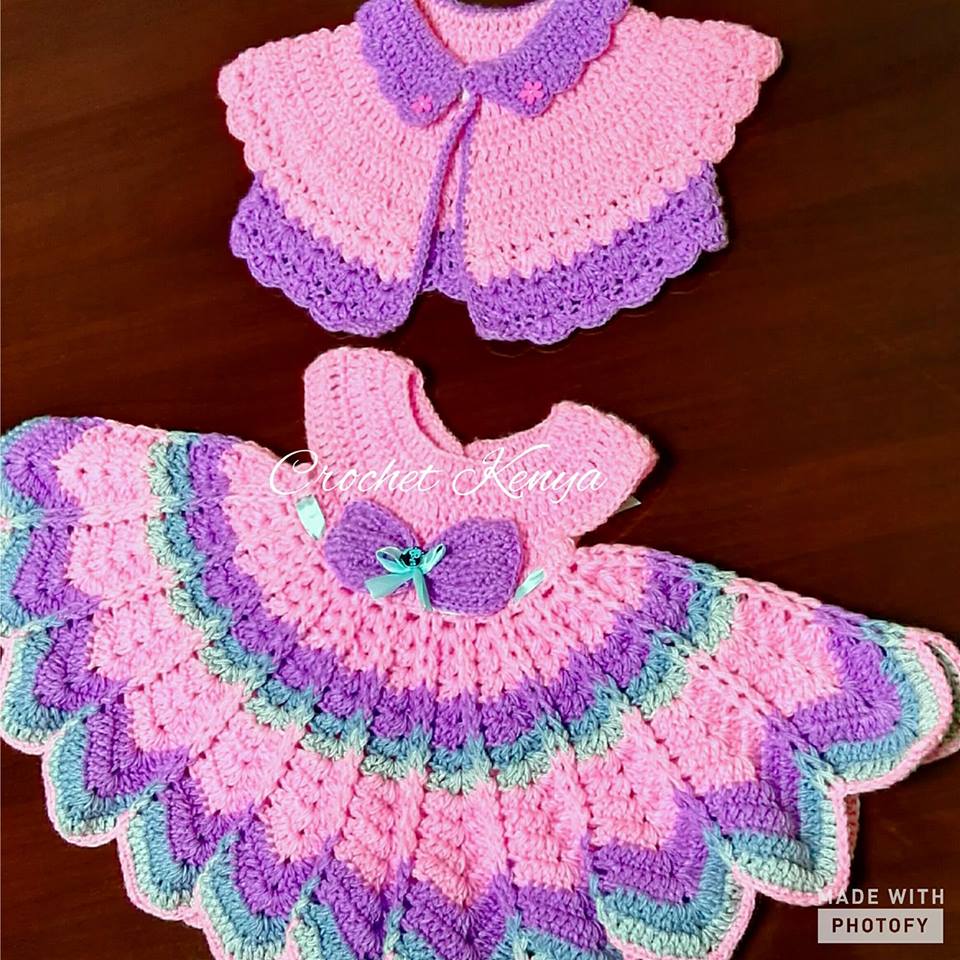
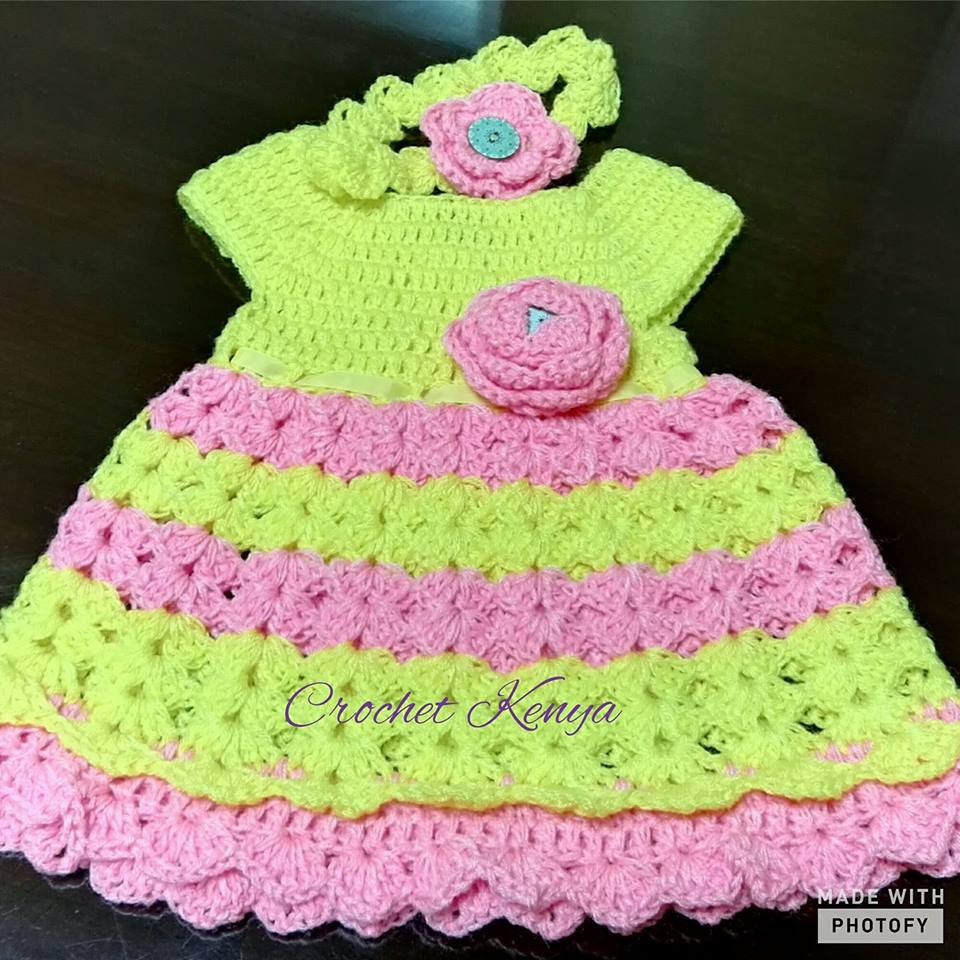
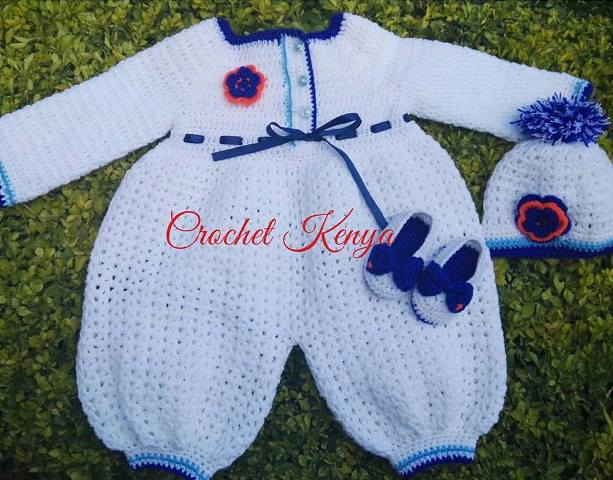
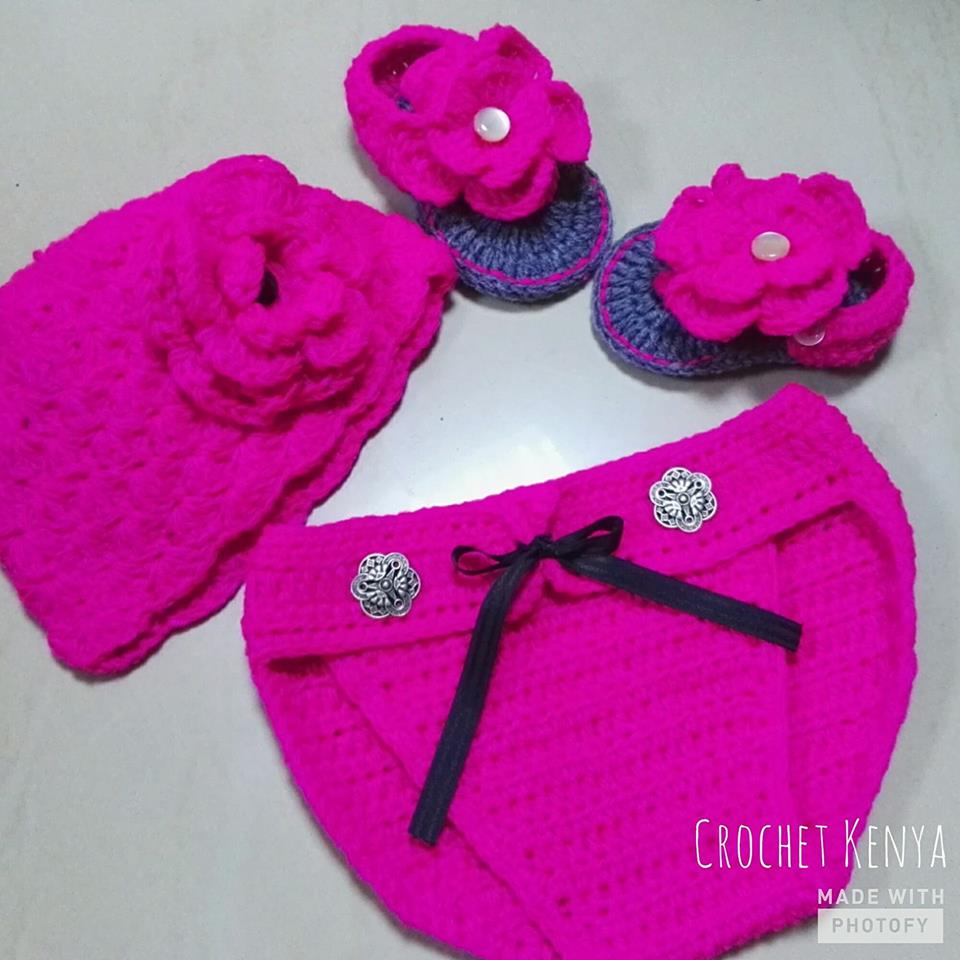
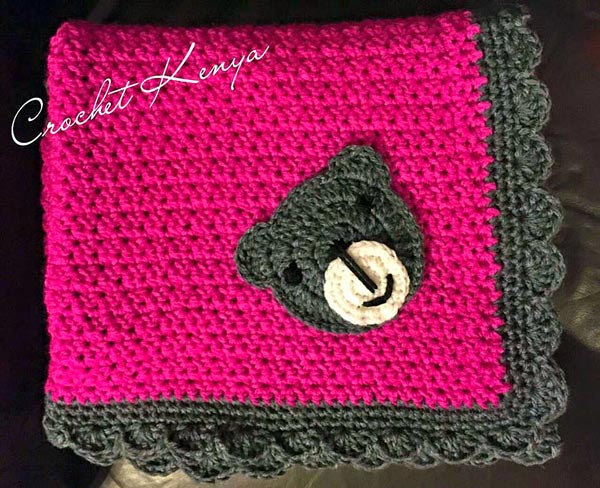
If you are looking for a baby shower gift, or if you’re planning on going to see a new mom, you can place an order from Crochet Kenya for their lovely items such as booties, sweaters, scarfs, blankies and even boshori :-).

Crochet_Kenya_2

Crochet_Kenya_4

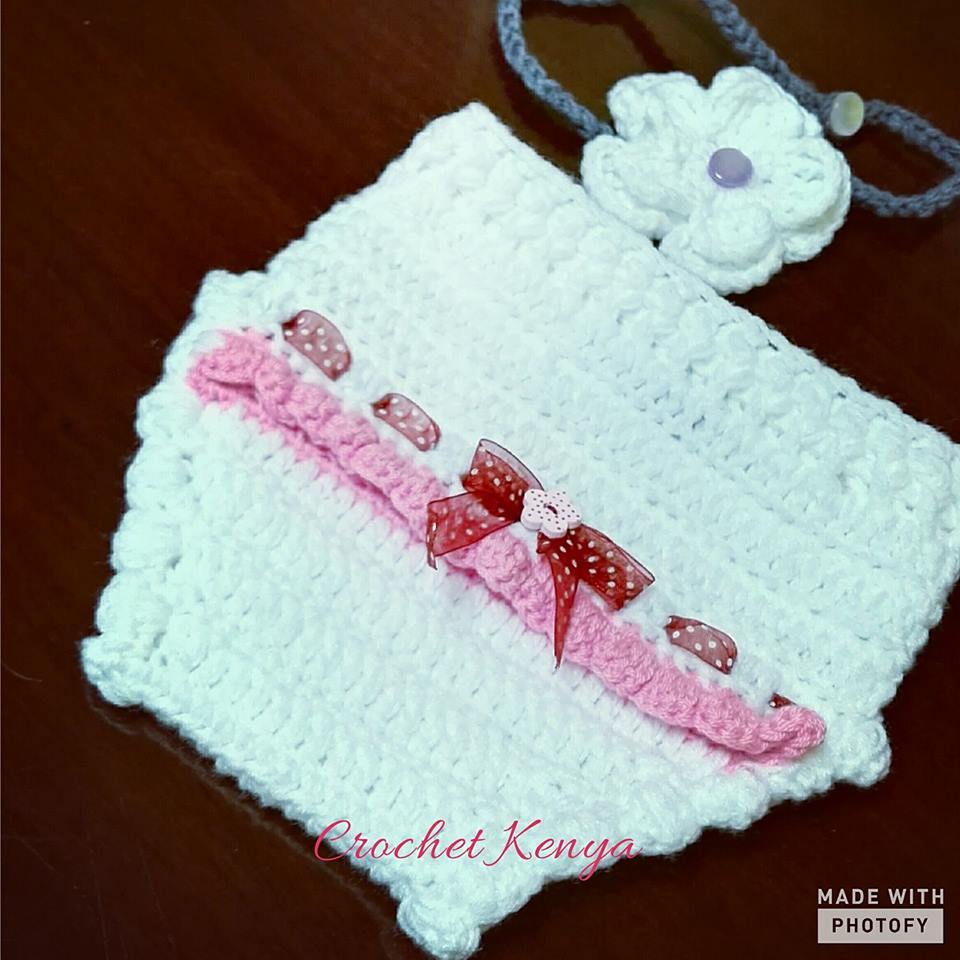
crotchet_Kenya_4I salute Elizabeth for her work and to all the other women and men who give of themselves to noble causes. May God continue to bless their work. By the way did you know there is a crochet diaper? Neither did I.

Also Read: A Walk through my Cancer Journey: Wanjiru Githuka

Crochet_Kenya_diaper

Crochet_Kenya_3crotchet_Kenya_5bIn case you wish to contact Elizabeth, you can do so through the addresses below: Email: crochetkenyacbo@gmail.com Facebook: Crotchet Kenya 

Also Read: “I Lost my Uterus to a Rare Form of Cancer”-Jacklyne Nekesa Nyongesa

Follow Mummy Tales: FACEBOOK INSTAGRAM TWITTER 

*All photos: Crochet Kenya

The Ballerinas of Kibera

0

Mercyline Chemutai: My Experiences with Preeclampsia, a Blighted Ovum, Pregnancy Losses and Faith in God

4

Mercyline Chemutai and her husband are both accountants, currently working and residing in the Cayman Islands. Mercyline has had the ‘hell and back’ experiences associated with negative pregnancies and today, she and her husband open up about these experiences. This is Mercyline’s narration of this experience.

 My second pregnancy was a tough one. The symptoms ranged from intense vomiting to constant sickness. Interestingly, the tougher it became, the more I valued my unborn baby. Meanwhile, I continued to religiously attend all antenatal visits. One night, at about 28 weeks, I started struggling to sleep and feeling out of breath. My husband was on an out of town work assignment. I called him and explained how I felt. He mentioned that his sister had experienced high blood pressure in pregnancy and the symptoms were more like I had described and that I shouldn’t take it lightly. At that point in my life, I had never encountered anyone with blood pressure in pregnancy and I had never taken any interest in the topic.

Related Article: Preeclampsia: All you Need to Know

After a difficult night, I woke up early and passed by a clinic to have my pressure checked. The outcome was astounding. My pressure reading was 163/118 against an expected normal reading of around 120/80. The clinician was openly alarmed. She told me to sit for few minutes then have the reading taken a second time. The repeat test was higher than the first. She instructed me to not to move, and asked me to call my family to organize for transport to pick me from the clinic to a hospital.

Since my husband was out of town, I took a taxi and headed to my gynecologist. I ended up being admitted following a diagnosis of severe preeclampsia. I had never heard of the condition before and I couldn’t fully fathom its implication. This, as the medics worked diligently at managing my pressure.

The beautiful couple.

I was in hospital for three tough weeks; swollen beyond recognition, constant epigastric pain, frequent blurry vision among other complications. The pressure was never arrested. One minute I would be laughing with my family, the next they were being thrown out of the room following an alarming pressure reading. Assuming that a hospital environment was depressing, I was discharged in the hope that a home environment would help.

But two days later, I was readmitted after my condition deteriorated. A scan showed that I had developed severe ascites (liver disease), with my internal organs at risk of damage. The solution was early delivery of my baby. However, due to a number of factors, i.e. my weak state, uncertain condition of the baby in terms of ability to withstand stress, and having delivered via cesarean for my firstborn, my gynecologist suggested an operation.

A blood count at the time showed that I only had 36,000 platelets per microliter of blood against the minimum required of 150,000. In brief, if I were to be operated on, which I desperately needed to, I would literally bleed to death. To make matters worse, my blood group is O negative (O-ve), a very rare type. The doctors also mentioned that in addition to this blood being rare in the blood banks, for my purpose, they needed freshly donated blood because stored blood does not contain platelets. Frantic calls and appeals for eligible donors were made literally to all the corners of the country where we had a known contact. We were unsuccessful.

Related Article: Helen Njoroge: My Story of How I Survived Preeclampsia but Lost my Baby

In what appeared to be an act of last resort, potentially at the expense of the baby and to save my life (this was my own analysis), the doctor gave me an assortment of tablets and through God’s grace, that night my platelet count returned to normal. I was operated on the following morning and delivered a baby boy. Later that night, I remember asking the nurses to assist me to the nursery to see my son. He was so tiny, breathing fast and fighting for his life. I asked God to heal me quickly so that I could attend to him.

Unfortunately, his lungs were underdeveloped and the hospital had no properly equipped Newborn ICU (NICU). Sadly, our dear son Brian succumbed after being alive for just 24 hours as my husband watched.

Continue Reading Page 2

Lorraine Onyango has Been Married for Just over a Year. So What Does she Know about Marriage, enough to Author a Book about it?

2
Author Lorraine Onyango with her husband David.

Last December, I attended the launch of an interesting book. First, let me say why my interest in the book was piqued. Titled: ‘Coffee and Love Chats’, it was being promoted as a book that ‘shares the marriage journeys of nine couples that have been married for different lengths of time (2 years, 5 years, one couple 16 years, another 20 years…), the experiences of couples telling their stories together’.

And me, I love stories. I love tales. I love learning from the experiences of other people. I absolutely indulge in real-life experiences. I yearn for the insights that people share, because I find them practical and enriching. So I was more than delighted to attend the ‘Coffee and Love Chats’ book launch and get myself a copy.

L2

The book is authored by Lorraine Onyango, who, curiously, has been married for ‘just a year’. In fact, she began writing it when she was only a few months into marriage. So what does Lorraine really know about marriage, enough for her to write a book about marriage? Well, this is her response to that question:

“In today’s world, there are so many stories about marriage that we come across and unfortunately, a significant number of them are all negative. The stories that are widely shared and discussed in online groups are horrid tales of couples that are often embroiled in bitter misunderstandings. Relationship discussions on radio shows are inundated with stories of aggrieved spouses –emotional wives and husbands –hurting from betrayal, with the raw pain in their voices making the listeners just as emotional. Many of the marriage stories that we read, hear about in our social circles and even participate in, are about unions that are breaking apart, those that are not working, and how the marriage institution is falling apart. Almost as though marriage is just a sham.

Ernest and Waturi Wamboye, whose marriage story is captured in Lorraine's book.
Ernest and Waturi Wamboye, whose inspiring marriage story is captured in Lorraine’s book.

The idea for the book came about as a result of me wanting to change these dialogues. My desire was to have a reference point for marriages that are working –as told by couples themselves. I wanted to document the real-life experiences of couples sharing their marital journey –including the ups and downs that they have faced. I wanted a space where we can indulge in discussions about married couples who are committed to their marriage and are working through whatever challenges that come their way, of couples that aspire to be better spouses to each other. Amidst all the marriage negativity, I wanted to talk to individuals who believe in the institution of marriage, are actually making their marriage work, and are inspiring others through their journey. Basically, I was looking for refreshing tales about marriage.

Admittedly, I am new in marriage and I know there is lots to learn about the institution. That’s why I decided to interview couples with the hope of them sharing experiences that I and many other people learn from.”

Coffee_and_love_chats_Lorraine_Onyango

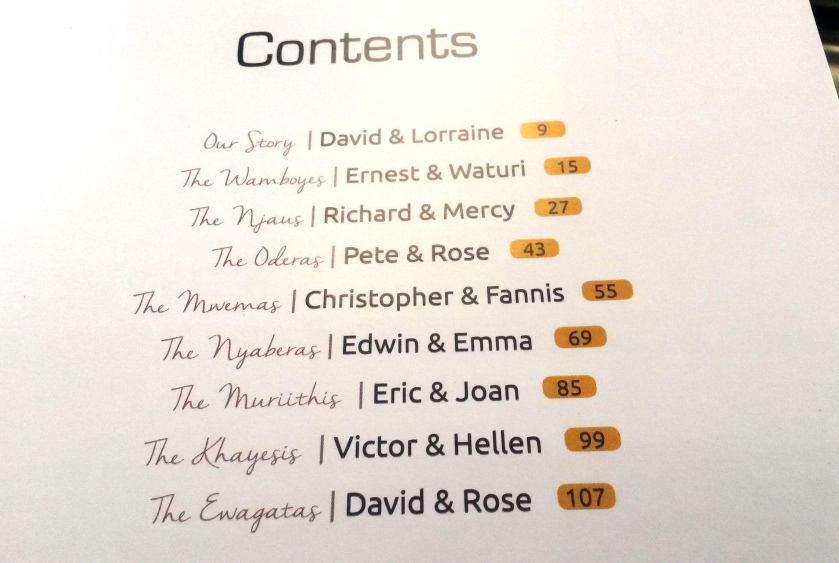
Contents

Thus Lorraine’s journey to authoring ‘Coffee and Love Chats’ began. She reached out to several couples and shared her vision with them. Lorraine sat down with each of the couples and listened to them open up about various aspects of their marriage –dating, finances, sex, fertility, miscarriage, parenting, conflict, death of loved ones, in-laws, ethnic differences, careers etc. I have read the book, and it was indeed a refreshing read. An oasis in the desert.

The simplicity with which Lorraine has shared the couples’ stories is the best part about the book –at least for me. Even more importantly, the book is not about prescribed step-by-step formulas about “How to Make your Marriage Work”, but is simply a documentation of stories shared by couples regarding their own experiences.

Victor and Hellen Khayesi, also featured in the book.

I without any reservations recommend you to read ‘Coffee and Love Chats’ too. By the way the book is not just for married people, but anyone who believes in the marriage institution, and desires to share positivity about it. I will be sharing bits of helpful information from the book right here on this blog in subsequent articles, so look out for those.

The book retails at Sh1,800 and you can find it at Book Stop, Yaya Center. You can also purchase it through MPESA ‘Buy Goods’ Number 850004. Delivery can be organized. You may also send a message to 0734 961 330 or email: majestypublishing@gmail.com to get your copy. You can also contact Lorraine on Facebook or Twitter.

You may also like to read:

They Urged me to Leave my Wife because of our Special Needs Child -Patrick Karubiu

Follow Mummy Tales on: FACEBOOK INSTAGRAM TWITTER 

43f7400f9c7b2679886eb7cab52dbfd6

12 Questions to Ask When Interviewing a House Girl

5
Edith Murogo of the Centre for Domestic Training and Development.

If there is an issue that really troubles many moms with young children, it is that of finding a suitable house girl. It certainly is not easy, and can actually be frustrating. Today, I share some few helpful tips that can help you when interviewing a prospective house girl. I had a chat with Ms. Edith Murogo Kanyingi, who heads Centre for Domestic Training and Development in Nairobi, and she offers insights on the essentials when interviewing for a house girl. She says that you should:

1.   Ask for her age. This will  help in ensuring that you do not employ an underage girl which would otherwise land you in trouble with the law.

2.  Confirm her identity during the job interview. Ask for her identification documents such as a national Identity Card, Passport, Driving License etc. Ensure that the document she produces has her photo, and is a valid original copy (since photocopies tend to disguise alterations).

3.  Ask about about her family. What kind of home did she grow up in? Does she have any living parent? Does she have siblings? Is she married? Does she have children? Which next of kin can you contact in case of an emergency?

4.  Ask about her work experience, about her last job and why she left it. Observe her keenly as she offers her responses. Find out if she has ever handled children before, and what ages they were. It would be good if she has handled children that are around your child’s age.

5.  Ask her for references, and take time to personally contact them. Their reviews of her and her work will guide you into making a decision.

6.  Ask about her level of education. When hiring someone who will watch over children, it is good to settle for one who has some level of literacy. This is because she may be required to perform tasks that require reading or writing, such as when she needs to record baby’s fever, or when she needs to dispense medication.

Also Read: The Day I Found out my House Girl was HIV Positive

7.  Ask her about any health problems or diagnosed medical conditions that you should know about such as epilepsy, asthma, diabetes, HIV or any allergies. Doing so will help you know if having her taking care of your child will endanger her life and/or that of your baby. It will also help you know how you can assist her accordingly.

Go to Page 2

Happy New Year!

0

Happy New Year!

I hope that your year has started off on a positive note. My wish to you as we start the year is that God will give you the desires of your heart, and make your plans succeed.

I’d also like to sincerely thank you for your audience, for your love and for your support through the months, through the years.

So what do I have planned for the year? Lots of inspirational, educative and informative motherhood and parenting stories; told by me, and told by you. Let us all learn together.

Thank you for your company, and keep reading. Have a blessed year, from me and my boys.

 Follow Mummy Tales on: FACEBOOK INSTAGRAM TWITTER 

House Helps in Kenya: 10 Gift Ideas on How you can Reward your House Girl this Christmas Holiday

3

It’s time for the annual Christmas holiday break, and for many Kenyan mothers who have employed house girls, many consider giving them ‘something small’ as they travel home as a gesture of appreciation for their work.

Related: The Day I Found out my House Girl was HIV Positive 

In this article, I spoke to a number of Kenyan mothers who will be appreciating their house girls, and how they will be doing so. From this, you can get an idea or two or three about how you can reward yours too.

1. Do some shopping for her mum

2. Buy her mum a modern energy-saving jiko

3. Buy outfits and shoes for each of her children

4. Pay for her transport (fare) to and from home

5. Buy her a significant amount of mobile phone airtime

6. Give her a bonus (you can double her salary or an amount you can genuinely afford)

A Kitenge fabric or tailored outfit for her and/or her mom will be a good idea.

7. Take her shopping for a dress of her choice, or tailor a lovely Kitenge outfit for her

8. Pay for her salon expenses just before she leaves. Many girls like going home in well-done braids or freshly retouched hair

9. Buy one or two good quality solar lanterns for use back at home

10. Gift her with a supermarket voucher. Because nowadays there are major supermarket chains in most towns, so she can stop by one on her way home and shop for her family there.

Bonus tip: Ask her what she wants and consider it (as long as it’s something reasonable within your means). 

Related: Caroline Kinyanjui: I Have been with My House Girl for 13 Years

And by the way, if you chose to reward your house girl, remember you aren’t doing so as a bribe for her to come back in January. No, you are just appreciating her.

Whether she comes back or not, at least you’ll have done what your heart told you to do. It also doesn’t matter if she’s been with you for just one month, 6 months, 4 years or 10 years. If your heart tells you to do good, then just do good. Then sit back and wait for God’s abundance in your life :).

Feel free to share any other reward idea that you have. Meanwhile, read more Kenyan mom’s experiences here.

Happy holidays!

Mummy Tales by Maryanne W. Waweru is a platform dedicated to empowering its readers on different aspects of womanhood and motherhood. Read more motherhood experiences of Kenyan moms here. Connect with Mummy Tales on: FACEBOOK l YOU TUBEINSTAGRAM l TWITTER
Important Precautions for a Pregnant Woman Planning to Travel this Holiday Season

0

The holiday season is one that many of us look forward to with such excitement and anticipation as it is the time we get to relax, meet up with relatives and friends we haven’t seen in a long time, as well as get to travel and explore different places. After a year of hard work, the December holidays are always a welcome relief to us.

However, for pregnant women who plan to travel, there are pieces of information that she should be knowledgeable about. Can she even travel in the first place? Are all means of transport safe for her or should she avoid some? What if she has experienced some complications in her pregnancy before –can she still travel? Well, I spoke to Dr. Stephen Mutiso, a gynaecologist at Kenyatta National Hospital (KNH) who offered more insights.

Maryanne: Can a Pegnant Woman Travel Long Distance by Road or Rail?

Dr. Mutiso.
Dr. Stephen Mutiso of KNH.

 Dr. Mutiso: Pregnant women travelling long distance should be wary about the risk of blood clot formation – a condition known as Deep Venous Thrombosis (DVT). DVT occurs due to stasis of blood in the lower limbs for a long time. Travelling long distances causes prolonged stasis of blood which can cause clot formation. Blood clots could be fatal.

Although long distance travel is not contraindicated for healthy pregnant women, it is important to take certain precautions to reduce the risk of DVT. Pregnant women traveling long distances by road or train are therefore advised to take 30 minutes breaks every two hours. During these breaks, they should walk around to improve blood flow from the legs.

Maryanne: How about Air Travel?

Dr. Mutiso: Just like road and rail travel, it is recommended that a pregnant woman traveling by air takes frequent breaks to stretch her legs and improve blood circulation in them for purposes of preventing the formation of blood clots. This is especially for flights that last many hours.

She should also know that air travel in pressurized airplanes for pregnant women is usually allowed up to 36 weeks. However, a doctor’s recommendation on a pregnant woman’s fitness to fly –even before 36 weeks is usually required by some airlines. So before you travel, check with the airline first.

Maryanne: Can She Travel if She’s Experienced Pregnancy Complications Before?

Dr. Mutiso: It’s not advisable for pregnant women who are already experiencing complications to travel. Some of these complications include; high blood pressure, rupture of membranes, premature labour and bleeding in pregnancy. It is not advisable for her to engage in unnecessary risk. But if at all she must travel, then she is advised to consult with her doctor before she does so.

Maryanne: How Far Can a Pregnant Woman Travel?

Dr. Mutiso: Pregnant women nearing their due date -usually from 36 weeks are not advised to travel far from the facility where they intend to deliver, because labour can begin earlier than expected.

It is also important to know that adequate hydration is crucial while travelling, and even more so for pregnant women. This is because lack of water in the body (dehydration) is a risk factor for clot formation. While travelling, it is advisable for every pregnant woman to take plenty of fluids –especially water to prevent dehydration.

Maryanne: Who Should be on her Speed Dial? 

It is very important for her to have the contacts (especially mobile phone number) of her gynaecologist or antenatal care provider close by during the festive season. This is crucial especially if she should unfortunately get a problem while away from her provider. In  such a case, her doctor would advise her accordingly, and if it is a problem that would require urgent attention, then the doctor would then be able to link her up with a colleague working in the area, or make contact with the closest health facility because most doctors have good networks across the country. The pregnant woman would get assistance at the hospital before he can get to her.

If she doesn’t have the contacts of her doctor, she should then take it upon herself to find out the nearest hospitals to her,  incase of an emergency. She should also not forget to carry along her NHIF card or other medical insurance card as these can come in very handy when needed.

Also Read: These are the Warning Signs in Pregnancy: When to Call Your Doctor

Dr. Stephen Mutiso is based at KNH Doctor’s Plaza, Suite 26/27

Tel: 0722 678 002 or 0788 306 674

Email: drmutisogyn@gmail.com  

Advertisement

POPULAR POSTS

error: Not Allowed