Lydia is a 26-year-old journalist and mother of a two-year boy. She recounts her experiences as a new mom -a period that made her realize that there was so much she didn’t know about new motherhood.
“It was at 4am when I was woken up by sharp pains in my belly. The moment was here; my baby was finally arriving. And sure enough, six hours later, my baby boy arrived -healthy, happy and bouncing!
Well, while I had thought that the labor and birthing process was the hardest part about being a mother, I hadn’t encountered the difficulties of the post-natal period.
The Lochia
For starters, let’s talk about the bleeding. The bleeding, accompanied by contractual pains in the uterus (especially as baby breastfed) lasted for weeks. Sometimes, it was messy and I experienced a few leakages. No one ever told me about this uncomfortable experience.
I also had to also sit on warm salty water for purposes of healing the stitches ‘down there’. And it hurt! I had to clean the area between my vagina and anus three times a day to avoid infection. But the pain involved was crazy.
Long Calls
Going for a long call was not a good experience either. I couldn’t squat because of the stitches and so I had to do this halfway-standing halfway-sitting kind of thing.
I was advised by the midwife to always go to the loo whenever I felt the need to poop in order to avoid constipation, otherwise it would lead to my stitches rupturing. If that happened, I would then need to return to hospital to be stitched up again. Imagine that!
Constant Fatigue
I remember there was this day I was hanging my newborn’s clothes outside when I felt myself starting to sway from side to side. I was staggering like a drunk person. That was when I realized how fatigued I was.
The exhaustion was because of the sleepless nights I had to endure as my newborn would wake up countless times at night. During the day, I would be hosting visitors who had come to see him. So I barely got enough sleep. Even though I had a house help (who handled all household chores), most of the responsibility of caring for baby lay with me, thus draining all my energy.
Baby’s Cries
When growing up, I used to see mothers breastfeed their babies whenever they cried. When I became one, I tried using this trick to calm my son but sometimes it didn’t work. I came to learn that babies cry for a multiple of reasons such as when they are feeling warm, cold, are wet or their stomach hurts. Sometimes, breastfeeding isn’t the solution –as my newborn son clearly taught me.
Burping Challenges
I didn’t know much about burping a baby after they had breastfeed. Not doing so led my son to suffer from gas problems before I knew about it. Mastering the art of burping him successfully was another struggle altogether that thoroughly stressed me.
These are some of the experiences I faced as a new mom. They convinced me that healthcare workers need to give information to expectant and new moms about how to how to cope with their new roles as mothers. The information also needs to include how they can cope with the stresses that come along with this role. It can really be a difficult period for moms, and it’s much worse when they have no information. They need to be adequately prepared for their new role.
I have come to learn that many new mothers suffer from post natal depression (many times which they don’t even know they are suffering from) because they are not well prepared on how to handle the stress that comes with a baby. To be honest, I was going nuts and I never thought I would survive this period. But I’m glad I did.
Are you a pregnant mom? Do you feel adequately prepared about the journey that lies ahead? Talk to other moms about what to expect. You’ll be surprised about how much information moms are willing to share with you and how this can help you in your journey. Don’t be hesitant to reach out.” -END
Mummy Talesby Maryanne W. Waweru is a platform dedicated to empowering its readers on different aspects of womanhood and motherhood. Read more motherhood experiences of Kenyan momshere. Connect with Mummy Tales on: FACEBOOK lYOU TUBE l TWITTER
Hi friends, hope you’ve been well. I love sharing women’s inspirational stories, and today I share the story of 25-year-old Diana Nashipai Awuor. Read on and share with a friend.
On the day she got back to Nairobi from an out-of-town trip, Diana headed straight to the hospital. She was experiencing severe nausea and vomiting, was feeling faint, dehydrated and very weak. Seven weeks pregnant, she was admitted at the hospital.
“I was seriously sick. Anything I ate, I vomited. Anything I drank including water, I vomited it all out. I was sick all day long and spent the better part of my day in the toilet retching. I stopped eating and lost so much weight. I hated how I felt, and I hated everything around me,” Diana remembers.
Diana spent four days at the hospital after doctors diagnosed her with hyperemesis gravidarum (HG). HG is a pregnancy complication characterized by severe nausea, vomiting, weight loss and in many cases, dehydration. Diana was informed that there was no cure for the HG, that it could only be managed with medication, adequate rest and support from those around her.
Resentful Towards My Pregnancy
While the news of her pregnancy had been a happy moment for Diana and her husband, it was turning out to be a source of great misery.
“I would vomit almost every 30 minutes. Even when there was nothing in my stomach, I still felt the urge to vomit. My mouth was always had a bitter taste as a result. It was such a horrible experience that left me feeling so frustrated!
Diana and her husband, who has always been a great source of support for her.
But that was not all. I slowly started resenting my pregnancy because of the joy it was taking away from me. I became such a miserable, gloomy and angry person. I hated being around people and shut out anybody who tried to reach out to me, including my own family members. I just wanted to be alone.” Diana says.
My Husband’s Presence
A newly wed, Diana had resigned from her job to try her hand in entrepreneurship. With her good baking skills, she knew it would be a worthwhile venture. But with the difficult pregnancy, she could not stand the sight or smell of food or be anywhere near the kitchen without vomiting. Baking became an impossible task.
Thankfully, she had her husband’s support.
“Before leaving for work in the morning, he would prepare my breakfast and lunch and leave the house well organized. He would encourage me to eat, no matter how little, saying I needed the energy for my growing baby.
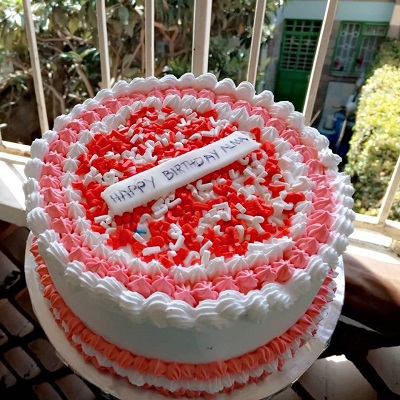
Diana bakes cakes.
What my Gynaecologist Said and Did
One day, he returned home from work in the evening to find that I hadn’t touched my food. In fact, I’d barely moved from the spot he had left me. I’d already lost so much weight and deeply worried, he took me to my doctor.
Thankfully, my gynaecologist -Dr. Ndirangu understood me and said it wasn’t unusual for me to be feeling that way. He reassured me and made me feel okay.
Whenever I went to Dr. Ndirangu, he would allow me to cry and vent about all that I was feeling. Even when I told him I was feeling resentful about the pregnancy because of how it was making me feel, he didn’t judge me. He never rushed me and gave me enough time to express myself while he listened keenly. I always felt so much better.
Risk of Post-Partum Depression
My husband would always take time off work to accompany me for the doctor’s visit. I also liked how Dr. Ndirangu would talk to my husband too, asking him about how he was coping as an ‘expectant father’ and giving him helpful information about how best he could support me. Dr. Ndirangu further recommended that I see a psychologist or a counselor. He worried that if left untreated, it possibly would lead to post-partum depression.
I didn’t feel like seeing a counsellor, but my husband convinced me to follow the doctor’s advice. I decided to visit CITAM Valley Road where I attended five counseling sessions. The counselor talked to me and reiterated the doctor’s statements – that it wasn’t my fault for feeling the way I was. After each session, I always felt so much better and gradually, I began smelling the roses around me and seeing the sunshine in my situation. Even though I never stopped feeling nauseated and continued vomiting after every two hours, I began feeling like I was getting a new lease of life. The counseling sessions at CITAM were free by the way, for which I’m grateful.
Defying Doctor’s Orders
When I was six months pregnant, the doctor put me on complete bed rest. My husband remained very supportive and always ensured the meals were prepared and the house was in order before he left for work. The only thing that I could hold down without vomiting excessively was porridge, and my husband prepared that for me. He would return home early to prepare dinner and take care of me.
One day, while he was at work, I got bored of staying in bed and decided to cook. It turned out to be a big mistake as I ended up experiencing severe abdominal pains. I called my husband who rushed me to hospital where I was informed that if I didn’t follow my doctor’s instructions to be on total bed rest, I would end up going into premature labor –placing the life of my baby at risk.
My Son Arrives
I surrendered and followed the doctor’s instructions to the letter. I remained on bed rest until I delivered my healthy son, who was born weighing 3.3kgs. He is now one year old.
My experience with HG is that it can happen to any woman. It is also good for family and friends not to give up on a woman who may be suffering from depression in pregnancy. Most of the time the depressive moods are beyond her control.
It was Worth it!
My son, who is now a year old, has been such a blessing in our lives and has brought back the joy and happiness in our lives. Every time I look at him and think about all the turmoil I underwent when pregnant with him, I conclude that it was wall worth it. I would do it all over again!” -END
So that is Diana’s story. I hope it has helped you understand the turmoil that many pregnant women go through. For some, it even hinders them from going about their daily activities and can lead to depression both during and after pregnancy.
If you are or know of a woman who would benefit from a support group of women who have undergone pregnancy-related turmoil or depression, you can reach out to Samoina Wangui of PostPartum Depression Kenya. Samoina experienced depressive episodes during her pregnancy and you can read her story that I wrote here.
Here at Mummy Tales: Raising a Family in Africa, I share inspirational stories of other women -experiences that we can all learn from. If you have an experience you’d like to share with other women, you can email me on maryanne@mummytales.com and I’ll be in touch with you.
Moms, do you know of the fruits that can help relieve baby of constipation? They start with letter ‘P’. Also, when it comes to giving your baby water, do you go for tap water or bottled water? In this video, Ciru Ciera of Nurturing Mums explains why you should choose one option over the other. Watch video below and share with a friend.
A few weeks ago, I wrote the story of Betty Achieng, a mom of two who quit her job to become a stay-at-home mom. The story received quite some reactions, with many moms saying that even though they too would be glad to stay home and raise their children, prevailing circumstances just don’t allow them to. Indeed, the role of a mother during a child’s formative years is unmatched, and I believe we all recognize this, no matter the situation you find yourself in. You can catch up with Betty’s story here in case you missed it.
Well, today I bring you the story of 35-year-old DIANA KETTER, an Electrical Engineer with over ten years’ experience in the building industry. She has been married for 7 years and is a mother of two. Diana also quit her job to become a Stay-at-Home Mom (SAHM). On this blog, I share our different experiences as women and as moms, hoping that you can learn something new, or draw some inspiration from the stories shared. This is Diana’s story.
Maryanne: What made you decide to become a Stay-at-Home mom?
Diana: I resigned from my job after I had my second born. This was after I realized I needed to be more active in my children’s lives as they grew. I felt that God has given me the responsibility to raise my children and be more present in their lives, as this will help in positively impacting their character. I felt that being a stay-at-home-mom was how I could best do this.
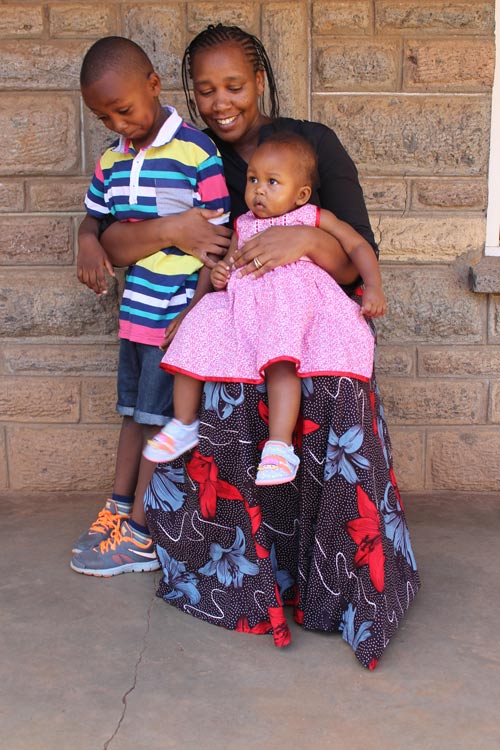
Diana with her children.
Maryanne: Did you consult with your husband before you made the decision?
Diana: Yes, I did have to ask my husband. But even before asking him, I prayed about. When I told him, it came as shocker and he requested for time. I must say that something that was clear to me from the beginning was that if my resolve to be a stay-at-home-mom was going to work, then my husband had to be involved and that he had to make the decision on his own.
Maryanne: Did you have a financial plan?
Diana: Yes, because being a stay-at-home-mom called for humility on my side as it would involve a lifestyle change. Also, my husband’s biggest concern was our finances and how that would change things. So I had some ideas.
During the discussions with him, some of the financial proposals I shared included us moving closer to his work place. Doing so meant that the school fees would come to almost half of what we were paying. The rent at the new neighborhood would also be half of what we were paying. In addition, there was a market nearby, so the cost of groceries would also be way cheaper. Basically, his salary would be enough. These are some of the proposals that helped in him agree with my decision to be a stay-at-home-mom. To date, we have never lacked as his salary is able to cater for our financial needs and our children are happy.
And something interesting is how God affirms our decisions. His friend once told him how rare it is to see a woman give up their career to raise a family. And that evening he came and told me ‘Thank you’.
The Ketter family.
Maryanne: Moms who would like to stay at home to raise their children worry a lot about being financially dependent on their husbands. What has been your experience?
Diana: Yes, the fear of depending on him fully was there. So, when we were doing the budget (together), we allocated some money for my personal use.
However, I also tried out several things for personal cash flow. I tried making mandazi but I realized I’m not good with sales.
My next business idea was making mats, but I never got around to doing that.
I’m grateful I have an old friend (in the Engineering field) who gives me design jobs that I can easily do from my house. I’m grateful for the small contracts which I do from home.
In life we always have something in our hands (using the biblical analogy of when God asked Moses what it was that he had in his hands). I would advise women who are thinking about the decision to find something that they are passionate about that will not impede on the whole idea of being stay-at-home-mom and build on it as the children grow. I also always encourage people not to adore money and make it bigger than God.
Maryanne: What have you seen as some of the benefits of you staying at home to raise your children?
Diana: As a stay-at-home-mom, I’m now able to pick my son from school and we do homework together. I also have time to train him to take up some chores, and I also talk to him about why he should not watch some TV shows.
My first born is energetic and emotional, very few people understand him. I also didn’t understand him, and I struggled with disciplining him because being a working mum I didn’t have time (I used to leave home early and return late) and he would take things personally. I was that mum whose son would pull tantrums in public places and I didn’t know what to do. Now that I’m at home, I’ve come to understand him better. I have also noticed how much he enjoys my presence. I have learnt to meet his emotional needs and to discipline him appropriately. I occasionally get comments that his behaviour has really improved. I also know that we are still work in progress because there was a gap of 5 years.
Some of the joys of being a stay-at-home mom are the stories my son excitedly narrates to me after school, the endless hugs I get from both children and the ‘I-love-you’s’ I don’t how many times a day, the songs we get to sing together and dance to (my daughter is just 10 months but loves music). I’m really enjoying observing my daughter’s milestones which I can’t remember with my son (sad). Other things that I’m loving is getting to cook for my family (and they love my food especially my husband).
Maryanne: How did your family members react to your decision to leave work to raise your children?
Diana: Before resigning I called my mum to inform her of my decision. She asked my reasons for doing so and after I explained, she understood and gave me her blessings.
With my father, he is still trying to understand it, with occasional calls of ‘Don’t you think it’s time to go back to work…”
It’s not an easy place because you understand where they come from, they schooled you for a purpose and you almost feel that the old saying “you shouldn’t educate a girl” would make sense to them.
My elder sister has always been very supportive –she herself is a stay-at-home-mom in Australia.
One thing that motivates me is the encouragement I get from the women engineering forums I’m in. I particularly remember the story shared by a fellow woman engineer who also quit employment to raise her children until one day they told her it was time to return to the workforce. She picked up from where she left and is now back fully in the field. And that’s my desire to grow in my career and this is not only for myself but to honour my parents.
Diana with her children.
Maryanne: How about the reactions from friends?
Diana: To many, it might seem like a failure having left work to raise my family, but one of the greatest lessons I have learned is that of being content with your decision. Few friends understand and will encourage you, while others have reasons why you shouldn’t, but the most important thing is to understand yourself and the reasons for doing so. Indeed, the pressure will always be there but do not let it define you.
One of the challenges of being in a male-dominated industry is that you must work extra hard to prove yourself. And it’s not that women are not good enough, but the prejudice that is out there is real. Something I learnt in the industry is not to wrestle with male ego, but your work will speak for you. And that’s the same thing about people’s opinions; how you have raised your children will speak for itself.
Maryanne: As a mom, do you find time to take a break?
Diana: One of the challenges of being a stay-at-home mom is that sometimes you just need a break, otherwise it will surge into something else. So for me I take occasional long walks and I have found that they help me cope well.
The other thing is you can easily get unfit (something I am trying to find a way around). And the last is getting comfortable and locked out. I’m yet to get there my only social time is in church but it’s something to watch out for.
Maryanne: Your parting shot?
Diana: I am very grateful that I can be a stay-at-home mom because I am aware of many other women who don’t have this choice.” -END
Thank you Diana for sharing your story.
If you’re a stay-at-home-mom just like Diana, and would also you like to share your story, you can email me on maryanne@mummytales.com If you found this story helpful or inspirational, share it with your friends too.
Mummy Talesis a platform dedicated to empowering its readers on different aspects of maternal and newborn health, as well as various issues surrounding motherhood and women. Read more motherhood experiences of Kenyan momshere. Connect withMummy Tales on:YOUTUBE l FACEBOOK l INSTAGRAM l TWITTER
You may also be interested in reading the stories below:
Esther Mung’ui, 37, is a mother of two boys. Her eldest son Ian, is aged 15 years and is autistic. I’ve previously written about Esther here. With more parents nowadays receiving diagnosis of Autism in their children, I talked to Esther about the most important lessons she has learned with regard to raising Ian, and her subsequent advice to fellow parents who are raising children within the Autism Spectrum Disorder (ASD).
I believe her insights will be helpful to parents, guardians and relatives who are involved in caring for and raising children -not only those within the Autism spectrum, but other special needs children too.
Esther’s son, Ian, who is gifted musically. All he needs to do is keenly listen to a song –only once -and he will grasp all the words of the song. All. Of. Them. He’ll then sing word for word and in the exact same tune!
So these are the five important lessons Esther has learned.
Lesson #1: Patience
As a parent of an autistic child, you must have patience. From delayed milestones, difficulties with potty training, challenges in undertaking activities of daily living such as dressing up, brushing teeth, feeding themselves etc. All of these will take time – sometimes a lot of time, and you just have to learn how to be very patient with your child and allow them to take one step at a time; at their own pace.
Lesson #2: Love
I have learnt to love my son, no matter what. You must love your child unconditionally. There will be moments of frustration for both you and your child, but your devoted love and care must prevail at all times. You will find that your child may be unable to express themselves, will sometimes be very frustrated –leading to hyperactivity, tantrums or meltdowns, and many times he/she might feel agitated or pushed away as no one seems to understand them. But when you embrace your child and show him/her sincere love, when they are assured that you love them no matter what, it soothes and calms down their anxiety.
Esther with her sons.
Lesson #3: Acceptance
I have learnt to accept that Ian is my son, and that he is an autistic child with special needs. I can say for sure that being in denial is the worst thing that can happen, so the moment you just have to accept the circumstances you are in and learn to make the best of the situation, you are able to cope better. While it’s not easy, but it certainly is possible. I would also say that if you’re finding it hard to deal with, then reach out to other parents who have gone through similar circumstances; we are here to help you. You are not alone.
Lesson #4: Understand the Circumstances
Your child might decide to pee anywhere due to his inability to express himself, or soil himself such as when travelling. Sometimes when my son gets sensory overload, he son screams while blocking his ears, regardless of where we are. I have learnt to understand him and ignore the crowd if we are in a public place, while dealing with the situation accordingly.
Lesson #5: Celebrate the Milestones
I have learnt to appreciate any little milestones or achievements that my son makes. For example the day he learnt how to go to the toilet by himself, to feed, bathe, brush his teeth, read and write some few words. These are such HUGE achievements and I celebrate each and every one of them!” -END
So those are some of the lessons that Esther has learned, and continues to learn. I hope you will find them helpful. You may also share with a fellow parent -it may be of help to them too.
Here atMummy Tales: Raising a Family in Africa, I like sharing inspirational stories of other women -experiences that we can all learn from. If you have an experience you’d like to share with other women, you can email me on maryanne@mummytales.com and I’ll be in touch with you.
Hi everyone and welcome back to Mummy Tales. One question that many moms with infants ask is – “When should I stop mashing/blending/pureeing my baby’s food? Another question they ask is – “When should I start adding salt to my baby’s food?
These are questions I asked myself too when I was transitioning my boys to solid foods. In this video, I speak to an infant and young child feeding counsellor who shares expert advice to these questions. Watch it below and in case you learn something new, please share it with your friends as they too could find the information helpful.
Thanks for watching.
Mummy Tales is a platform dedicated to empowering its readers on different aspects of maternal and newborn health, as well as various issues surrounding motherhood and women. Read more motherhood experiences of Kenyan momshere. Connect withMummy Tales on:YOUTUBE l FACEBOOK l INSTAGRAM l TWITTER
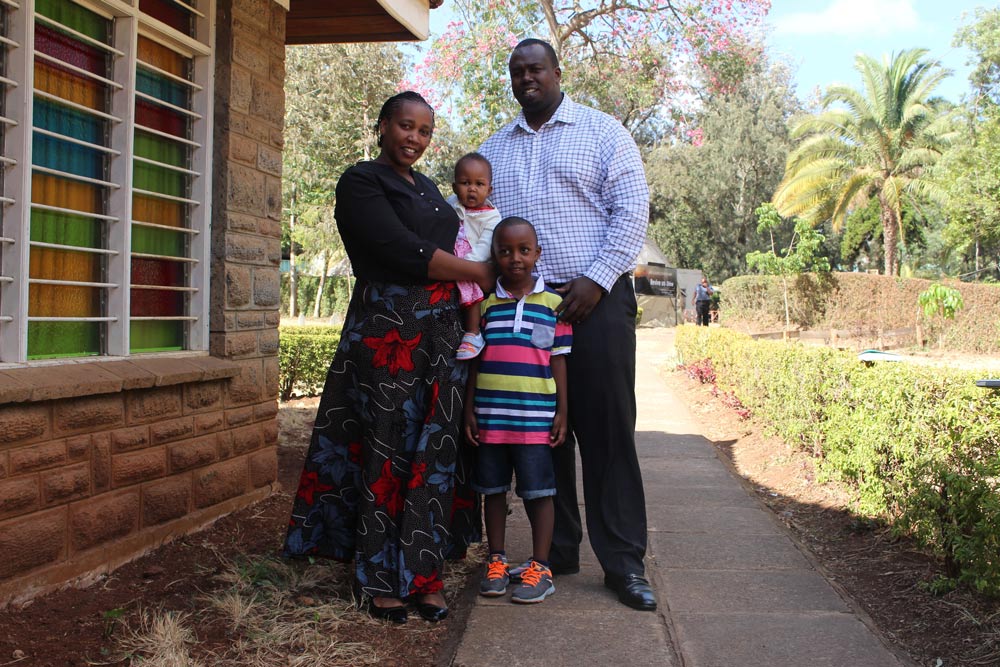
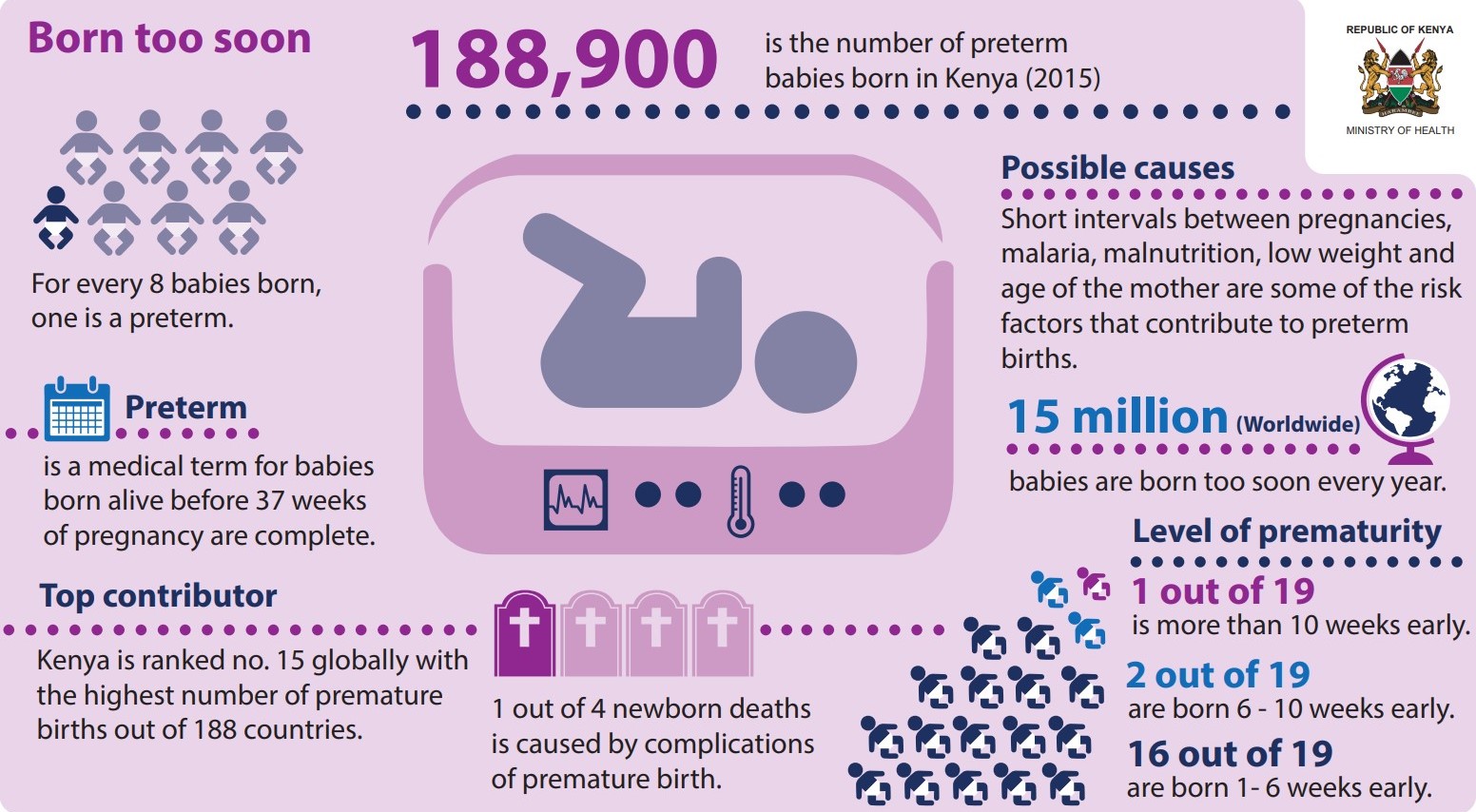
What do the emotions of a mother who has delivered her baby prematurely look like? How does she feel, when she knows that her baby’s life is hanging by a thread? When she knows there might not be another day for her baby to see?
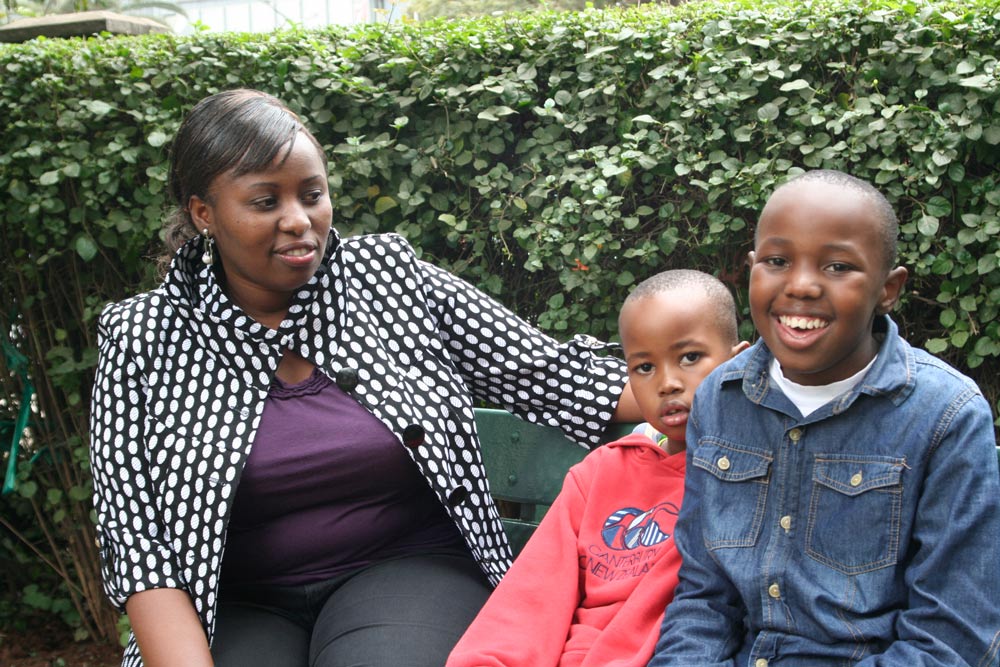
Ruby Kimondo is a mother of four boys, having delivered them at 28 weeks, 30 weeks, 38 weeks and 34 weeks. Ruby suffered from a dangerous pregnancy-related condition called preeclampsia all through her four pregnancies. Today on Mummy Tales, Ruby gives us insights into what she went through during those difficult moments, and how she is now helping other women who have undergone similar experiences.
Ruby Kimondo
Why Couldn’t I Carry my Pregnancies to Term?
“My preterm birth experiences were quite the challenge. With each birth, I was left with strong feelings of guilt and inadequacy. I wondered why I couldn’t carry my pregnancies to term and felt horrible about subjecting my babies to many painful medical procedures as they spent their first days of life in incubators at the Newborn ICU. This was even before I could cradle them in my arms.
Would my Babies be Alive the Next Day?
I remember facing dark moments where I was not sure if my babies would live to see the next day. During those times, I would grope in the dark, asking the doctors endless questions as I looked for slightest glimmer of hope that there would indeed be another day for my babies. Many times, that glimmer of hope was hard to find. I therefore lived through the uncertainty of not knowing what would happen next. I decided to take one step at a time and one day at a time.
See also: Mary Wanyoike’s inspiring video below
So I learned to let go, even love from a distance and just trust. I showed up for my babies every three hours, every day, for weeks on end. I went through the slow and steady process of accepting and learning to live through the challenging experiences that I could not run away from. And soon the prematurity storm passed with such indifference to my experience of it.
Preemie Love Foundation
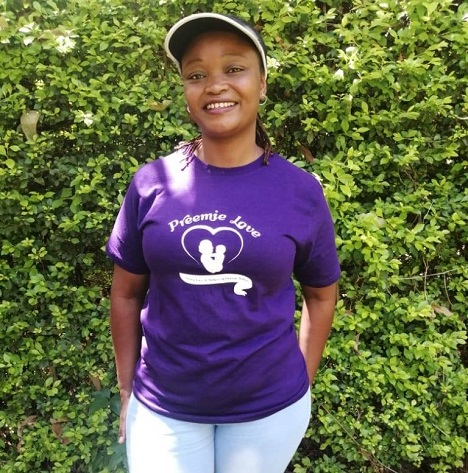
I began talking about my preterm birth experiences and connecting with other mothers who had gone through similar experiences. This led to the formation of a support group for parents of preterm babies, called ‘Preemie Love Foundation’ in 2015. In it, we draw lessons from our collective experiences. Our activities include:
Provision of information and support for parents who have undergone the prematurity experience
Provision of mental health care to parents going through the prematurity experience
Provision of follow-up and guidance to parents after discharge from hospital
Creation of public awareness on prematurity issues
Preemie Love Foundation has created Peer Support Networks where parents can receive and give compassionate support to one another and receive information and practical suggestions for caring for their babies.
We use WhatsApp as our primary communication and information dissemination tool. We also have frequent physical meetings by active members where we reach out to new mothers at Kenyatta National Hospital (KNH) Newborn Unit and other hospitals.” -END
Thank you Ruby for sharing your story. If you would like to join the Preemie Love support group, if you know of a mom who would benefit from the interaction, or if you’d like more information from Ruby, see her contact details below:
If you’re a mother of a daughter or if you have a younger sister or niece who has already began her menses, do you talk to her about what’s normal or not regarding menstruation? Do you know if she experiences extremely painful cramps during her periods? It’s good to have these conversations with our young girls, as it could help establish any underlying health conditions there may be.
Today, I share a post by FAITH GICHANGA OSIRO, an endometriosis warrior, who shares her own experiences with painful periods.
“I am an endometriosis warrior. It’s sad that it took me 20 years to get a diagnosis. 20 years of putting up with excruciating pain that I was made to believe was normal -even by doctors.
I believed I was fragile since every other woman around me seemed to be carrying on with life normally. As a result, armed with a stash of pain medication, I pushed myself to attend classes, go to work, attend corporate meetings and social events. All this, even during times when I felt like several knives were stabbing me in my stomach.
Then there is the chronic fatigue that made me think maybe I was just lazy because I couldn’t explain it any other way. So I pushed myself more -with a demanding daytime job and night school. This I did for many years.
By the time it was the weekend, I was usually a wreck so I’d lock myself in from Friday until Sunday morning when I would leave for church, before getting right back to hibernation.
No other girl has to suffer in silence. Let us stop telling young girls that pain during periods is normal. Early diagnosis means better chances of getting the correct treatment.
The awareness also allows one to give themselves adequate self care like I do now, with rest being on top of that list. There is hope!”
If you know of a woman who also undergoes severe pain during her periods -to the extent that she misses work or doesn’t attend school, then let her know about a support group called Endometriosis Foundation of Kenya, which can be reached on email: endometriosis254@gmail.com or +254770 659689.
Mummy Talesis an organization dedicated to empowering its readers on different aspects of womanhood and motherhood. Read more motherhood experiences of Kenyan momshere.
What kind of mother allows her infant daughter to get a Urinary Tract Infection (UTI)? That is the question that Dorcas Nthenya asked herself over an over again. Dorcas will never forget the day one of her twin daughters contracted a UTI at the age of only two months. This is her story, as she shared it with me.
“It all began when my husband arrived home for the weekend (he works in Nairobi while we stay in Embu) and when he held one of our twin girls (then aged two months), he immediately asked me for how long she had been breathing that way.
I was confused and immediately asked him: “breathing how?” He responded by saying she was breathing heavily.
Upon touching her forehead, we realized she was very hot, and when we took her temperature, it was 39.1 degrees Celsius. And that was the beginning of my nightmare. We don’t have 24 hour clinics or chemists in our town but thank God we had some fever reliever suppositories in the house and we immediately inserted one into her. I couldn’t sleep a wink and we were up all night monitoring her. When morning finally arrived, we rushed her to the paediatrician.
Aren’t UTI’s for Adults Only?
Upon examining her, the doctor sent us to the lab for a malaria test and a stool test. Both results were negative. He then told us that she most likely was suffering from a Urinary Tract Infection (UTI). He sent us to the lab once again to have her urine tested.
While heading to the lab, I wondered how an infant could have a UTI, because I knew it was only adults who get it. In fact, I had had several UTIs when I was pregnant with my twins, but my doctor had calmed me down, telling me that the condition was common with twin pregnancies.
At the lab, I didn’t know that collecting a urine sample from my baby would be so difficult! We had to use a urine bag to try and collect the urine but five hours later, we still had nothing. Even after dressing her in diaper, she still didn’t urinate. We were so frustrated!
Worried about her Twin Sister
Meanwhile, her temperature remained high, with my husband very worried that she could convulse any time. Despite giving her paracetamol every two hours, her fever was not going down. I had long stopped wiping my tears and just let them flow, worried to death as I looked at the state my daughter was in. She was so low, wasn’t smiling, was just crying weakly, and each time she fed, she vomited it all.
At the same time, I was equally worried about her twin sister as during those moments, I wasn’t able to breastfeed her as much as I would have wanted to. She wasn’t receiving much-needed attention from me.
The Diagnosis that Broke my Heart
Finally, after a very long wait, she finally passed a few drops of urine and when it was tested, the results were positive for a UTI. Even though the paediatrician had hinted at us that this could be the problem, the confirmation that my little baby girl had a UTI shattered my heart.
I couldn’t help but think I had failed in my job as a mother because, what kind of mother could let her newborn have a UTI? Had I not been changing her diapers carefully? Even worse, I now noticed that her crying had been weak all along yet I hadn’t noticed this. I hadn’t also noticed the fever. I berated myself for being a bad mother. I felt so horrible!
The paediatrician put her on antibiotics -oral drugs together with injections for five days because the infection was severe. Meanwhile, the fever went on for three more days.
My Mother, my Friend
At some point we even considered travelling to Nairobi for advanced treatment, but my dilemma was leaving her twin sister behind. But I decided I had to travel if my baby was to regain her health. So I called my mother all the way from Athi River to come over to our place in Embu and stay with the househelp while I was away in Nairobi getting treatment for the baby. Without any hesitation, my mother agreed.
But as she was finalizing her travel plans, God worked a miracle and my baby’s fever started going down. I then decided not to travel to Nairobi as I saw she was getting better. Thankfully, in a few days, she regained her health.
Look out for Warning Signs
I must say that it was a traumatizing time of my life, and I wouldn’t want any mother to ever have to go through this. This is why I decided to share my story with other moms on Mummy Tales. This is my advice to mothers, especially those with daughters as they are more prone to UTI’s than boys are:
To prevent UTIs which mostly occur in baby girls, make sure her diaper is changed immediately she poops.
Use a clean cloth or cotton wool and warm soapy water to clean her completely. This is because the stool can lead to bacterial infections which can cause the UTI.
Talk to your house girl about the need to thoroughly cleaning the baby when putting on a fresh diaper/nappy. Show her how to do it. I did this with my house girl and I thank God neither of the twins have had a UTI ever since. My twin daughters turned 1 year old last week.”
Thanks Dorcas for sharing your story, and for the information you’ve provided. You can read more about UTI’s in children here.
Have you found this story helpful? If you have gained some information, then feel free to share it with other moms as it could help them too. And if, just like Dorcas you have a motherhood experience or advice you would like to share with fellow mothers, write to me atmaryanne@mummytales.com
Mummy Talesis a platform dedicated to empowering its readers on different aspects of maternal and newborn health, as well as various issues surrounding motherhood and women. Read more motherhood experiences of Kenyan momshere. Connect withMummy Tales on:YOUTUBE l FACEBOOK l INSTAGRAM l TWITTER
Hi friends! Now, you’ve probably have heard that women with extremely painful periods (endometriosis) face serious challenges trying to get pregnant. Because for sure, endometriosis affects a woman’s ability to get pregnant. How so? In this videothat I have prepared, a Fertility Specialist Dr. Wanjiru Ndegwa-Njuguna explains, in brief, how endometriosis affects fertility. Please watch and share this information with your friends, colleagues and relatives. See video below.
Click on this linkto read more women’s stories on endometriosis that I have written about.
Mummy Talesis a platform dedicated to empowering its readers on different aspects of maternal and newborn health, as well as various issues surrounding motherhood and women. Read more motherhood experiences of Kenyan momshere. Connect withMummy Tales on:YOUTUBE l FACEBOOK l INSTAGRAM l TWITTER
























 Mummy Tales by Maryanne W. Waweru is a platform dedicated to empowering its readers on different aspects of womanhood and motherhood. Read more motherhood experiences of Kenyan moms here. Connect with Mummy Tales on: FACEBOOK l YOU TUBE l TWITTER










 Preemie Love Foundation has created Peer Support Networks where parents can receive and give compassionate support to one another and receive information and practical suggestions for caring for their babies.