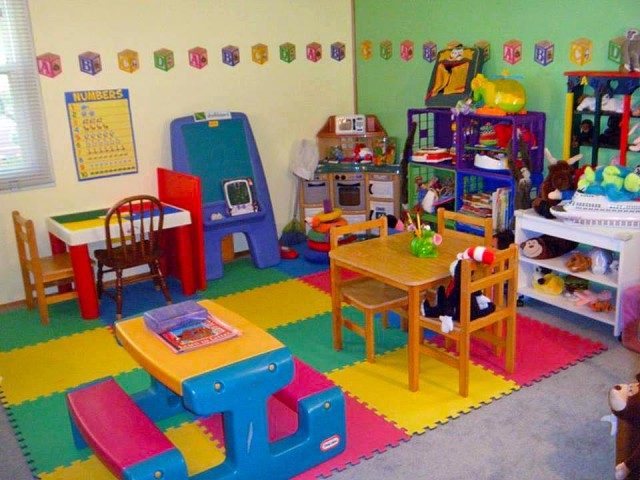
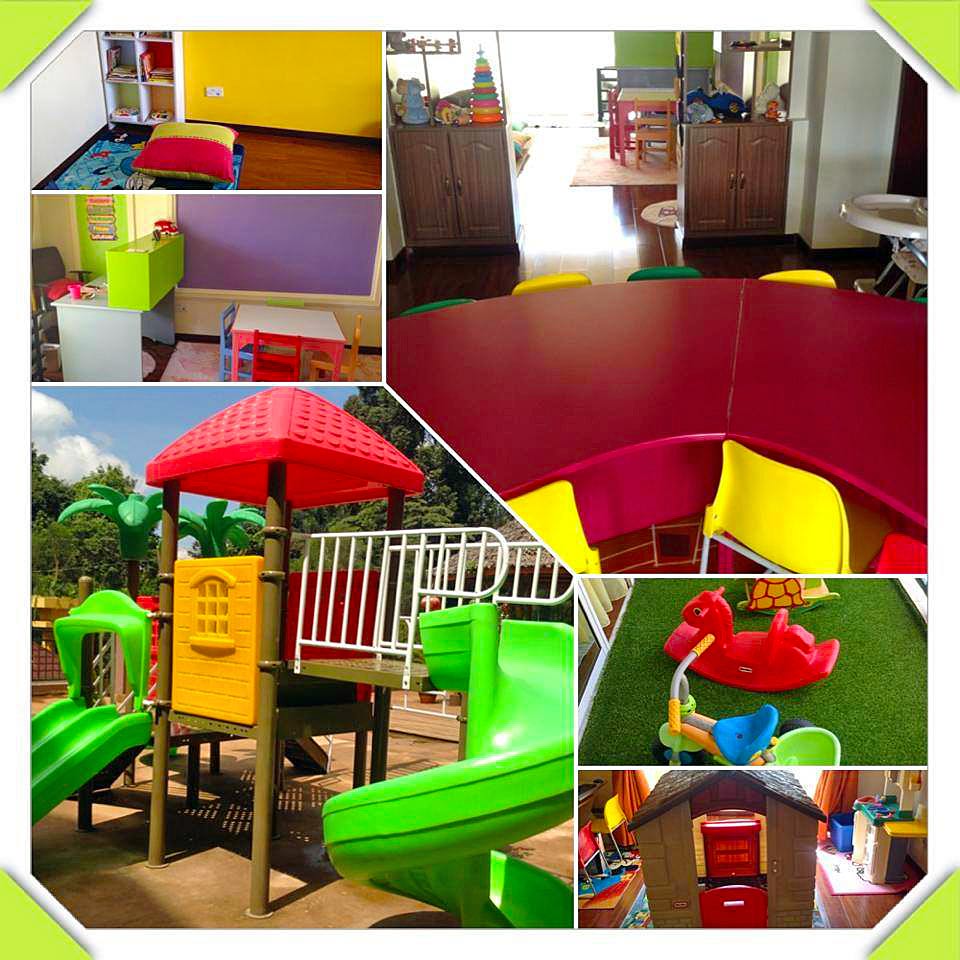
Are you looking to start a daycare business in Nairobi? Have you thought about the location? The cost? City Council requirements? License? Inspection? Insurance? Employees? How much you will charge each child? Safety? Activities for the kids? Furniture? Equipment? Signage? Hours of operation? Advertising? Capital… na kadhalika.
As you ponder about this, let me inform you of the top estates to put up a daycare business in Nairobi. They are (in no particular order):
1. Madaraka/Nairobi West
2. Imara Daima
3. Doonholm
4. Buruburu
5. Kasarani
6. Kilimani
7. Langata
8. Umoja
This is according to Find a Daycare Kenya, a people that provide very helpful information about daycares in Kenya. Do you agree that these are the best estates in Nairobi to set up a daycare business?
Meanwhile, you can be reading the story of Caroline Wawira Njiru, a former air hostess and mother of two who quit her airline job to start her own daycare in Kitengela. So if you’re planning on starting one yourself, just know that it’s possible, though I would advise you to speak to other entrepreneurs who are in the same business first, as they often have very invaluable insights.
There is no doubt that a mother’s relationship with her daughter is one of the greatest influences as to how the little girl will grow up and how she will relate with other people. Your daughter will always be a reflection of you, so make sure you set the stage and lay a good foundation for her because, as you are, so she will be.
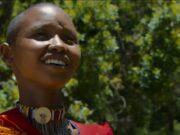
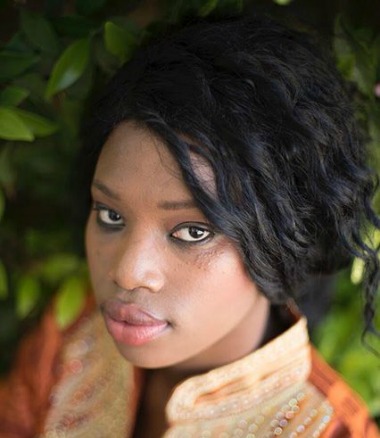
Khadija Gbla. Photo courtesy of Khadija Gbla/David Mariuz
“When I was three years old, war broke out in Sierra Leone in 1991. I remember literally going to bed one night, everything was good.The next day, I woke up, bombs were dropping everywhere, and people were trying to kill me and my family. We escaped and ended up in Gambia, West Africa.
While we were there as refugees, we didn’t know what was going to become of us. My mum however applied for refugee status and Australia accepted us.
Before our travel, my mum came home one day, and said, “We’re going on a little holiday, a little trip.” She put us in a car and we drove for hours and ended up in a bush in a remote area in Gambia. In this bush, we found two huts. An old lady came towards us. She was ethnic-looking, very old. She had a chat with my mum, and went back. Then she came back and walked away from us into a second hut.
I was confused and didn’t know what was going on.
The next thing I knew, my mum took me into this hut. She took my clothes off, and then she pinned me down on the floor. I struggled and tried to get her off me, but I couldn’t. Then the old lady came towards me with a rusty-looking knife, one of the sharp knives, orange-looking, has never seen water or sunlight before. I thought she was going to slaughter me, but she didn’t. She slowly slid down my body and ended up where my vagina is. She took hold of what I now know to be my clitoris, she took that rusty knife, and started cutting away, inch by inch. I screamed, I cried, and asked my mum to get off me so this pain will stop, but all she did was say, “Be quiet.”
This old lady sawed away at my flesh for what felt like forever, and then when she was done, she threw that piece of flesh across the floor as if it was the most disgusting thing she’s ever touched. They both got off me, and left me there bleeding, crying, and confused as to what just happened. I was only nine years old.
Later on, when I was much older and aware of what had happened to me, I confronted my mother about what had happened to me. I said to her:
“Those years ago, you circumcised me. You cut away something that belonged to me.”
She said, “Yes, I did. I did it for your own good. It was in your best interest. Your grandmother did it to me, and I did it to you. It’s made you a woman.”
I’m like, “How?”
She said, “You’re empowered, Khadija. Do you get itchy down there?”
I’m like, “No, why would I get itchy down there?”
She said, “Well, if you were not circumcised, you would get itchy down there. Women who are not circumcised get itchy all the time.Then they sleep around with everybody. You are not going to sleep around with anybody.”
And I thought, her definition of empowerment was very strange.
Even to this day, there’s still a lot of shock, confusion, a sense of hurt, and betrayal. To be lured away and then instead of going on a holiday, you end up having the most horrific act done to you. I don’t know how one processes that. To this day, I go to therapy.
I don’t think people can comprehend the brutality of female circumcision. It’s quite a horrific practice. It’s brutal. No anesthetic. No calming, loving words. Nothing to dull the pain. No painkillers. Just you and a razor blade, or a knife, or a scissors — whatever they can get a hold of — and then they start chopping away. I don’t know how one gets over that. I don’t think anyone does. I’m really frank in saying, I don’t think I’ve unpacked a quarter of the issues surrounding FGM. It’s like a constant reminder, every day. I can’t take a shower without somehow getting a hint of sadness and pain. I can’t escape it.
Photo courtesy Khadija Gbla/David Mauriz
When I started having my period around the age of 14, I realized I didn’t have normal periods because of FGM. My periods were heavy, they were long, and they were very painful.Then they told me I had fibroids. They’re like these little balls sitting there.One was covering one of my ovaries.
I consider myself disabled, sexually. I don’t feel like a complete woman in that I don’t feel like I’m getting the range of sensations that I should be getting. I get only limited amounts — probably five to 10% of sensation.
I was told that it would be very hard for me to conceive, that I was practically infertile. Like most women who are told that they can’t have a child, it’s a pain you carry around with you and it’s hard to talk about. I wouldn’t tell people.
Saturday 6 February 2016 is the International Zero Tolerance to FGM Day.
I would cry at night with my husband and he would wake up asking, ‘Why are you crying?’ I’m like, ‘Because I want a child.’ The idea that the choice was taken away from me — I didn’t become infertile because an accident happened and made me that way. I became infertile because my mother chose to do an act that caused that.
In my community, I got ridiculed for being the woman who couldn’t have a child. I was judged. When I tried to pick up people’s kids, they would take the child away from me like I was a leper. It was quite a painful experience.
Then, I got pregnant. I know I am the lucky few circumcised women, because there are so many women out there who have infertility.
A vaginal birth was out of the question for me, because of the scarring I have internally. So cesarean was the only option for me to have a healthy baby. The idea to have a vaginal birth and to have so much cutting down there was terrifying, and my midwife said to me that my scar could open up, which would, for me, destroy the five to 10% of sensation I have. With all of that, I became quite depressed during my pregnancy, because I didn’t know what a delivery would look like for me.
It was a very traumatic experience. The only joy was when my baby was given to me. He was healthy; I looked at him and I have never felt a love like that.”
And that is Khadija’s story. Moved me to tears. Today, Khadija is uses her FGM experience to advocate against the harmful cultural practice. She is the director of an organization called No FGM Australia, which seeks to create awareness about FGM.”
*Information sourced from Khadija’s TED talk, with excerpts picked from her interview with Refinery29.
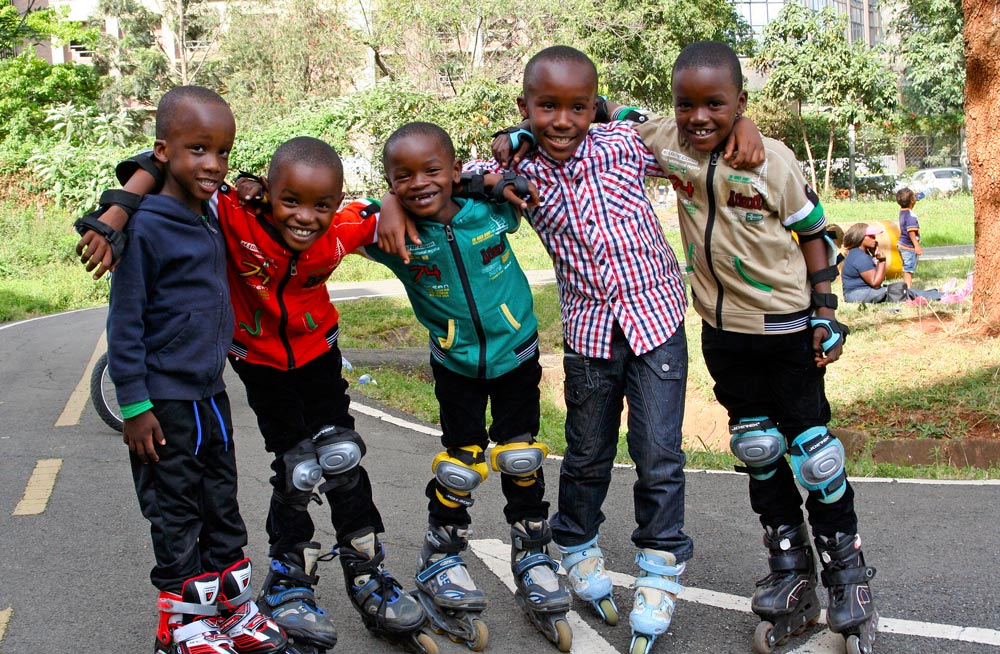
I met these adorable boys (below) at the Children’s Traffic Park last September, during the Multiples to Multiples Society fun day. Multiples to Multiples is a support group for those who have twins, triplets, quadruplets, quintuplets and… what comes next?
As I watched these boys skate their way through the park, having so much fun, pulling skating stunts, falling down, helping each other up, hi-fiving each other and all those things boys do together, it made me wonder when my boys will ever get that big (they are 2 years and 4 years). But I consoled myself because I figured there was a mother somewhere with an infant wondering when her baby will ever get to be 2 years old :). Patience Maryanne, patience.
So anyway, if you’re a mum of multiples or know of one who is, then let them know about the Multiples to Multiples Society and that they can be a part of it. There is also a Facebook group of theirs that is very very helpful (open to both mums and dads), so make sure you join it too. Sometimes, you need the advice, comfort and support of someone who has gone through your exact same situation -raising twins or triplets, and that group offers just that.
When you are a new mum, you assume that breastfeeding should come naturally. Only that for many new mothers, it doesn’t! And she gets pretty stressed about it. For some, breastmilk doesn’t come immediately while some have inverted nipples which makes breastfeeding difficult, and for others, getting baby to latch on well is such a herculean task!
I spoke to Susan Muriithi of Toto Touch who shares tips on how a new mum (whether you are a new mum for the first time or a new mum for the third, fourth, fifth time…) can get off to a good breastfeeding start, right from hospital. She says:
Start breastfeeding as soon as possible after birth –preferably within the first 30 minutes of birth.
Ask for a hospital breastfeeding counselor, nurse or lactation consultant to come help you incase you are having problems or you just need to ask a question. Don’t be afraid to ask.
Ask the nurses not to give your baby formula or any food or drink unless it is medically necessary.
Allow your newborn to stay in your hospital room all day and night so that you can breastfeed often. Incase your baby is at the nursery, request the nurses to bring him over to you for regular feedings.
Try to avoid giving your baby any pacifiers or artificial nipples so that he or she gets used to latching onto just your breast.
Hope that helps! Share this with a pregnant mum or any new mum you know.
I spent last Saturday afternoon at the Serena Hotel where I attended a high tea fundraising event for fistula. The event was organized by the Flying Doctors Society of Africa (FDSA), and was aimed at raising funds that will enable women who suffer from fistula undergo repair surgery.
An obstetric fistula develops because of prolonged and neglected labour which becomes obstructed. Obstructed labor is when the baby’s head constantly pushes against the woman’s pelvic bone during contractions. This action prevents blood flow to vital tissues and if a ceaserean section is not available, the vaginal tissues become destroyed, leading to the formation of a hole (fistula) between the bladder and birth canal. Urine then leaks continuously through this hole.
When the same damage occurs between the rectum and the birth canal during childbirth, feaces leak continuously from the rectum to the birth canal. Majority of women with fistula often report to have labored for three to five days. In 95 per cent of the cases, the babies are born dead.
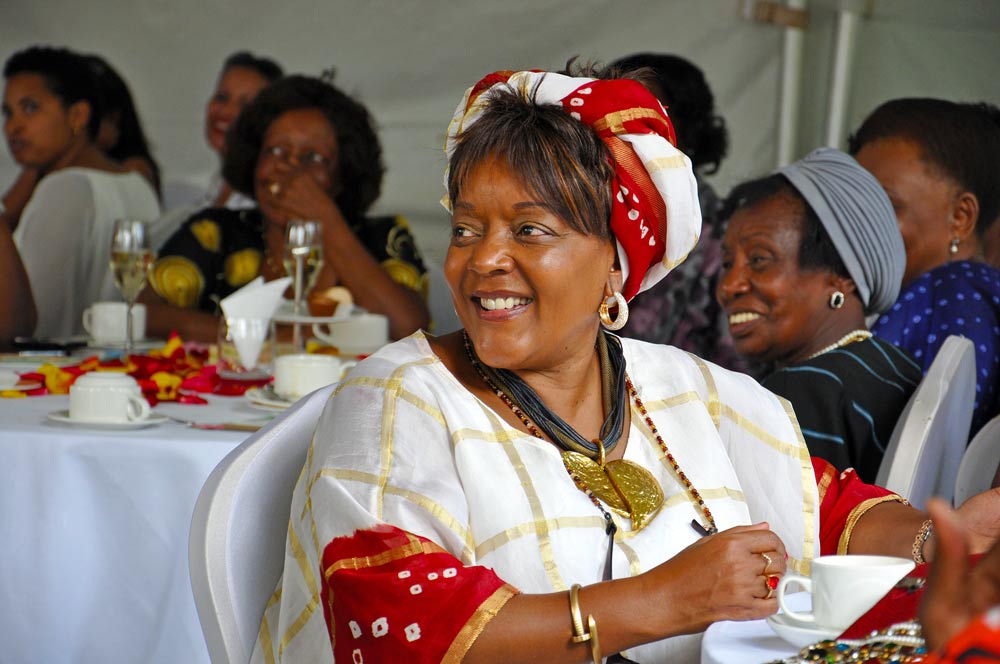
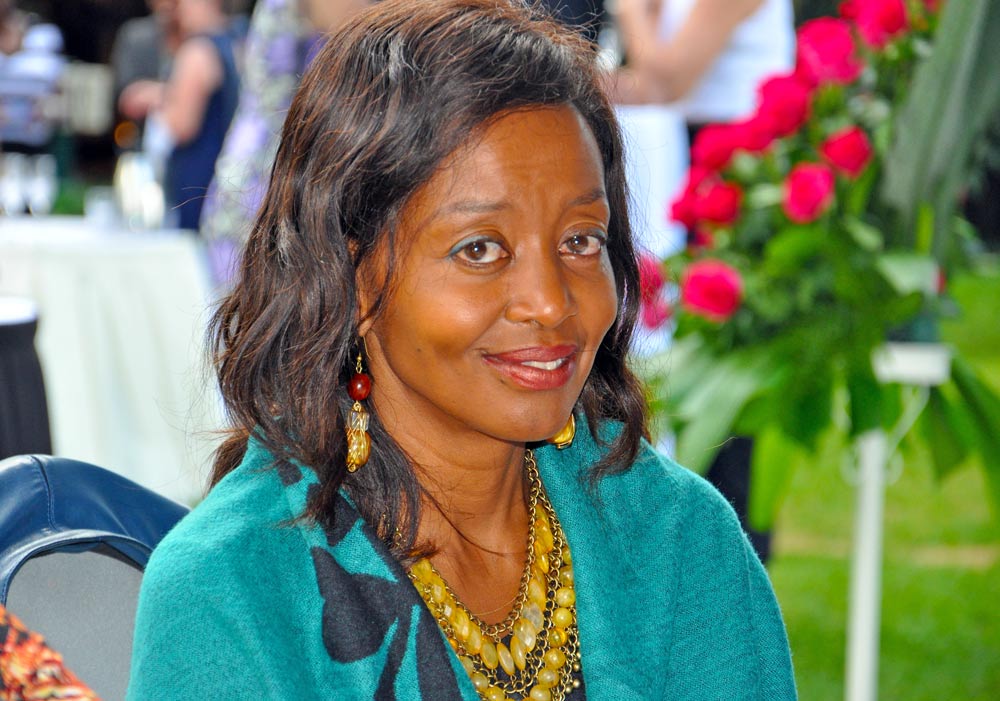
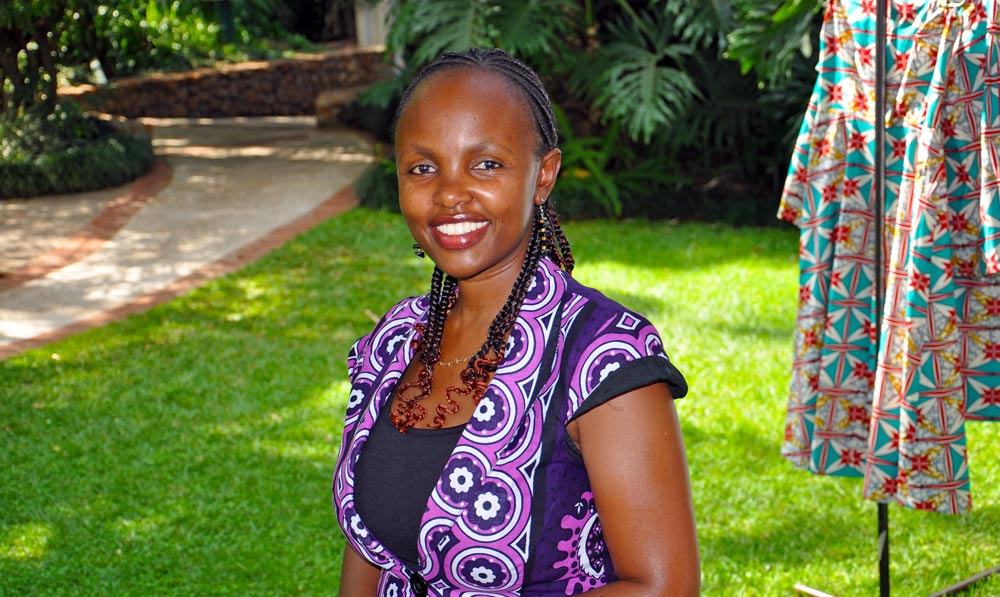
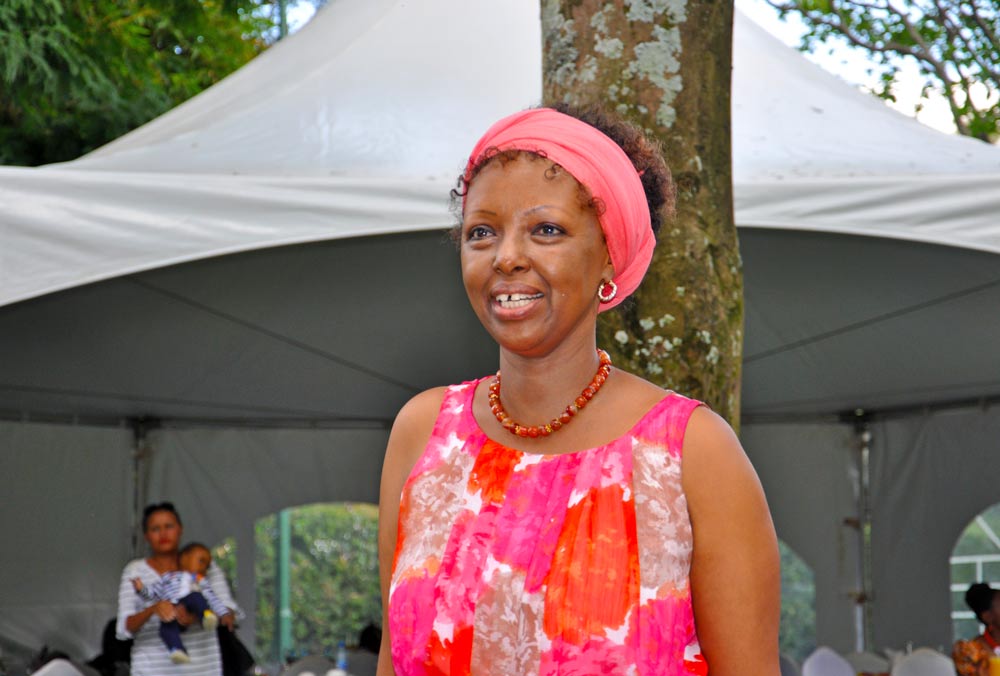
Here are some pictures from the event. The pictures had such beautiful women dressed in such beautiful clothes! At the end of this article, I have commented on the two ladies who I found to be the most well-dressed, so make sure you catch that.
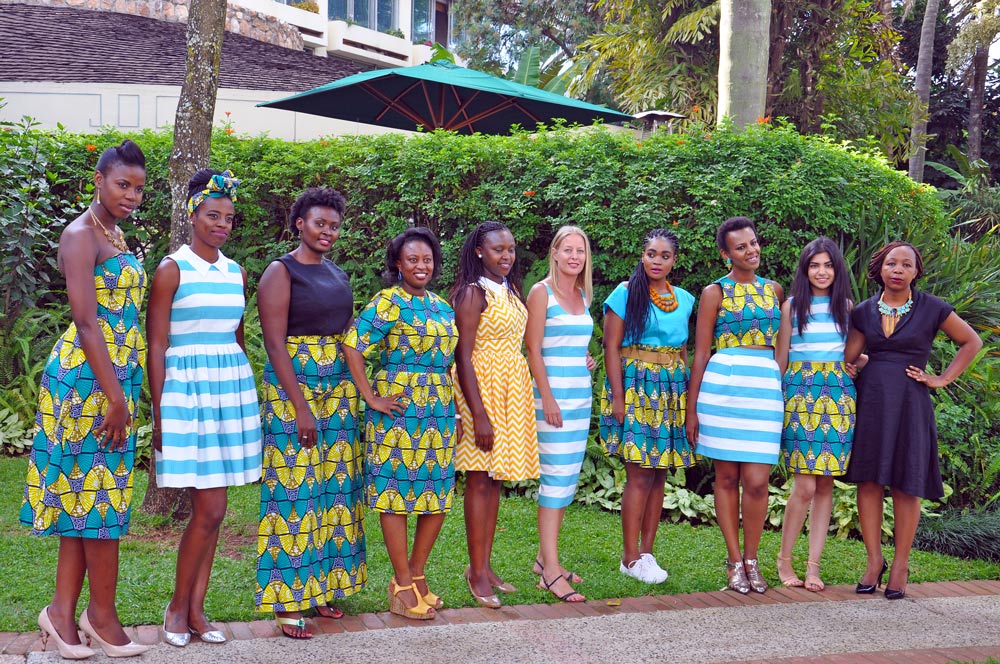
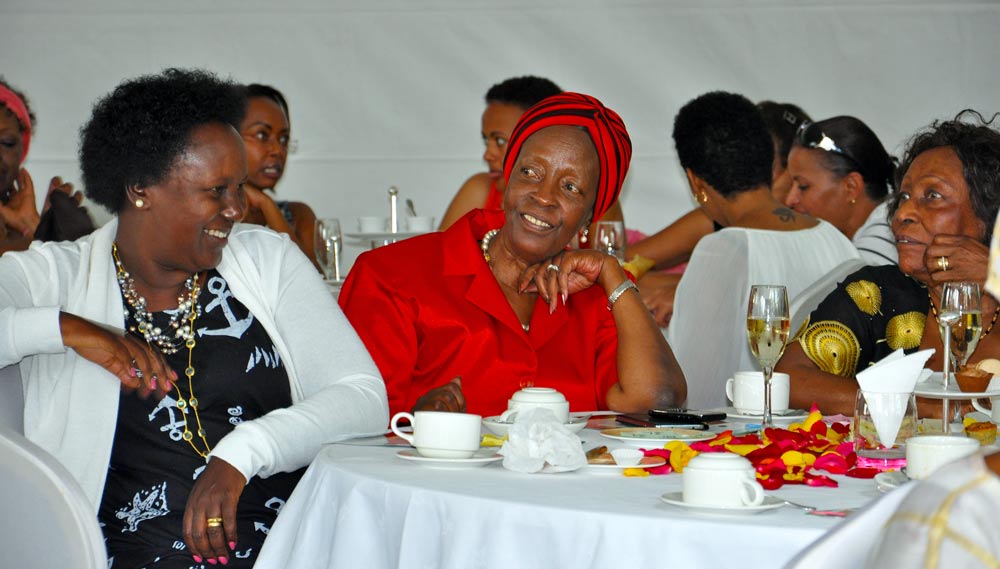
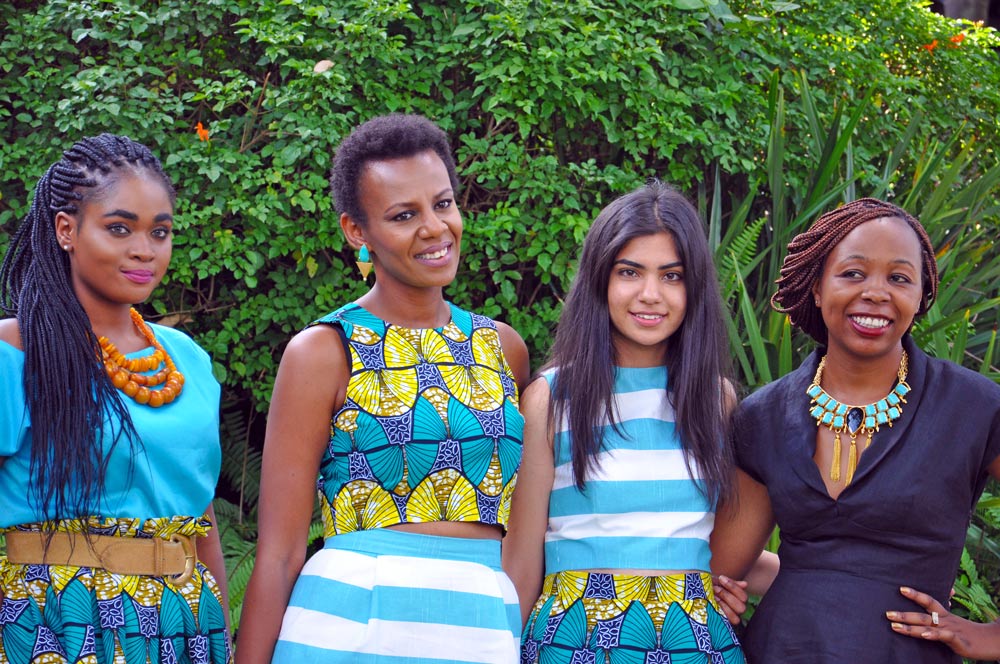
Tanya Nduati (right) of FDSA with a guest.The fashion house Njema Helena had a fashion show during the event. Totally loved their outfits.
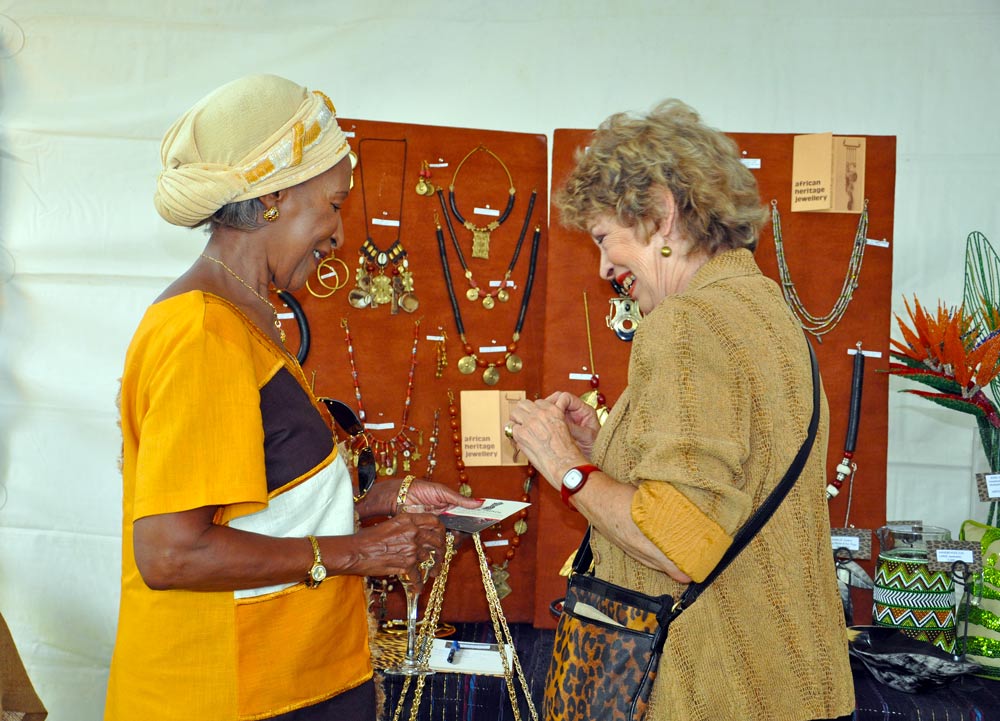
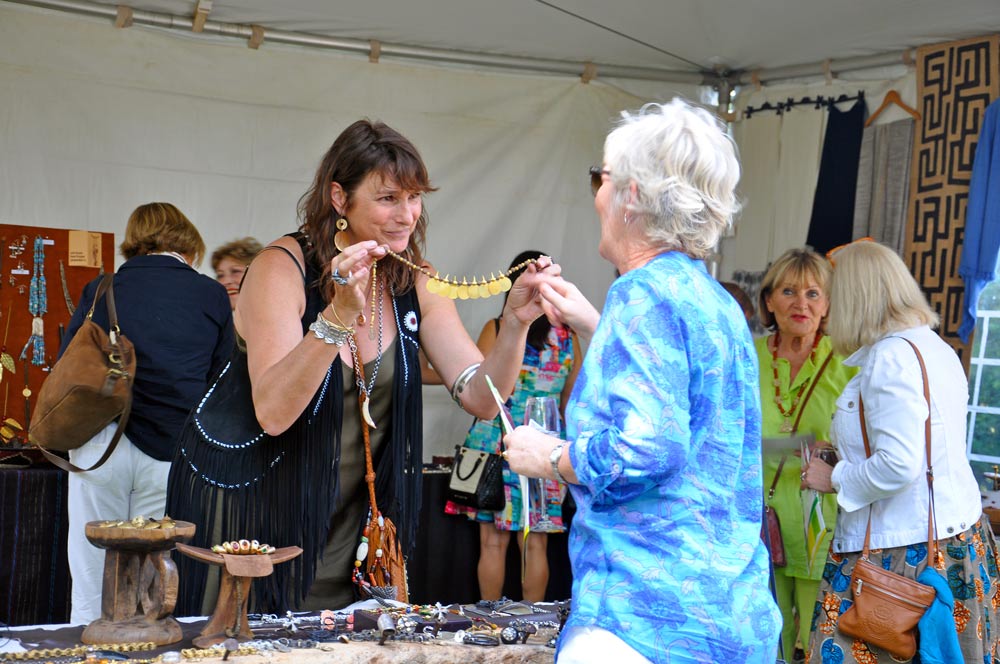
There was lots of jewelry on sale.
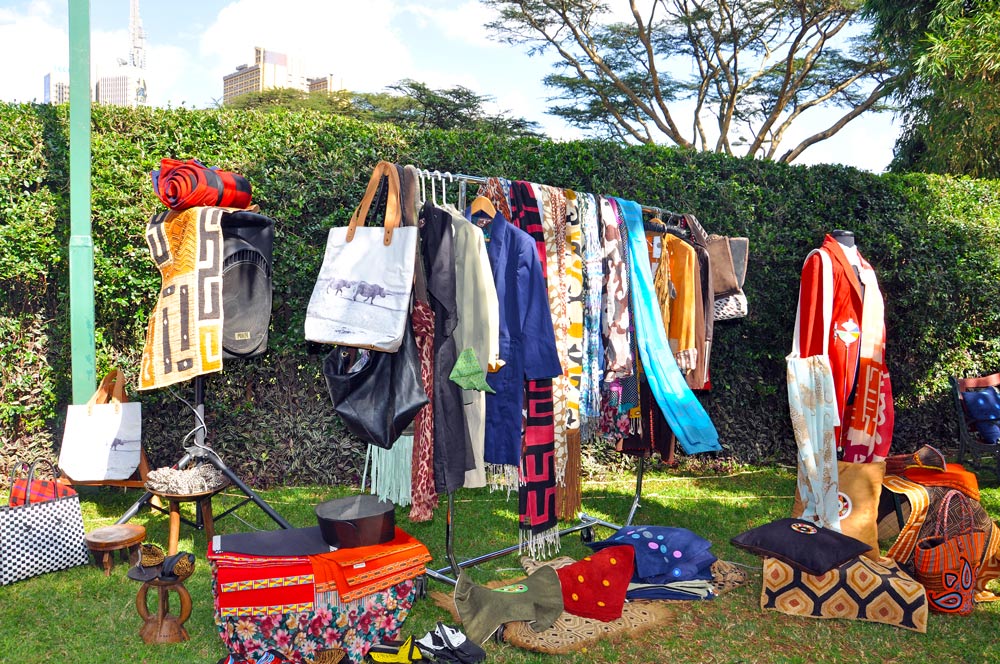
And some clothes and bags on sale too.
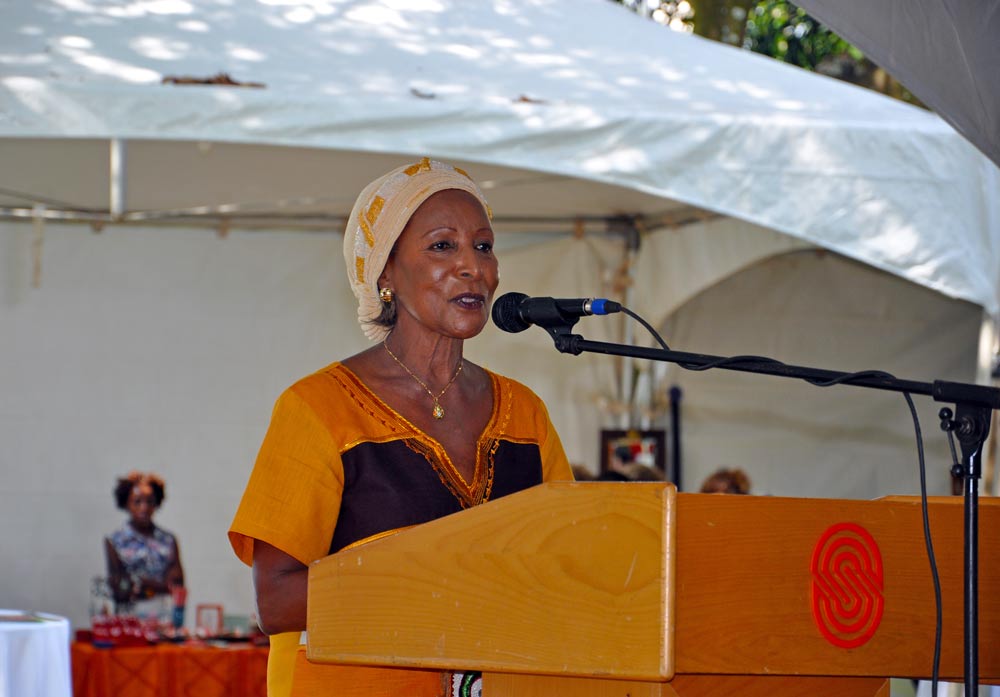
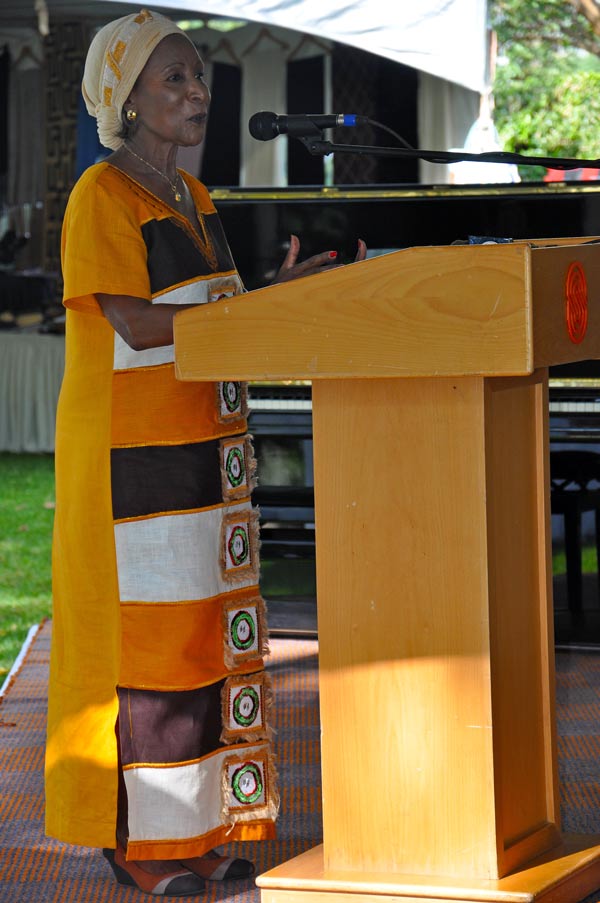
I met Peninah Njambi of Kahesa papers -she’s such a sweet girl.Dr. Eunice Kiereini, Chairman of FDSA gives her speech. Dr. Kiereini has championed many medical outreach programs in remote areas of East Africa. She is one of Kenya’s most celebrated women.
Most women who suffer fistula are in rural areas, or in urban slum areas and who cannot afford quality maternal healthcare before, during and after childbirth. It costs about Sh30,000 to have a woman undergo a fistula repair surgery in a public hospital. It costs about five to 10 times more than that in a private hospital. Most of these women cannot afford even an eighth of this amount, and that is where the Flying Doctors Society of East Africa (FDSA) comes in.
On a regular basis, FDSA holds free fistula medical camps in different parts of the country where women who have suffered years of leaking, smell, shame and stigma get to have the relief they have yearned for for years. These women do not pay a single cent for the repair surgeries, because of the kindness of well-wishers who contribute money, time, equipment and supplies to ensure that they have their dignity restored. The high tea fundraising event I attended last Saturday will see to it that tens of women will have their prayers answered this year, through free fistula repair surgery. I was glad to be a part of these efforts.
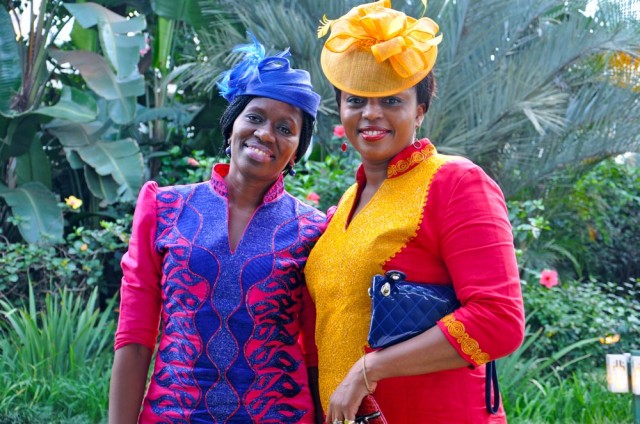
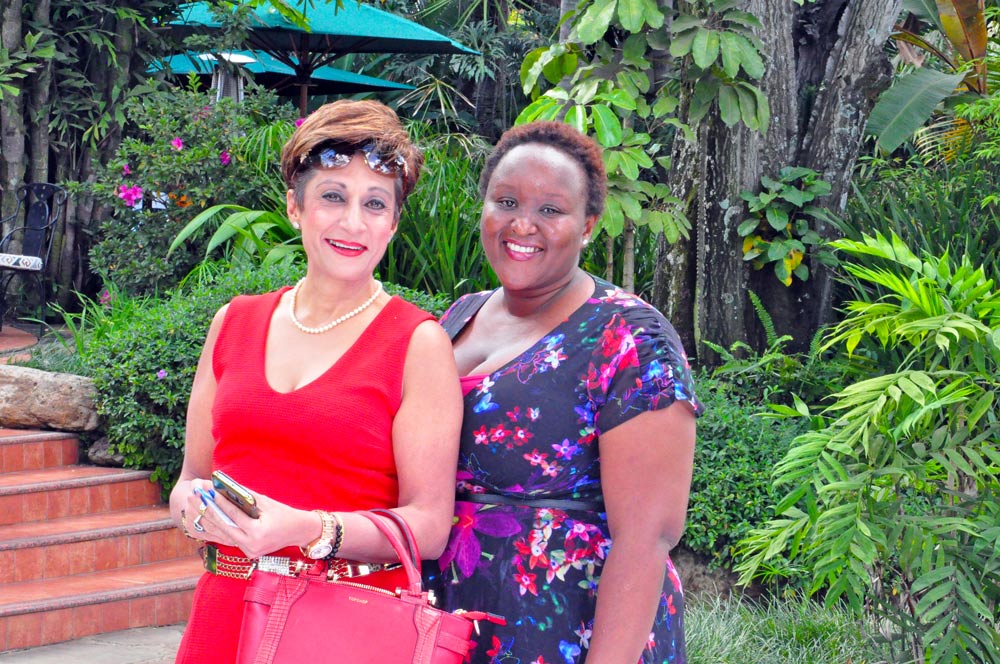
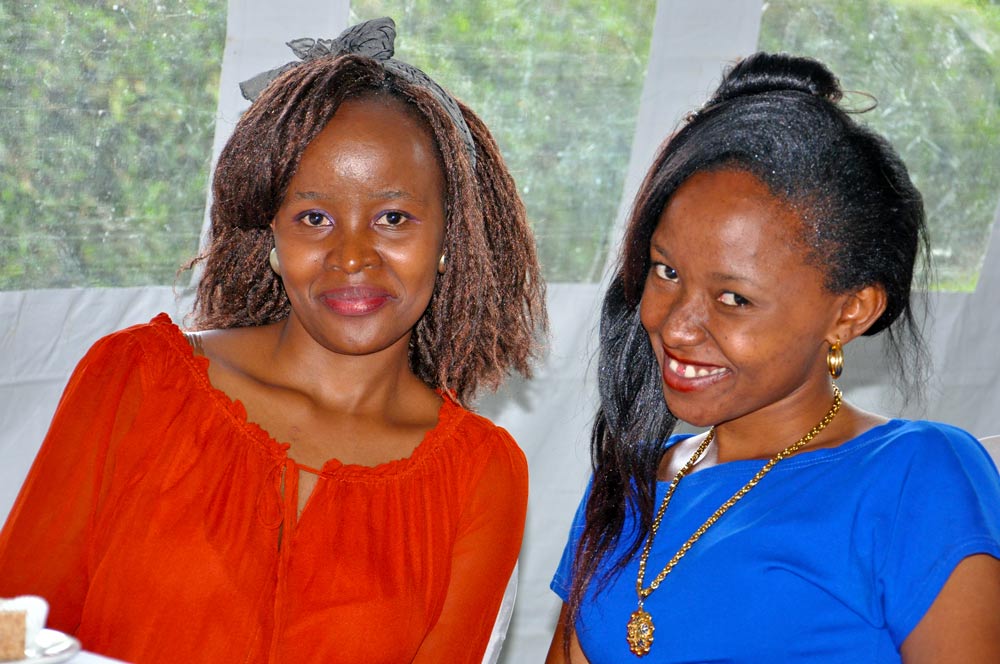
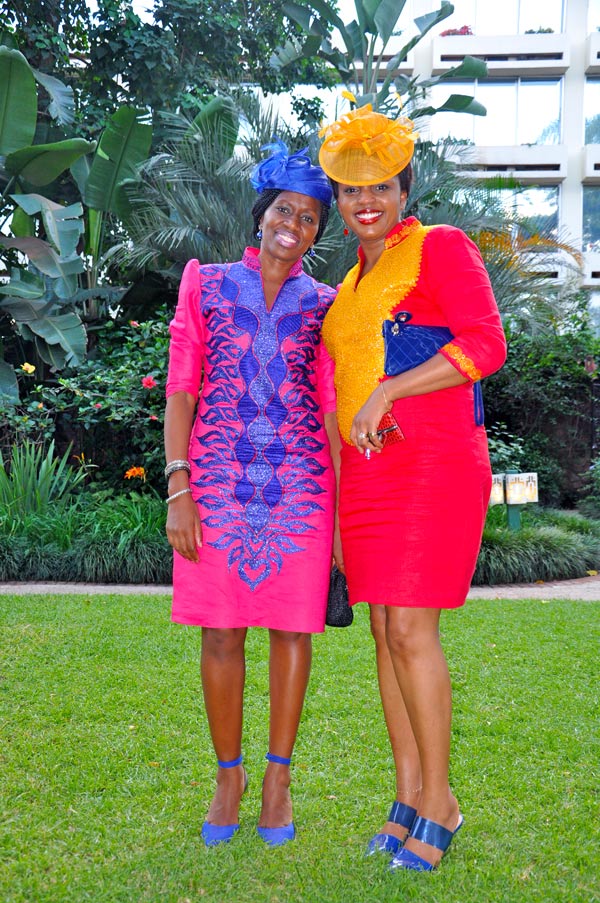
Like I said, there were many beautiful ladies dressed beautifully, but the ones that stood out most for me was this duo of Wangui Kariuki and Christine Kagwiria. Those people of Citizen TV’s Fashion Watch should comment on these outfits, don’t you think? Are they appropriate for a high tea event, madam Carol Odero and Annabel Onyango?
Wangui Kariuki (left) and Christine Kagwiria (right). Stunning.
So there you go. It was indeed a great and fun event, all for a good cause. If you’d like to help a fellow mum with fistula access free surgery, you can get in touch with the Flying Doctors Society of Africa on tel: +254 722 205 084 or +254 733 333 004 or email: flying.doctors@flyingdoctorsafrica.org
There’s a time I used to be invited to so many baby showers -there was two or three every weekend. But nowadays I’ve noticed that they’ve decreased…to actually zero now… I think my friends have stopped getting babies, no? Yes, that must be it.
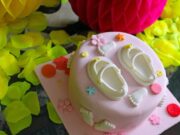
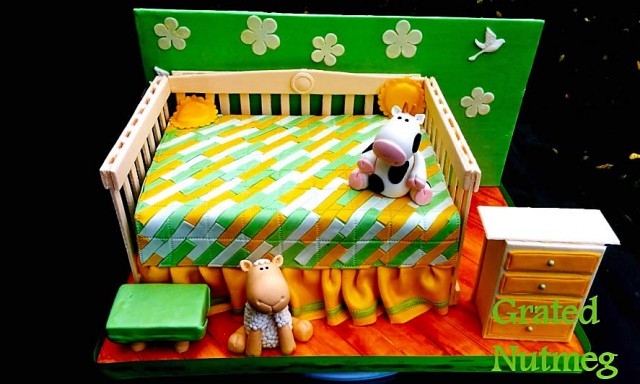
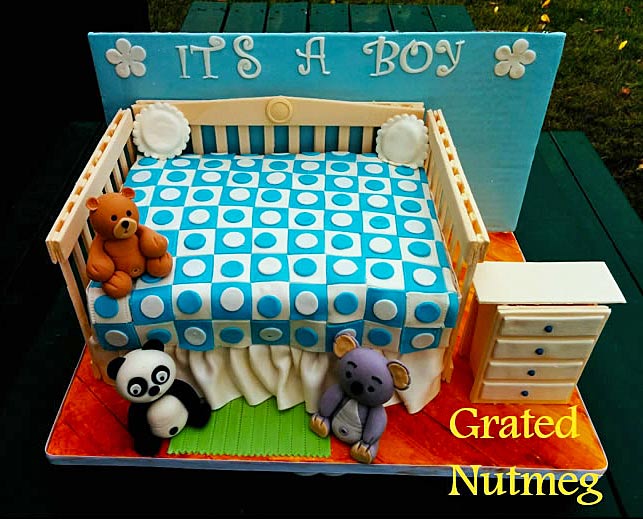
So anyway, I’ve seen a good share of baby shower cake designs -some impressive and some, well, nothing home to write about. As I was browsing the internets I came across these cot-themed cake designs by one Terry Adido of the Grated Nutmeg, and I must say, I was impressed. This, in my view, is lovely for a baby shower. What do you think?
Have you ever thought of starting a water bottling company? Do you know how to go about it? Or would you like to know more about how young female entrepreneurs go about starting their own businesses and manage to stay afloat? Then learn more from Ruth Mawia Mwanzia who started her own water bottling company –largely driven by her passion to see to it that all people are able to consume clean drinking water. This, having grown up in Kitui County -a semi-arid area where water is a scarce commodity and even when available, she says most people consume unclean water.
In this interview, the 26 year-old entrepreneur talks about the challenges she has faced; penetrating into the market and having to compete with large, established brands, among others. Ruth also talks about her marketing strategies -which have seen her Koola Waters brand now stocked in most supermarkets and shops.
Ruth works with a team of employees and has great expansion plans for her business.
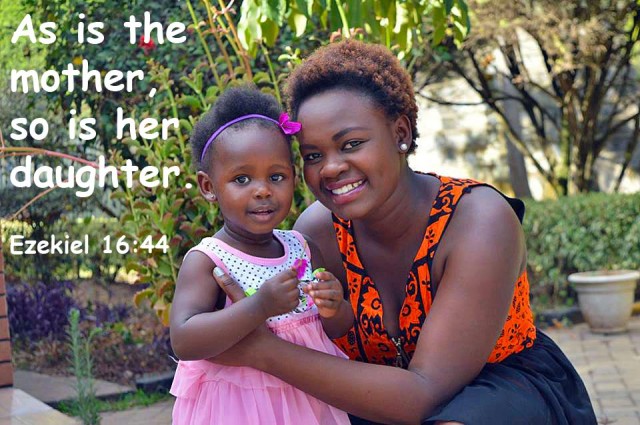
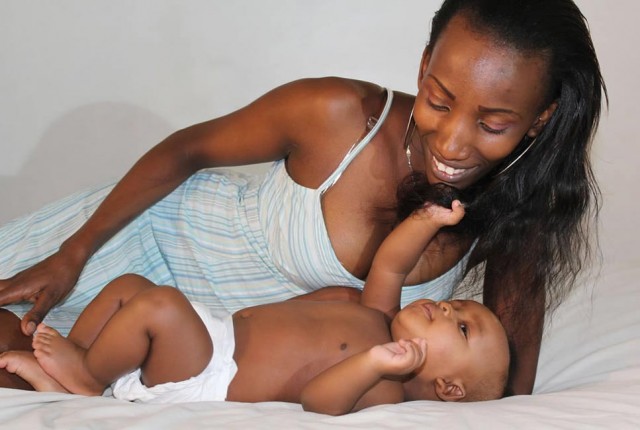
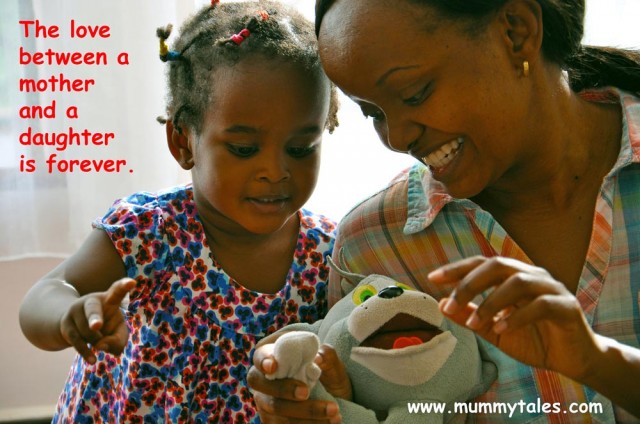
This is a random photo that I took of my friend and her adorable little 2 year-old daughter. I took it in December last year, but it is only a few days ago that I was going through those photos and this one arrested me, literally. I just stared at it for like five minutes, totally engrossed in it. It generated so much warmth in my heart as I remembered just looking at them and witnessing that raw, natural love.
The photo of the two of them reminded me of the relationship I have with my mum. I’ve always been a ‘mummy’s girl’, and I do know that my mum somehow ‘spoilt’ me. Not that I ever complained anyway. I’m blessed to have had a pretty good relationship with her ever since I was a little girl, one that has continued to get even better over the years.
I’m very grateful to still have my mum around to share with me nuggets of wisdom especially on motherhood, marriage and life. My mum is my strength, my friend, my teacher, my adviser, my intercessor, my rock, my role model. If you’re still blessed to have your mum around, tell her that you love her today. And don’t forget to tell it to your daughter too.
I may not have a little girl myself, but I will always be someone’s little girl… I love you mum.
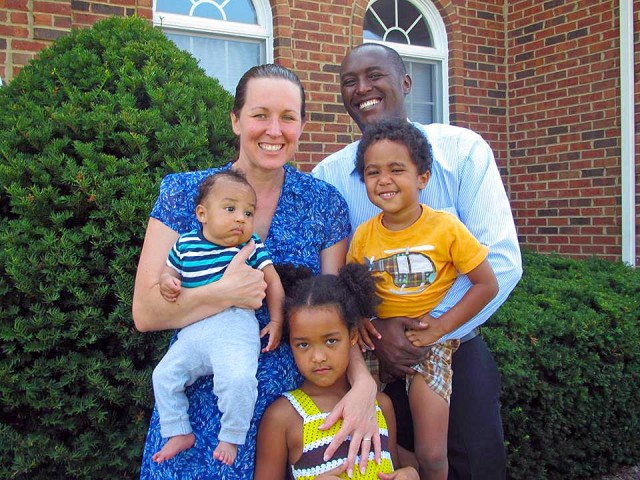
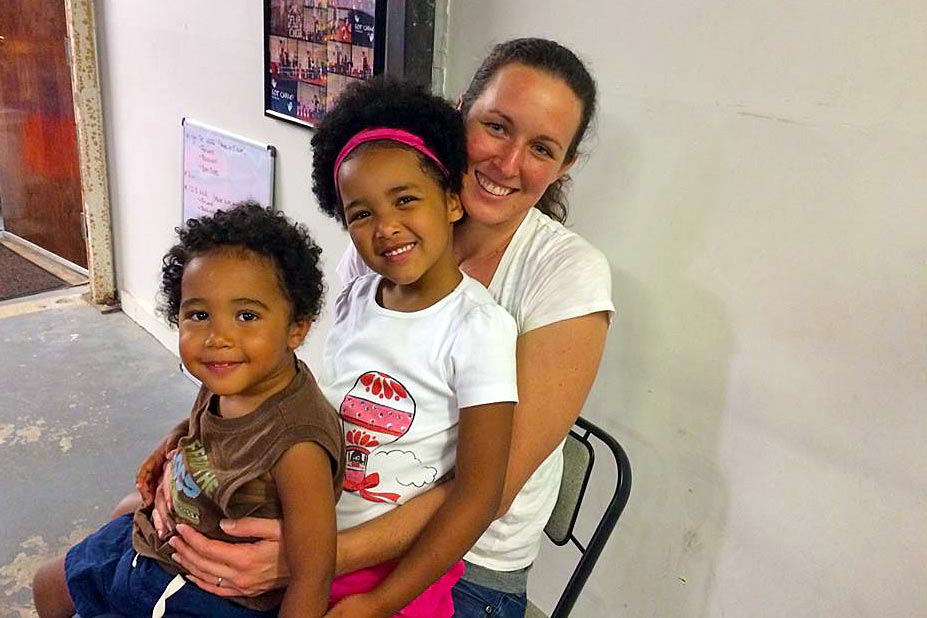
Valerie Rogers Muigai is a 34 year-old mother of three; daughter Natalie 6 years, Nathan 3, and baby Joel who is 7 months. She and her husband Muigai have been married for eight years and are currently raising their children in Uganda.
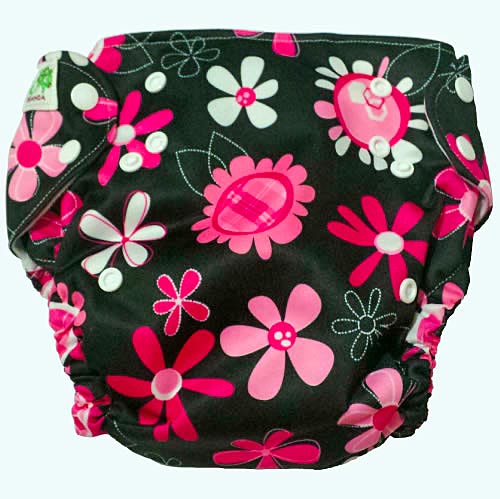
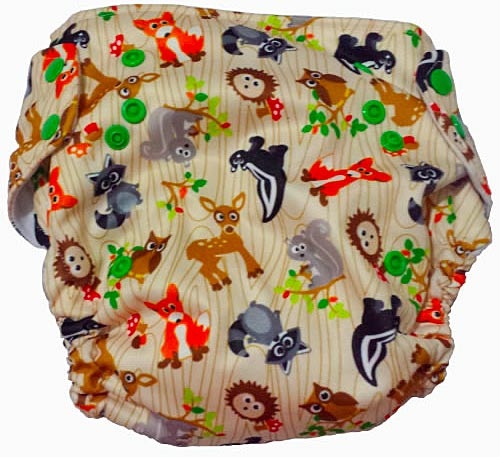
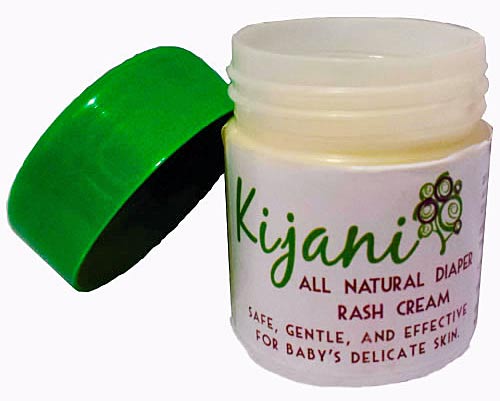
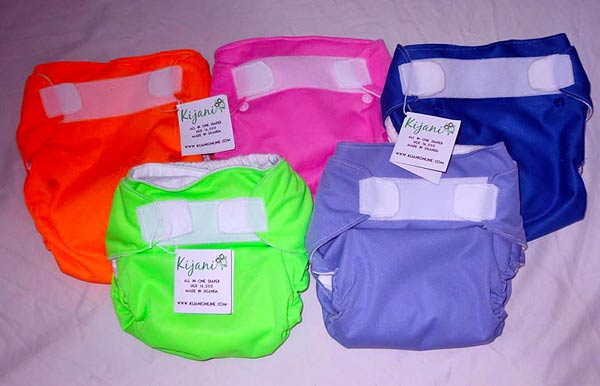
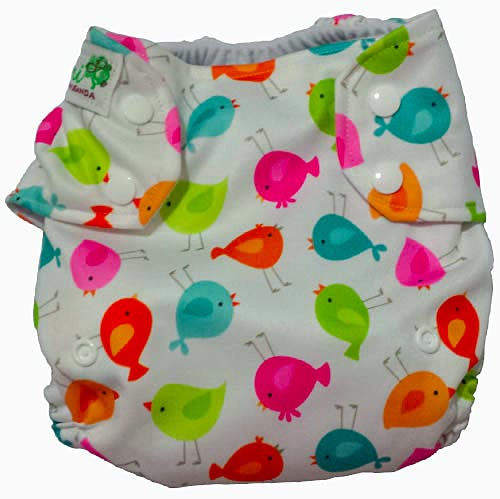
Valerie is employed and also manages a side hustle – Kijani Cloth Diapers which manufactures baby diapers. I had a chat with her about her life as a mother and as an entrepreneur who is also employed –and how she strikes that balance.
Maryanne: Tell us a little about yourself
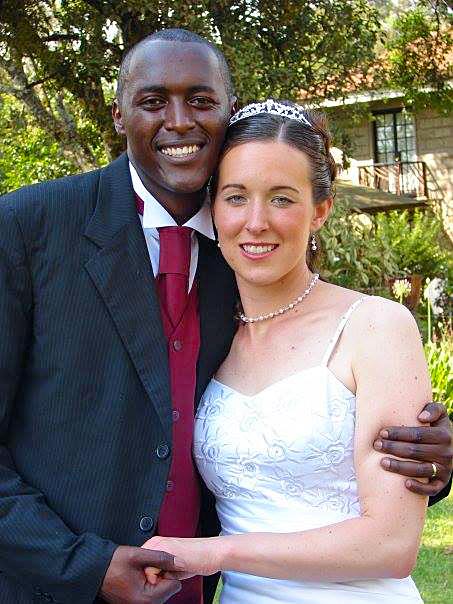
VRM: I am the middle child of three girls, and I grew up in New Jersey in the US. I moved to Nairobi when I was 24 years-old for graduate school, and I met my husband while living in Nairobi. We got married in Kenya and since our wedding, we have lived in three different countries (Tanzania, US, and Uganda where we have been for the last 3 years). Although being in an intercultural marriage can have its challenges, we work hard to create our own family culture with the best things from each of our cultures and try to teach our children to be proud of both of their cultures.
Valerie and her husband.
Maryanne: Did your life change after you became a mum? If yes, how?
VRM: Yes, it did. For me, I have always loved children and ever since I was young I looked forward to becoming a mother. Becoming a mum was a transformational experience for me. Although children can definitely be stressful at times, I love the day to day interactions and responsibilities of caring for babies and young children. I found my priorities shifted – whereas I had a lot of career ambition before becoming a mum, my main priority after I had children was to find a job that would allow me the flexibility to spend a lot of time with my children.
Watch the video below that shows how Valerie makes the Kijani cloth diapers.
Maryanne: You run Kijani as a side hustle. How does employment and entrepreneurship work for you?
VRM: I am grateful to have a very flexible part time job that I really enjoy. My job allows me to spend a lot of time with my children and run Kijani as a side business.
Maryanne: What advice would you like to give women thinking of starting a business?
VRM: I would suggest thinking of skills or knowledge that you already have and seeing how you can use those to earn some money. Also, look for gaps in the market that you may be able to fill. For me, we used cloth diapers with all of my children and I loved them. When we moved to Uganda, I started making some for friends as baby gifts because I realized there was no place to buy them in Uganda. When their friends saw them, they started ordering some and that is how Kijani was started.
Other advice I would give is to start small and to start as a side business if possible, or at least make sure you have some money saved up for the first several months. There are always a lot of expenses involved in starting a business and it can take a while before it starts to make money. Starting small also allows you to make mistakes, learn from them, and correct your course without having these mistakes destroy your business.