





















Home Blog Page 18

Raising a Child with Autism in Kenya: 5 Things I’ve Learned

0

Esther Mung’ui, 37, is a mother of two boys. Her eldest son Ian, is aged 15 years and is autistic. I’ve previously written about Esther here. With more parents nowadays receiving diagnosis of Autism in their children, I talked to Esther about the most important lessons she has learned with regard to raising Ian, and her subsequent advice to fellow parents who are raising children within the Autism Spectrum Disorder (ASD).

I believe her insights will be helpful to parents, guardians and relatives who are involved in caring for and raising children -not only those within the Autism spectrum, but other special needs children too.

Esther’s son, Ian, who is gifted musically. All he needs to do is keenly listen to a song –only once -and he will grasp all the words of the song. All. Of. Them. He’ll then sing word for word and in the exact same tune!

So these are the five important lessons Esther has learned.

Lesson #1: Patience

As a parent of an autistic child, you must have patience. From delayed milestones, difficulties with potty training, challenges in undertaking activities of daily living such as dressing up, brushing teeth, feeding themselves etc. All of these will take time – sometimes a lot of time, and you just have to learn how to be very patient with your child and allow them to take one step at a time; at their own pace.

Lesson #2: Love

I have learnt to love my son, no matter what. You must love your child unconditionally. There will be moments of frustration for both you and your child, but your devoted love and care must prevail at all times. You will find that your child may be unable to express themselves, will sometimes be very frustrated –leading to hyperactivity, tantrums or meltdowns, and many times he/she might feel agitated or pushed away as no one seems to understand them. But when you embrace your child and show him/her sincere love, when they are assured that you love them no matter what, it soothes and calms down their anxiety.
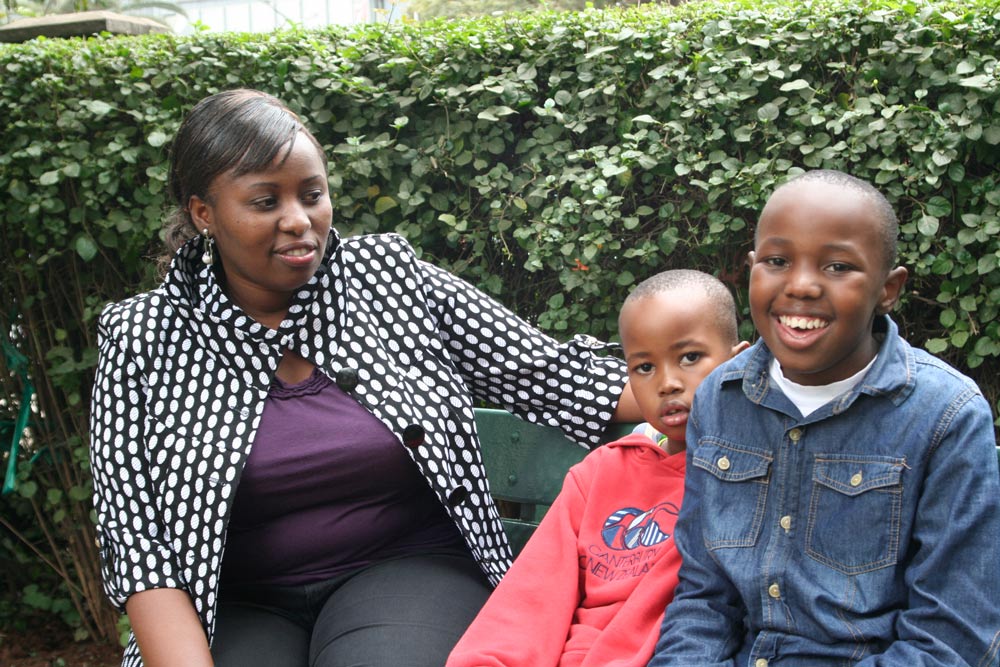
Esther with her sons.

Lesson #3: Acceptance

I have learnt to accept that Ian is my son, and that he is an autistic child with special needs. I can say for sure that being in denial is the worst thing that can happen, so the moment you just have to accept the circumstances you are in and learn to make the best of the situation, you are able to cope better. While it’s not easy, but it certainly is possible.  I would also say that if you’re finding it hard to deal with, then reach out to other parents who have gone through similar circumstances; we are here to help you. You are not alone.

Lesson #4: Understand the Circumstances

Your child might decide to pee anywhere due to his inability to express himself, or soil himself such as when travelling. Sometimes when my son gets sensory overload, he son screams while blocking his ears, regardless of where we are. I have learnt to understand him and ignore the crowd if we are in a public place, while dealing with the situation accordingly.

Lesson #5: Celebrate the Milestones

I have learnt to appreciate any little milestones or achievements that my son makes. For example the day he learnt how to go to the toilet by himself, to feed, bathe, brush his teeth, read and write some few words. These are such HUGE achievements and I celebrate each and every one of them!” -END 

Thank you Esther for sharing your experiences.

Related: How to Teach a Special Needs Child to Dress Themselves [VIDEO]

So those are some of the lessons that Esther has learned, and continues to learn. I hope you will find them helpful. You may also share with a fellow parent -it may be of help to them too.

See Previous Post: When to Stop Blending Your Baby’s Food

Here at Mummy Tales: Raising a Family in Africa, I like sharing inspirational stories of other women -experiences that we can all learn from. If you have an experience you’d like to share with other women, you can email me on maryanne@mummytales.com and I’ll be in touch with you. 

Thanks for reading. You may also connect with me on FACEBOOK l YOU TUBEINSTAGRAM l TWITTER

You may also be interested in reading the stories below:

“Other Parents Complained about my ‘Nuisance’ Son and Urged the Head Teacher to Expel Him” -Stella Mwaromo Shares Her Story

“Why it Took me Years to Realize that My Son Could Neither Speak nor Hear” -Regina Wanjiru

By this Age, you Should Stop Blending your Baby’s Food

0

Hi everyone and welcome back to Mummy Tales. One question that many moms with infants ask is – “When should I stop mashing/blending/pureeing my baby’s food? Another question they ask is – “When should I start adding salt to my baby’s food?

These are questions I asked myself too when I was transitioning my boys to solid foods. In this video, I speak to an infant and young child feeding counsellor who shares expert advice to these questions. Watch it below and in case you learn something new, please share it with your friends as they too could find the information helpful.

Thanks for watching.

Mummy Tales is a platform dedicated to empowering its readers on different aspects of maternal and newborn health, as well as various issues surrounding motherhood and women. Read more motherhood experiences of Kenyan moms here. Connect with Mummy Tales on: YOUTUBEFACEBOOK l INSTAGRAM l TWITTER 


Preeclampsia in Kenya: Why Couldn’t I Carry my Pregnancies to Term – Ruby Kimondo’s Story

0

What do the emotions of a mother who has delivered her baby prematurely look like? How does she feel, when she knows that her baby’s life is hanging by a thread? When she knows there might not be another day for her baby to see?

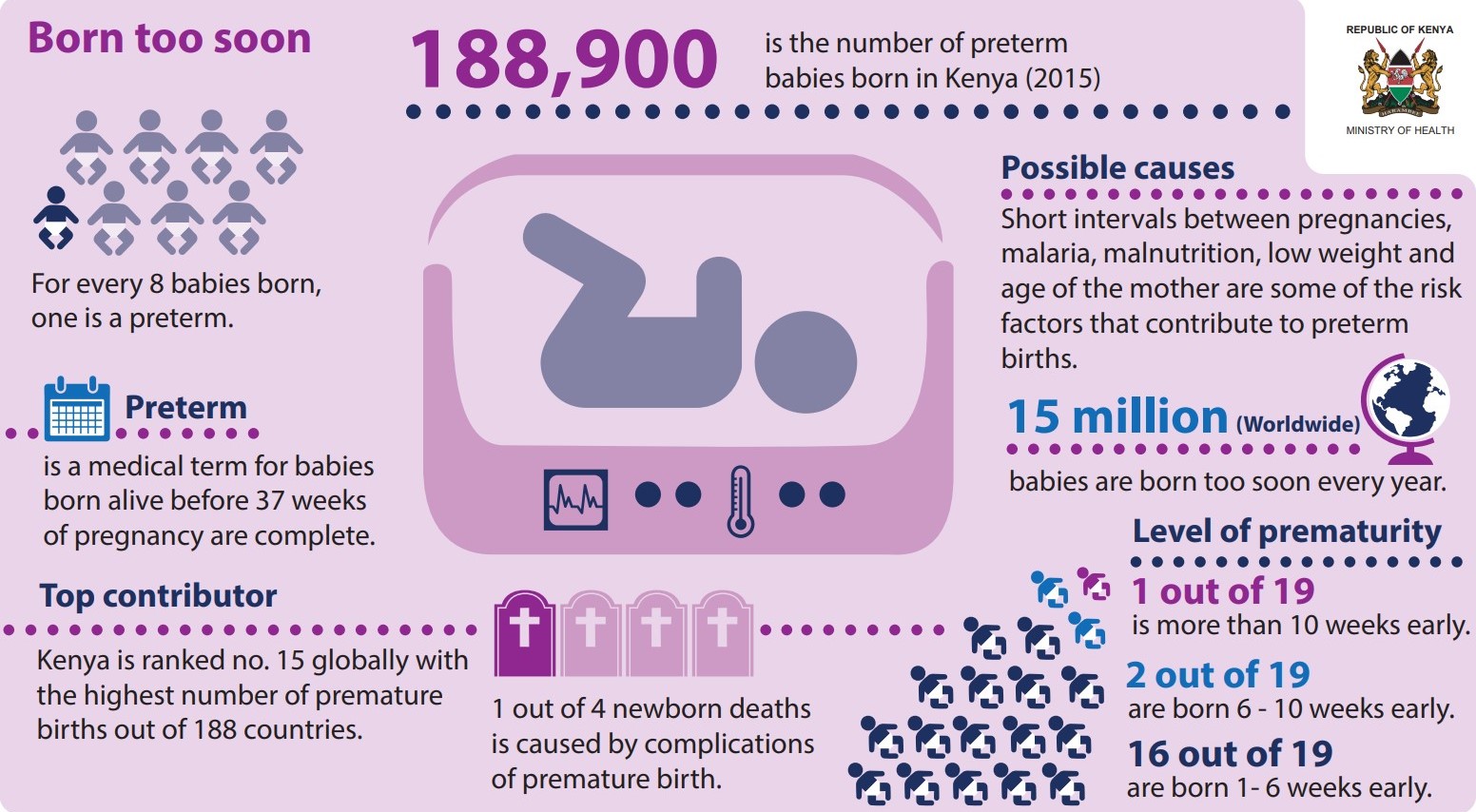
Ruby Kimondo is a mother of four boys, having delivered them at 28 weeks, 30 weeks, 38 weeks and 34 weeks. Ruby suffered from a dangerous pregnancy-related condition called preeclampsia all through her four pregnancies. Today on Mummy Tales, Ruby gives us insights into what she went through during those difficult moments, and how she is now helping other women who have undergone similar experiences.

Ruby Kimondo

Why Couldn’t I Carry my Pregnancies to Term?

“My preterm birth experiences were quite the challenge. With each birth, I was left with strong feelings of guilt and inadequacy. I wondered why I couldn’t carry my pregnancies to term and felt horrible about subjecting my babies to many painful medical procedures as they spent their first days of life in incubators at the Newborn ICU. This was even before I could cradle them in my arms.

Would my Babies be Alive the Next Day?

I remember facing dark moments where I was not sure if my babies would live to see the next day. During those times, I would grope in the dark, asking the doctors endless questions as I looked for slightest glimmer of hope that there would indeed be another day for my babies. Many times, that glimmer of hope was hard to find. I therefore lived through the uncertainty of not knowing what would happen next. I decided to take one step at a time and one day at a time.

See also: Mary Wanyoike’s inspiring video below

So I learned to let go, even love from a distance and just trust. I showed up for my babies every three hours, every day, for weeks on end. I went through the slow and steady process of accepting and learning to live through the challenging experiences that I could not run away from. And soon the prematurity storm passed with such indifference to my experience of it.

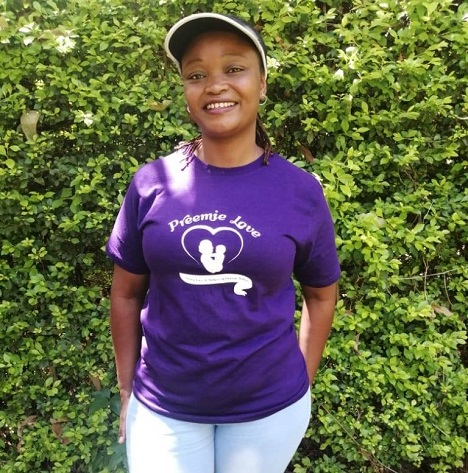
Preemie Love Foundation

I began talking about my preterm birth experiences and connecting with other mothers who had gone through similar experiences. This led to the formation of a support group for parents of preterm babies, called ‘Preemie Love Foundation’ in 2015. In it, we draw lessons from our collective experiences. Our activities include:

  • Provision of information and support for parents who have undergone the prematurity experience
  • Provision of mental health care to parents going through the prematurity experience
  • Provision of follow-up and guidance to parents after discharge from hospital
  • Creation of public awareness on prematurity issues

Preemie Love Foundation has created Peer Support Networks where parents can receive and give compassionate support to one another and receive information and practical suggestions for caring for their babies.


We use WhatsApp as our primary communication and information dissemination tool. We also have frequent physical meetings by active members  where we reach out to new mothers at Kenyatta National Hospital (KNH) Newborn Unit and other hospitals.” -END

Thank you Ruby for sharing your story. If you would like to join the Preemie Love support group, if you know of a mom who would benefit from the interaction, or if you’d like more information from Ruby, see her contact details below:

Email: kimondo.ruby@gmail.com

Facebook: Premie Love Foundation

Do you have an inspirational motherhood story that you’d like to share with other moms? You can write to me at maryanne@mummytales.com

Also Read Related Articles Below:

“I Delivered My Baby Prematurely: What I Went Through” – Lucy Ongaya

His Name was John: How I Survived Preeclampsia

Severe Menstrual Pain is not Normal -Faith Gichanga Osiro

0

If you’re a mother of a daughter or if you have a younger sister or niece who has already began her menses, do you talk to her about what’s normal or not regarding menstruation? Do you know if she experiences extremely painful cramps during her periods? It’s good to have these conversations with our young girls, as it could help establish any underlying health conditions there may be.

Today, I share a post by FAITH GICHANGA OSIRO, an endometriosis warrior, who shares her own experiences with painful periods.

“I am an endometriosis warrior. It’s sad that it took me 20 years to get a diagnosis. 20 years of putting up with excruciating pain that I was made to believe was normal -even by doctors.

I believed I was fragile since every other woman around me seemed to be carrying on with life normally. As a result, armed with a stash of pain medication, I pushed myself to attend classes, go to work, attend corporate meetings and social events. All this, even during times when I felt like several knives were stabbing me in my stomach.

Also Watch: Endometriosis and Infertility Link (Dr. Wanjiru Ndegwa)

Then there is the chronic fatigue that made me think maybe I was just lazy because I couldn’t explain it any other way. So I pushed myself more -with a demanding daytime job and night school. This I did for many years.

By the time it was the weekend, I was usually a wreck so I’d lock myself in from Friday until Sunday morning when I would leave for church, before getting right back to hibernation.

No other girl has to suffer in silence. Let us stop telling young girls that pain during periods is normal. Early diagnosis means better chances of getting the correct treatment.

The awareness also allows one to give themselves adequate self care like I do now, with rest being on top of that list. There is hope!”

Also Watch: Period Symptoms you Should Not Ignore

If you know of a woman who also undergoes severe pain during her periods -to the extent that she misses work or doesn’t attend school, then let her know about a support group called Endometriosis Foundation of Kenya, which can be reached on email: endometriosis254@gmail.com or +254770 659689.

Mummy Tales is an organization dedicated to empowering its readers on different aspects of womanhood and motherhood. Read more motherhood experiences of Kenyan moms here.

Follow Mummy Tales on: FACEBOOK l YOU TUBEINSTAGRAM l TWITTER

#EndoWarrior#EndometriosisAwarenessMonth #EndTheSilence #SpreadTheYellow#AskMeAboutEndo

The Day my Two-Month-Old Daughter Had a Urinary Tract Infection (UTI)

0
Photo: Mummy Tales File

What kind of mother allows her infant daughter to get a Urinary Tract Infection (UTI)? That is the question that Dorcas Nthenya asked herself over an over again. Dorcas will never forget the day one of her twin daughters contracted a UTI at the age of only two months. This is her story, as she shared it with me.

“It all began when my husband arrived home for the weekend (he works in Nairobi while we stay in Embu) and when he held one of our twin girls (then aged two months), he immediately asked me for how long she had been breathing that way.

I was confused and immediately asked him: “breathing how?” He responded by saying she was breathing heavily.

Upon touching her forehead, we realized she was very hot, and when we took her temperature, it was 39.1 degrees Celsius. And that was the beginning of my nightmare. We don’t have 24 hour clinics or chemists in our town but thank God we had some fever reliever suppositories in the house and we immediately inserted one into her. I couldn’t sleep a wink and we were up all night monitoring her. When morning finally arrived, we rushed her to the paediatrician.

Aren’t UTI’s for Adults Only?

Upon examining her, the doctor sent us to the lab for a malaria test and a stool test. Both results were negative. He then told us that she most likely was suffering from a Urinary Tract Infection (UTI). He sent us to the lab once again to have her urine tested.

While heading to the lab, I wondered how an infant could have a UTI, because I knew it was only adults who get it. In fact, I had had several UTIs when I was pregnant with my twins, but my doctor had calmed me down, telling me that the condition was common with twin pregnancies.

At the lab, I didn’t know that collecting a urine sample from my baby would be so difficult! We had to use a urine bag to try and collect the urine but five hours later, we still had nothing. Even after dressing her in diaper, she still didn’t urinate. We were so frustrated!

Worried about her Twin Sister

Meanwhile, her temperature remained high, with my husband very worried that she could convulse any time. Despite giving her paracetamol every two hours, her fever was not going down. I had long stopped wiping my tears and just let them flow, worried to death as I looked at the state my daughter was in. She was so low, wasn’t smiling, was just crying weakly, and each time she fed, she vomited it all.

At the same time, I was equally worried about her twin sister as during those moments, I wasn’t able to breastfeed her as much as I would have wanted to. She wasn’t receiving much-needed attention from me.

The Diagnosis that Broke my Heart

Finally, after a very long wait, she finally passed a few drops of urine and when it was tested, the results were positive for a UTI. Even though the paediatrician had hinted at us that this could be the problem, the confirmation that my little baby girl had a UTI shattered my heart.

I couldn’t help but think I had failed in my job as a mother because, what kind of mother could let her newborn have a UTI? Had I not been changing her diapers carefully? Even worse, I now noticed that her crying had been weak all along yet I hadn’t noticed this. I hadn’t also noticed the fever. I berated myself for being a bad mother. I felt so horrible!

The paediatrician put her on antibiotics -oral drugs together with injections for five days because the infection was severe. Meanwhile, the fever went on for three more days.

My Mother, my Friend

At some point we even considered travelling to Nairobi for advanced treatment, but my dilemma was leaving her twin sister behind. But I decided I had to travel if my baby was to regain her health. So I called my mother all the way from Athi River to come over to our place in Embu and stay with the househelp while I was away in Nairobi getting treatment for the baby. Without any hesitation, my mother agreed.

But as she was finalizing her travel plans, God worked a miracle and my baby’s fever started going down. I then decided not to travel to Nairobi as I saw she was getting better. Thankfully, in a few days, she regained her health.

Look out for Warning Signs

I must say that it was a traumatizing time of my life, and I wouldn’t want any mother to ever have to go through this. This is why I decided to share my story with other moms on Mummy Tales. This is my advice to mothers, especially those with daughters as they are more prone to UTI’s than boys are:

  • To prevent UTIs which mostly occur in baby girls, make sure her diaper is changed immediately she poops.
  • Use a clean cloth or cotton wool and warm soapy water to clean her completely. This is because the stool can lead to bacterial infections which can cause the UTI.
  • Talk to your house girl about the need to thoroughly cleaning the baby when putting on a fresh diaper/nappy. Show her how to do it. I did this with my house girl and I thank God neither of the twins have had a UTI ever since. My twin daughters turned 1 year old last week.”

Thanks Dorcas for sharing your story, and for the information you’ve provided. You can read more about UTI’s in children here.

Have you found this story helpful? If you have gained some information, then feel free to share it with other moms as it could help them too. And if, just like Dorcas you have a motherhood experience or advice you would like to share with fellow mothers, write to me at maryanne@mummytales.com

You may Also Like to Read the Article Below

Baby Born with a Cleft Lip in Kenya: Elizabeth’s Story

Mummy Tales is a platform dedicated to empowering its readers on different aspects of maternal and newborn health, as well as various issues surrounding motherhood and women. Read more motherhood experiences of Kenyan moms here. Connect with Mummy Tales on: YOUTUBEFACEBOOK l INSTAGRAM l TWITTER 

How Endometriosis Affects Fertility -Dr. Wanjiru Ndegwa-Njuguna

0

Hi friends! Now, you’ve probably have heard that women with extremely painful periods (endometriosis) face serious challenges trying to get pregnant. Because for sure, endometriosis affects a woman’s ability to get pregnant. How so? In this video that I have prepared, a Fertility Specialist Dr. Wanjiru Ndegwa-Njuguna explains, in brief, how endometriosis affects fertility. Please watch and share this information with your friends, colleagues and relatives. See video below.

Click on this link to read more women’s stories on endometriosis that I have written about.

Mummy Tales is a platform dedicated to empowering its readers on different aspects of maternal and newborn health, as well as various issues surrounding motherhood and women. Read more motherhood experiences of Kenyan moms here. Connect with Mummy Tales on: YOUTUBEFACEBOOK l INSTAGRAM l TWITTER 

Motherhood in Kenya: Why I Quit my Job to Become a Stay-at-Home-Mom

0
Betty, with one of her sons.

Working moms, have you ever thought of quitting your job to become a stay-at-home mom? If yes, what holds you back from making that decision? And if you did indeed make the decision, what has your experience been like? Well, today on Mummy Tales, we hear from BETTY ACHIENG, a mother of two who made the decision to stay at home and raise her children. Read her story.

“Growing up, my dream had always been to be a stay home mom so when I found out I was pregnant, I knew that dream would be real one day. Fortunately, my contract with the engineering company I was working in as a civil engineer ended just weeks to my due date.

After giving birth, at 26 years of age, I never bothered to look for an 8am-5pm job again. I felt a sense of peace as finally, I could say I was where I wanted to be.

Life as a Stay-at-Home-Mom

Not long after, we were blessed with our second son. I didn’t have any house help or nanny so I did everything around the house, except for days when I would get a ‘mama fua’ at least once a month. I must say there were days when I felt lonely and depressed because handling two kids below two years of age all day long and come evening, I had to be a wife wasn’t easy.

So that entire journey was a bit hard but since I had to be strong, I sucked it in. But the experience somewhat drained me because I stopped taking care of how I looked.

And somehow, I become so insecure.

At some point, I felt I needed to go back to work and make something of my life. In that season I felt so less of myself -I was a mother but deep inside I felt empty and lost.

So when an opportunity to get back to work arose, I ran with it.

I returned to employment after 2 years and 6 months of being a stay-at-home-mom. I got a job as a Personal Assistant to an Ophthalmic Medical Director.

I however didn’t know that this place I was running from (being a stay home mom) was where I belonged; where my purpose lay and where I get to be the woman God created me to be.

Becoming a Stay-at-Home-Mom Again

Barely four months into my new job, I resigned. This is because I felt that the sacrifice I was making was not worth it.

My children were most active during the day between 8am-3pm and yet those are the hours that I was away at work. Being away that time was not a sacrifice worth taking, so my husband and I agreed that it was better for me to stay at home. In addition, as a family, our desire has always been to raise our kids with Godly values, and we agreed that I was better placed to handle that.

Lessons I’m Learning as a Stay-at-Home-Mom

  • There are days when you will feel lonely, when being out of the house will feel great. During such moments, get time to go out, get a baby sitter and just take a break
  • Motherhood is a job too and it takes one’s time and energy. It is also a life school where you learn new things each day
  • Lastly, pray as much as you can. As women we are life-givers, do speak life to your kids, to your marriage (if you are married) and pray for strength daily.” -END

And that’s Betty’s story. You can read more of her writing on her blog here. Would you like to share your story as well, if you’re a stay-at-home mom? Or if you deep down in your heart desire to become a stay-at-home mom but you can’t? What holds you back? You can send me your story on maryanne@mummytales.com

You may connect with Mummy Tales on the following platforms: YOUTUBEFACEBOOK l INSTAGRAM l TWITTER 

“It Took Almost 9 years to Discover what was Ailing Me” -Elsie Wandera

0

Hi friends, today I’m re-sharing the sentiments of one of my friends – Elsie Wandera, who I have previously written about here. Read her message below.

“Hi, my name is Elsie Wandera-Odhiambo and I’m the Founder of the Endometriosis Foundation of Kenya. I’ve had 3 surgeries to-date since I was first diagnosed with #Endometriosis. I remember I was 26 years-old and it took almost 9 years to discover what was ailing me and give it a name.

Read: “Severe Pain has Been my Normal for 20 Years”- Elsie Wandera’s Story

It always felt, and still feels like a punishment going through the hormone therapy, the pain medication every month. The first 8 months of my marriage has not been easy but I thank God for a supportive husband.

I think the worst is having to explain my condition to everyone to understand or even believe me. In 2014, I chose to #EndTheSilence and ensure my story was heard and represent the Kenyan women who suffer in silence. The Endometriosis Foundation of Kenya (EFK) was born through my pain… I say it’s all worth it because one day someone will find a cure and in the process I know many women feel that they are not alone as they read the other stories from the women in our support group.

I encourage women to share their endometriosis journey and use the hashtags #1in10 #SpreadTheYellow #EndTheSilence 

Connect with Mummy Tales on: YOUTUBEFACEBOOK l INSTAGRAM l TWITTER 

House Helps in Kenya: I Offered to Educate our House Help, but it Didn’t Go as Expected

0

Hi friends! So there’s a time I asked this question on my Twitter (@MummyTales):

“Would you assist your house girl to pursue her studies?”

Let me pick out one of the responses that was shared by one mom. She said:

“The time I offered to educate our house girl was right after I undergone a difficult experience; my second miscarriage. We had employed her so that she would help me with the house chores as my pregnancy grew, and so that she could also help after baby came. But now with the sad loss of my pregnancy, we really didn’t need her services anymore -as such.

Since we didn’t want to leave her ‘just like that’, we asked her if she wanted to go back to school.

She said yes.

She had not proceeded beyond primary school after she sat for her KCPE. So, based on what she informed us were her KCPE marks, we then called in a few favors and got her a place in a secondary school.

Assured of a spot in the school, we then asked her to return home (shaggz) to fetch her documents which were needed for her registration and admission into the new school.

We thought all was going well.

But apparently not.

To cut the long story short, we discovered that she had lied about her KCPE results. Her grades were not what she had told us. In disbelief, we even called KNEC to confirm.

Also, it turns out that she had lied to us that she wanted to return to school. She wasn’t interested in pursuing her studies at all.

In fact, we came to discover that she had told us other lies about so many other issues.

We just had to let her go.

What we Learned from this Experience  

What I can say is that unless someone wants to do something, you cannot force it on them. In this case, we thought it would have been a good idea for the girl to pursue her studies (because we understand the value of education) but evidently, she didn’t share the same thoughts. We weren’t on the same page.

Her going back to school was what we thought was good for her, but she didn’t want it for herself.

What I would advise moms who would wish to assist their house girls pursue an education is that the idea has to come from the girl herself. She has to want it. When the thought is from her, the desire to learn and excel will be there and she will do whatever it takes to achieve her goal. She will find time to balance between working in your home, going to school and studying. I’ve seen other house girls do this with the help of supportive employers, and it all worked well for all.” END.

You may also be interested in the story of Martha who has had the same house girl for 13 years. What has she been doing right? She shares it all in the video below:


And that is this mom’s experience. How about you? Have you had such an experience? How did that go? Or would you offer your house girl that opportunity? Share in the comments section below, we would to hear from you.

Connect with Mummy Tales on: YOUTUBEFACEBOOK l INSTAGRAM l TWITTER 

How to Cook a Tasty Ndengu (Green Grams) Stew

0

Hello friends, today we’ll get into the kitchen, and the person taking us to the kitchen is my fellow writer, mom and friend -Tricia Wanjala. Tricia is also a natural hair enthusiast – you may know her from the group ‘Tricia’s Naturals’ on Facebook. And she’s a great cook too! So today, Tricia, a mother of one, shares this tasty Ndengu stew recipe with us. Take notes and give it a try ?. And if you too have a recipe you’d like to share with other readers, you can email it to me: maryanne@mummytales.com

 Ingredients

  • Ndengu 1 small bag
  • 3 large onions finely chopped
  • 5 cloves garlic
  • 1 finger ginger
  • Cooking oil
  • 5 tomatoes
  • 1 tsp tomato paste
  • 1 medium sized carrot (optional)
  • Chicken stock cube (optional)
  • 1 cup coconut milk
  • 2 tbsp curry powder
  • 1/2 tsp Thai fish sauce (optional)
  • Dhania

Method 

  • Soak the ndengu for minimum 1 hour, then boil until very soft. Discard any remaining water
  • Fry onions until caramelized (medium brown)
  • Add ginger and garlic
  • Add finely grated/mashed tomatoes
  • After tomatoes begin to turn dark red, add finely grated carrot
  • Once carrot is soft and the tomato mixture is done, add in coconut milk and seasoning/cube
  • Stir well and add the well drained ndengu
  • Stir and cook until well-coated with the sauce
  • When it starts to stick a little, add in boiling water until it reaches your desired thickness
  • Simmer for a few more minutes and add finely chopped dhania/parsley
  • Check seasoning and serve.
Tricia Wanjala

So that’s Tricia’s (pictured) tasty ndengu stew recipe – I hope you’ll get to try it out. What will you accompany the ndengu stew with?

Also Read: How to Make Omena

In my house, one of the favorite accompaniment for ndengu stew is chapati’s. We all love that combination. Rice also is a good accompaniment.

I know there are some people who love having ndengu with ugali, and I recently discovered that some people love their ndengu with spaghetti! 🙂

Also see interesting videos below:

Mummy Tales is all about empowering readers on different aspects of maternal and newborn health, as well as various issues surrounding motherhood and women. Read more motherhood experiences of Kenyan moms here. Connect with Mummy Tales on: YOUTUBEFACEBOOK l INSTAGRAM l TWITTER 

Advertisement

POPULAR POSTS

error: Not Allowed