



Home Blog Page 10

Disability advocates stress the need for change to ensure decent, inclusive work
0

In late May 2022, the International Disability Alliance (IDA), in partnership with the African Disability Forum (ADF), the Inclusive Futures consortium, and the United Disabled Persons of Kenya (UDPK), hosted a workshop in Nairobi, Kenya, that brought together persons with disabilities, international NGOs, governments, donors and private sector partners to discuss what is needed to equalize access to employment for persons with disabilities in the open labor market.

The workshop was organized in the backdrop of the Inclusive Futures employment program coming to an end in June. This is a 3-year UK Aid funded program that focused on how people with disabilities can have enhanced access to and be better included in formal waged employment. The sessions, reflective in nature, had participants sharing how various interventions had worked to support systemic change in the labor market, which made it more inclusive for workers with disabilities.

“Placing individuals with disabilities into jobs does not create sustainable inclusive employment, so what else should be done?” was a key question addressed.

Discussions following from this revolved around how inclusive employment has to consider holistic transformation processes of employment as a system: recruitment processes that address barriers faced by persons with disabilities, workplaces that are accessible, employers that understand the added value of diversity in the workplace and promote positive attitudes, career development strategies and support for jobseekers with disabilities, as well as supportive employment laws and policies informed by data.

“Retrofitting jobs that were not designed to be inclusive does not work. You need to think about jobs being inclusive from scratch, especially for underrepresented groups of persons with disabilities,” said Kimber Bialik, the Director of Programs and Network Development with Inclusion International.

Central to the discussion was the question of how all groups of persons with disabilities can access the open labor market and the recognition from participants that many groups of persons with disabilities are out of decent work. Underrepresented groups face even greater marginalization and exploitation at work.

For example, a study by Down Syndrome International in Bangladesh showed that employees with intellectual disabilities were sometimes paid less than 25% of the wage of a person without an intellectual disability, doing the same job.

In Kenya and Nigeria, a study by Inclusion International showed that some people with intellectual disabilities are only being paid 1/10th of the standard wage. In addition, persons with disabilities often face segregated work settings where they are employed separately from others, sometimes with exemptions from labor standards and not adhering to minimum wage requirements.

“Persons with deafblindness are not aware of the existence of job opportunities on the market because jobs are being advertised in inaccessible formats. In Uganda, no jobs are advertised in an accessible manner, people use radio or billboards which are inaccessible, therefore we don’t know about opportunities,” said Agnes Abukito, a woman with deafblindness who had carried out a study on the status of persons with deafblindness in the open labor market.

To challenge this situation, participants exchanged learning and good practices to work on the whole employment system and transform practices, addressing the missing link between employers and jobseekers, and ensuring rights-based approaches for persons with disabilities to access the job they want and get paid a fair wage.

“To organizations that are thinking about inclusive employment, we will say learning starts from where you are. Don’t look at others and be discouraged, just take the first step and hire that one person with a disability. It is a journey and to be successful you will need to have leadership buy-in, in order to get the right resources and support,” said Tabie Kioko, Senior Manager of Diversity and Inclusion at Safaricom PLC.

The Inclusive Futures employment program mobilized the private sector as allies in this direction. Industry leaders in different countries are now committing to support this urgent call to ensure workplaces are inclusive of persons with disabilities. Through Business and Disability Networks established as national platforms convening businesses, OPDs and other development partners, a growing number of private companies, are leading the way.

“Unilever, Safaricom, and Coca Cola are partners who made commitments to become disability-inclusive, which can now motivate other employers to become disability inclusive,” said Betty Najjemba, the ADF Organizations of Persons with Disabilities Engagement Officer.

Inclusive Futures employment program is a consortium of 11 organizations and implemented in four countries – Bangladesh, Kenya, Nigeria, and Uganda. IW engaged a wide group of stakeholders to test models of inclusive employment practice and generate robust evidence and data which can be used to influence change at a national, regional, and global level.

The program approached the supply side by doing job training, so that job seekers had skills and confidence and approached the demand side by working with employers to support capacity and commitment for inclusion in the workplace. The program also worked with governments, civil society, and Organizations of Persons with Disabilities to strengthen the collaboration.

Lianna Jones, the Program Manager of Inclusive Futures employment program at Sightsavers, noted that the program has worked with more than 2,300 jobseekers with disabilities and that 22% of these jobseekers have succeeded in finding jobs.

“The [Inclusive Futures employment program] is coming to an end but has been an important and successful program and we have to look at the way forward. Keep holding the system accountable. Africa is large, 54 countries and we worked only in four. Unemployment rates of persons with disabilities are high in many countries. So, for us, the [Inclusive Futures employment program] is a small component of a broader approach to improve our lives, alongside social protection, cash transfers, self-employment, access to microcredit,” said Shuaib Chalklen, Executive Director of ADF.

How our Daughter Died

0

This is the story of Miranda, an eight-year-old girl who died suddenly while playing with her brother and cousin. The narration below has been written by Miranda’s father and shared with me by her mother, Njeri Orora. Miranda’s parents are sharing this story to create awareness about the condition that led to the sad demise of their daughter.

If you have a story you’d like to share, email me at maryanne@mummytales.com

“Miranda was born in 2013 and had been healthy all through. However, in 2021, she collapsed in school. The school nurse called and informed us of it. She asked us to take Miranda to hospital where we saw a paediatrician who checked her and told us she was fine.

Miranda fainted again after some time but this time we didn’t take her to hospital.

In July 2021, we moved to Bungoma where she joined a school and started classes. After a few weeks, she fainted in school and we were called. We rushed there and found she had already come round. We took her to hospital and the doctor told us to observe her for a while.

When she fainted again after about two weeks, we took her back. This time the doctor asked us to do some tests. We went to Kisumu and the tests were done. They all showed she was okay.

She again fainted for the third time. We went back to hospital but did not get the paediatrician. The doctor we found prescribed an epilepsy drug. I asked my wife Njeri to pass by a different hospital and see a paediatrician. The paediatrician ruled out epilepsy and asked us not to give it to Miranda.

What was triggering Miranda’s episodes?

When she collapsed three days later, we were advised by a doctor to take her to a paediatric neurologist. We went to see one in Nairobi who performed some tests and ruled out epilepsy. He however could not figure out what was troubling her, so he asked us to go again after one month.

She fainted once in that period, and we noted down all information we could gather on how it happened. Miranda had never collapsed at home, so we did not know for sure what happened during the fainting episodes.

When we went back, the doctor again did some tests and told us he could not find anything wrong with her. His advice was that there had to be a trigger, so we needed to find out what that was and then mitigate it. Thankfully, the episodes went away and did not recur.

Birthday party

Schools closed on 4th March 2022 for a long holiday to allow final year candidates in primary and secondary schools to sit national examinations. The children had missed their grandmother very much and we took them to Kitale over the weekend.

Our son’s fifth birthday fell on 19th March and he had asked us to hold two birthday parties for him: one in Kitale and one in Bungoma. He however changed his mind and decided he would not be coming back to Bungoma.

Njeri travelled to Kitale that week while I travelled on 19th March. We bought a birthday cake and took the children out to a local hotel. They spent the afternoon swimming and jumping on a bouncing castle. Miranda in particular enjoyed the swimming bit. She was not a good swimmer but what she lacked in skills, she more than compensated for with enthusiasm. We had to drag her out of the swimming pool. She went to the changing room and spent a long time. Njeri went to check on her and found her just staring at the older girls. We had lunch where they all asked for their favourite dishes. It was generally a day spent having fun.

In the evening we went back home, danced and cut the birthday cake. That night Miranda slept with her mum. They talked late into the night.

The last goodbye wave

In the morning, we all woke up and had breakfast. Njeri and I left Kitale for Bungoma at around 11am. The kids were all watching television as we left. Miranda was so engrossed that she didn’t reply to our goodbyes. We had to call out to her again and she dismissed us with a wave and a shouted goodbye. This was unlike her, usually she would escort us to the gate and sometimes hitch a ride to the main road first, but we didn’t read too much into it.

On the way back we discussed how her health had changed and we agreed it must have been the change in climate. We got to Bungoma some minutes after midday. After a few chores in the house, we left for town.

The shattering phone call

At around 6pm I received a call from Kitale. I handed over the phone to Njeri since I assumed she was unreachable on her phone and the caller was looking for her. The caller was her mum and she asked what we do when Miranda faints.

Njeri explained and asked for details of what had happened. After a few calls we were asked to immediately go to Kitale. We left without even paying our bill, jumped into the car and drove off. Luckily, I had fuelled earlier in the day and did not need to stop anywhere.

On the way, Njeri kept calling different people asking them how Miranda was.

Just as we got to Sikhendu, she called a family friend who informed her that Miranda had passed away.

We stopped at the bus stop to compose ourselves then drove off. We got to hospital and found her lying dead on a bed in a consultation room. Later we were told what happened.

Miranda was playing hide and seek with her brother and cousin. Muthoni, Njeri’s sister was in the main house when the two boys came calling her that Miranda had fainted. It is Cruz who had found Miranda. Muthoni rushed to where she was and tried resuscitating her. She then called a neighbour to come and assist her. When she saw that Miranda was not responding, she carried her and rushed her to hospital.

The postmortem

At the first hospital, she was told Miranda had no pulse. Not believing it, she took her to a second hospital where she was told Miranda had passed away. She still didn’t believe it and again took off. At the gate she met her mum who put them in a car and they drove off to a third hospital. Here again she was told Miranda had passed away.

We could not understand what had happened. A child that we had left healthy and full of life at 11am was dead by evening. We started making funeral arrangements and booked an appointment for a post-mortem.
Cause of Miranda’s sudden death

The report indicated cause of death as ‘sudden cardiac death secondary to hypertrophic cardiomyopathy.’ In her case, the left ventricle had thickened, and her heart was unable to keep up with her body’s requirements. All the time we were checking to see if her neurons had an issue, it was actually her heart that had an issue.”

Njeri adds on to her husband’s narration by saying:

“If you know of any parent, whose kid might have fainted or convulsed and their kid’s electroencephalogram (EEG) is normal, kindly ask them to visit a cardiologist for an electrocardiogram (ECG) test. (EEG is a test that measures electrical activity in the brain using small, metal discs (electrodes) attached to the scalp. An ECG on the other hand records the electrical signals in the heart. It’s a common and painless test used to quickly detect heart problems and monitor the heart’s health).

When you see a kid faint at school and nothing is detected by a neurologist, kindly visit a cardiologist. This heart condition hypertrophic cardiomyopathy is mostly confused with epilepsy, anxiety and hysteria. No parent should go through what we are going through.”

Thank you, Baba and Mama Miranda, for sharing your story. We wish the Orora family God’s strength and comfort during this difficult time, and thank them for telling their story, which is helping raise awareness about the condition.

Also Read: I Lost my Baby at 37 Weeks Pregnant. This is What Happened” –June Mbithe Muli’s Story

If you have a story you’d like to share, email me at maryanne@mummytales.com

Mummy Tales is a platform dedicated to empowering its readers on different aspects of womanhood and motherhood. Read more motherhood experiences of Kenyan moms hereConnect with Mummy Tales on: FACEBOOK l YOU TUBE l INSTAGRAM l TWITTER

From House Help to University Graduate: Muthoni Ogutu’s Story

0

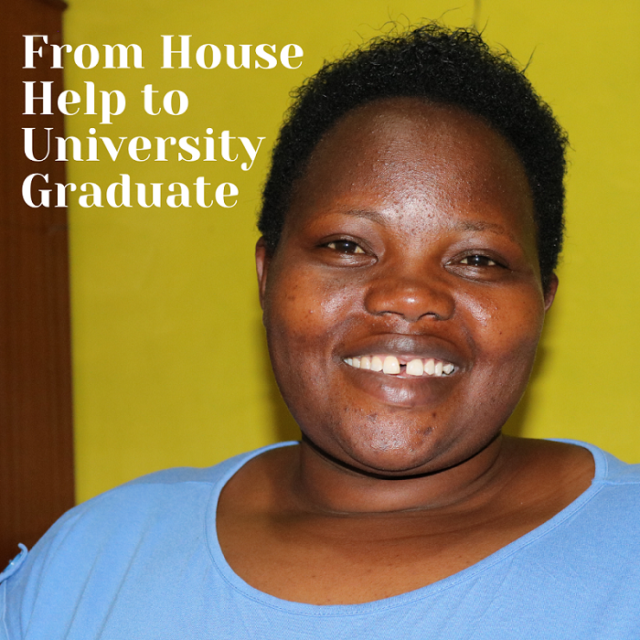
Salome Muthoni Ogutu became a house girl at the tender age of 15 years. After meeting her boyfriend (now husband) who was working as a watchman then, together they grew, and he supporter her academic ambitions. He too is currently pursuing his PhD! Watch Salome tell her inspiring story of hope and determination. Watch her story below or on You Tube here.

In case you’d like to get in touch with her, Salome can be reached on salomewahito@gmail.com 

Do you have a motherhood experience you’d like to share? Email me at: maryanne@mummytales.com

Mummy Tales is a platform dedicated to empowering its readers on different aspects of womanhood and motherhood. Read more motherhood experiences of Kenyan moms here. Connect with Mummy Tales on: FACEBOOK l YOU TUBEINSTAGRAM l TWITTER

The curious case of the ‘midnight lovers’

0
#WomenwithDisabilities
Belinda Adhiambo.

By Maryanne W. Waweru

A few days ago I met Belinda Adhiambo, a mother of one. Her son is three-months old. Belinda has a physical disability; she is an amputee. Belinda lost her leg at the age of three years when she was involved in a road accident. Her leg had to be amputated. You can read her story here: The pregnancy and childbirth experience of an amputee woman in Kenya.

During our conversation, Belinda mentioned something that piqued my interest.

A few years ago, as Belinda interacted with fellow women with disability in Kibera, where she grew up, something interesting dawned on her.

Belinda realized that most women with disability, who were mothers, never got married. They never seemed to have partners. Most were single mothers. She wondered why. To understand the issue better, Belinda decided to hold a community dialogue where she brought together other women with disabilities to discuss issues around their sexual reproductive health.

Among the things that Belinda found out during this dialogue was that many of the women were in relationships. Because women with disability also have feelings and desires, something that society doesn’t seem to be comfortable with. Many people assume that people with disability have no sexual feelings, have no desire for intimacy, and should not have children or start their own families.

Now, what Belinda established is that for many of these women in relationships, their male partners would come into their houses in the dead of night –at around 1am. They would then have sex with them, before sneaking out at about 3am. Two hours of passionate rendezvous. Belinda labelled these men the ‘midnight lovers’. These are men who are in relationships with women with disability, but can never be seen with them during the day. They are kept as a little secret.

At least someone desires me

Belinda noted that the women would entertain the ‘midnight lovers’ because they felt that they did not have a choice.

“Like who will love me with this condition of mine? Like shouldn’t I just be grateful that at least someone desires me, even if it’s in the cover of darkness? Isn’t that better than nothing?”

From the dialogue, Belinda established that most men are afraid to come out openly with lovers who are disabled. It’s embarrassing. It doesn’t fit right with society. What will their family members say? Their friends? It’s not something they are prepared to deal with. So they would rather keep it discreet and meet their lovers clandestinely. They prefer to keep them as their little secret; the one that nobody ever has to know about.

Now, unfortunately, by the time the women are realizing what’s going on, they have two, three, four children. Sometimes, the children have different fathers.

Their midnight lovers of course have their own girlfriends and wives whom they are proudly seen with during the day. At night, they continue coming to see them. The women with disability are left holding the short end of the stick. Used, denied and unsupported by their midnight lovers…

The good thing is that nowadays, Belinda says there are increasing empowerment programs for women with disability that educate them on their rights, including those pertaining to their sexual reproductive health. Programs that educate them on protected and safe sex, and the need for them to use contraceptives so that they can have children when and if they want them. Their exposure to these empowerment engagements are enabling them make more informed decisions about their sexual activities. However, she says a lot more still needs to be done. I will continue writing about this #WomenwithDisabilities topic, so keep following this blog and on my social media pages as well.

If you are a woman with disability, or know a woman with disability who would like to share their/your pregnancy and childbirth experience, please reach out to me on wawerumw@gmail.com

What are your thoughts about Belinda’s observations? Had you known about it? Please share in the comments section below.

Mummy Tales by Maryanne W. Waweru is a platform dedicated to empowering its readers on different aspects of womanhood and motherhood. Read more motherhood experiences of Kenyan moms here. Connect with Mummy Tales on: FACEBOOK l YOU TUBEINSTAGRAM l TWITTER

Also read: Maternity Care Experiences of Women with Disabilities in Kenya

Maternity Care Experiences of Women with Disabilities in Kenya

Maternity Care Experiences of Women with Disabilities in Kenya

0

Let’s talk about women with disability today. What are their pregnancy and childbirth experiences? You see, I have always been curious to find this out, and how I have always intended to do so is by talking to different women with disability and documenting their stories. This has been on my mind for years, but for some reason, I have never gotten round to doing so.

Until now.

I am now on a quest to document the pregnancy and childbirth experiences of women with disability. You see, 10% of women with disabilities are of childbearing age. Unfortunately though, many women with disabilities are assumed to be sexually inactive, and therefore unlikely to have children. Which is a false assumption. Women with disability are not asexual; they have feelings and desires. They are sexually active and their experiences are significant, if the healthcare system is to offer them quality services. Their stories therefore need to be told, and I am here to do that 🙂

So, I will talk to women with different types of disability and seek their experiences regarding their access to antenatal, labor, birth and postnatal care services in health facilities or otherwise. Are there aspects of this care they they would like to see done differently? What are their stories, their experiences?

A few days ago, I decided, as one of my first steps in this journey, to talk to Judy Kihumba. Judy is a sign language interpreter, and an advocate of maternal mental health and wellness of deaf mothers. Judy is also the founder of the organization Talking Hands, Listening Eyes on PPD (THLEP), which she started with the aim of addressing the maternal health issues of deaf mums and breaking the silence on postpartum depression (PPD).

My discussion with Judy about the pregnancy and childbirth experiences of women with disability helped me gain invaluable insights as I begin my journey of documenting the pregnancy and childbirth experiences of women with disability.

Judy will link me up with deaf moms, who I will talk to and learn more about their experiences. I will be sure to share their stories here on Mummy Tales.

For now, I would like to ask that if you are, or know of a woman with disability who is pregnant or who has given birth within the last year and would be willing to share their experiences, kindly connect me to them.

I’m reachable on maryanne@mummytales.com

Let’s tell these stories together.

Mummy Tales is a platform dedicated to empowering its readers on different aspects of womanhood and motherhood. Read more motherhood experiences of Kenyan moms here. Connect with Mummy Tales on: FACEBOOK l YOU TUBEINSTAGRAM l TWITTER

Pregnant over the age of 40: a Kenyan baby shower I attended

2
baby-showerKenya

Last Saturday, I attended a baby shower. It was such a special event for me, in many ways.

First, the last time I attended a baby shower was donkey years ago. It’s like all my friends and I all stopped giving birth because, age. I felt so good being in the company of my close friends again because wow! We have really missed these kinds of functions.

Second, the expectant mom is a first-time-mom. At 43! Absolutely amazing! Ehh, when I tell you this was such a great baby shower, believe me it was because all of us there, her friends, were aged 42 – 43. Mumamaz ?. This is a baby we have waited for and prayed for, you can only imagine the excitement that comes with that.

Third, si we danced! And sang! And kigoco’d! And played games. And reminisced on our good old days of youth. When we were invincible, indomitable, indestructible and all that. We laughed so much until you could see the little tongues behind our throats. But life has a way of mellowing one down. Nowadays, my idea of having a good time is napping on the couch, novel in hand. I couldn’t be bothered to lift these weary bones to take them anywhere.

But the bones gladly lifted themselves for this baby shower. We all let our hair down and danced ourselves sore. We made lots of merry, singing and yelling ‘wapi nduruuuu’ until our throats hurt. We truly had a blast.

Your guess is as good as mine on how the following day was like. We slept in all day, our heads pounding and muscles aching, unable to move. But si ni life?

Anyway, the point of my article today is not about the fun that my girls and I had. Though we did have lots of it. The point of this article is to let you know that you can still conceive naturally after 40 years, and that it can be a smooth pregnancy. For those women and couples who are trying to conceive, don’t despair. Receive your blessing in Jesus’ name.

Congratulations my friend. We bless this child. We are here to support you. And we love you lots!

Have you had a baby after 40? How was your experience? Would you like to share it? You can email me on maryanne@mummytales.com

Mummy Tales is a platform dedicated to empowering its readers on different aspects of womanhood and motherhood. Read more motherhood experiences of Kenyan moms here. Connect with Mummy Tales on: FACEBOOK l YOU TUBEINSTAGRAM l TWITTER

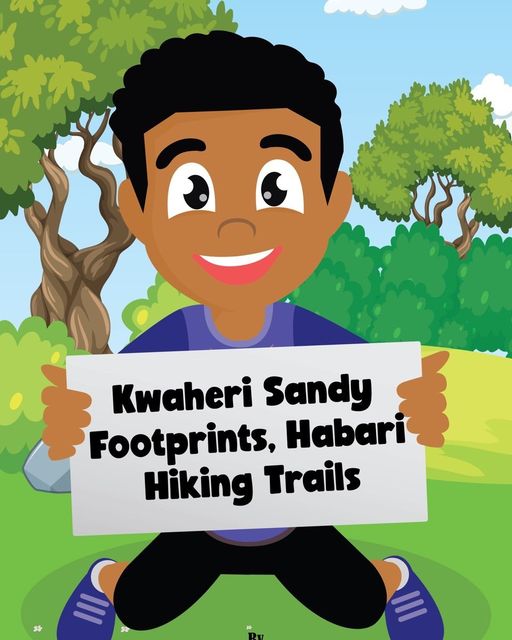
“Kwaheri Sandy Footprints, Habari Hiking Trails” a new children’s storybook by Deborah Nabubwaya Chambers

0
Deborah-Nabubwaya-Chambers
Hi friends! Today, I’m really excited to share information about a new children’s book that has been authored by my dear sis-in-law Nabubwaya, who, if you’ve been following this blog for a while, you’ll have already met her through her motherhood experiences here.
Nabubwaya, who is based in the US, has authored her first book titled: “Kwaheri Sandy Footprints, Habari Hiking Trails” . The colouful and well-illustrated book is about a boy called Likizo, who was born into a biracial family and enjoys sharing his love for exotic foods and adventures with his friends.
The synopsis is as below:
One day, Likizo learns from his father that his family would be relocating from sunny California to a small city in Ohio due to work obligations during the ongoing COVID-19 pandemic.
Likizo was scared to move far away to start a new life, unsure of what the future would hold for his family. The unforeseen future did not seem that exciting especially since it meant that new changes would disrupt his preferred routine.
Would things ever be the same in the new town? Would his new friends in Ohio want to learn more about Africa, his mama’s original homeland? Would they enjoy his mama’s African delicacies cooked with so much love and warmth? Will he fit in a small town and make good friends?
The themes represented in this book include friendship, diversity, inclusivity, kindness, value, family, acceptance, generosity, persistence, and growing up. See the world through the eyes of Likizo, an eight-year-old boy. This story shows the value of facing the big, scary steps that families are making during the COVID-19 pandemic. It’s about celebrating our good friends and family even when they are far away.
Reading age: 3 – 12 years
Number of pages: 41
“Kwaheri Sandy Footprints, Habari Hiking Trails” by Deborah Nabubwaya Chambers is currently available for sale HERE on Amazon Kindle Edition for $9.99 and Paperback for $16.99.
Once again, congratulations sis and looking forward to more of your books!
Mummy Tales is a platform dedicated to empowering its readers on different aspects of womanhood and motherhood. Read more motherhood experiences of Kenyan moms here. Connect with Mummy Tales on: FACEBOOK l YOU TUBEINSTAGRAM l TWITTER

“Why I Bought Myself a Fake Wedding Ring” -Mary Gititu

0

Mary Gititu, 26, is a Kenyan mother of one. In this video, Mary opens up about her unplanned pregnancy, the intense heartbreak from the man she loved so much, the endless tears she cried, breaking the news to her mom (something she was afraid to do for five long dreary months), and why she thinks a name could have contributed to the downfall of her relationship. Watch Mary tell her story below (long video alert).

How does co-parenting with an ex look like? How do you do so while dealing with your feelings of hurt, betrayal, anger… How do you answer questions from your child asking where their father is, and when they’ll see him again? This is part 2 of Gititu’s story, where she opens up about her experiences, and letting go of the man she loved so much (long video alert). Watch it below:

Also, Mary is the is the author of the book ‘Broken Vessel’ where she shares more of her interesting motherhood experiences, many of which I know you will relate to, just like I did. You can purchase her book by reaching out to Mary directly: gititumary@yahoo.com or +254758 526873.

Mummy Tales is a platform dedicated to empowering its readers on different aspects of womanhood and motherhood. Read more motherhood experiences of Kenyan moms here. Connect with Mummy Tales on: FACEBOOK l YOU TUBEINSTAGRAM l TWITTER

Caesarean Section Delivery: What You Need To Know Before The Cut

0

What can I expect from a caesarean section delivery? Which is the best week in pregnancy to undergo a cesarean delivery? Is it best to have it under spinal anaesthesia or general anaesthesia? What are the associated risks of a caesarean section to both the mother and her baby?

These are some of the questions many pregnant women have, especially if there is the likelihood of them delivering via caesarean section. Read more about it in this article.

By Dr. Sikolia Wanyonyi, Consultant in Obstetrics and Foetal Medicine, Nairobi.

Caesarean section (C-section) is the commonest surgical operation performed worldwide. Over the years, there has been a worrying upward trend in the rates of C- sections performed in many institutions globally.

The rates in most developed countries (with exception of Scandinavian countries) are above 30 per cent with rates in some parts of South America being as high as 75 per cent. In Kenya the rates vary depending on the institution. In most private hospitals and tertiary hospitals the rates range from 20 per cent to as high at 55 per cent while in public hospitals and middle level facilities the rates could be as low as two per cent.

According the World Health Organization (WHO), the ideal ratio of C-section in a country should be between 10 – 15 per cent. A rate below 10 per cent is considered to represent substandard care while high rates may indicate unnecessary use of the surgery.

The aim of C-section is for safe delivery of the baby and mother. There are many reasons why this procedure is performed. Broadly, these are divided into elective and emergency.

Elective Caesarean Section

An elective C-section refers to a planned surgery and categorized into four groups depending on the urgency of the surgery. Some people erroneously think that an elective C-section is one that is performed on request by the woman. This is not always the case since there are many situations where it is known beforehand that vaginal delivery would be dangerous.

Such dangers include an abnormally implanted placenta, previous multiple caesarean sections, or other surgeries on the womb such as fibroid removal, extremely big babies and congenital anomalies such as hydrocephalus among others.

In these cases, the attending doctors will advise on the timing of the delivery, usually between 38 to 39 weeks. The reason for this is to prevent any eventuality of the women going into labour, a situation that could necessitate an emergency C-section with associated attending risks.

Emergency Caesarean Section

Emergency C-section on the other hand is performed if in the assessment of the attending doctor, it is felt that continuing with either labour or pregnancy could be dangerous to the health of either the mother or the foetus. Some of the indications include distress of the baby, prolonged labour, failure of the cervix to open up, abnormal bleeding in pregnancy and prolapse of the umbilical cord among others.

Spinal Anaesthesia

Unless otherwise indicated, a C-section should always be performed under spinal anaesthesia. This is the safest mode of anaesthesia in a pregnant woman. During this procedure, the woman is given a numbing injection on their back. This numbs the lower part of the body and the woman does not perceive pain as the surgery is undertaken.

Besides the advantage of being able to see and bond with the baby immediately after birth, spinal anaesthesia is safe because it limits the risk of choking with stomach contents that is more likely to happen with pregnant women receiving general anaesthesia.

Caesarean Section Risks

While C-section remains a life saving procedure for the mother and the baby, it is also associated with risks to both of them. Every mother undergoing the procedure either electively or as an emergency should be fully aware of these risks and discuss them with their attending practitioners.

While safety of the procedure has improved over the years with the advance in medicine practice, one has to remember that this is a major operation. It is for this reason that a caesarean section should only be performed when there is compelling medical reasons to perform it.
Some of the immediate risks associated with C-section include excessive bleeding, injury to other organs such as bladder and gut, infection, prolonged pain post surgery and increased risk of forming clots within the blood vessels, which could be lethal.

The long-term risks include persistent scar pain, scarring of the abdomen making subsequent surgeries more dangerous, limit on the number of pregnancies, risk of placenta sticking to the womb which in itself is a life threating condition and higher risk of low implantation of placenta in subsequent pregnancies.

Babies born through C-section are also at increased risk of breathing problems, compared to those born vaginally. This results in higher incidences of admission for special care nursery.  There are also attended anaesthetic risks like those mentioned earlier.

We therefore need to bear in mind that caesarean section is a very important life-saving procedure beneficial to both the mother and baby. Despite the above risks, there have been many advances in the medical field practice that have improved the safety of C-section deliveries. However, this does not justify deliberate use of the procedure as an alternative to vaginal birth. It should only be reserved for those women who need it.

Are you an expert in the field of maternal health? Do you have an article you would like to submit? Email it to me on maryanne@mummytales.com

You may also to like to watch Catherine’s experience below.

Mummy Tales is a platform dedicated to empowering its readers on different aspects of womanhood and motherhood. Read more motherhood experiences of Kenyan moms here. Connect with Mummy Tales on: FACEBOOK l YOU TUBEINSTAGRAM l TWITTER

Kala Azar Disease in Turkana

0
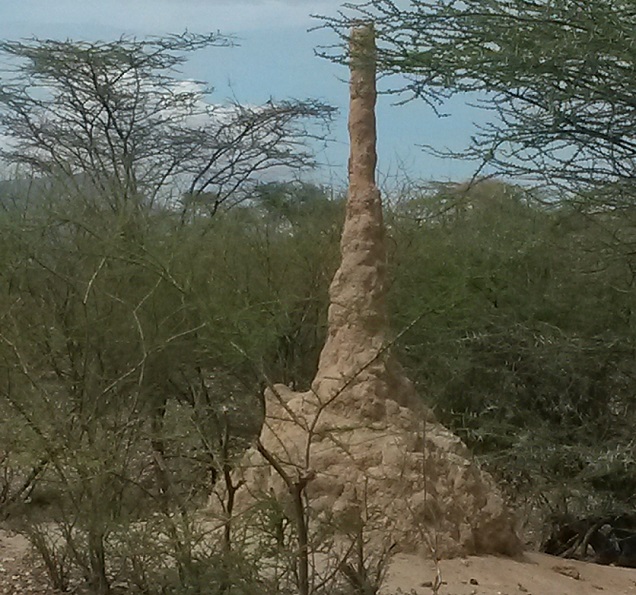
Termite mound in Turkana.

*On a cloudy Thursday morning, a mother stands beside her 11 year old son as he lies on the cold floor of a health center in Namoruputh location, Loima district in Turkana County. The boy is too weak, unable to sit up or stand on his own.

Epyot Etaba and his mother have been at the health center for the last four weeks where he has been receiving treatment for his failing health. Getting to the health center was not an easy journey for mother and son as the transport and communication network in Namoruputh is poor. The roads are inexistent and most residents have to walk long distances to seek basic services, including healthcare.

Weak and unable to walk on his own, Epyot’s mother had carried him on her back, trekking over the dry and rough terrain in the hot weather. It is a journey that took them five agonizing days.

A health worker at Namoruputh Health Center explains the state in which Epyot arrived at the facility.

“He was completely dehydrated, emaciated and with severe malnutrition. His lips were parched, he was dirty and barely conscious. He and his mother had not eaten for days.”

The health worker also noted that Epyot’s abdomen was swollen and his skin filled with burn wounds, which appeared to be septic. Even before embarking on any medical tests, she already appeared to know what Epyot was ailing from.

“I knew that he was suffering from a rare disease called Visceral Leishmaniasis, which is also known as Kala Azar,” she says.

Kala Azar is listed by the World Health Organization as one of the 17 neglected tropical diseases (NTDs). These are a diverse group of diseases with distinct characteristics that are common among the poorest people.

Kala Azar is transmitted through the bites of infected female sandflies. Sand flies are common in areas where the land is dry and hot, there is livestock and there are termite mounds.

Having never been to school, Epyot and his family are pastoralists. They spend their days grazing their cows, goats and camels moving from place to place in search of pasture and water. The areas they roam are dry, hot and filled with hundreds of termite mounds –the perfect habitat for sand flies.

Symptoms of the disease include high fever, weight loss, fatigue, general weakness and anaemia. As the infection spreads, it affects some organs such as the skin, liver, spleen and bone marrow. Most Kala Azar patients develop an enlarged abdomen –caused by the swollen liver and spleen. If left untreated, Kala Azar could be fatal. But even when faced with glaring health conditions which would need immediate medical attention, various obstacles make it difficult for populations affected by this disease to do so. This is because they live in areas of high poverty that are underdeveloped with little or no infrastructure.

“Health centers are few and far apart, which forces residents to walk for tens of kilometres to reach the nearest health facility, says the health worker.

Economic factors, strong cultural practices and low education levels also add on to the health challenges among these communities. Because of these factors, pastoralist communities device their own treatment methods for various health ailments.

A clinical officer at Namoruputh Health Center describes how some of the community members try to treat Kala Azar.

“They take camel dung lumps and burn them in the fire until they become red hot briquettes. They then take the hot coals and press them onto the enlarged abdomen of the sick person, in the belief that the germs in the stomach will be destroyed. They also cut the skin around the abdomen it with a sharp razor blade and as the blood gushes out, they believe the germs causing the stomach to swell exit together with the blood,” he says.

But the swelling never goes down. In fact, the hot burns cause raw wounds and in most cases, become septic. Children are not spared from these forms of painful traditional ‘treatment’.

A child’s health can deteriorate more quickly than that of an adult. If immediate medical treatment is not sought, the child can lose his life in no time. Unfortunately, because of health centers being far away, unavailability of transport and ignorance, many children suffering from Kala Azar die in their homes.

Thankfully though for Epyot, he had managed to reach the health center just in time. But this was after failed attempts by his family to offer him the traditional ‘treatment’. Epyot had had his abdomen burnt with hot camel dung briquettes in the hope of healing him. But the treatment had not worked and in a last bid to save his life, his mother had carried the frail boy on her back to the Namoruputh Health Center, in a journey that took them five days.

“Because he arrived here dehydrated and emaciated, we had to first put him on a meal of specialized nutritious porridge to try boost his immunity. The porridge is made of 65 per cent corn, 25 per cent soya and 10 per cent sugar and which is then mixed with powdered milk. We also put him on daily iron and folic acid supplements because he was anaemic,” says the health worker, who adds that Epyot also began immediate treatment for the glaring septic wounds on his abdomen.

Despite his weakness, Epyot is on his way to recovery, having been on Kala Azar treatment for the last two weeks, and which will go on for another two weeks. He is on a drug called sodium stibogluconate (SSB), which is a 30 day course administered intravenously.

“It is a regimen that must be strictly adhered to. We discourage patients from returning home before the treatment is over because they will default, and this could lead to their death. Besides, most of them live far away so it only makes sense for them to remain here until they complete the treatment course,” says the health worker.

Namoruputh Health Center does not have an in-patient capacity, but because of the treatment requirements for Kala Azar, patients make do with sleeping on the floors in the consultation rooms or on the veranda of the hospital.

Kala Azar is an expensive condition to treat, and it requires about 120,000 shillings for one patient. Aside from a basic consultation fee, Kala Azar patients at the Namoruputh Health Center do not have to pay any other treatment costs, offering families great relief.

So as Epyot recovers from an infection that threatens his livelihood, it only points out to various issues faced by pastoralist communities especially where health care is concerned. However, there is hope because with the devolved system of government which also includes devolvement of health services, it is expected that county governments will be able to address some of these challenges and offer better options for their residents.

*I originally published this article in The Star newspaper in 2014.

Are you implementing a community project targeting mothers that you’d like me to write about? Email me on maryanne@mummytales.com and I’ll get back to you.

Advertisement

POPULAR POSTS

error: Not Allowed