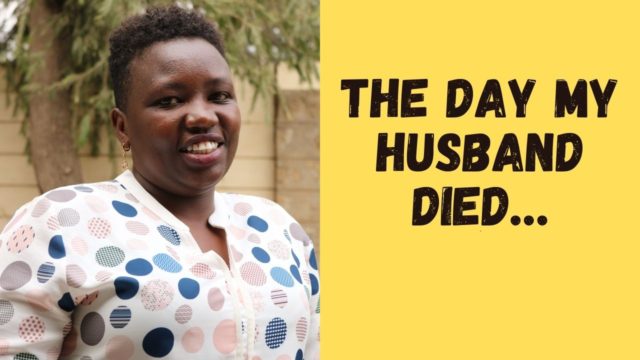
“Why I Bought Myself a Fake Wedding Ring” -Mary Gititu
Mary Gititu, 26, is a Kenyan mother of one. In this video, Mary opens up about her unplanned pregnancy, the intense heartbreak from the man she loved so much, the endless tears she cried, breaking the news to her mom (something she was afraid to do for five long dreary months), and why she thinks a name could have contributed to the downfall of her relationship. Watch Mary tell her story below (long video alert).
How does co-parenting with an ex look like? How do you do so while dealing with your feelings of hurt, betrayal, anger… How do you answer questions from your child asking where their father is, and when they’ll see him again? This is part 2 of Gititu’s story, where she opens up about her experiences, and letting go of the man she loved so much (long video alert). Watch it below:
Also, Mary is the is the author of the book ‘Broken Vessel’ where she shares more of her interesting motherhood experiences, many of which I know you will relate to, just like I did. You can purchase her book by reaching out to Mary directly: gititumary@yahoo.com or +254758 526873.
Mummy Tales is a platform dedicated to empowering its readers on different aspects of womanhood and motherhood. Read more motherhood experiences of Kenyan moms here. Connect with Mummy Tales on: FACEBOOK l YOU TUBE l INSTAGRAM l TWITTER
Caesarean Section Delivery: What You Need To Know Before The Cut
What can I expect from a caesarean section delivery? Which is the best week in pregnancy to undergo a cesarean delivery? Is it best to have it under spinal anaesthesia or general anaesthesia? What are the associated risks of a caesarean section to both the mother and her baby?
These are some of the questions many pregnant women have, especially if there is the likelihood of them delivering via caesarean section. Read more about it in this article.
By Dr. Sikolia Wanyonyi, Consultant in Obstetrics and Foetal Medicine, Nairobi.
Caesarean section (C-section) is the commonest surgical operation performed worldwide. Over the years, there has been a worrying upward trend in the rates of C- sections performed in many institutions globally.
The rates in most developed countries (with exception of Scandinavian countries) are above 30 per cent with rates in some parts of South America being as high as 75 per cent. In Kenya the rates vary depending on the institution. In most private hospitals and tertiary hospitals the rates range from 20 per cent to as high at 55 per cent while in public hospitals and middle level facilities the rates could be as low as two per cent.
According the World Health Organization (WHO), the ideal ratio of C-section in a country should be between 10 – 15 per cent. A rate below 10 per cent is considered to represent substandard care while high rates may indicate unnecessary use of the surgery.
The aim of C-section is for safe delivery of the baby and mother. There are many reasons why this procedure is performed. Broadly, these are divided into elective and emergency.
Elective Caesarean Section
An elective C-section refers to a planned surgery and categorized into four groups depending on the urgency of the surgery. Some people erroneously think that an elective C-section is one that is performed on request by the woman. This is not always the case since there are many situations where it is known beforehand that vaginal delivery would be dangerous.
Such dangers include an abnormally implanted placenta, previous multiple caesarean sections, or other surgeries on the womb such as fibroid removal, extremely big babies and congenital anomalies such as hydrocephalus among others.
In these cases, the attending doctors will advise on the timing of the delivery, usually between 38 to 39 weeks. The reason for this is to prevent any eventuality of the women going into labour, a situation that could necessitate an emergency C-section with associated attending risks.
Emergency Caesarean Section
Emergency C-section on the other hand is performed if in the assessment of the attending doctor, it is felt that continuing with either labour or pregnancy could be dangerous to the health of either the mother or the foetus. Some of the indications include distress of the baby, prolonged labour, failure of the cervix to open up, abnormal bleeding in pregnancy and prolapse of the umbilical cord among others.
Spinal Anaesthesia
Unless otherwise indicated, a C-section should always be performed under spinal anaesthesia. This is the safest mode of anaesthesia in a pregnant woman. During this procedure, the woman is given a numbing injection on their back. This numbs the lower part of the body and the woman does not perceive pain as the surgery is undertaken.
Besides the advantage of being able to see and bond with the baby immediately after birth, spinal anaesthesia is safe because it limits the risk of choking with stomach contents that is more likely to happen with pregnant women receiving general anaesthesia.
Caesarean Section Risks
While C-section remains a life saving procedure for the mother and the baby, it is also associated with risks to both of them. Every mother undergoing the procedure either electively or as an emergency should be fully aware of these risks and discuss them with their attending practitioners.
While safety of the procedure has improved over the years with the advance in medicine practice, one has to remember that this is a major operation. It is for this reason that a caesarean section should only be performed when there is compelling medical reasons to perform it.
Some of the immediate risks associated with C-section include excessive bleeding, injury to other organs such as bladder and gut, infection, prolonged pain post surgery and increased risk of forming clots within the blood vessels, which could be lethal.
The long-term risks include persistent scar pain, scarring of the abdomen making subsequent surgeries more dangerous, limit on the number of pregnancies, risk of placenta sticking to the womb which in itself is a life threating condition and higher risk of low implantation of placenta in subsequent pregnancies.
Babies born through C-section are also at increased risk of breathing problems, compared to those born vaginally. This results in higher incidences of admission for special care nursery. There are also attended anaesthetic risks like those mentioned earlier.
We therefore need to bear in mind that caesarean section is a very important life-saving procedure beneficial to both the mother and baby. Despite the above risks, there have been many advances in the medical field practice that have improved the safety of C-section deliveries. However, this does not justify deliberate use of the procedure as an alternative to vaginal birth. It should only be reserved for those women who need it.
Are you an expert in the field of maternal health? Do you have an article you would like to submit? Email it to me on maryanne@mummytales.com
You may also to like to watch Catherine’s experience below.
Mummy Tales is a platform dedicated to empowering its readers on different aspects of womanhood and motherhood. Read more motherhood experiences of Kenyan moms here. Connect with Mummy Tales on: FACEBOOK l YOU TUBE l INSTAGRAM l TWITTER
Kala Azar Disease in Turkana
*On a cloudy Thursday morning, a mother stands beside her 11 year old son as he lies on the cold floor of a health center in Namoruputh location, Loima district in Turkana County. The boy is too weak, unable to sit up or stand on his own.
Epyot Etaba and his mother have been at the health center for the last four weeks where he has been receiving treatment for his failing health. Getting to the health center was not an easy journey for mother and son as the transport and communication network in Namoruputh is poor. The roads are inexistent and most residents have to walk long distances to seek basic services, including healthcare.
Weak and unable to walk on his own, Epyot’s mother had carried him on her back, trekking over the dry and rough terrain in the hot weather. It is a journey that took them five agonizing days.
A health worker at Namoruputh Health Center explains the state in which Epyot arrived at the facility.
“He was completely dehydrated, emaciated and with severe malnutrition. His lips were parched, he was dirty and barely conscious. He and his mother had not eaten for days.”
The health worker also noted that Epyot’s abdomen was swollen and his skin filled with burn wounds, which appeared to be septic. Even before embarking on any medical tests, she already appeared to know what Epyot was ailing from.
“I knew that he was suffering from a rare disease called Visceral Leishmaniasis, which is also known as Kala Azar,” she says.
Kala Azar is listed by the World Health Organization as one of the 17 neglected tropical diseases (NTDs). These are a diverse group of diseases with distinct characteristics that are common among the poorest people.
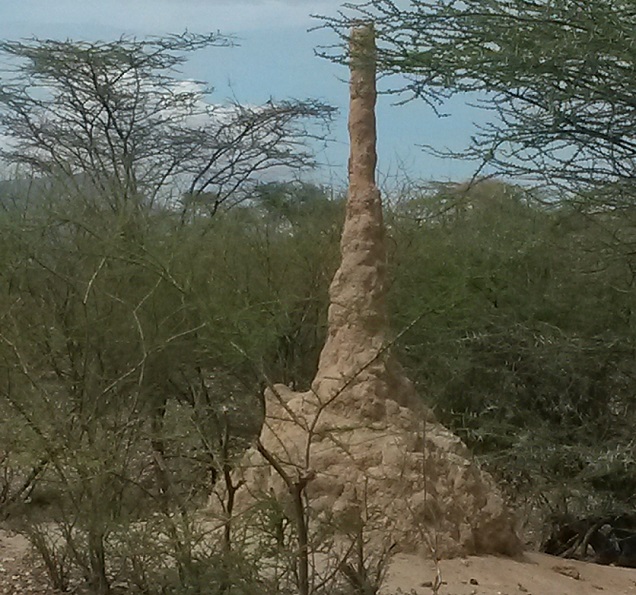
Kala Azar is transmitted through the bites of infected female sandflies. Sand flies are common in areas where the land is dry and hot, there is livestock and there are termite mounds.
Having never been to school, Epyot and his family are pastoralists. They spend their days grazing their cows, goats and camels moving from place to place in search of pasture and water. The areas they roam are dry, hot and filled with hundreds of termite mounds –the perfect habitat for sand flies.
Symptoms of the disease include high fever, weight loss, fatigue, general weakness and anaemia. As the infection spreads, it affects some organs such as the skin, liver, spleen and bone marrow. Most Kala Azar patients develop an enlarged abdomen –caused by the swollen liver and spleen. If left untreated, Kala Azar could be fatal. But even when faced with glaring health conditions which would need immediate medical attention, various obstacles make it difficult for populations affected by this disease to do so. This is because they live in areas of high poverty that are underdeveloped with little or no infrastructure.
“Health centers are few and far apart, which forces residents to walk for tens of kilometres to reach the nearest health facility, says the health worker.
Economic factors, strong cultural practices and low education levels also add on to the health challenges among these communities. Because of these factors, pastoralist communities device their own treatment methods for various health ailments.
A clinical officer at Namoruputh Health Center describes how some of the community members try to treat Kala Azar.
“They take camel dung lumps and burn them in the fire until they become red hot briquettes. They then take the hot coals and press them onto the enlarged abdomen of the sick person, in the belief that the germs in the stomach will be destroyed. They also cut the skin around the abdomen it with a sharp razor blade and as the blood gushes out, they believe the germs causing the stomach to swell exit together with the blood,” he says.
But the swelling never goes down. In fact, the hot burns cause raw wounds and in most cases, become septic. Children are not spared from these forms of painful traditional ‘treatment’.
A child’s health can deteriorate more quickly than that of an adult. If immediate medical treatment is not sought, the child can lose his life in no time. Unfortunately, because of health centers being far away, unavailability of transport and ignorance, many children suffering from Kala Azar die in their homes.
Thankfully though for Epyot, he had managed to reach the health center just in time. But this was after failed attempts by his family to offer him the traditional ‘treatment’. Epyot had had his abdomen burnt with hot camel dung briquettes in the hope of healing him. But the treatment had not worked and in a last bid to save his life, his mother had carried the frail boy on her back to the Namoruputh Health Center, in a journey that took them five days.
“Because he arrived here dehydrated and emaciated, we had to first put him on a meal of specialized nutritious porridge to try boost his immunity. The porridge is made of 65 per cent corn, 25 per cent soya and 10 per cent sugar and which is then mixed with powdered milk. We also put him on daily iron and folic acid supplements because he was anaemic,” says the health worker, who adds that Epyot also began immediate treatment for the glaring septic wounds on his abdomen.
Despite his weakness, Epyot is on his way to recovery, having been on Kala Azar treatment for the last two weeks, and which will go on for another two weeks. He is on a drug called sodium stibogluconate (SSB), which is a 30 day course administered intravenously.
“It is a regimen that must be strictly adhered to. We discourage patients from returning home before the treatment is over because they will default, and this could lead to their death. Besides, most of them live far away so it only makes sense for them to remain here until they complete the treatment course,” says the health worker.
Namoruputh Health Center does not have an in-patient capacity, but because of the treatment requirements for Kala Azar, patients make do with sleeping on the floors in the consultation rooms or on the veranda of the hospital.
Kala Azar is an expensive condition to treat, and it requires about 120,000 shillings for one patient. Aside from a basic consultation fee, Kala Azar patients at the Namoruputh Health Center do not have to pay any other treatment costs, offering families great relief.
So as Epyot recovers from an infection that threatens his livelihood, it only points out to various issues faced by pastoralist communities especially where health care is concerned. However, there is hope because with the devolved system of government which also includes devolvement of health services, it is expected that county governments will be able to address some of these challenges and offer better options for their residents.
*I originally published this article in The Star newspaper in 2014.
Are you implementing a community project targeting mothers that you’d like me to write about? Email me on maryanne@mummytales.com and I’ll get back to you.

Motherhood in Kenya: I Didn’t Think Women Living with Albinism Got Pregnant
When Catherine, a young woman living with albinism found out she was pregnant, she was so shocked because all along she had thought that women with albinism do not get pregnant. So what happened next? Watch her story below and share your thoughts.
In the video, I also touch on the topic of women’s experiences during labor and childbirth, especially from health care providers. I talk about how birthing mothers should be given respectful maternity care at all times, and there is nothing that should warrant mistreatment of women during childbirth. Watch and share your comments.
Do you have a motherhood story you’d like to share? Or do you have any feedback on the stories here at Mummy Tales? Email me on maryanne@mummytales.com
Mummy Tales is a platform dedicated to empowering its readers on different aspects of womanhood and motherhood. Read more motherhood experiences of Kenyan moms here. Connect with Mummy Tales on: FACEBOOK l YOU TUBE l INSTAGRAM l TWITTER
Homestay in Harambee Estate in Nairobi (Kiambakana Homestay)
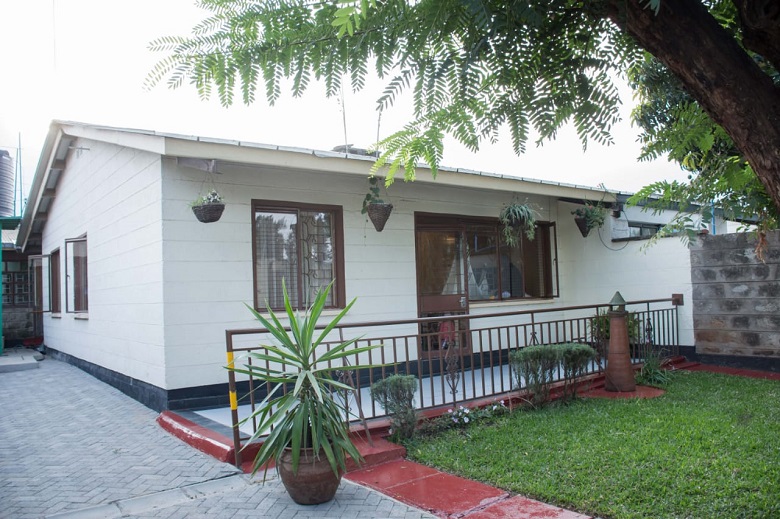
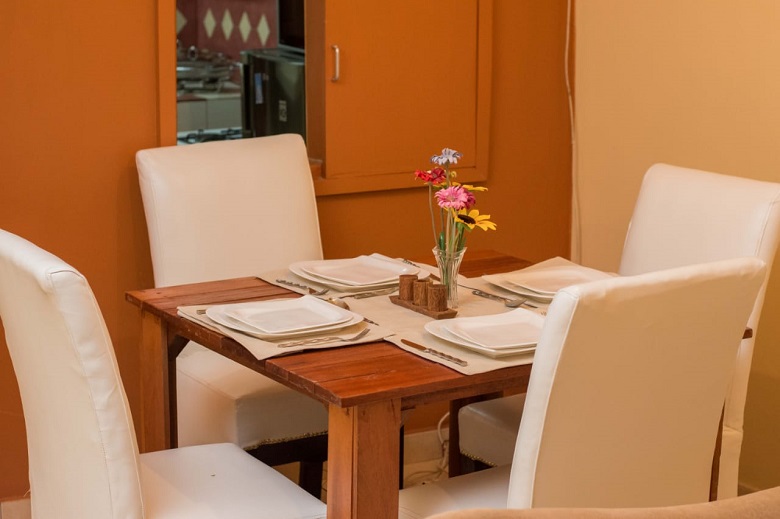
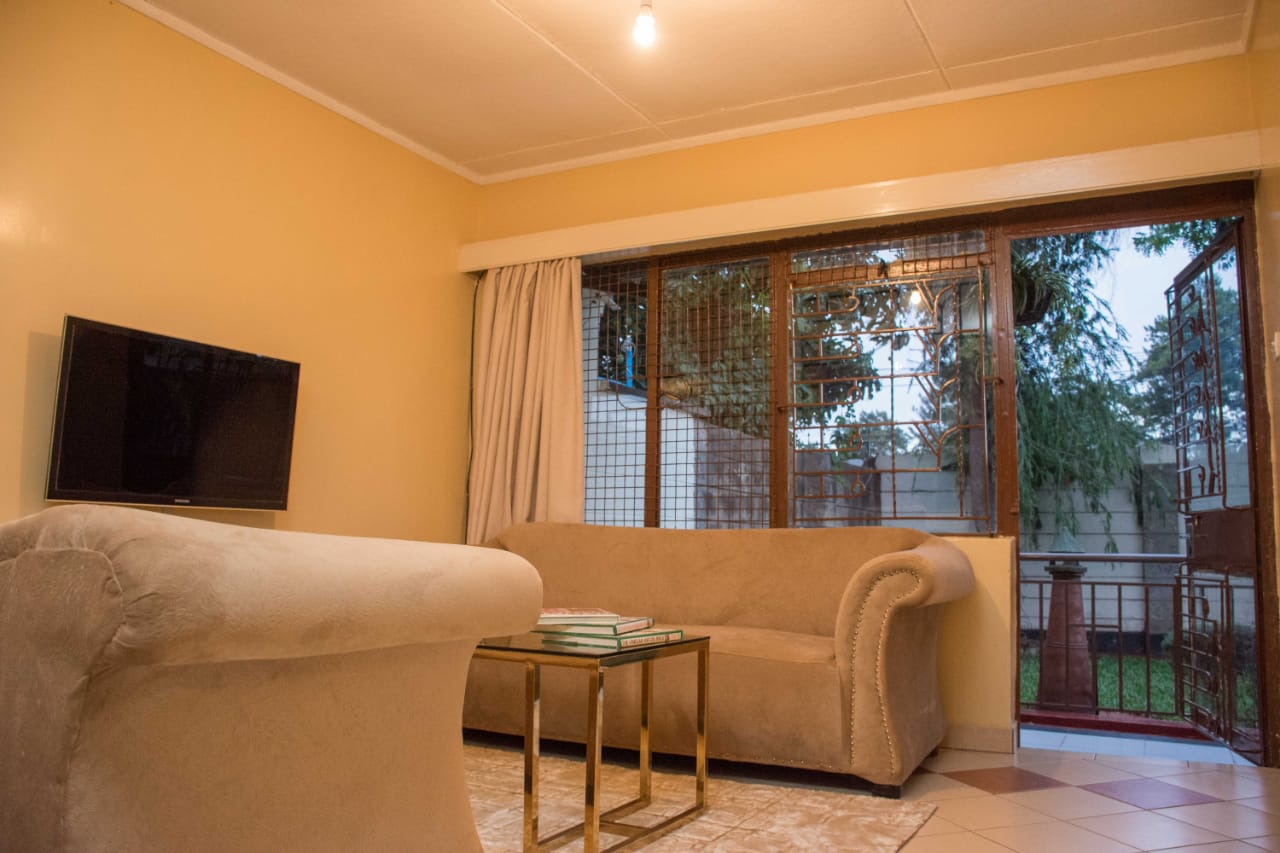
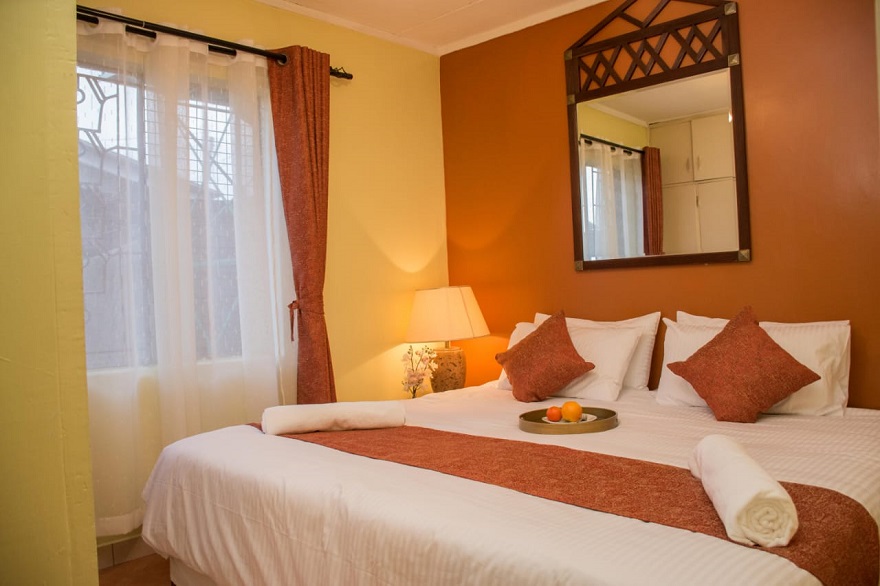
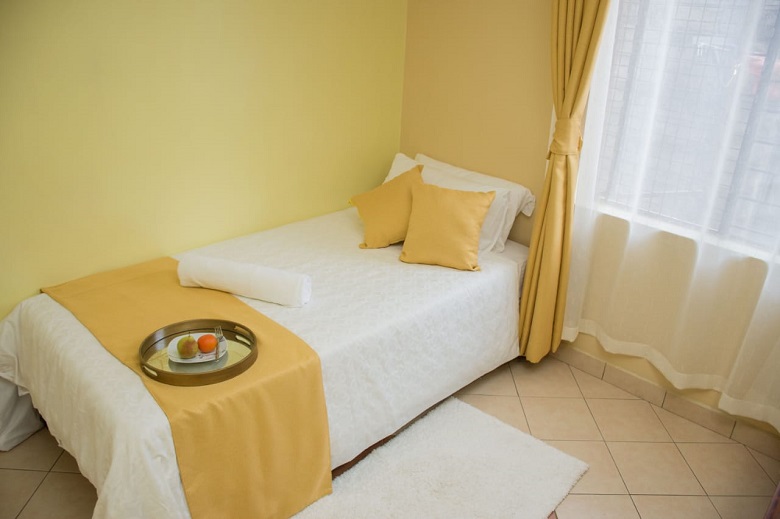
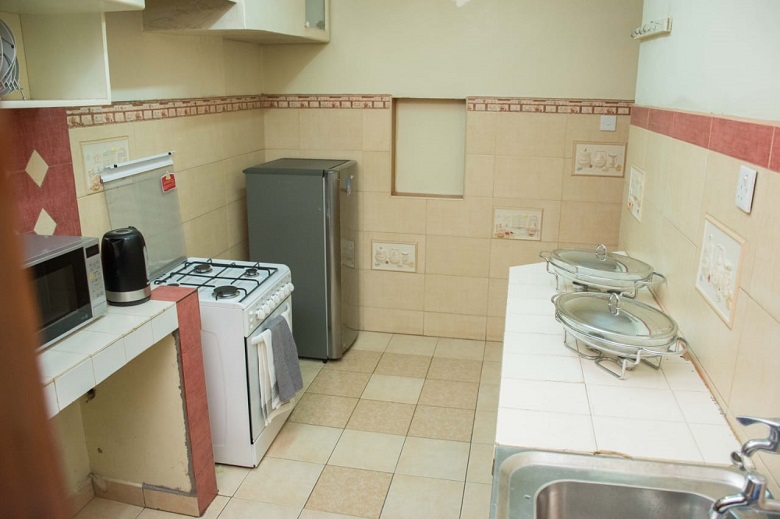
I’d like to share information with you about a cozy, nice 3 bed-room house in this area, called Kiambakana Homestay. I have personally been to this house and I absolutely love it, so I am recommending it based on my own personal experience. See the photos below that will help you get a feel about the place. More information about Kiambakana Homestay, including contact details are below.


The Kiambakana Homestay in Nairobi is suitable for relatives and friends who visit Nairobi for medical or other reasons, and are unable to stay with their kin due to various reasons such as space, cultural constrains or other reasons. The house is also suitable for relatives visiting from overseas and looking to be near family in Eastlands.

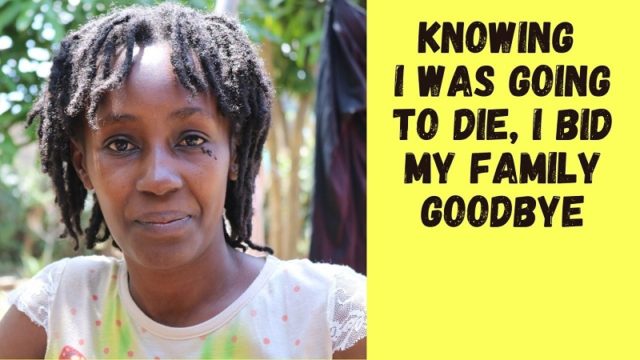
Miscarriage in Kenya: Yunita’s Story of the Emotions she’s Going Through
How do you deal with miscarriage? What emotions does a woman who has had a miscarriage go through? What goes through her mind? Does she blame herself? Does she think it’s something she did? Does she think it was avoidable?
This is the story of Yunita, who sent me her story. Yunita, a mother of a 4-year-old daughter recently lost her pregnancy.
‘Complete spontaneous abortion’. I was annoyed at how the medics referenced how I’d lost my baby. ‘Complete spontaneous abortion’. What a mockery! Can’t they just call it a miscarriage?
Or, could they say: “Heartbreaking loss of child”, or “unwelcome, painful death of baby”. Those references would do more justice to the situation. After that, they can then use whatever terms they wish – in my absence.
They also say ‘foetus’. Foetus! My precious baby just died and she had a name! Maya she was. Was to be. Well, I wasn’t sure it was a girl, but had hoped it was. My husband had wanted a boy and would have named him Tilo. Thilo. Tealaw. Teelow. Tillor.
Whatever. It would have been fun playing around with the spelling and deciding on one. Watching him wiggle his toes and burp and smile toothlessly. Playing peekaboo or hide-and-seek with him and his elder sister. But now, that is not to be.
Also Read: The Stitch in Time that Prevented my Miscarriage – Selina Ojwang’s Story
After I was discharged, I stepped out of the hospital unsure of how to face the world. Without my baby. Was I supposed to call close friends and inform them of my miscarriage? Or how does it work? I didn’t want a situation where people would have started to take pity on me, casting merciful glances. Such would have driven me to tears. I just wanted to grieve in the privacy of my home, behind closed doors.
Was it my Fault?
I kept asking myself what I’d done wrong. Had I overworked? Lifted heavy weights? Was I so stressed out that my body couldn’t sustain the pregnancy? Had I eaten something I shouldn’t have? Did I ignore some red flags? Had I taken my pregnancy for granted, just because my first one had been without complications? Could I have been so careless? Is there anything I could have done to prevent it?
I had no answer to these questions and neither did the doctors. In fact, they weren’t even keen on finding out what could have caused the miscarriage. They even said it could have been the chromosomes, in which case the baby wouldn’t have survived anyway. This thought comforted me a little – that maybe I wasn’t responsible for the death of my child.
But still, I was disturbed. What if it happened because of something I did or failed to do? I needed to know so that it didn’t happen again and so that I could accept responsibility and deal with the consequent guilt. That would give me closure.
Journey of Healing
So I embarked on a journey of healing, with one consolation: That my baby is in a better place where they’ll never know any pain. Though I’d prefer to have my baby here, I’m grateful that they’ve been spared the many trials of human life. I’d also like to think that if my baby could see me, they’d want me to trudge on joyfully. So I choose joy!”
Those are Yunita’s sentiments, at this time when she’s going through emotional turmoil. Suffering a miscarriage is indeed an extremely painful experience. Not many women are able to speak openly about it –not even with their spouses. Many suffer in silence. But be encouraged to know that there is help available for you, and that you are not alone. You can seek help from the Empower Mama Foundation.
Do you have a story you’d like to share? Email me on maryanne@mummytales.com
Also Read: I Lost my Baby at 37 Weeks Pregnant. This is What Happened – June Muli’s Story
Mummy Tales is a platform dedicated to empowering its readers on different aspects of womanhood and motherhood. Read more motherhood experiences of Kenyan moms here. Connect with Mummy Tales on: FACEBOOK l YOU TUBE l INSTAGRAM l TWITTER
Featured image credit: iwaria.com