Home Blog Page 7

How my life changed after experiencing online gender-based violence

0

By Maryanne W. Waweru l @MaryanneWaweru l wawerumw@gmail.com

Twenty-six-year-old Ashley* has always had a passion for modelling. When fresh in high school, her friends encouraged her to join their school’s Miss High School competition.

“They told me I had the body of a model. They said because I was tall and slim, I had the perfect body for any outfit, and that I had a beautiful face that complemented it. Encouraged, I enrolled in the competition and emerged position six, which was a notable achievement for a Form One girl who had never participated in any beauty contest before,” she remembers.

Ashely would continue taking part in the modelling competitions in high school, and when she joined campus, she began modelling for small businesses, showcasing their outfits for sale. She also did shoots with photographers who were building their professional portfolios. Ashely’s ventures not only exposed her to the modelling world, but also earned her an income.

The gorgeous photos

Everything went on well, until the day it didn’t.

“It was 2017, while in the last semester of my final year. I had a photoshoot for a client who was promoting his photography business. My outfit for the shoot was an off-white high-waisted rugged booty short, paired with a red crop-top and white sneakers. I had minimal make-up on with red lipstick. I took the photo in a squatting pose,” she recalls.

Later in the day, the photographer shared the photos and when she saw them, she was blown away.

“He had captured the images perfectly. They literally took my breath away. I was stunned by how gorgeous I looked. I had executed the assignment well.”

So captivated was she by the photos that she decided to upload them to her Facebook page.

Ashely’s Facebook page, with a following of over 12,000 fans was where she showcased her modelling photos, enabling her to get more gigs.

“I uploaded two of the photos on Facebook that night and retired to bed, happy with my achievements for the day. In the morning when I checked, I was encouraged by the comments. Fans were asking me who my photographer was, where they could get such sneakers, where the venue of the photoshoot was and other positive comments.”

Sex machine

That was until Ashley read one comment that wiped the smile off her face.

The comment, from an individual with a male profile read: ‘this is what we call a sex machine’.

“I was horrified!” she remembers.

The comment had attracted about 20 others beneath it, most by individuals with male profiles, and all of them just as bad.

The comments read:

“You look like a prostitute”.

“How much are you selling yourself?”

“You are shameful”.

There were more:

“When I started following you, you were a nice innocent girl, but I cannot believe you are now changing to this –someone who looks like they are soliciting. I followed this page because you were modelling good photos, but it looks like you have since turned to prostitution.”

“Just go sell yourself already!”

Ashely says that with every comment, her heart shattered into pieces. By the time she read the last comment, she was in a dejected trance.

Indecency before my father?

“I felt so humiliated. I had been brought up well and I was shocked that I was now associated with prostitution. Didn’t people understand fashion photography? I’d been comfortable sharing the photos online because my family, including my father, followed me on social media so I would never upload anything indecent. I felt that the comments were vicious and unwarranted. I had planned on uploading more photos that day, but I was now afraid. I switched off my phone and cried myself out.”

When she went to class that day, Ashley was unable to concentrate on her lectures.

“I began thinking that maybe that is how people viewed me in real life. Perhaps my friends and family saw me the same way my online followers had, only that they had never voiced it. Did they all view me as a woman of lose morals because of the clothes I wore for my modelling gigs, or the nature of photos that I took? Were those comments reflective of what everyone around me thought?” she wondered.

Because of this ‘shame’, Ashely disengaged from people –both offline and physically.

“I started looking down on myself as I felt judged. What if these online people identified me on the streets and called me a prostitute to my face? I started avoiding people as I feared everybody had seen the photos. I stopped going out in public. I just wanted to be indoors, alone.”

Selling her Facebook and Twitter pages

The incident affected other parts of Ashley’s life.

“I started wearing oversized, baggy clothes. I didn’t want to show my skin anymore, not even my hands or feet. I changed my wardrobe –the confidence I had about my body, my looks, and my outfits long gone.”

It got worse. Ashley decided to sell her Facebook and Twitter pages.

“I had no desire to be online anymore. The pages no longer served their purposes for me. Thoughts about the hurtful Facebook comments sunk me into a deep, dark hole. My Twitter account had over 40,000 followers while my Facebook page had over 12,000. I sold them since I had come to loathe social media platforms and what they had done to my persona,” she remembers.

But that was not all. The incident affected Ashely’s income.

“I had long stopped depending on my parents for my upkeep as the money I made helped me make ends meet as a campus student. I was also able to save. However, the incident made me stop taking modelling gigs, forcing me to return to my parents for their financial support, which is something I had never wanted to do,” she remembers.

Cyber-bullying

This experience, which took a heavy toll on Ashely’s health and wellbeing, is within the realm of cyber-bullying. According to UNICEF, cyber-bullying is bullying with the use of digital technologies and can happen on social media, messaging platforms, gaming platforms and mobile phones. Examples of cyber-bullying include spreading lies about or posting embarrassing photos or videos of someone on social media, as well as sending hurtful, abusive or threatening messages via social media. Online bullying ‘can feel as if you’re being attacked everywhere, even inside your own home and can seem like there is no escape.’ Cyber-bullying can affect the victim’s physical, mental, psychological, and social health. Emotionally, they may  lose interest in the things they once loved.

Women are more vulnerable

While cyber-bullying, a form of online violence affects millions of people worldwide, girls and women are particularly vulnerable.

A global study by the Economist Intelligence Unit found the overall prevalence of online violence against women globally is 85%, with younger women being more likely to have personally experienced online violence. While alarming across the globe, the prevalence of online violence against women was 90% in Africa. The most common forms of online violence included misinformation and defamation (67%) cyber harassment (66%), hate speech (65%). Hacking and stalking (63%), video and image-based abuse (57%) and violent threats (52%). The study found that nearly three-quarters of women surveyed expressed concern about online abuse escalating to offline threats.

The need to end gender-based violence against women and girls is a matter of global concern. It has been elaborated in numerous international and regional instruments such as the Declaration on the Elimination of Violence against Women (DEVAW), the Convention on the Elimination of All Forms of Discrimination against Women (CEDAW) and the African Charter on Human and Peoples’ Rights and its Protocol on the Rights of Women in Africa (the Maputo Protocol). Locally, the Sexual Offences Act (2006) captures the issue of gender-based violence, though it does not explicitly tackle online gender-based violence.

Social media users in Kenya

In Kenya, there are about 17.86 million internet users in Kenya, according to 2023 data by research firm DataReportal. The report notes that there are 10.55 million social media users, equating to 19.3% of the total population. Further, 44.3% of Kenya’s social media users are female, while 55.7% are male. An already vulnerable population, the emergence and growth of the internet has increased women and girl’s vulnerability to its negative effects, including online gender-based violence.

Data from a survey conducted by Badili Africa in 2020 showed that 99% of young women in universities were not aware of their digital rights. The survey revealed that Facebook and Instagram were the leading platforms for the young women to likely experience a security breach in the form of pornographic content, explicit messages, trolling or cyber stalking. Some victims end up taking long breaks from these platforms or quitting altogether.

Legal frameworks

To address online violence, Kenya’s government has initiated various cybersecurity policy and legal initiatives and frameworks including: The Kenya Information and Communications Act (1998), the National Cybersecurity Strategy (2014), and the Computer Misuse and Cybercrimes Act (CMCA) (2018).

Through the 2014 Strategy, Kenya established the Kenya Computer Incident Response Team and coordination Centre (KE-CIRT/CC) and the National Digital Forensics Laboratory at the National Police Service under Directorate of Criminal Investigations (DCI).

Combating online violence

If one needs to report cases of cyber-crime, including online violence, the Directorate of Criminal Investigations (DCI) is one of the channels through which they can do so through its toll-free number 0800 722 203, as well as the DCI Twitter and Facebook pages. Individuals are also encouraged to report these incidents at police stations.

To complement government efforts, various civil society organisations have been working to combat online gender-based violence, including Badili Africa, which builds the capacity of young women in universities- as digital advocates to effectively navigate digital platforms to influence change as well as increase their inclusion in key decision-making processes.

Similarly, UNFPA is spearheading the BodyRight campaign, which aims to create awareness about digital violence and push lawmakers, digital companies, and social media platforms to take abusive use of human bodies seriously. The campaign seeks to empower women and young people to take ownership of their bodies online and make the digital world a safer space for everyone.

Eveminet is similarly addressing digital security by creating awareness among digital users on how to identify red flags, how to act and where to get help.

However, a lot more needs to be done to address online gender-based violence. Evelyne Kasina, Eveminet’s Chief Executive Officer (CEO) has a few recommendations.

“Though the Computer Misuse and Cybercrimes Act, 2018 is a good start, it needs to be strengthened to better address the specific challenges of online violence. This could include expanding the definition of online violence to include more types of abuse, increasing the penalties for perpetrators, and making it easier for victims to report abuse,” she says.

Ms. Kasina also advocates for the need for more research on online violence as this will help to broaden all stakeholder’s scope of the problem and subsequently develop effective interventions.

On supporting survivors of violence, Ms. Kasina notes that they need to be provided with more accessible and affordable support services, such as counselling, legal aid, and financial assistance.

“The government should provide funding for these services and ensure that they are accessible to all survivors.”

Where is Ashley today?

It is now six years since the incident that deeply affected Ashely. She graduated from campus and now works in Advocacy and Communications, consulting with different NGOs.

How has life changed for her, and what would she do differently now if a similar incident were to happen?

“Back then, I didn’t know that what had happened to me had a name. Now I know it is cyber-bullying, or online gender-based violence. Furthermore, since it had happened on Facebook, I now know that I can report it to Meta, who can act against the perpetrators,” she says.

Today, many online platforms have policy guidelines that regulate users’ conduct and allow for reporting of offences. Facebook states that ‘if you manage a Facebook Page, you may use the profanity filter to hide comments with profanity from your Page. Facebook determines what to hide by using the most reported words and phrases marked offensive by the community. Hidden comments with these words remain visible to the people who wrote them and their friends. They won’t be visible to everyone else.’

Similarly, TikTok has a dedicated team of moderators who are trained to identify and remove content that violates its policies against online gender-based violence. The platform also has several tools and features that users can use to protect themselves from abuse, such as the ability to block users and report content.

I wouldn’t have sold

There is something else that Ashley would have done differently regarding her social media accounts.

“I would not have sold my Facebook and Twitter accounts, just because someone made mean, untruthful comments about me. That is not who I was, and their comments should not have intimidated me. The abuser altered my life in way that I allowed him to, which shouldn’t have happened.”

However, Ashely does not believe the pain would be any less now, than it was then.

“I’d still be deeply hurt if anyone said such words to me. Back then I was only 20 years old and naïve, but even now when I’m more mature and more exposed, I can’t say I’m at the point where I have a tough skin to deal with online attacks. I still feel fragile.”

Return to social media and being blacklisted

Ashley’s work sometimes requires her to access different online platforms.

I’m very cautious on social media. I have ‘ghost’ Facebook and Twitter accounts, which I only use when I need to access my client’s pages. I am however on LinkedIn with my full profile because I feel it is a professional platform where users are unlikely to be abusive,” she says.

Ashely has since resumed modelling, but she’s very particular about the jobs she takes.

“I am now in control of the photos of me that are published. I don’t take photos in clothes that I’m not comfortable in. I do not wear short or revealing clothes. I’m also very keen on the photographers I work with because a photographer’s shot can portray you in a way that you wouldn’t want depicted. As a matter of principle, I refuse to pose in certain ways they ask of me if I feel uncomfortable.”

Because of this, Ashley has lost some jobs, as she has been labelled a ‘kichwa ngumu’ (difficult model to work with).

“They prefer working with girls who agree to everything they ask. I have even been blacklisted by some modelling agencies, and I’m okay with that,” she states firmly.

*I used this pseudonym to protect Ashley’s identity. She is still healing and emotionally recovering from the incident. 

Do you have feedback on this article? Comment down below or email me at wawerumw@gmail.com

Mummy Tales is a platform dedicated to empowering its readers on different aspects of womanhood and motherhood. Read more motherhood experiences of Kenyan moms here. Connect with Mummy Tales on: FACEBOOK l YOU TUBEINSTAGRAM l TWITTER

Featured image courtesy: Iwaria

The day I helped a mother who had given birth by the roadside –Judith Shitabule

0
judith-shitabule
Judith Shitabule

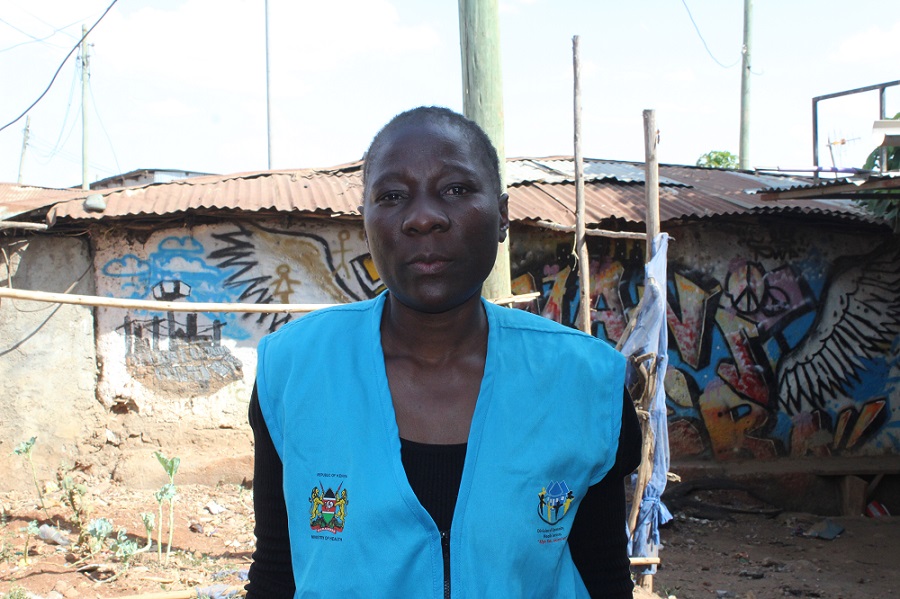
Judith Shitabule, 44, is a community health volunteer (CHV) based in the Lindi area of Kibera, Nairobi County. She is well known in her locality, such that people freely approach her when in need, especially regarding their health. You can read more about Judith in this article that I wrote about her.

As a CHV, Judith often comes across incidents that are lifechanging; sometimes a matter of life and death. She narrated to me one such incident that happened recently, where she assisted a mother and her newborn.

Read: Judith Shitabule: Champion of Maternal and Newborn Health in Nairobi

“Last month, I handled a roadside delivery in the dead of the night. While I have handled emergencies before, this one was unique (and scary) because I could see that the mother had a complication and I wasn’t sure how I would handle it. This is what transpired:

Frantic knocks on my door

I live by the roadside, with my house being familiar to residents since my work as a CHV is well known. Because of this, people know they can call on me for help anytime, even in an emergency.

On this particular day, I remember the security guards shouting, calling out my name as they frantically knocked on my door. I dressed hurriedly and when I came out, I found a mother lying down on the dirt road. She had just delivered her baby, who also lay on the dusty ground. Mother and baby had not been separated yet. It was a few minutes after midnight.

The woman’s husband was desperately asking the security guards to help him out. I noted the sigh of relief on all their faces when I arrived.

Cutting the umbilical cord

After assessing the situation, I quickly ran back to my house for a pair of gloves. I also took out a new, unused razor blade which I used to cut the umbilical cord.

After doing so, I realized something odd with the mother. Even though her placenta was out, something else was protruding from her vagina, which I didn’t think was normal. She was also bleeding. Thankfully, she was conscious and talking. I knew we had to rush to hospital as something didn’t seem right with her. I also needed to get the baby checked by a medic, to ensure all was well.

Also read: How health workers in Kibera are assessing sick children using a new digital health tool

Ambulance unavailable

I called for an ambulance but they told me that while the vehicle was available, it didn’t have fuel. It was a county government ambulance. I felt bad because it was an emergency. We didn’t have money to hire a private ambulance. What to do next?

Thankfully, the tuktuks parked next to my house became the lifesaver. The security guards agreed that they would use it to rush the mother and baby to hospital, and would later explain to the owner what had informed this decision.

One of the security guards took the wheel as we wrapped both mother and baby up with some lesso’s from my house, and off we went. Our destination was the Kibera Community Health Center (AMREF). By the time we arrived, the mother looked pale and weak, as she drifted in and out of consciousness. I quickly handed her over to the medical team. We kept vigil at the reception area, nervous, but hopeful for good news.

Childbirth complication

Finally, the doctor came out and shook my hand saying “thank you for saving this mother’s life”. The doctor informed us that the mother had experienced a complication and thankfully, we had brought her to the hospital in the nick of time. The protrusion that I had seen, which seemed unusual to me, was her uterus, in what the doctor informed was referred to as a uterine prolapse.

Mother and baby stayed at the hospital and were released the following day. I often see them when I make my household rounds in the community – they are both healthy and doing well. Even though it has its challenges, I find my work as a CHV quite fulfilling.”

Also Read: Sodomy: a Kenyan Mother Recounts her Son’s Path to Justice

Do you have feedback on this article? Comment down below or email me at wawerumw@gmail.com

Mummy Tales is a platform dedicated to empowering its readers on different aspects of womanhood and motherhood. Read more motherhood experiences of Kenyan moms here. Connect with Mummy Tales on: FACEBOOK l YOU TUBEINSTAGRAM l TWITTER

Champion of Maternal and Newborn Health: Judith Shitabule, Community Health Volunteer in Nairobi

0
Judith-Shitabule
Judith Shitabule

Judith Shitabule, 44, is a Community Health Volunteer (CHV) and reproductive health advocate based in Kibera, Nairobi. Judith monitors 100 households in her allocated area; Lindi. On average, each household has about eight people, including children. In a month, she must visit at least 34 households. At the end of each quarter, she visits all 100 households at least once.

Pregnant women

As a CHV, Judith pays particular attention to pregnant women. She identifies them and ensures she visits each one of them at least once a month. Judith offers pregnant women health education, emphasizing on their need to make at least four antenatal care (ANC) visits to the hospital, as recommended by health experts. ANC visits are important for screening and diagnosis as well as injury and disease prevention. The visits are also important in pre-birth and post-birth preparedness.

Delayed first ANC visit

While it is recommended that a woman make her first antenatal visit before 10 weeks into her pregnancy, Judith notes that many pregnant women in Kibera delay their first ANC visit until the third trimester.

“They say the queues at the clinic are too long, hence wasting their time. The clinic run can take up to four hours, time they say will prevent them from performing their domestic chores, running their small businesses, or caring for their other children. Most delay ANC visits until the seventh or eighth month of pregnancy “when they are ready to give birth,” says Judith.

That is why Judith pays particular attention to pregnant women because she knows the value of antenatal clinics, and fears that women who don’t attend them remain vulnerable to negative pregnancy outcomes.

“I tell them that pregnancy is a critical time in their life, and it is therefore important for them to have their health and progress monitored in a hospital. I alert them it also helps detect any problems with the pregnancy, such as if they have anaemia, rhesus factor, low weight etc.,” she says.

Mother and child booklet

Judith makes certain that each pregnant woman has her own copy of the Mother and Child Health handbook/booklet that is available in public health facilities. This booklet contains a wealth of information about pregnancy, childbirth and after childbirth until the child is five years old.

“I stress to them the need to carefully read the contents of the booklet as it contains lifesaving information, such as the danger signs in pregnancy and how to identify them,” she says.

Pregnancy danger signs

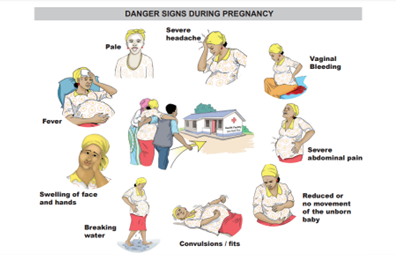
Danger signs in pregnancy include severe headache, fever, swelling of face, hands and legs, vaginal bleeding, severe abdominal pain, convulsions/fits, and reduced or no movement of the unborn baby.

Judith also educates them on healthy eating during and after pregnancy.

“I tell them that a nutritious diet shouldn’t be expensive. There are many nutritious options within their reach, such as eggs, green leafy vegetables, fish, beans and fruits –all affordable and accessible within Kibera.”

They don’t read

While all this information is contained in the mother child booklet, Judith notes that unfortunately, most of the pregnant women she hands the book to don’t read it.

“I even give them homework, telling them that when I return for my next visit, they will share with me snippets of what they read. For those who cannot read, I tell them to look at the pictures and try and understand the message. I tell them to take note of any concerns or questions they may have, which I answer in my next visit,” she says.

However, when Judith visits them again, she is often disappointed.

“I find they did not even open a single page. They say they prefer waiting for my next visit so that I can educate them; that it is easier for them to hear from me than to read or look at pictures, because it is less complicated.”

Also read: How health workers in Kibera are assessing sick children using a new digital health tool

Community advocate

Judith has been a CHV for the last 20 years. She has been trained by both the government and stakeholders in the private sector, including NGOs, in different issues surrounding community health. She also works closely with local leaders such as Members of County Assembly and the Nairobi woman representative to advocate for various issues, such as the availability of ambulances, better referral systems, improved road networks and staffing of nurses and doctors in health facilities that are accessible to the Kibera population.

In this next article, Judith recounts an incident where she was woken up in the middle of the night to assist a woman who had delivered by the roadside and was experiencing a birth complication. Read it here.

Do you have feedback on this article? Comment down below or email me at wawerumw@gmail.com

Also watch: Challenges faced by married Somali women refugees as they seek family planning services in Nairobi

Mummy Tales is a platform dedicated to empowering its readers on different aspects of womanhood and motherhood. Read more motherhood experiences of Kenyan moms here. Connect with Mummy Tales on: FACEBOOK l YOU TUBEINSTAGRAM l TWITTER

The story of the small white card that is Nasra’s lifeline

0
family-planning-somali-women

By Maryanne W. Waweru l wawerumw@gmail.com l @MaryanneWaweru

There is something that Nasra*, 36, cannot forget to do every three months.

She would rather forget to eat, brush her teeth, take a bath or apply her favorite lotion on her smooth, silky skin, but she cannot forget the date on the small white card she keeps in a purse safely tucked away in a corner of the single-roomed house that she shares with her husband and five children.

The date, renewed every three months, is what helps her ‘live without much stress’ as she puts it.

The date on the card indicates her next appointment at the family planning clinic where she gets her contraceptive injection.

The reason Nasra cannot forget that date is because of the experiences she had in her first years of motherhood, which she describes as being ‘extremely stressful’.

After giving birth to her first child at the age of 21 years, she found herself pregnant again just a few months later. Shortly after delivering her second child, she fell pregnant again. By 24, she had three children –all under three years.

A life of loneliness and struggle in Nairobi

As a newlywed, Nasra had left her hometown of Moyale to join her husband in Kamukunji, a sub-county in Nairobi, Kenya’s capital city. Moyale is a town located at the border of Kenya and Ethiopia.

Distanced from her relatives, the only person she knew in Nairobi was her husband, a casual laborer who would be out at work all day long.

“In between breastfeeding, caring for the babies, cooking, cleaning, fetching water, washing clothes and undertaking all domestic chores all by myself, I was always exhausted,” she remembers.

Surviving on a cup of tea

Things would get worse as sometimes, her husband would go for weeks without a job.

“I remember the times I was pregnant while also breastfeeding, yet we had no food. I would make do with just a cup of strong tea all day long. I felt like I would die. I would rebuke my husband as I felt he was not working hard enough to provide for us. I blamed him for having brought me to Nairobi to suffer. I was always very angry at him,” she remembers.

A new revelation at the well-baby clinic

One day, when Nasra took one of the children for his routine immunization at a government clinic, a conversation with the nurse got her thinking.

“I had gone to the well-baby clinic with my three children. Even though it was only one child who was being vaccinated, I had carried the others along since I had no one to leave them with at home. The children were quite fussy, and I struggled to control them. The nurse, who noted how overwhelmed I was, asked me if I was ready to have another child and if not, what I was doing to avoid getting pregnant again.”

Nasra didn’t know how she could delay or avoid pregnancy. She asked the nurse for more details.

Seeking husband’s permission

When her husband returned home that day, Nasra narrated her experience at the immunization clinic. She told him that she wasn’t ready for another pregnancy and wanted to use family planning. Her husband did not object and gave her 50 shillings to open a file at the clinic.

“The nurse explained the different family planning options and I settled for the injection as I thought it was the most convenient for me. She also told me that once I stopped the injection, I would be able to get pregnant again.”

For the next few years, Nasra would engrave in her memory the date that the nurse wrote on her small clinic card every three months. She would keep the card safely tucked away in a purse in the corner of their single-room house. She never forgot the date of each appointment and when she felt she was ready to have another child, she did not renew the injection.

family-planning-somali-women

A better-planned pregnancy

“When I got pregnant again, my last child was three years old. My husband had also found a better job by then, so things were better financially. I felt ready to get another child,” she remembers.

After delivering her fourth child, she resumed her regular dose of the family planning injection, only stopping when she felt she was ready for another child.

Her lastborn child was delivered four years after the previous birth.

Plans to have more children

Nasra says that while she still hopes to have ‘two or three more children’, she is at least doing so at her own terms –when she is ready to, thanks to the date on the small card hidden in the purse in a corner of the single-room she shares with her husband and five children.

Family planning for positive maternal health outcomes

Nasra is one of the women enjoying the benefits of family planning. The Sustainable Development Goals (SDGs) have focused on contraception as one of the priority areas to boost maternal and child health outcomes.

Within the married Somali refugee women community living in Nairobi County, to which Nasra belongs, an approximate one in every four of them use family planning. This is according to a recent study by Dr. Eliphas Gitonga Makunyi, a population and sexual reproductive health expert and lecturer at Kenyatta University.

In his study, Dr. Gitonga sought to examine the utilization of family planning among blended married Somali refugee women aged 15-39 years in Nairobi, Kenya. The blend included Somali women from neighbouring countries (refugees) and natives from Nairobi and the northern region of Kenya. Somali refugees in Kenya originate from Somalia, Ethiopia, and Djibouti. The native Somali women are from Nairobi and the northern region of Kenya.

The study established the prevalence of modern family planning among Somali refugee women as 24%, compared to that of 43.5% among native Somali women.

Among the Somali refugee women using modern family planning, the preferred methods are injectable (19%), pill (9%), Implant (31%), Intra uterine device (10%), male condom (27%) and others (4%).

Among the native Somali women using family planning, the preferred methods are injectable (40%), pill (21%), Implant (26%), Intra uterine device (6%), male condom (3.5%) and others (3.5%).

Male engagement in family planning

The study also established the link between family planning utilization and spousal support among Somali women. Participants in the study indicated that women need permission from their husbands for almost every decision they make for their lives, including their health.

The proportion of Somali women using modern family planning is highest among women who are accompanied by their husbands for family planning services, are given financial support for family planning services, have partner approval to use, are asked about family planning progress by their partners, and those with high constructive male engagement.

Owing to this, one of the key recommendations by Dr. Gitonga is the need to increase the level of constructive male engagement among refugees in Nairobi. He also recommends the need for policymakers at county and national levels to formulate urban refugee targeted family planning policies.

Learn more about the study here

I was denied my family planning method of choice at the clinic

Secrets in marriage: I use family planning but my husband doesn’t know

Why I decided not to give birth again after delivering my 10th child

The story of Sadiya and Mama Kevo of 7th Street

*Name changed to protect her identity.

Do you have feedback on this article? Comment down below or email me at wawerumw@gmail.com

Mummy Tales is a platform dedicated to empowering its readers on different aspects of womanhood and motherhood. Read more motherhood experiences of Kenyan moms here. Connect with Mummy Tales on: FACEBOOK l YOU TUBEINSTAGRAM l TWITTER

I was denied my family planning method of choice at the clinic

0

What happens when a young woman seeking family planning services settles on her preferred method, but the service provider disagrees with her choice? Is she compelled to go with the service provider’s recommendation? Does the service provider give her sufficient information about why she shouldn’t use her preferred method? Does she leave the clinic feeling satisfied about the service offered? Do service providers understand the dynamics around the contraceptive choices of their clients?

This is the story of *Fawzia, a young married Somali refugee woman in Nairobi, Kenya, whose experience sheds more light on the interaction between service providers and young family planning clients.  

By Maryanne W. Waweru l wawerumw@gmail.com l @MaryanneWaweru

When 22-year-old Fawzia’s son was two months old, she and her husband were undergoing serious marital problems; their future together uncertain. One thing she was however sure of is that she did not want to get pregnant with her second child soon –until she had clear direction about her troubled marriage.

To avoid getting pregnant again, Fawzia went to the family planning clinic at a public health facility near her home in Kamukunji, where she requested for the five-year implant. Her friends had told her about different contraceptive methods and she had settled on the implant. She believed it was the surest way to prevent an unplanned pregnancy.

Denied family planning method of choice

However, things didn’t go as expected at the family planning clinic.

“The nurse told me that I was too young to get the implant, saying that it was mostly given to older women who had already bore enough children. At that time, I was 20 years old with only one child. She said it would not be good for me to have a long-term hormonal contraceptive at my age. The nurse advised me to take the daily pill instead. She wrote me the prescription and directed me to the pharmacy where I would get the pills.”

But Fawzia did not go to the pharmacy. She went home instead, disappointed.

Threw away the prescription

“Even as the nurse was writing the prescription for the pills, I knew she was wasting her time as I was not going to take them. This is because my friends who had used the pill before had told me how after they started taking the pill, their breastmilk had dried up. At that time, my son was only two months old, and I didn’t want the same thing to happen to me. Once outside the gate of the health facility, I threw the prescription away as not only was it unhelpful, but I didn’t want my husband to know that I had been to the clinic.”

Breastfeeding to prevent pregnancy

Having been denied her choice of family planning method at the clinic, Fawzia opted to diligently breastfeed her son to avoid getting pregnant. She would nurse him every three hours without fail. Traditionally, Somali women are encouraged to use breastfeeding as a means of contraception, though it is not always reliable.

Fawzia and her husband have since separated. She is however hopeful about getting married again and having more children.

Also read other stories from Somali women refugees and their personal experiences with family planning:

Secrets in marriage: I use family planning but my husband doesn’t know

Why I decided not to give birth again after delivering my 10th child

The story of Sadiya and Mama Kevo of 7th Street

Fawzia is among the three in four urban married Somali refugee women in Nairobi who do not use any modern family planning method. This is according to a recent study undertaken by Dr. Eliphas Gitonga Makunyi, a population and sexual reproductive health expert and lecturer at Kenyatta University.

Dr. Gitonga’s study sought to examine the utilization of family planning among blended married Somali refugee women aged 15-39 years in Nairobi County. The study area was specifically Kamukunji, Embakasi, and Ruaraka sub-counties, where the highest portion of the Somali community lives. The blend included Somali women from neighbouring countries (refugees) and natives from Nairobi and the northern region of Kenya. This is the first detailed study specifically focusing on Somali refugees (who make up the highest percentage of the refugee population in Kenya and in Nairobi County).

The study established that the level of utilization of modern family planning among married Somali refugee women was 24%. This, compared to 43.5% among native Somali women. Among the users, injectable, pills and implants are the main methods and are sourced from public facilities. This utilization is much lower than the national average, which is 53%, and the Nairobi County average which is 58%.

Patriarchy in the Somali community

According to Dr. Gitonga, this could be associated with the population of study who are refugees and face multiple challenges in accessing family planning. Being of Somali origin is also a key factor because of cultural and religious beliefs and norms that discourage women from using family planning.

The Somali community is a patriarchal system, where most decisions are made by men. According to the study, the husband’s or partner’s disapproval of family planning reduced the likelihood of utilization. The study established that constructive male engagement in family planning increased the likelihood of utilization among Somali refugee women. The study also showed that a belief that a woman’s community culture is unsupportive of family planning reduced the likelihood of utilization.

Male involvement in family planning

Some of the study’s key recommendations is for family planning programs to take religion and culture into account to reach urban Somali women. It also recommends the need to increase male engagement in reproductive health programs targeting refugees in Nairobi. The study also urges Policymakers at county and national levels to formulate urban refugee targeted family planning policies.

Learn more about the study here.

Do you have feedback on this article? Comment down below or email me at wawerumw@gmail.com

*Name changed to protect her identity.

Mummy Tales is a platform dedicated to empowering its readers on different aspects of womanhood and motherhood. Read more motherhood experiences of Kenyan moms here. Connect with Mummy Tales on: FACEBOOK l YOU TUBEINSTAGRAM l TWITTER

Secrets in marriage: I use family planning but my husband doesn’t know

0
Family Planning among Somali Refugees

Why do some women who use family planning do so without their husbands’ knowledge or against their husbands wishes? Seynab is one woman who uses contraceptives without her husband’s knowledge. I spoke to her, and she shares more information about what transpired that led her to keeping this secret from her husband.

By Maryanne W. Waweru l wawerumw@gmail.com l @MaryanneWaweru

31-year-old *Seynab is a mother of eight. She had her first child when she was just 13 years. After she had her fourth child at the age of 20, she felt she needed a break from ‘constantly being pregnant and breastfeeding’.

After confiding in some of her friends in her Eastleigh neighbourhood, they advised her to go on family planning until her last child was at least three years old. The idea seemed good to her, and she immediately shared this information with her husband. She also sought his permission to visit a family planning clinic.

Husband’s refusal

Unfortunately, her husband disapproved, saying that children come from God at His own timing. He warned her against interfering with God’s will. Additionally, he said it was not in accordance with their Somali culture for her to use modern family planning.

“Despite my attempts to get him to understand my point of view, he didn’t budge and cautioned me against visiting the family planning clinic. When I shared the news with my friends, they advised me to visit the clinic anyway. They told me my husband didn’t need to know.”

Secret agenda

Seynab heeded their advice and visited the family planning clinic without her husband’s knowledge. She was put on a five-year contraceptive implant. The nurse assured her that she wouldn’t get pregnant until her last child was in nursery school.

However, her husband soon discovered her secret.

“It didn’t take long for him to see the strange stick under the skin on the inside of my upper arm. Of course, he was infuriated and demanded that I take it out immediately. I tried to protest but he threatened to leave me if I stayed with it,” Seynab remembers.

Complying with husband’s wishes

Eventually, afraid of losing her marriage, Seynab went back to the clinic and had the implant removed. She conceived not too long after. While she had desired to have a five-year gap between her fourth and fifth child, pressure from her husband to take out the implant saw the gap reduce to just two years.

After giving birth to her fifth child at just 22 years, Seynab figured that she needed a better strategy to delay her next pregnancy.

As she was busy thinking about this strategy, she found herself pregnant again!

Her sixth child was born just eighteen months after the previous one.

A more serious secret strategy

Seynab knew she couldn’t deal with another pregnancy soon, and decided to be more serious.

“I went to the family planning clinic again without my husband knowing and explained my predicament to the nurse. I told her that while I wanted a family planning method that would delay my pregnancy for about three or four years, I didn’t want my husband to find out. Having an implant again was out of the question because he would discover it just like the last time. The nurse helped me to settle on the three-month injection.”

Counting on a good neighbour to keep my secret

To ensure success, Seynab made an interesting arrangement with her good friend Christine, whom she fondly refers to as Tina. She asked Tina to safely keep her family planning clinic card in her house, and to always remind her when the date for the next injection was due.

Every three months, Seynab would leave home to go to the ‘market’, pass by Tina’s house, get her card, go to the clinic, receive the injection and then pass by Tina’s house again to drop the card before heading home. It is a strategy that worked because for three years, and only when she felt she was ready for another child did she stop the injection appointments.

She then got her seventh child at the age of 27 years.

Careful not to arouse husband’s suspicion

Seynab’s arrangement with Tina continued well, where she would receive the injection secretly while keeping the card at her friend’s place. She was however careful to keep the birth spacing of her two last children to three years, lest her husband and her in-laws became suspicious about why she was taking long to conceive.

Last year, at the age of 30, Seynab gave birth to her eighth child.

Seynab says that she will wait for her current lastborn to turn four years before having another child.

“My aim is to have 10 children in total, so I have two more to go. But at least I’m having them at my own time, and without pressure from my husband and my in-laws,” she says.

Family planning among refugee Somali women in Nairobi

Seynab’s experience is not unique among the urban married Somali refugee women residing in Nairobi County. According to research undertaken by Dr. Eliphas Gitonga Makunyi, a population and sexual reproductive health expert and lecturer at Kenyatta University.

The study sought to examine the utilization of family planning among blended married Somali refugee women aged 15-39 years in Nairobi, Kenya. The blend included Somali women from neighbouring countries (refugees) and natives from Nairobi and the northern region of Kenya.

The study established that when Somali women want to use family planning, they will use it irrespective of the opinion of their partner. This they do because of the pressure of life, empowerment, and health effects.

“If a woman wants to use family planning, she will use all available means to do so. Most will use injectables that cannot be detected. They can even use pills which they hide in charcoal stores, or within maize flour, or even sometimes within the pillowcase without the partner noticing. Some even have a neighbor keep the contraceptives for them,” Dr. Gitonga says of the study findings.

Also read: Why I decided not to give birth again after delivering my 10th child

Also read: The story of Sadiya and Mama Kevo of 7th Street

Seynab is one of the 26% Somali refugee women in Nairobi who use modern family planning, according to the study. The main methods of family planning are injectable (33.1%), pills (24.4%), and implants (23.8%). All three methods are hormonal based. Despite the level of uptake being low, the high prevalence of the injectable is consistent with other studies, including demographic health surveys (26%), that find it higher among other modern family planning methods. This is mostly due to the discrete nature of the method in the context of a non-supportive male partner for family planning.

The study showed that a refugee who had lived in Nairobi for 21–30 years had a higher likelihood of utilizing family planning. Migration is associated with attitude change due to the norms of the host community.

Dr. Gitonga’s study also established that a husband’s or partner’s disapproval of family planning reduced the likelihood of family planning utilization among Somali refugee women. Towards this, one of the key recommendations of the study is to increase the level of constructive male engagement among Somali refugees in Nairobi County.

“Future family planning programs should take religion and culture into account to reach urban Somali women. Policymakers at county and national levels should formulate urban refugee targeted family planning policies,” says Dr. Gitonga.

Learn more about the study here.

Do you have feedback on this article? Comment down below or email me at wawerumw@gmail.com

Mummy Tales is a platform dedicated to empowering its readers on different aspects of womanhood and motherhood. Read more motherhood experiences of Kenyan moms here. Connect with Mummy Tales on: FACEBOOK l YOU TUBEINSTAGRAM l TWITTER

“Why I decided not to give birth again after delivering my 10th child” – family planning among married Somali women in Nairobi

0
Modern family planning among refugee and native married Somali refugee women

What happens when the birth of your child nearly kills you? Farhiya lived through that experience and in this post, she talks about how a near-death experience during childbirth made her resolve not to give birth again. So what exactly happened?

By Maryanne W. Waweru l wawerumw@gmail.com l @MaryanneWaweru

When 35-year-old Farhiya felt the pangs of labor, she knew what would happen next. It being her 10th child, she had been through the routine many times before. Farhiya slowly walked to the public health facility within her neighbourhood in Eastleigh Third Avenue, where she had delivered all her other babies.

While Farhiya remembers delivering her baby safely, she cannot recall how she ended up in an unfamiliar environment. All she remembers is waking up confused, a team of medics hovering around her, worried looks on their faces. The unfamiliar environment Farhiya found herself in was at Pumwani Maternity Hospital.

But how did she get there?

The missing baby

“I had no idea how I had gotten to Pumwani or what I was doing there. I remembered delivering my baby well, but when I stretched out my hand on the bed in a bid to find her, she wasn’t there. I panicked. What had happened to my baby? What had happened to me?” Farhiya wondered.

It turns out that after delivery, Farhiya had suffered a retained placenta, whose complications had led to post-partum haemorrhage (PPH) –severe vaginal bleeding after childbirth. The excessive blood loss had rendered her unconscious, and it was during that time that she had been transferred –via ambulance –to the larger and better equipped Pumwani Maternity Hospital, the largest obstetric and maternal referral hospital in Kenya.

Post-partum haemorrhage is the leading cause of maternal mortality in Kenya. One of the risk factors for PPH is having many births –the risk going up the more times a woman gives birth.

My worried husband

“When I spoke with my husband, he told me that I had nearly died from the bleeding. I had never suffered any complications with my previous nine births. He described to me the emergency situation the haemorrhage had caused, saying that it had greatly frightened him. It frightened me too!” remembers Farhiya, who remained admitted at Pumwani Maternity Hospital for two weeks.

Farhiya’s children’s years of birth are: 2004, 2006, 2007, 2009, 2011, 2013, 2015, 2017, 2019 and 2022.

Having nearly lost her life with her lastborn, she decided she would not give birth again.

“I had a discussion with my husband, and I told him I was afraid of getting pregnant again as I would surely die during the next childbirth. He was in agreement and said that the 10 we already had were good enough.”

Breastfeeding to prevent another pregnancy

Farhiya’s lasborn is now six months old. Since she does not want more children, what is she doing to avoid another pregnancy?

“For now, I’m breastfeeding my daughter as I believe it is an effective method of preventing pregnancy. Every time I have breastfed my other children, I do not see my period but as soon as I stop, I see it again and I get pregnant. So for as long I’m still breastfeeding my daughter now, I’m not worried about getting pregnant,” she says.

Visiting a family planning clinic

In the meantime, Farhiya says she has been thinking about going to the family planning clinic.

“I might need to get on a contraceptive as soon as I stop breastfeeding, so I need to think about the different options available,” she says.

“I’ll start with the pills as I think they are the safest. I will not take the injection because I have a friend who started bleeding heavily after she started using it. I also don’t want the implant as I don’t want something foreign in my body,” she says.

Also read: The story of Sadiya and Mama Kevo of Eastleigh’s 7th Street

Farhiya is one of the 76% of urban Somali refugee women in Nairobi who do not use any modern family planning method. This is according to a recent study undertaken by Dr. Eliphas Gitonga Makunyi, a population and sexual reproductive health expert and lecturer at Kenyatta University.

Dr. Gitonga’s study sought to examine the utilization of family planning among blended married Somali refugee women aged 15-39 years in Nairobi County. The study area was specifically Kamukunji, Embakasi, and Ruaraka sub-counties, where the highest portion of the Somali community lives.

The blend included Somali women from neighbouring countries (refugees) and natives from Nairobi and the northern region of Kenya. This is the first detailed study specifically focusing on Somali refugees (who make up the highest percentage of the refugee population in Kenya and in Nairobi County).

Modern family planning among Somali refugee women

The study established the prevalence of modern family planning among Somali refugee women as 24%, compared to that of 43.5% among native Somali women.

Among the Somali refugee women using family planning, the preferred methods are Implant (31%), male condom (27%), injectable (19%), Intra uterine device (10%), pill (9%) and others (4%).

Among the native Somali women using family planning, the preferred methods are injectable (40%), Implant (26%), pill (21%), Intra uterine device (6%), male condom (3.5%) and others (3.5%).

Involving Somali men in family planning

Dr. Gitonga’s findings indicate that the factors associated with modern family planning utilization include: place of residence, age group, religious beliefs, community beliefs, perception of being a community misfit, information on family planning, husband approval, peer approval, constructive male involvement, and duration within the city as a refugee.

The Somali community is a heavily patriarchal one. With this regard, one of the study’s key recommendations is for urban reproductive health and refugee policymakers to devise interventions to engage men in family planning conversations, for better maternal health outcomes.

Learn more about the study here.

Do you have feedback on this article? Comment down below or email me at wawerumw@gmail.com

Mummy Tales is a platform dedicated to empowering its readers on different aspects of womanhood and motherhood. Read more motherhood experiences of Kenyan moms here. Connect with Mummy Tales on: FACEBOOK l YOU TUBEINSTAGRAM l TWITTER

The story of Two Friends: Sadiya and Mama Kevo of Eastleigh’s 7th Street

0

By Maryanne W. Waweruwawerumw@gmail.com l @MaryanneWaweru

37-year-old Sadiya is a mother of nine. Her eldest child is 22, while her youngest is aged two years. Sadiya says that were it not for her good friend and former neighbour in Eastleigh’s 7th street known as Mama Kevo, she would ‘probably be a mother of 16 children by now’.

But who is Mama Kevo, and how is she connected to Sadiya’s family size?

“My first three children were born in 2001, 2003 and 2005. I was a teenager when I had them, and it was very tough. For about five years, I was either pregnant or breastfeeding. It wasn’t easy,” Sadiya remembers.

Additionally, as a housewife, Sadiya was responsible for all the domestic chores. She describes it as being a ‘hectic time’ as she was always in a rush to complete task after task, while still caring for her pregnancy, infant or toddler.

Not in control

“My husband, a clothes seller in one of the shopping malls in Eastleigh would leave for work in the morning and return late in the evening. Whenever I needed to rush to the market, I would knock on neighbour’s doors, pleading with them to watch over my children as I made the quick dash.”

One day, one of these neighbours, Mama Kevo, sat Sadiya down and told her that she needed to take charge of her life as she appeared not to be in control.

“Since I was always complaining about how tired I was, Mama Kevo asked me if I was ready for another child. I said I didn’t know. All I knew was that I was always tired.

Mama Kevo told me that since I already had three children –each two years apart, it was time to give my body a break. She advised that my body needed time to recover from the nutrients I had lost with each pregnancy and breastfeeding experience. She shared information about contraceptives and how they could help me delay my next pregnancy.”

Getting husband’s permission

Mama Kevo’s suggestion sounded like a good idea and over the next few days, Sadiya pondered over how to approach her husband about it. Anxious, she wondered if her husband would agree with her about delaying the next pregnancy.

Sadiya found relief when a few weeks later, she mustered the courage to have the conversation with her husband, and it went positively.

“My community values large families and Somali women are expected to give birth every two years. I took time to explain to him that the spacing of our three children was very stressful for me. I told him that while I was not refusing to have more children, I just needed a break. Thankfully, he saw my point of view and allowed me to go to the family planning clinic.”

Mama Kevo’s moral support

The following day, Sadiya knocked on Mama Kevo’s door, this time round not to ask her to mind her children but to take her to a family planning clinic. Sadiya had never been to a health facility for family planning services, and was nervous about the experience.

“Mama Kevo took me to a public health facility near where we lived. There, we found a nurse who took time to give me more details about the benefits of family planning and the different options. I chose the three-month injection. Mama Kevo sat next to me through it all, which put me at ease.”

Sadiya would then return to the clinic every three months to renew her injection. When her youngest child turned three years in 2008, she didn’t renew the injection as she felt ready to get pregnant again.

“I conceived and gave birth to my fourth child at the end of that year. After that, new motherhood consumed me and I forgot to go to the family planning clinic and that is how I conceived soon after, giving birth to my fifth child in 2009. I had not planned on getting pregnant again that soon, but it happened.”

Avoiding another surprise pregnancy

A few weeks after that delivery, Mama Kevo reminded Sadiya to go to the family planning clinic, which she did.

When Sadiya felt that her fifth born was old enough, she didn’t renew the contraceptive injection and conceived soon after, delivering her sixth child in 2012.

“My seventh, eighth and ninth children were born in 2015, 2017 and 2021 respectively. For now, I think I won’t give birth anymore because over the last few years, I have been enduring severe pain in my back. I cannot even bend without screaming out in pain! I’m constantly on painkillers, swallowing them like groundnuts!”

To prevent another pregnancy, Sadiya is now taking the daily pill.

“I think the injection was adding to my back pain, so I asked the nurse to give me the pill instead. I’ve been told about the implant, but I’m scared of having something like that in my body for three to five years. For now, I thank Mama Kevo for having introduced me to family planning because were it not for her, I would probably be on my 16th child,” she says, laughing.

Family planning use by Somali women

Sadiya is among the 24% of married Somali refugee women in Nairobi who use contraceptives. This is according to research by Dr. Eliphas Gitonga Makunyi, a population and sexual reproductive health expert and lecturer at Kenyatta University.

The study sought to examine the dynamics and predictors of utilization of modern family planning among refugee and native married Somali refugee women living in Nairobi. Somali refugees in Kenya originate from Somalia, Ethiopia, and Djibouti. The native Somali women are from Nairobi and the northern region of Kenya. The study was concentrated in the three sub-counties of Kamukunji, Embakasi, and Ruaraka –areas where a significant population of the Somali community live.

The study established the prevalence of modern family planning among Somali refugee women as 24%, compared to that of 43.5% among native Somali women.

Among the Somali refugee women using family planning, the preferred methods are Implant (31%), male condom (27%), injectable (19%), Intra uterine device (10%), pill (9%) and others (4%).

Among the native Somali women using family planning, the preferred methods are injectable (40%), Implant (26%), pill (21%), Intra uterine device (6%), male condom (3.5%) and others (3.5%).

Somali men are the decision-makers

The women who participated in the study indicated that the Somali community is heavily patriarchal with most decisions being made by men, including those pertaining to women’s reproductive health. It is standard for men to be consulted on key decisions. The study established that a husband’s disapproval of family planning reduces a woman’s likelihood of utilization. Sadiya was able to use family planning only after discussing it with her husband and getting his nod.

Cosmopolitan neighbourhoods

It is estimated that 65% of households in the Eastlands part of Nairobi are occupied by the Somali community. The study established that Somali women who live in cosmopolitan areas and who subsequently have more interaction with women from other communities are more likely to use family planning.

“The nature of interaction in cosmopolitan areas contributes to a change in perception or attitude towards contraception. This includes deep-held community beliefs and cultural practices. Further, in urban areas there is more communication through media and technology, which present opportunities to debunk myths, misconceptions and negative cultures,” says Dr. Gitonga.

This statement is exemplified by Sadiya’s experience, where her good friend Mama Kevo influenced her to use family planning.

Among others, the study recommends multimodal interventions to increase use of family planning among refugees, as well as the need for targeted policies to increase constructive male engagement with regard to family planning.

Learn more about the study here.

Do you have feedback on this article? Comment down below or email me at wawerumw@gmail.com

Mummy Tales is a platform dedicated to empowering its readers on different aspects of womanhood and motherhood. Read more motherhood experiences of Kenyan moms here. Connect with Mummy Tales on: FACEBOOK l YOU TUBEINSTAGRAM l TWITTER

Dynamics in utilization of modern family planning among blended Somali Women (refugees and natives) in Nairobi, Kenya

0

This is a research report on the utilization of modern family planning among blended Somali Women (refugees and natives) in Nairobi City, Kenya. The study was undertaken by Dr. Eliphas Gitonga Makunyi, a population and sexual reproductive health expert and lecturer at Kenyatta University (Kenya) and IUSSP Urban Family Planning Fellow – gitonga.eliphas@ku.ac.ke

1.1 Background and significance:

Globally, there are about 20 million refugees and 38 million internally displaced persons (IDPs). This is growing rapidly, with the poorest countries accounting for the majority of this (1). More than 60% of the world’s refugee population and 80% of the internally displaced persons live in urban environments (2).

Kenya is one of the hosts of the largest refugee populations in Africa. Nairobi City hosts the majority of refugees outside of refugee camps (3). The refugees within the urban areas are deemed to be present illegally and are not supported by health policies, including family planning within the city (4).

The reproductive health of refugees is vulnerable due to poor living conditions and prohibitive health policies. It is worsened by sexual violence and restricted access to family planning services. The consequence is repeat high-risk pregnancies, HIV/AIDS, sexually transmitted infections, and unsafe abortions (5). The total fertility rate within counties (North Eastern) predominantly inhabited by Somalis in Kenya is among the highest at 6.4 compared to the national rate of 3.9. The utilization of family planning in North Eastern Kenya is very low at 3.4% (6).

Somali women’s reproductive health needs are unique in that they rarely use contraceptives for family planning. In scenarios where they use it, the focus is to achieve spacing and not limit the number of children (7). Early marriages and bearing many children have been an unending practice commonly among Somali populations admitted to Kenyan refugee camps. The desire for large families to bring extra income, household assistance, and caregiving led to low use of family planning services (8).

The study sought to examine the dynamics and predictors of utilization of family planning among refugee and native married Somali refugee women aged 15-39 years in Nairobi City, Kenya.

1.2 Research questions

  1. What are the dynamics in utilization of modern family planning between refugee Somali Women from the native Somali women in Nairobi City, Kenya?
  2. What are the predictors of utilization of modern family planning among refugee and native (blended) Somali Women in Nairobi City, Kenya?

1.3 Methodology

The data source is a household survey of 2021 (April to November) in Nairobi City of a sample of 424 married refugee and 552 native Somali women. Both groups of women were aged women aged 15–39 years.

Somali refugees in Kenya originate from Somalia, Ethiopia, and Djibouti.

The dependent variable was utilization of family planning, and the independent variables were age, residence (formal vs. informal settlements), duration of living in the city, and perceptions towards family planning.

1.4 Results

The prevalence of modern family planning among Somali refugee women was 24% compared to 43.5% among the natives.

Among the Somali refugee women using family planning, the preferred methods are injectable (19%), pill (9%), Implant (31%), Intra uterine device (10%), male condom (27%) and others (4%).

Among the native Somali women using family planning, the preferred methods are Injectable (40%), pill (21%), Implant (26%), Intra uterine device (6%), male condom (3.5%) and others (3.5%).

Socio-demographic predictors of utilization of modern family planning among refugees:

Residence, where formal residence reduces the chances (Odds Ratio [OR] = 0.34, P = 0.000, Informal residence is the reference).

Age groups older than 15-19 years increase the chances of utilization (OR = 2.9 & P = 0.003 for ages 20-24, OR 5.6 & P = 0.000 for ages 25-29 and OR =6.8 & P = 0.000 for ages 30-34).

Duration of stay in the city with up to 10 years as the reference increases the chances of utilization (OR = 2.11, P = 0.047 for duration between 21- 30 years).

Education using no formal education as the reference –tertiary education improves the level of utilization (OR = 2.4, P = 0.039).

Socio demographic predictors among the native Somali women:

Increase in changes of utilization if the woman resides in a formal settlement as compared to informal (OR =1.6, P = 0.017).

Increase in utilization with ages older than 15-19 years (OR = 3.6 & P = 0.029 for ages 20-24, OR 4.2 & P = 0.014 for ages 35-39).

Perceptions that can predict utilization among refugees include:

Decrease in chances of utilization by strongly agreeing to “women being disallowed to decide on the use of family planning” (OR =0.22, P = 0.02).

Reduction in chances of utilization by strongly agreeing to “I do not have information on family planning” (OR = 0.11, P = 0.004).

Reduction in chances of utilization by strongly agreeing to “my husband does not approve use of family planning” (OR =0.35 P =0.012).

Strongly agreeing that “my peers do not approve use of family planning” reduces the chances of utilization (OR = 0.39 P = 0.003).

Critical perceptions on family planning that would predict utilization among native Somali Women:

Reduction with strong agreement that “facilities are far” (OR =0.25 P=0.001).

Strongly agreeing that “quality of family planning services is poor” reduces the chances of utilization (P = 0.39 P = 0.008).

Strongly agreeing that “my faith (Islam) does not allow use of family planning” reduces the chances of utilization of family planning (OR =0.28 P = 0.000).

Strongly agreeing that “my community beliefs do not allow use of family planning” reduces the chances of utilization (OR =0.31  P =0.000).

Strongly agreeing that “I do not have information on family planning” reduces the chances of utilization (OR=0.32 P=0.000).

Strongly agreeing that “my husband does not approve use of family planning” reduces the chances of utilization  (OR =0.4  P =0.004).

Strongly agreeing that “my peers do not approve use of family planning” reduces the chances of utilization (OR = 0.39 P =0.003).

1.5 Conclusions

The prevalence of modern family planning is almost double among the native Somali Women compared to the refugee Somali Women. The most preferred methods among the refugees are implants and male condoms, while injectables and implants are highest among the native Somali women.

The socio-demographic predictors of utilization of family planning among both groups are residence and age. The level of education is a predictor among refugees.

Perceptions on husband approval, peer approval and lack of information on family planning are predictors for utilization for both groups.

The perception on client’s faith (Islam), distance to health facilities and quality of family planning services are predictors for utilization among the natives while the perception that women are not allowed to make decisions on their family planning is a predictor among the refugees.

1.6 Funding and acknowledgement

IUSSP Panel on Fertility, Family Planning and Urban Development and Bill & Melinda Gates Foundation (OPP1179495) for funding

1.7 References

  1. United Nations High Commissioner for Refugees (2016). Refugee figures. Geneva, Switzerland: UNHCR.
  2. Hans Park (2016). The power of cities. https://www.unhcr.org/innovation/the-power-of-cities/
  3. Sara Pavanello, Samir Elhawary and Sara Pantuliano (2010) Hidden and exposed: Urban refugees in Nairobi, Kenya. Retrieved from https://www.odi.org/sites/odi.org.uk/files/odi-assets/publications-opinion-files/5858.pdf
  4. Kativa M. and Blessing M. (2019). Urban refugees in Nairobi: tackling barriers to accessing housing, services and infrastructure on https://www.environmentandurbanization.org
  5. WHO (2018), Health of refugees and migrants; Regional situation analysis, practices, experiences, lessons learned and ways forward, WHO, Geneva.
  6. National Bureau of Statistics-Kenya and ICF International.2014 KDHS Key Findings.
  7. Kiura, A. W. (2014). Constrained Agency on Contraceptive Use among Somali Refugee Women in the Kakuma Refugee Camp in Kenya. Gender, Technology and Development, 18(1), 147–161. https://doi.org/10.1177/0971852413515321
  8. Gee, S., Vargas, J., & Foster, A. M. (2019). “The more children you have, the more praise you get from the community”: exploring the role of sociocultural context and perceptions of care on maternal and newborn health among Somali refugees in UNHCR supported camps in Kenya. Conflict and health13(1), 1-10.

How climate change is driving up FGM and early child marriage numbers in West Pokot

0

By Maryanne W. Waweru l maryanne@mummytales.com

One day, as Domtila Chesang was returning from her anti-FGM campaign activities in the remote village of Kotulpogh in Masol ward, West Pokot County in northwest Kenya, she spotted two young girls animatedly flagging down their vehicles. With darkness fast approaching, and it being a bandit prone area that is highly volatile, a worried Domtila, who was traveling in a convoy of two vehicles stopped.

“The girls said they were running away from their village and pleaded that we take them along with us. They were familiar with our work and knew we had visited their village that day and taken some young girls with us. Their parents had allowed us to enroll them in boarding school,” Domitila remembers.

Unable to leave the girls alone in the risky area, Domtila invited them to their vehicle. This incident would lead to one of the most heartbreaking moments in Domtila’s work as an anti-FGM crusader.

For the last nine years, Domtila has been tirelessly creating awareness about the harmful effects of female genital mutilation (FGM) or cutting, a harmful cultural practice that is deeply ingrained and widely practiced in West Pokot. FGM comprises all procedures that involve altering or injuring the female genitalia for non-medical reasons. The genitalia is cut with a razor blade or knife, oftentimes with no anesthesia or disinfectant.

Harmful effects of FGM

FGM has no health benefits and has serious implications for the sexual and reproductive health of girls and women. The UNPFA states that FGM’s immediate complications include severe pain, shock, haemorrhage, tetanus or infection, urine retention, ulceration of the genital region and injury to adjacent tissue, wound infection, urinary infection, fever, and septicemia. Some of these complications can be fatal. Long-term consequences include childbirth complications, anaemia, cysts and abscesses, keloid scars, damage to the urethra resulting in urinary incontinence, painful sexual intercourse, sexual dysfunction, hypersensitivity of the genital area and increased risk of HIV transmission, as well as psychological effects.

Outlawed in Kenya

FGM is regarded as a serious human rights violation for girls and women and towards this, Kenya has ratified several international and regional legal instruments that have become part of the Kenyan law as provided for in Article 2 of the Constitution. These include The Universal Declaration on Human Rights (UDHR, 1948), The Convention on the Elimination of All Forms of Discrimination against Women (CEDAW 1979), the United Nations Convention on the Rights of the Child (UNCRC, 1989) and  the Protocol to the African Charter on Human and People’s Rights on the Rights of Women in Africa (Maputo Protocol, 2003).

Kenya’s Constitution affirms the government’s commitment to protect and promote all human rights and fundamental freedoms, including those of girls and women. The Prohibition of Female Genital Mutilation Act (2011) states that it is illegal to practice FGM in Kenya, or to take someone abroad for the same. The Children’s Act, 2001 criminalizes subjecting a child to harmful cultural practices, while Chapter 63 of The Penal Code outlines offences under which circumcisers can be charged. Additionally, the Protection against Domestic Violence Act, 2015 classifies FGM as violence.

High FGM prevalence

Despite it being forbidden, FGM is still practiced in the country, varying across regions and ethnic communities. According to the Kenya Demographic and Health Survey (KDHS 2014), the national FGM prevalence rate is 21%. FGM mostly happens during the July – August and November – December school holiday seasons, where thousands of girls aged between 9 – 15 are circumcised.  In many of these communities, FGM is a critical rite of passage and a pre-requisite for marriage.

In West Pokot, the prevalence rate is 74%, according to UNICEF. In this county, the prevalence rates are particularly high in Central Pokot, North Pokot, and parts of South and West Pokot sub-counties.

Domtila’s anti-FGM efforts in West Pokot through her organization I-Rep Foundation, in collaboration with those of other partners in both the public and private sector have led to significant strides over the years. Some families have abandoned the practice and sent their girls to school. At these learning institutions, the girls do not only receive an education but are sheltered from circumcision and marriage.

One of Domtila’s partners is her former boarding primary school. When she herself was young and living in fear of being circumcised and married off, it was this school that sheltered her. Domtila now spends time in her community encouraging parents and elders to educate their girls. Some allow her to take their daughters and enroll them in the school. That is the mission Domtila had undertaken on the day the two girls animatedly stopped their convoy.

Chebichii and her friend

The girls who had stopped Domtila’s convoy were both aged 14. They were ripe for marriage. Among the Pokot, a girl of good standing is one who has been circumcised. It gives her privilege in society. It is an integral aspect of womanhood. An uncut girl is shamed, ridiculed, condemned, and excluded from group peer activities.

Of the two girls, one had already been circumcised and was soon to be married off to an old man. The other girl, Chebichii*, was scheduled for circumcision the following month, after which she would be married off. Their fate had already been sealed. As they both didn’t want this, they had hatched a plan to intercept Domtila on her way back from their village, hoping she would rescue them. They wanted to go to school and have a better future for themselves.

“When we got to the school, I asked the matron to stay with them until we figured out what to do next, since we didn’t have the permission of their parents to enroll them. The following morning, we called the parents and informed them of the girls’ whereabouts. They asked us to return their daughters immediately as they had already betrothed them,” remembers Domtila.

But the girls would hear none of it. They were determined not to return to the village because they knew what awaited them. Once married, it would be impossible for them to go to school.

Chebichii’s mother

Seeing how adamant the girls were, Domtila tried to convince the parents to review their stance and consider the voices of their daughters and the desires they had for an education. But they would not budge.

In fact, Chebichii’s mother was the most adamant.

“She was a woman I was familiar with as she had already allowed me to enroll her 7-year-old daughter at the school. Chebichii’s mother had gradually been warming up to the idea of not circumcising her daughters, instead taking them to school. But on this day, she demanded that I return her first born daughter. She said the current circumstances had left her with no choice but to marry off her daughter.”

The ‘current circumstances’ Chebichii’s mother was talking about are the ravages of the drought, following patterns of failed rainfall seasons over the last four years. West Pokot county is one of the 23 worst-hit arid and semi-arid (ASAL) counties in Kenya, according to the National Drought Management Authority (NDMA). Lack of rainfall has led to dry seasons which have depleted water and grazing pastures, leading to the deaths of livestock which are the economic backbone of the Pokot. Additionally, failed crop harvests have aggravated the situation.

Desperate circumstances  

As a result, many families are unable to meet their household food consumption needs. Some are now consuming two meals a day, while the most affected are living on one meal a day. Those who are worse off are surviving on wild fruits. This dire situation has led to families marrying off their young school-aged daughters, as the dowry paid for them is a much-needed source of income. Families that had agreed to stop circumcising their girls and marrying them off are now reverting to the outlawed practices. Marrying off their girls has become a form of survival, and this is the situation that a desperate Chebichii’s mother was trying to explain to Domtila.

“I have been waiting to marry off this girl. We have lost most of our livestock because of the drought. I have not been able to feed my family. Through Chebichii’s dowry, our family’s livestock will be replenished and we will eat again. Chebichii is my only hope for survival and I will not let you take that away from me. You can keep my younger daughter and educate her all you want, but you will not take Chebichii. If you insist on doing so, you will be signing a death warrant for me,” she pleaded.

Domtila says it was a difficult situation for all, but they were relieved when the fathers of the two girls gave in and allowed them to be taken in by the school. The fathers, both polygamous, said they had other daughters in the village anyway, so it would not be a big loss for them if the girls studied.

But not for Chebichii’s mother.

A Pokot woman’s burden of responsibility

Among the Pokot, it is the responsibility of the woman to figure out survival for her family. The man’s work is to marry several wives, with each wife expected to give birth to as many children as possible. It is her obligation to provide food and income for the family, which she does through livestock rearing and crop cultivation. Having many daughters means more wealth for the household through dowry, and having many sons means the livestock will be herded. Husbands rarely concern themselves with how the family is sustained.

Suicide threats

This is the desperation that Chebichii’s mother was trying to explain. Providing for her family depended solely on her. The drought had affected her livelihood and now, she desperately needed to marry off Chebichii. She had no back-up plans. Chebichii was her only plan.

“She said that if I didn’t send her daughter back home, she would commit suicide and that her death would be on me. I spent sleepless nights agonizing over the issue. Here were two girls, fighting for their rights and here was a mother, forced by circumstances to disregard those rights. It disturbed me,” says Domtila.

Domtila also risked losing the trust she had gained with parents in the community.

“At that time, the parents had released 36 girls to me, all of whom were in school. After Chebichii and her friend ran away, word had started going round that I was abducting girls who were ripe for marriage. All the inroads I had made in the community were being threatened. The issue tormented me in ways that I cannot describe,” she remembers.

Motorbike convoy

The following day, the silence at the school was disrupted by the roaring sounds of motorcycles. Chebichii’s mother had sent a group of men to pick the two girls. The riders quickly hauled the girls onto the motorcycles and sped off with them.

Sadly, Chebichii was circumcised soon after. She and her friend were then married off at the age of 14, ending their dreams of an education. Once married, a Pokot girl is expected to begin childbearing soon after.

If Chebichii and her friend had been allowed to stay in school and pursue an education, they most likely would not have been married off, with better chances of leading healthier, productive, and longer lives. Their prospects for securing jobs with good incomes would have been higher and it is likely that they would have built better futures for themselves and their families. Unfortunately, by being married young, their vulnerability to economic disadvantages as well as sexual and physical abuse, poor nutrition and maternal mortality had increased significantly.

Chebichii and her friend represent the plight of thousands of West Pokot girls who are either not being enrolled in school, or who are being withdrawn from school to be circumcised and married off as a copying mechanism to mitigate the effects of climate change.

The lack of rainfall has seen many men and women migrate to neighbouring areas, including Eastern Uganda in search for pasture and water, leaving their children behind. Girls are subsequently being pulled out of school to take over the domestic chores that include cooking, cleaning and caring for their younger siblings, as well as trekking for long distances in search of water and foraging for wild fruits to feed their siblings. This is according to Ambrose Merian Pyatich from the Umoja Development Organization (UDO), which is a community-based organization based in Kapenguria, West Pokot.

But it gets worse.

Self-circumcision

According to Pyatich, the girls left behind are exposed and vulnerable to various adversities, including sexual and gender-based violence. While out searching for water, some girls are being abducted by boys who are forcing them into circumcision and later marrying them.

Others are being preyed upon by idle boys in the village who convince them that since they are now out of school, their only hope for the future is marriage. To be eligible for marriage, the boys persuade them to first get circumcised. Fearing that they will miss out on both school and marriage, some desperate girls are going to extremes to get circumcised.

“The girls are grouping themselves and getting ‘clandestine cutters’ to circumcise them. When they cannot get one, they cut themselves,” explains Pyatich.

Sometimes, things go terribly wrong.

“Many times, they bleed excessively. When this happens, their friends frantically seek out village women who have specialized in the procedure –’professional traditional cutters’, traditional birth attendants (TBAs) or medics to save their lives,” he says.

His sentiments are echoed by Loram Samson, the Assistant Chief of Kalapata location, manning Lotukum sublocation who says there has been an increase in the number of cases of circumcised girls seeking treatment in private chemists when things go wrong.

“After these ‘botched circumcisions’, the girls’ are sneaking into chemists to get treated. We have heightened our intelligence efforts and are making arrests in such cases,” he says.

Ambrose Merian Pyatich from the Umoja Development Organization (UDO) based in Kapenguria, West Pokot.

Other people who are benefitting from FGM are circumcisers.

“For each girl she cuts, she is paid Sh1,000 ($8). If she cuts about 20 girls, then she fetches a good amount of money. Many are doing so because they too have been affected by the ravages of the drought and are facing harsh economic times. Even those who had abandoned this trade are secretly returning to it because they too need to feed their families,” Loram says.

Cattle rustling

Pyatich notes that there have been heightened incidents of cattle rustling. This is because karachunas (young Pokot warriors) raid other villages for purposes of topping up their livestock herd. Since a circumcised girl aged 9 – 15 years fetches more dowry, and with cases of child marriage increasing, it is important for the karachunas to engage in as many cattle rustling activities to increase their livestock count.

Landslides

Extreme weather patterns have also seen incidents of landslides in some areas of West Pokot, most notably in 2019 and 2020. These landslides, mostly witnessed in the Nyarkulian, Tapach, Batei, Weiwei, Lomut, Tamkal and Chesegon areas caused massive losses, including destruction of homes, death of livestock and damage to crops. Additionally, the landslides reversed great FGM strides that had been made in the areas.

According to Pyatich, many families had abandoned FGM, with elders having declared the areas anti-FGM zones. However, the landslides changed this.

“The elders thought they were being punished by their ancestors for abandoning FGM. They believed their forefathers were cursing them and since they didn’t want any punishment, they made a declaration that all girls and women be circumcised. Under the orders of the elders –whose word is final –a mass circumcision exercise of girls and women began. Hundreds of schoolgirls, university students, and even career women who had survived the cut were forcibly circumcised. Those who protested were threatened with banishment from the community, so they complied,” Pyatich says.

Breaking the law

Interestingly, most of the community members are aware that FGM is illegal, but it is immaterial to them. They can quote the entire anti-FGM law, but with the prevailing circumstances and the need for survival, the law is a secondary concern. To avoid being caught, they have changed tact about when and where they are cutting girls.

“They are doing so at night in the bushes, caves, riverbanks, border points, and even under the guise of religious meetings. For example, in 2019 in Alale ward, a circumcision activity was conducted under the guise of a ‘church youth camp’ for girls. By the time people got wind of what was going on and informed the local authorities, all girls – totaling 94, had already been circumcised,” says Pyatich.

Pyatich says that over 2,500 girls are at risk undergoing the cut this November – December 2022 school holiday and unless something is urgently done by the government and other stakeholders, they will be circumcised. Once cut, they will be married soon after, ending their educational ambitions.

Assistant Chief Loram says the local authorities are working diligently to prevent girls from being cut.

“We are constantly holding sensitization forums in baraza’s in the community, in churches, and other places where community members congregate. We are going from village to village, using caravans to create as much awareness as possible. We are also working with NGOs such as World Vision who are helping us tackle cross-border FGM activities with our Uganda neighbours. We have previously arrested those going against the law, and this helps deter those who may have a similar motive. However, we cannot overrule the fact that many are now forcing their girls into circumcision secretly. However, we will not relent and have intensified our intelligence efforts to ensure we curb these activities,” says Loram.

Loram Samson, Assistant Chief of Kalapata location, Lotukum sublocation in West Pokot county.

Domtila has also started an informal school in Kotulpogh village that is teaching young girls’ basic arithmetic and reading, as well as providing them with life skills education. The girls who are enrolled in the informal school will likely be integrated into mainstream schools. Domtila continues to lobby the government to build more schools in West Pokot, which will not only increase the literacy levels of girls in the community, but will offer them safe spaces that will help reduce their exposure to harmful traditional practices such as early marriage and FGM.

I-Rep Foundation has also been linking girls and women to various empowerment programmes implemented by different partners in the community, as a way of providing them with alternative sources of livelihood.

Will FGM be eradicated in Kenya by 2022?

Kenya, through former President Uhuru Kenyatta committed to eliminating FGM by the end of 2022. As it stands, this is unlikely to be achieved. This is because the effects of climate change are heightening the vulnerability of girls, leading many families in drought-stricken areas –including those that had reconsidered the practice, to turn to child marriage as a means of survival. Climate change is making an already dire situation worse.

Indeed, policies, programmes and initiatives addressing climate change in the country must also consider the disproportionate effects on girls and women, more so those in communities that depend purely on their environment for their livelihood.

*Name changed to protect her identity as a minor.

Do you have feedback on this article? Please comment down below or email me at maryanne@mummytales.com 

Also read: PASHA, a mobile app to help fight FGM in Kuria launched
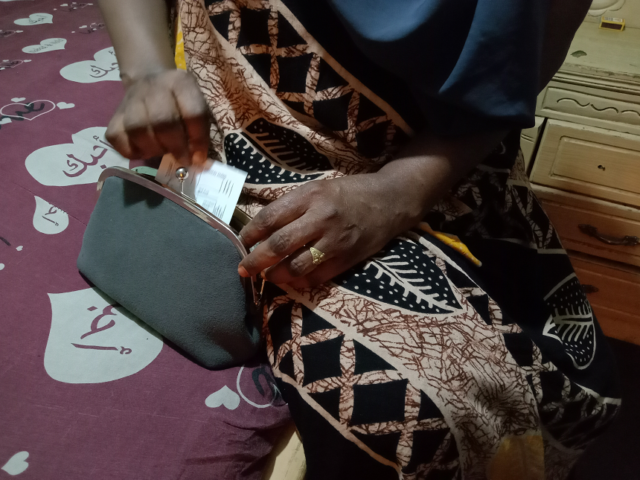
Also read: The menstruation experiences of women and girls with disability in Kenya
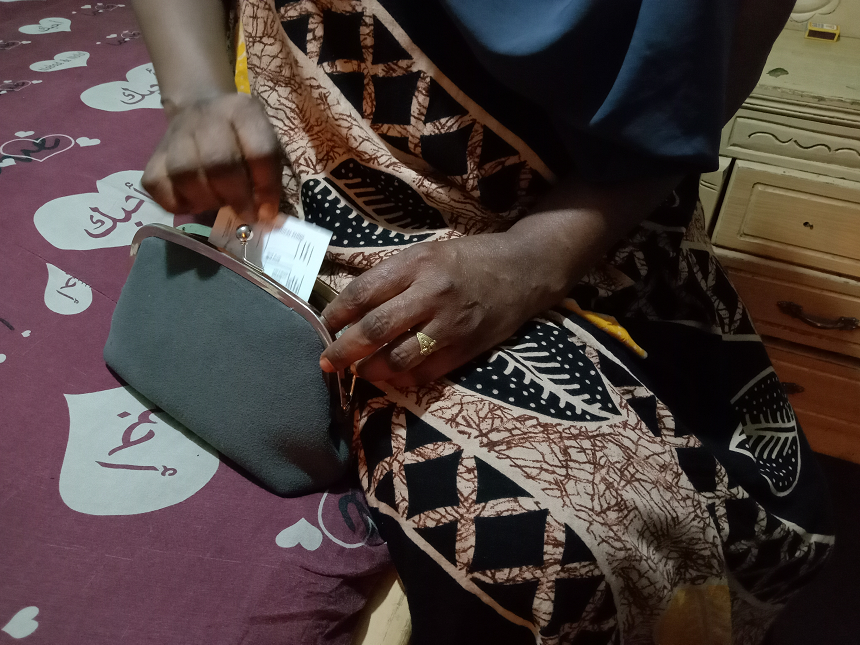
Also read: Why Kenyan teenage mothers do not return to school despite re-entry policy

Mummy Tales is a platform dedicated to women and girl empowerment. Connect with Mummy Tales on: FACEBOOK l YOU TUBEINSTAGRAM l TWITTER

Advertisement

POPULAR POSTS

error: Not Allowed