
























By Maryanne W. Waweru l maryanne@mummytales.com
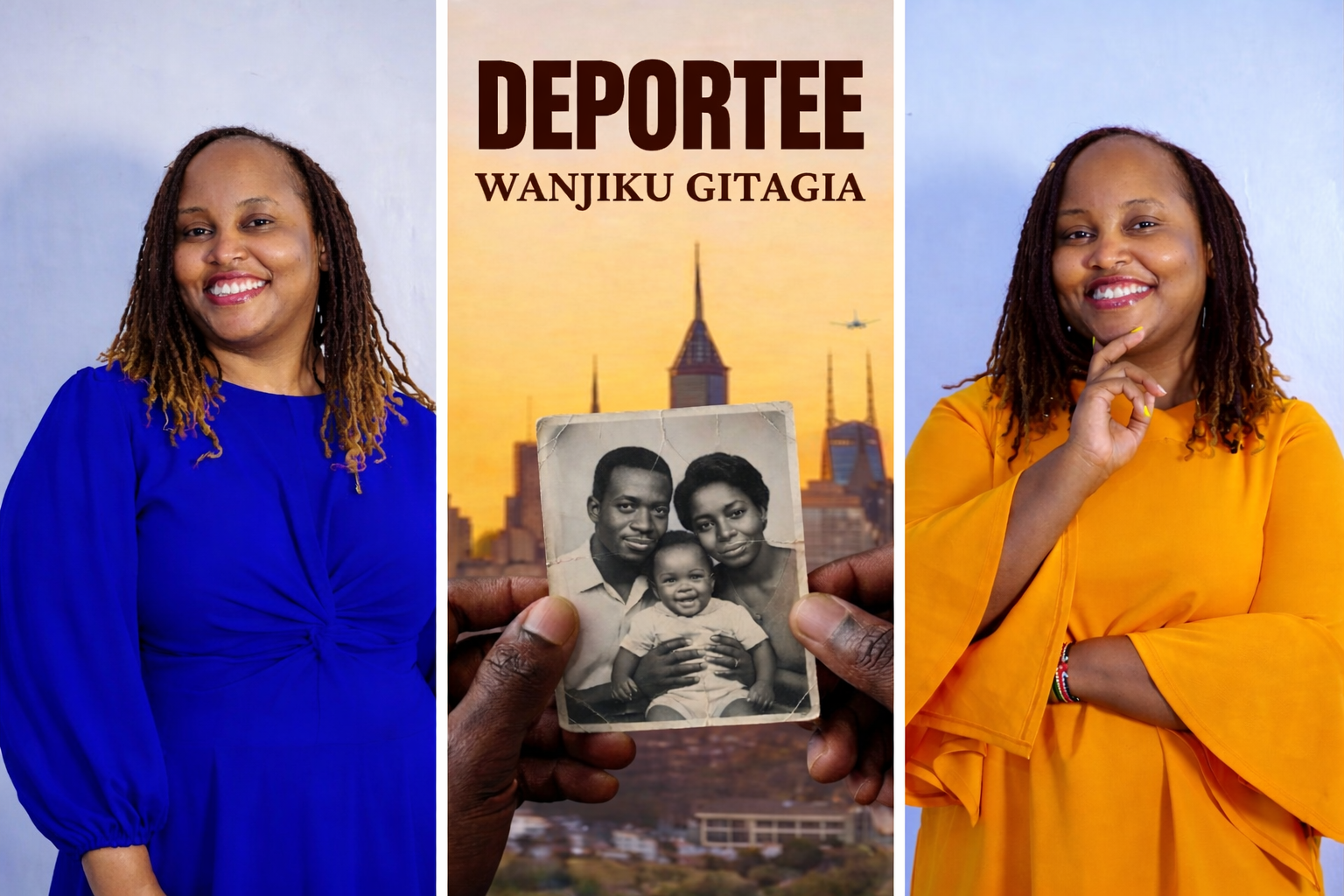
Have you ever wondered what becomes of people after they are deported back home? in Deportee by Wanjiku Gitagia, this rarely discussed reality comes to life through an interesting, gripping tale. This Kenyan novel explores deportation, identity, and the challenge of reintegration into society.
I read the book upon its release, and I enjoyed it. I especially enjoyed the many twists and turns in the story. In this post, I share more about Deportee in an exclusive interview with Kenyan author Wanjiku Gitagia.
Book details:
- Title: Deportee
- Author: Wanjiku Gitagia
- Page count: 225
- Price: KES 1,200
- Publisher: Self-published
Where to buy:
- Nuria bookstore
- Kibanga books
- Hekaya bookshop
- Directly from the author (on Instagram and other social media pages)
Below is my conversation with Wanjiku Gitagia, who is a mother of two daughters aged 23 and 13. She is also a HR practitioner.
Maryanne: Hi Wanjiku. Describe your book in 30 words or less for people who are just learning about it.
Wanjiku: Deportee is a work of creative fiction. It tells the story of Kim who gets deported from the US and comes back to Kenya to face a whole new life full of hostility, struggle and hardship in reintegration back into Kenyan society.
Maryanne: How did you come up with the title for your book?
Wanjiku: It came to me on a whim at the last minute of my writing. Initially I planned for the story to be centered around a group of friends who were deportees from different countries and would hang out at a bar called ‘deport’, which would be the book title. When the story of Kim took over much of the plot, I changed gears and centered the book around him and settled on Deportee as the title.
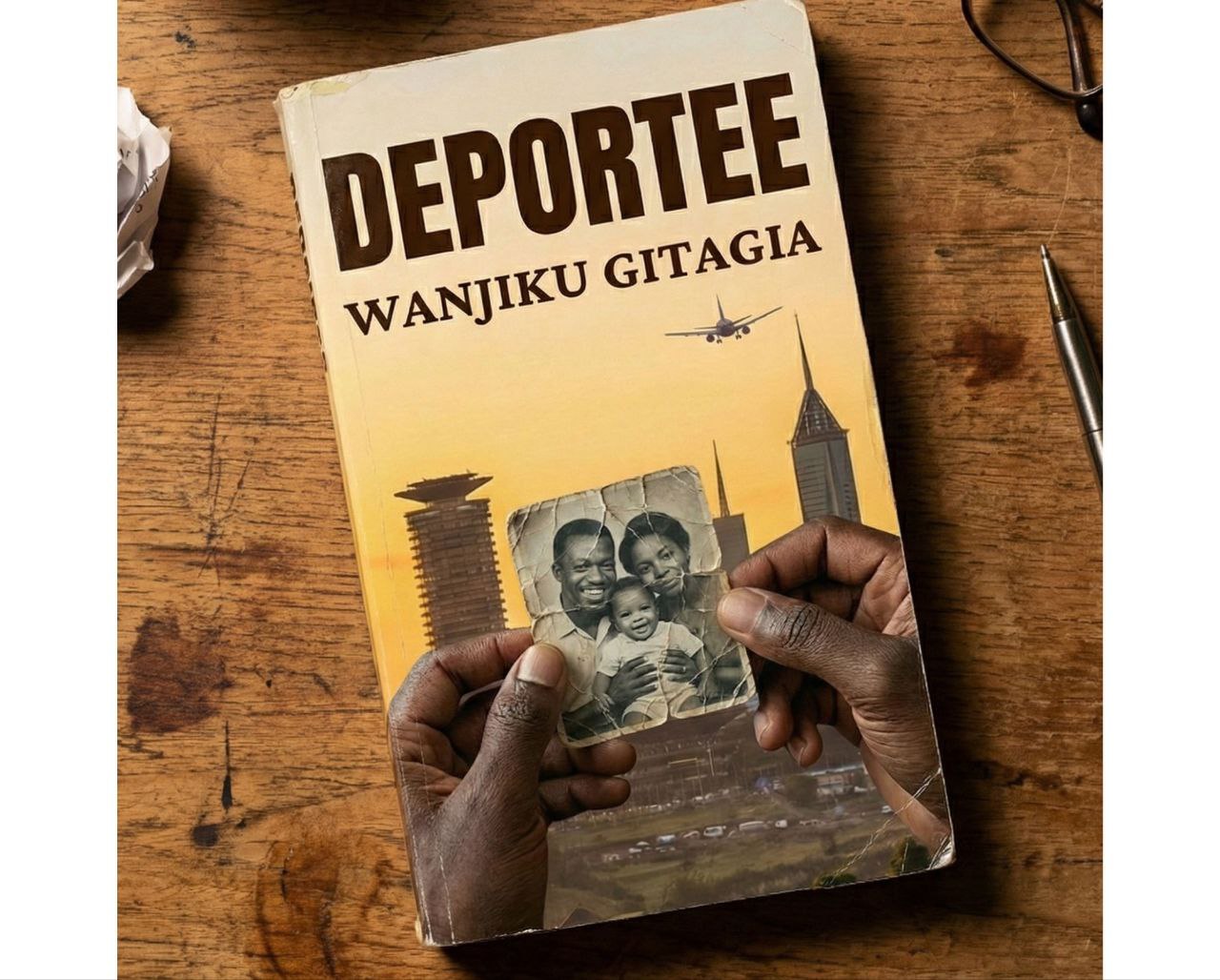
Maryanne: The book’s cover is outstanding. Tell us more about it.
Wanjiku: The cover tells the story of Kim. I don’t want to give any spoilers, but the picture is at the heart of the story. The plane signifies departure or arrival; it could be the one bringing Kim back home or leaving after dropping him off. The backdrop of Nairobi city signifies where he is brought back to.
Maryanne: What inspired you to write Kim’s story?
Wanjiku: I cannot pin it to a specific incident where I drew my inspiration. I am a fiction lover, and I wanted to write a novel based on fiction. I have seen a few people get deported and when they get here, there doesn’t seem to be space or acceptance for them which seems really unfair. My mind drew me that way and I obliged it.
Maryanne: The themes of deportation and reintegration are quite powerful. What drew you to explore these themes?
Wanjiku: My story focuses more on reintegration and I have seen how hard it is for people who have not just been deported -but people who choose to come back home after being in other countries for too long. Kenyan society does not seem to accept them as fully Kenyan. Many have been driven to poverty, depression and other mental illnesses because of being deemed ‘failures’. It seems like a situation that most people do not speak of or identify with.
Maryanne: How much of the story is influenced by real-life events or people you’ve encountered?
Wanjiku: I can’t quantify to the letter, but I could say about 50% of it draws its inspiration from real life and from lived experiences.
Maryanne: What Kenyan realities or dynamics did you want to portray through this story?
Wanjiku: The attitude that is carried by most Kenyans towards people who choose to return home after years in developed countries. They are shamed for what most consider failure. But Kenyans need to know that living in developed countries is harder than it seems. It is not a direct ticket to success and riches.
Maryanne: ‘Deportee’ touches on identity, family secrets, friendships and belonging. What messages do you hope readers will take away?
Wanjiku: I would like them to take away the message of acceptance for people that choose to come back home after building their lives away. Sometimes they come back successful and sometimes not successful. Either way, they deserve to be accepted and granted a chance to become part of building our nation, just like we who have always been here.
Maryanne: Do you think Kenyan readers will see some of their own experiences in this book?
Wanjiku: Probably. They may relate it to other people they have known. If not, they will be immersed in the book and feel the reality of it.
Maryanne: What conversations do you hope this book will spark?
Wanjiku: I would hope it sparks conversation around immigration and deportation, relocation to other countries, deception in families and generally conversations around writing for Kenyans by Kenyans.
Maryanne: Who is the ideal reader for this book?
Wanjiku: The book is targeted towards general readers. Any bibliophile would enjoy it and even people that are exploring reading as a hobby. It is a super easy and captivating read.
Maryanne: How long did it take you to complete the manuscript, from idea to publication?
Wanjiku: It took roughly around two years. 1.5 years on the writing and then about six months on the editing and eventually printing the book.
Maryanne: What has your publishing journey been like as a new author?
Wanjiku: I would say it has been exciting and interesting. It is interesting rebranding as an author and getting into the intricacies of marketing the book, interacting with fellow authors, readers, book pundits and even just building my presence online in platforms I have not been on before.
Maryanne: Has writing and publishing a book changed the way you see yourself?
Wanjiku: In a big way. It has shown me that I am capable of doing things that I didn’t think I could. It has shown me that I need to challenge myself more and even be more outgoing than I have been.
Maryanne: What advice would you give aspiring Kenyan writers hoping to publish their first book?
Wanjiku: I would say, go for it! It is not easy, actually it is really hard but it is worth it.
What are you working on next?
Wanjiku: Currently, I have my sights set on marketing and selling my book. I want more readers to get to know me as I also start on my second book.
Maryanne: Would you revisit any of these characters in future stories?
Wanjiku: I am still weighing options on whether it is a good idea or not so much. Only time will tell.
Thanks Wanjiku and wishing you all the best.
*****
So, have you read Deportee by Wanjiku Gitagia? What are your thoughts about it? Also, do you know someone who has lived through the deportation or reintegration experience? What was it like? Feel free to share your thoughts below.
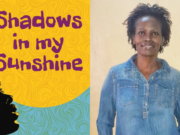
Also read: ‘Shadows in my Sunshine’ by Beth Ruga: book review & interview
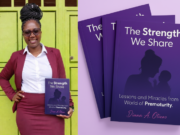
Also read: ‘The Strength we Share’ by Diana A. Otieno book review & interview
Also read: ‘Risking it All’ by Anna-Maria Mwachinga book review
 Mummy Tales by Maryanne W. Waweru is a platform dedicated to empowering its readers on different aspects of womanhood and motherhood. Read more motherhood experiences of Kenyan moms here. Connect with Mummy Tales on: FACEBOOK l YOU TUBE l TWITTER